Reflexology, Treatments
Foot reflexology in promoting wellness unveils the ancient art’s capacity to harmonize the body, alleviate tension, and elevate holistic health.
Having delved into the world of foot reflexology through my own research, I’ve come to appreciate its potential to enhance well-being. But rather than taking my word for it, I invite you to explore this ancient practice with me. Dive into this article to uncover the fascinating insights and benefits of foot reflexology, and perhaps, like me, you’ll find it worth experiencing firsthand.
Foot Reflexology in Promoting Wellness: Unveiling the Ancient Practice

When you hear the term ‘foot reflexology,’ you might think of a relaxing foot massage. But it’s much more than that. Reflexology, a practice steeped in ancient traditions, dates back to the time of the Egyptians and Chinese. It’s not just a form of pampering, but a complementary therapy that has been embraced for its potential to promote wellness.
Foot reflexology operates on the premise that certain areas of your feet correspond to different parts of your body. By applying pressure to these specific points, reflexologists believe they can enhance health and foster a balance within the body. This isn’t just about a soothing touch; it’s also about tapping into the body’s natural systems to potentially aid in healing and stress relief.
Now, it’s important not to confuse reflexology with a simple foot rub. Unlike general foot massages that aim to relax muscles, reflexology is a more targeted approach. It’s about exerting pressure on reflex points that are thought to be linked to various organs and body systems. As we move on, you’re going to find out about the intriguing theory behind reflexology and why so many people have made it a regular part of their wellness routine.

Key Takeaways: Foot Reflexology
- Ancient practice targeting foot points for wellness, aiding stress relief, circulation, and health issues.
- Differs from regular foot massage by precise targeting of reflex points linked to organs.
- Integration into wellness routine: Find qualified reflexologist, discuss frequency, view as complementary therapy.
Understanding the Theory Behind Reflexology

In my opinion, to fully appreciate foot reflexology, it’s crucial to grasp the core principles that define its foundation. Now, reflexology is grounded in the theory that certain zones and areas on the feet correspond to various organs and systems within your body. It’s like a map on your soles, where pressing each spot sends signals to a related body part.
Understanding Reflexology’s Zones and Reflex Areas
You’re going to find out about reflexology’s zones and reflex areas which are integral to this practice. Practitioners often use these maps as guides to target specific issues. For example, the tip of the toes is believed to connect to the head and brain. So, if you’re struggling with headaches, a reflexologist might concentrate on this area.
The Concept of Energy Pathways in Reflexology
What’s more, there’s a claim that by applying pressure to these points, reflexology can promote the clearing of energy pathways, often described as ‘qi’ or ‘chi’, allowing the body to heal itself. While this might seem far-fetched at first glance, numerous reflexology enthusiasts swear by these methods for maintaining their health.
Balancing Anecdotal Successes with Scientific Scrutiny
Of course, this isn’t just about unfounded beliefs; some scientific evidence suggests benefits of reflexology may stem from the nervous system’s responses. However, it’s vital to consider both the anecdotal successes and the scientific scrutiny that reflexology has undergone to get a balanced view.
Don’t worry too much about needing to believe every facet of reflexology theory to experience its potential benefits. Many people report significant improvements in their wellbeing regardless of their understanding of the underlying mechanisms.
Exploring the Benefits of Foot Reflexology
You’re going to find out about some intriguing advantages of foot reflexology here. Many individuals swear by reflexology for its ability to promote relaxation and manage stress. When performed by a skilled practitioner, a foot reflexology session can be a deeply relaxing experience, leading to a calmer state of mind and a reduction in stress-related symptoms.
But stress relief isn’t the only potential benefit. Reflexology may also help improve your circulation. By applying pressure to specific reflex points on the foot, it’s believed that reflexology can enhance blood flow, which is not only good for your extremities but for your overall health. Enhanced circulation is often associated with better toxin removal from the body and an improved immune response.
There’s more – reflexology might have a positive effect on various health conditions. For instance, some people find relief from headaches or migraines after a reflexology session. Others report improvements in digestive issues or PMS symptoms. It’s important to note, though, that while these accounts are promising, reflexology should not be seen as a cure but rather as a complementary therapy.
You may be curious about hard evidence supporting these benefits. Some studies have suggested that reflexology can have measurable effects on certain conditions, though more research is always welcome in the scientific community. Depending on individual experiences and existing studies, reflexology’s role in managing various health issues is increasingly being explored.
Now, if you’re impressed by what you’ve just read, you’re probably thinking about how to fit reflexology into your life. That’s exactly what we’re going to dive into in the next section.
Best Practices and Considerations for Reflexology
Finding a Qualified Reflexologist
- Certifications: Ensure the reflexologist has relevant certifications.
- Experience: Look for professionals with ample experience in the field.
- Client Reviews: Check reviews to gauge the quality of service offered.
When seeking a reflexologist, it’s not just luck that matters. Conducting thorough research is crucial to finding the right practitioner for your needs.
Frequency and Duration of Sessions
- Individualized Approach: Frequency varies based on individual needs.
- General Recommendations: Receive guidance on session frequency and duration.
- Resonance with Most People: Understand typical recommendations that suit many individuals.
Curious about how often you should undergo reflexology sessions? While there’s no one-size-fits-all answer, there are general recommendations that tend to resonate with most individuals.
Safety Considerations
- Precautions: Understand who should approach reflexology with caution.
- Health Conditions: Learn about medical conditions that necessitate consultation with a doctor.
- Prioritizing Safety: Emphasize the importance of safety when considering reflexology.
Prioritizing safety is essential when embarking on a reflexology journey. Not everyone can dive into sessions without considering potential health risks.
Integrating Reflexology into Wellness
- Small Changes, Big Impact: Discover how small integrations can enhance wellness.
- Practical Tips: Receive actionable advice on seamlessly blending reflexology into your routine.
- Enhancing Wellness: Understand the holistic benefits of incorporating reflexology into your wellness regime.
Elevating your wellness game doesn’t always require major overhauls. Learn how to integrate reflexology into your routine with practical tips and small changes that yield significant benefits.
Understanding Reflex Points on the Feet
Foot reflexology in promoting wellness operates on the principle that specific points on the feet correspond to various organs and body systems. By targeting these reflex points, practitioners aim to promote wellness and balance throughout the body. Let’s take a closer look at some key reflex points and their corresponding areas of the body:
- Big Toe: Linked to the head and brain, stimulating this area may help alleviate headaches and improve mental clarity.
- Top of the Foot: The upper part of the foot is associated with the upper body, including the chest, shoulders, and lungs.
- Inner Edge of the Foot: Corresponds to the spine and central nervous system, making it an important area for overall relaxation and stress relief.
- Arch of the Foot: Connected to the digestive system, including the stomach, intestines, and liver. Targeting this area may aid in digestion and relieve gastrointestinal discomfort.
- Heel: Linked to the pelvic region and lower back, stimulating the heel reflex point may help alleviate lower back pain and promote balance in the reproductive system.
- Outer Edge of the Foot: Corresponds to the limbs and extremities, including the arms, legs, and joints. Stimulating this area may help improve circulation and alleviate discomfort in the arms and legs.
Reflex Points and Their Corresponding Organs/System
| Reflex Point |
Corresponding Organ/System |
| Big Toe |
Head, Brain |
| Top of the Foot |
Chest, Shoulders, Lungs |
| Inner Edge |
Spine, Central Nervous System |
| Arch of the Foot |
Digestive System |
| Heel |
Pelvic Region, Lower Back |
| Outer Edge |
Limbs, Extremities |
This table provides a visual reference for understanding the relationship between reflex points on the feet and their corresponding organs or body systems. Remember, when practicing reflexology, focus on applying gentle pressure to these points to promote relaxation and balance throughout the body.

Foot Reflexology: Unveiling Wellness Wonders
So, let’s dive into the treasure trove of research uncovered by Kunz and Kunz (2008), where they spilled the beans on how foot reflexology works its magic for wellness. Here’s what they found:
- Organic Harmony: Picture this—blood flow to organs like kidneys and intestines gets a boost, like a little dance party for your insides. That’s reflexology doing its thing, targeting specific areas like a pro.
- Symphonic Serenity: Imagine being caught in the whirlwind of illness, then suddenly feeling like you’ve found an oasis. That’s how patients on dialysis felt, thanks to reflexology. It’s like finding a calm spot in the middle of a storm.
- Rhapsodic Relaxation: Think of EEG measurements as your body’s own chill playlist. When they checked in, they found blood pressure dropping and anxiety taking a backseat. Reflexology is like hitting the relaxation button—it’s your own personal zen zone.
- Pain’s Lullaby: Ever had aches and pains that just won’t quit? Reflexology swoops in like a soothing lullaby, easing everything from AIDS-related discomfort to arthritis woes. It’s like having your own pain relief anthem.
So, there you have it—foot reflexology isn’t just about rubbing your feet. It’s like a secret weapon for wellness, working its wonders from the inside out.
Foot Reflexology in Promoting Wellness: Taking Steps Towards Healthier Feet
As we wrap up, let’s reflect on the journey we’ve taken through the world of foot reflexology. We’ve explored its ancient roots, delved into its theory, and discovered its potential to boost wellness. It’s been about finding balance, from stress relief to improved circulation and even relief from certain health conditions.
So, why not dip your toes into the world of foot reflexology? It’s not just about relaxation; it’s about nurturing your body’s natural systems and fostering well-being from the ground up. Whether you’re aiming for disease prevention or seeking treatment, reflexology could be the gentle nudge your body needs.
But remember, when it comes to serious foot concerns, don’t hesitate to reach out to a foot specialist or podiatrist. Your foot health matters, and they’re there to help.
Wishing you all the best on your journey to healthier feet!
Ready to take the first step? Try foot reflexology today!
Frequently Asked Questions
What is foot reflexology, and how does it differ from a regular foot massage?
Foot reflexology is an ancient practice that involves applying pressure to specific points on the feet, believed to correspond to various organs and systems in the body. Unlike a general foot massage, reflexology is a more targeted approach aimed at promoting wellness and balance within the body.
What are the potential benefits of foot reflexology?
Foot reflexology has been reported to promote relaxation, stress relief, improved circulation, and relief from certain health conditions such as headaches, digestive issues, and PMS symptoms. While scientific evidence supporting these benefits is emerging, reflexology is generally considered a complementary therapy rather than a cure.
How can I incorporate foot reflexology into my wellness routine?
To incorporate foot reflexology into your wellness routine, consider finding a qualified reflexologist and discussing session frequency and duration that suit your needs. It’s essential to prioritize safety, especially if you have underlying health conditions, and to consult with a healthcare professional if necessary. Integrating reflexology into your routine can be a seamless way to support your overall well-being.
Discover Foot Care Community on Facebook!
Looking for engaging content, product reviews, and a vibrant community passionate about foot care? Dive into our Facebook page! Connect with us at feet-relief.com for the latest updates, tips, and discussions on keeping your feet happy and healthy. Join us today and step into a world of foot wellness!
Some Good Reads For The Feet

bunions, corns, calluses, Flat Feet, foot problems, Footwear- Shoes, socks, boots, slippers, High Arch, pain, shoes, Uncategorized
Preventing foot pain from prolonged standing has always been important to me. I understand firsthand the aches and pains of spending an entire day on your feet, only to feel like you’ve run a marathon by the end of it. It’s not just the soreness but also the buildup of pressure on the feet and the tightness in the legs.
With these tips and insights, standing for long periods shouldn’t be daunting. From understanding the root causes to finding the best practical solutions, this is a journey your soles will appreciate.
Standing Strong: Understanding and Preventing Foot Pain
What causes foot pain from prolonged standing? The first thing you’ll learn is the typical culprits behind this discomfort. For starters, standing for extended periods puts constant pressure on your feet, which can lead to various issues, such as muscle fatigue, joint compression, and impaired circulation.
It’s not just about soreness, either; how standing affects foot health dives deep into risks such as the development of varicose veins, swollen feet, and even more severe conditions like plantar fasciitis. And if you’re wondering about your particular occupation’s impact on podiatric well-being, let’s just say some jobs put more of a strain on your feet than others.
When considering the anatomy involved, you’ll realize it’s a complex network. Your feet are marvels of engineering, made up of muscles, ligaments, and bones all working together. Under the pressure of your body weight, they can become overworked, and that’s the crux of foot pain from standing. Trust me, by taking care of your feet, you’re taking a huge stride towards overall well-being.
Video Credit: @DrAndrewSchneider
How do we transition from understanding the issue to finding a solution? The next logical step is to look at your shoes. That’s right, your footwear plays a pivotal role in preventing foot pain. In the next section, ‘Equipped for Relief: Essential Footwear Features,’ you’ll learn exactly what to look for in a shoe to provide the best support and comfort for those precious feet.
Key Takeaways:
- Understanding Foot Pain from Prolonged Standing: Prolonged standing can lead to various foot issues, including muscle fatigue, joint compression, and impaired circulation. It is essential to recognize the signs and symptoms of foot pain caused by standing for extended periods.
- Importance of Proper Footwear: Choosing the right footwear prevents foot pain. Features like arch support, cushioning, and breathable materials can help alleviate discomfort and maintain foot health during long hours of standing.
- Lifestyle Adjustments: Incorporating intermittent sitting, foot exercises, a balanced diet, and proper foot hygiene into your daily routine can help alleviate foot strain and prevent pain from prolonged standing.
- When to Seek Professional Help: Persistent foot pain, swelling, or noticeable changes in foot structure should prompt a visit to a podiatrist. Early intervention can prevent severe foot conditions and improve outcomes.
- Resources and Support: Community resources, such as support groups and local clinics, can provide guidance and assistance for individuals experiencing foot pain, especially those with financial concerns.
Equipped for Relief: Essential Footwear Features

I will let you in on something: not all shoes are created equal, especially when it comes to standing all day. You might love your fashionable sneakers, but are they doing your feet any favors during those long hours on your feet? Let’s find out.
Interesting Fact
- Research suggests that wearing improper footwear while standing for long hours can contribute to not just foot pain, but also back pain. Shoes with inadequate support can alter your posture, leading to strain on the spine and lower back muscles. So, investing in the right footwear isn’t just about foot comfort—it’s about overall musculoskeletal health.
Supportive Sole Design
Video Credit: @PositiveMotionChiro
Starting with the foundation — quite literally. Supportive sole design is no small detail. The right arch support and cushioning can mean the difference between comfort and chronic pain. Choose shoes with a thick, soft sole that provides ample cushioning and maintains the natural shape of your arch.
Proper Fit

I’m here to help you understand why proper fit is crucial. A shoe that’s too tight can lead to blisters and calluses, while one that’s too loose can cause your foot to slide and lead to muscle strain. Make sure to measure your feet regularly, as sizes can change over time.
Breathable Materials

Let’s talk about materials. Breathable fabrics aren’t just a luxury but necessary for foot health. Materials like leather and certain meshes allow air to circulate, keeping your feet dry and helping prevent fungal infections.
Innovation in Foot Technology
Don’t worry too much about keeping up with the Joneses, but pay attention to innovations in foot technology every now and then. Advances such as memory foam insoles and gel padding can provide that extra bit of comfort and support that makes a big difference.
Remember, making the right choices in your footwear is a strong step towards preventing foot pain, but it’s not the only one. We’ll need to look at how adjusting your daily routines can also play a pivotal role in keeping your feet happy.
Lifestyle Adjustments: Practices to Alleviate Foot Strain
Alright, strap in because we’re about to shift gears. It’s not just about securing the proper footwear; your overall lifestyle can be a game-changer when it comes to preventing foot pain from prolonged standing. Here’s some practical advice that will pay off, quite literally, from the ground up.
Intermittent Sitting
Strategic resting is key instead of just taking a break. Alternating between standing and sitting throughout the day gives your feet crucial recovery time. This simple practice can prevent soreness and contribute to long-term foot health. If standing is unavoidable at work, consider proposing scheduled breaks that allow for short periods of rest.
Foot Exercises
Small but effective stretches and strength exercises can be done right at your desk or workstation. These movements help build a robust support system in your feet, which is essential for absorbing the impact of prolonged standing. Learn a few stretches that can be your silent allies against foot pain.
Diet
What you eat can impact every part of your body, including your feet. Foods rich in anti-inflammatory properties can help alleviate foot pain. Additionally, staying hydrated and maintaining a healthy weight reduces stress on your foot joints and muscles. Discover nutrition tweaks that could provide relief for your tired feet.
Foot Hygiene and Preventative Care
Basic foot hygiene is often overlooked but crucial. Keeping your feet clean, dry, and moisturized can prevent conditions that worsen pain, such as blisters or fungal infections. Regular checkups with a podiatrist and monitoring changes in foot structure or skin integrity can help avoid many foot-related issues.
When to Seek Professional Help: Signs and Resources
I will lay it out for you: not all foot pain is created equal. Sometimes, the pain persists no matter how ergonomic your shoes are or how many stretching exercises you do. That’s when it becomes crucial to recognize when to seek professional help.
Signs it’s Time to See a Specialist
What signs tell you it’s time to see a specialist? If you’re experiencing consistent pain, swelling that doesn’t subside, or noticeable changes in the structure of your feet, you must book an appointment with a podiatrist. These symptoms can indicate underlying issues that require medical attention.
The Role of Podiatrists

So you’ve decided to see a foot specialist. Podiatrists are the wizards in the world of foot health. They offer many treatments, from custom orthotics to surgery, if necessary. Don’t worry too much about the perceived hassle; addressing foot problems early often leads to better outcomes.
Understanding Insurance Coverage
I understand that medical expenses can be a concern. That’s why it’s crucial to comprehend your insurance policy. Most insurance plans offer podiatry coverage, but it can vary. Check what’s included in your policy and whether referrals or pre-authorizations are needed for specialist visits.
Community Resources and Support
And remember, you’re not in this alone. There are community resources like support groups and local clinics that offer guidance and sometimes even free or low-cost services. These can be invaluable for those on a tight budget or seeking additional support.
Video Credit: @Footankle
Take Steps Towards Relief
Choose something that resonates with you, whether connecting with others through a support group or finding the right doctor. It’s all about taking those critical steps towards alleviating foot pain. And don’t shy away from asking for help—it’s a sign of strength, not weakness.
I hope that this guidance lights your path to a pain-free standing experience. Just don’t focus too much on perfection. It’s okay to take time to find what works best for you. After all, your first attempt doesn’t need to be your last. Thanks for reading, and I look forward to seeing you stride forward in both comfort and health.
Posture Awareness: The Role of Ergonomics in Preventing Foot Pain from Prolonged Standing
Maintaining proper posture is crucial for preventing foot pain from prolonged standing. Your posture directly affects weight distribution across your feet, impacting muscle fatigue and joint strain. By understanding and implementing ergonomic principles, you can significantly reduce the risk of foot discomfort and related issues.
Practical Tips for Optimal Posture:
- Stand Tall: Maintain a straight spine without slouching or leaning forward to reduce pressure on the feet.
- Distribute Weight Evenly: Shift your weight periodically to prevent overloading specific areas and keep your feet hip-width apart for stability.
- Engage Core Muscles: Activate your core muscles to support your spine and maintain posture stability.
Incorporating these posture-awareness practices into your routine complements other preventive measures, such as selecting appropriate footwear and taking regular breaks, promoting overall foot health and well-being.
Ending on a Strong Foot: Empowering Steps for Preventing Foot Pain
Preventing foot pain from prolonged standing demonstrates that caring for our feet is paramount. Understanding the causes and implementing practical solutions form the foundation of foot care and relief. Investing in proper footwear, incorporating lifestyle adjustments, and seeking professional help when needed are crucial steps toward maintaining foot health.
Lace up those supportive shoes, prioritize intermittent sitting and foot exercises, and schedule that podiatrist appointment if you’re experiencing persistent pain. Your feet are your foundation, so let’s give them the care they deserve.
Frequently Asked Questions
Why is foot pain from prolonged standing such a common issue?
Prolonged standing places continuous pressure on the feet, leading to muscle fatigue, joint compression, and impaired circulation. Over time, this can result in various foot issues, including soreness, swelling, and even more serious conditions like plantar fasciitis.
How can I choose the right footwear to prevent foot pain?
When selecting shoes for prolonged standing, prioritize features such as arch support, cushioning, and breathable materials. Look for shoes with a supportive sole design, proper fit, and breathable fabrics like leather or mesh to maintain foot health and comfort.
What lifestyle adjustments can help alleviate foot strain from standing for long periods?
Incorporating intermittent sitting breaks, performing foot exercises, maintaining a balanced diet, and practicing proper foot hygiene are all beneficial lifestyle adjustments. These practices can help reduce foot strain, promote circulation, and prevent discomfort associated with prolonged standing.
When should I seek professional help for foot pain from standing?
Persistent foot pain, swelling that doesn’t subside, or noticeable changes in foot structure should prompt a visit to a podiatrist. Early intervention can prevent serious foot conditions and improve outcomes, so it’s important not to ignore persistent symptoms.
Are there resources available for individuals experiencing foot pain, especially those with financial concerns?
Yes, community resources such as support groups and local clinics offer guidance and sometimes even free or low-cost services. Additionally, it’s important to check your insurance policy for podiatry coverage and understand any requirements for specialist visits.
Uncategorized
I’m going to kick things off by explaining what blisters are. Blisters are small pockets of fluid that form on the skin, usually due to friction, heat, or certain skin conditions. The skin layers separate and the space between fills with serum, plasma, blood, or pus, depending on the cause and severity.
So, what’s happening beneath the surface? When there’s constant rubbing against the skin, the outer layer, called the epidermis, starts to separate from the underlying layers. Protective fluids accumulate in the gap to cushion the tissue below, and a blister is born. It’s your body’s own rapid response team, sliding into action to protect your delicate skin from further damage.
You’re going to find out that blisters aren’t picky; they’re almost democratic in their occurrence. They can happen during a range of activities like running, hiking, or even just breaking in a new pair of shoes. Some medical conditions, such as chickenpox, herpes, or eczema, can also lead to blister formation, though under a different set of circumstances.
This isn’t just about understanding the mechanics of blisters. It’s also about realizing their importance in signaling your body’s limits and the need for better care. Now that we’ve covered the basics of what blisters are and why they happen, let’s move on to a crucial aspect of prevention: your footwear. Shoes can either be your best friend or your worst nemesis when it comes to blisters.
The Importance of Proper Footwear in Blister Prevention
Now, when it comes to dodging those pesky blisters, the type of shoes you wear can make a huge difference. It’s not just about style or brand; it’s about how well your footwear supports and protects your feet during various activities. Whether you’re a hiker, a runner, or just on your feet all day at work, choosing shoes that fit right and match the demands of your activities is crucial.
You might be surprised by how much impact a good fit has on blister prevention. Shoes that are too tight can create pressure points, while those that are too loose can cause your foot to slide and rub against the shoe’s interior. This unnecessary friction is your enemy – it’s basically sending out an invitation for blisters to form. To avoid this, make sure there’s just enough room at the front of your shoes, and always check that your heel isn’t slipping.
Beyond the fit, your shoe’s materials and design are your silent allies in the battle against blisters. Fabrics that wick away moisture help keep your feet dry, reducing the risk of blister formation. But don’t overlook your socks – they’re just as important. Socks that manage moisture and provide cushioning can serve as a buffer, lessening the friction between your skin and the shoe. By choosing smart, you’re setting the stage for blister-free adventures.
Essential Preemptive Strategies to Avoid Blisters
Knowing how to sidestep blister formation is essential, especially if you’re on your feet a lot. It’s not just about discomfort; it’s about maintaining healthy feet. I’m going to outline some must-know preventive measures.
Moisture is a blister’s best friend, so start by choosing socks that wick away sweat. There’s a lot of opportunity in high-tech synthetic blends or wool, which can keep your feet dry even during intense activity. Think of them as a moisture barrier.
Good foot hygiene seems simple, but it makes a massive difference. Keeping your feet clean and dry is your first line of defense. If you’re going to add anything to your foot care routine, consider antibacterial soap or antifungal powders if necessary.
Now, if you want to take your preventative game to the next level, preventive taping is where it’s at. Well-placed sports tape can prevent friction in high-risk areas. For those of you who’d rather not mess with tape, blister plasters or pads are your go-to. They’re easy to use and usually provide good protection against rubbing.
Choose something that resonates with you and your lifestyle. Your first attempt doesn’t need to be your last. You can always tweak things as you learn what works best for your feet.
First Aid for Blisters: Immediate Steps for Management
I’m going to walk you through how to handle a blister as soon as you notice it. If you’re feeling a hot spot on your foot, it might be the precursor to a blister. Acting quickly can prevent it from developing further. Now, if a blister has already formed, don’t panic. It’s key to keep the blister intact to avoid infection. Covering it with a sterile adhesive bandage or blister plaster can provide protection and speed up healing.
In my opinion, the most important thing to remember if your blister happens to burst is to avoid removing the skin flap. This protective layer serves as a natural barrier against bacteria. After carefully washing the area with gentle soap and water, apply an antibiotic ointment and re-cover the blister with a sterile dressing. Changing the dressing daily, or whenever it gets dirty or wet, is critical for keeping the area clean.
You’re going to find out about when to seek medical attention too. If you experience signs of infection–such as increased redness, swelling, warmth, or pus–or if the blister is the result of a burn or allergic reaction, it’s essential to consult with a healthcare professional. It’s also a red flag if you have diabetes or poor circulation, as your risk for complications is greater and warrants professional oversight.
Choose something that resonates with you when it comes to post-treatment care. Some people advocate for letting the blister breathe overnight while others prefer to keep it covered at all times. Listen to your body and monitor the healing process. If it’s a recurring issue, consider keeping a blister journal to track triggers and effective treatments, which can be insightful for future prevention.
Long-Term Strategies for Blister Prevention and Care
You’re going to find out about how building resilience isn’t just about toughening up your skin—it’s about intelligent exposure and gradual conditioning. I’ll explain the significance of easing your feet into new activities and the value of incremental increases in intensity or duration.
Choose something that resonates with you when it comes to skin health, such as diet. I’ll delve into dietary choices rich in vitamins and minerals crucial for maintaining healthy skin and thus less prone to blister formation.
If you want to prevent blisters in the long run, consider the importance of regular check-ups, especially if you’re often on your feet or have had blister issues in the past. I’ll highlight why seeing a podiatrist or healthcare professional can be a game-changer for proactive foot care.
Your first attempt at preventing blisters doesn’t need to be your last. I’ll stress the importance of reviewing and refining your blister prevention strategies over time, adapting to changes in activities, footwear, and skin care routines.
Don’t worry too much about the occasional blister as you adapt these strategies. I really hope that you find these tips useful and that you’ll enjoy healthier, happier feet as a result.
foot problems, Health Conditions, Treatments
Natural remedies for common foot problems provide holistic solutions for various ailments, fostering healthier feet.
We all experience occasional foot discomfort; it’s expected, given the miles, our feet carry us through life. But continuous foot problems can really throw a wrench in your daily hustle. That’s why I practice natural foot care. After much research, I found how to manage those problematic foot issues with a natural touch.
Now, I’m not suggesting you skip out on professional medical advice. On the contrary, it’s crucial. Consulting a podiatrist should be your first course of action, especially if your feet send SOS signals like severe pain, swelling, or discoloration. Consider natural remedies as your support team, offering additional relief and prevention.
Natural Remedies For Common Foot Problems: Finding Relief the Natural Way
So, why go natural? These remedies often have fewer side effects and can be gentler on your system. Plus, they’re linked to your overall well-being. We’re talking about your feet, which are the foundation of your mobility and freedom! Get them happy, and you’ll likely improve your quality of life.
This brings us neatly to the world of natural anti-inflammatory solutions. In the next section, I’ll introduce you to ‘Herbal Salvation,’ where we’ll explore some amazing herbs and recipes to help reduce inflammation and soothe your overworked feet. Keep reading because we’re on the path to finding relief naturally.
Important Notes:
- Natural remedies promote holistic foot wellness through herbs, foot soaks, exercises, essential oils, and nutrition.
- Consistent use of natural remedies alongside preventive foot care practices ensures relief, reduces inflammation, and maintains foot health.
- Consultation with a podiatrist is crucial for accurate diagnosis and treatment, particularly for persistent foot pain or significant changes in foot structure.
Herbal Salvation: Natural Anti-Inflammatory Remedies
Video Credit: @DrTomBiernacki
You’re likely already familiar with inflammation, especially if you’ve ever had a foot problem. It’s your body’s natural response to injury or infection, but sometimes, it goes into overdrive, leading to pain and discomfort. That’s where nature steps in with a treasure trove of anti-inflammatory herbs that can be true saviors.

Herbs like turmeric and ginger aren’t just flavorful additions to your kitchen; they’re also packed with compounds that can help reduce swelling and pain in your feet. Curcumin, the active ingredient in turmeric, is a well-known anti-inflammatory agent. Similarly, ginger contains gingerols, which have been studied for their pain-relieving properties.
So, how do you use these herbs for your feet? They can be applied in various ways, like making a poultice, a paste made of ground herbs and a little water, and using it directly to the affected area. Alternatively, you can create soothing soaks by adding powdered herbs to warm water for a relaxing treatment.
Just don’t focus too much on elaborate preparations. Your goal here is a relief, not a five-star culinary rating for your foot bath. That said, remember that natural doesn’t always mean risk-free. It’s crucial to consider possible allergies and consult with a healthcare provider, particularly if you’re pregnant, breastfeeding, or taking medications that might interact with herbal products.
Soothing Soaks for Aching Feet
If you’re dealing with sore, swollen, or tired feet, a good foot soak might relieve you. Soaking your feet can help reduce stress, soothe muscle tension, and alleviate pain.
Creating a Natural Foot Soak
Creating a natural foot soak is simple and can be highly effective. You’ll want to gather a few key ingredients known for their soothing properties. For example, Epsom salt is a classic favorite because it’s rich in magnesium, which can help relax muscles and reduce swelling. With its antifungal qualities, Apple cider vinegar can help those dealing with athlete’s foot or other fungal infections.
Recipes for Foot Soaks
Let me share a couple of recipes. Start with a warm water base in a tub or basin that allows you to sit comfortably with both feet submerged.
- Essential Epsom Salt Soak:
- Add half a cup of Epsom salt to the water.
- Mix well to dissolve the salt.
- Antifungal Apple Cider Vinegar Soak:
- Mix in a cup of apple cider vinegar into the warm water.
- Ensure the vinegar is evenly distributed in the water.
Enhancing Relaxation
To enhance relaxation, consider adding a few drops of lavender or chamomile essential oil to your foot soak. Both are renowned for their calming effects and can make your soak even more restorative. Just make sure you’re not sensitive to these oils and always dilute them properly.
Frequency and Routine
In terms of routine, soaking your feet for about 15 to 20 minutes a couple of times a week is usually beneficial. However, you might adjust the frequency if you have specific foot concerns. Always listen to your body—if a soak makes your feet feel better, it’s likely a good practice to continue.
- Soak your feet for about 15 to 20 minutes a couple of times a week.
- Adjust the frequency based on specific foot concerns.
- Listen to your body to determine what works best for you.
Foot Fitness for Long-Term Health
Adopting preventive measures is critical to avoiding more severe foot problems, and foot soaks are one piece of the puzzle. Next, I’m going to discuss foot fitness, which includes exercises that can further enhance foot health, keeping feet strong and flexible for years to come.
Foot Fitness: Exercises for Healthy Feet
Video Credit: @E3Rehab
If you’re looking for natural ways to alleviate common foot problems, consider the power of a little foot workout. Like any other body part, your feet need exercise to stay strong and function properly. Weak foot muscles can lead to issues like flat feet, bunions, and plantar fasciitis.

A Sneaky Routine for Foot Health
Let me walk you through some simple exercises that can really make a difference. You know, just a short routine each day can work wonders, not just for existing discomfort but also for keeping future issues at bay.
Toe Grips:
- So, imagine this – you place a towel on the floor and start scrunching it towards you using just your toes.
- It’s surprising how such a small move can really strengthen those tiny muscles under your foot.
Heel Raise:
- Alright, here’s one that’s a bit sneaky but effective. You stand on your tiptoes for a few seconds and then slowly lower your heels back down.
- Trust me, it’s like a mini workout for your ankles and calves, all in one.
Toe Splaying:
- Now, this one’s a bit tricky. You try to spread your toes apart as much as you can, hold that stretch for a bit, and then let go.
- It might feel awkward at first, but hey, it’s worth it for that improved flexibility.
Ankle Circles:
- And lastly, we’ve got ankle circles. Lift one foot off the ground and start making circles with your ankle, first one way, then the other.
- It’s surprising how much better your ankles feel after just a few rounds of this.
Consistency is key here, not how hard you go at it. Your first attempt doesn’t have to be perfect, and it’s totally fine if you can’t do much right away. You’ll find your rhythm as you go. Just pick what feels right for you and stick with it.
After you’ve finished your exercises, you might want to consider using essential oils to further enhance your feet’ health. In the next section, we’ll explore the aromatic world of essential oils and how they can provide relief for various foot conditions.
Essential Oils: Aromatic Relief for Foot Conditions
Some essential oils are known for their anti-inflammatory, antibacterial, and antifungal properties, making them ideal for foot care. Think tea tree oil for athlete’s foot or peppermint oil for its soothing and cooling effects on tired, achy feet. Eucalyptus oil can also reduce pain and inflammation.
Wise Usage of Essential Oils
To harness these benefits wisely, consider the following:
- Add to Foot Soak: Incorporate a few drops into a foot soak for a relaxing experience.
- Mix with Carrier Oil: Blend with a carrier oil for a soothing massage.
- Use in Homemade Ointment: Combine with other ingredients to create a custom ointment tailored to your needs.
DIY Recipe and Caution
A quick DIY recipe might include coconut oil as your carrier, mixed with lavender and frankincense essential oils. This blend can help with dry, cracked heels and promote relaxation. However, be cautious, especially if you have sensitive skin. Testing for any reactions before applying a new oil widely is essential.
Safety Measures
Ensure foot safety by following these guidelines:
- Use Pure Essential Oils: Opt for purely essential oils without additives to minimize the risk of irritation or allergic reactions.
- Avoid Direct Application: Dilute essential oils before applying them to the skin to prevent adverse reactions.
- Source High-Quality Oils: Look for sources that offer pure, high-quality oils to ensure efficacy and safety.
Limitations of Essential Oils
While essential oils can offer temporary relief and a pleasant sensory experience, they are not a cure-all. Persistent or severe foot issues warrant a visit to a foot specialist. That’s why, in the next section, we’ll discuss preventive practices and underline when it’s time to consult a podiatrist for your foot concerns.
Preventive Practices and When to See a Podiatrist
Now that you’ve learned how natural remedies can support foot health, it’s crucial to understand the significance of prevention. Regular foot care practices play a vital role in preventing foot problems before they even start. This includes wearing appropriate footwear, maintaining good hygiene, moisturizing, and regularly inspecting your feet for any signs of issues.
Know When to Seek Professional Help
However, it’s equally important to recognize when it’s time to seek help from a professional. Persistent pain, significant changes in foot structure, or infections that don’t improve with home treatment are clear signals to contact a podiatrist. While natural remedies can be excellent, they work best as part of a comprehensive approach to foot care, which may include medical intervention when necessary.
Build a Relationship with a Podiatrist
Building a relationship with a podiatrist can provide you with personalized advice tailored to your specific needs and lifestyle. Remember, your foot health is crucial to your overall well-being and should be cared for with the same diligence and attention you give to the rest of your body.
Nutritional Support for Healthy Feet
Ensuring your feet stay healthy involves more than just external care—it’s about nourishing them from the inside out. Here’s how focusing on nutrition can complement natural remedies for common foot problems:
Essential Nutrients for Foot Health
A diet rich in antioxidants from colorful fruits and vegetables can help reduce inflammation, providing relief for sore feet. Incorporating omega-3 fatty acids found in foods like fatty fish and walnuts can also alleviate discomfort associated with conditions like arthritis and plantar fasciitis. Additionally, maintaining adequate levels of vitamins and minerals, such as calcium, vitamin D, and magnesium, is crucial for strong bones and muscles in the feet.
Hydration for Foot Health
Proper hydration is essential for maintaining supple skin on your feet. Dehydration can lead to dry, cracked skin, increasing the risk of infection. By drinking plenty of water throughout the day, you can ensure your skin remains hydrated and healthy, reducing the likelihood of foot-related issues.
Incorporating a Balanced Diet
Aim to incorporate a variety of whole foods into your diet to support optimal foot health. Dairy products, leafy greens, nuts, seeds, and fruits are all excellent choices. Not only do they provide essential nutrients for bone health and inflammation reduction, but they also contribute to overall well-being.
By focusing on nutrition alongside natural remedies, you can take a comprehensive approach to caring for your feet, ensuring they remain healthy and pain-free for years to come.
Natural Remedies for Common Foot Problems: Stepping Towards Holistic Foot Wellness
As we come to a close, we’ve journeyed through a tapestry of natural solutions tailored to address those niggling foot issues from a holistic standpoint. We’ve traversed the realm of herbal remedies, luxuriated in the soothing embrace of foot soaks, embraced the empowering essence of foot exercises, and basked in the aromatic comfort of essential oils. These methods were crafted to soothe inflammation, alleviate discomfort, and nurture overall foot well-being.
Have you had the opportunity to experiment with any of these natural remedies? If not, why not take the plunge? But, before you embark on this wellness journey, it’s prudent to confer with your physician, especially if you harbor any underlying health concerns or are currently medicating, as some remedies may interact.
Your foot health is a cornerstone of your holistic wellness. So, why not take a stride towards happier, healthier feet? Integrate some of these natural remedies into your self-care routine and witness the transformation. Your feet will surely extend their gratitude!
Remember, it’s about embracing those incremental steps towards self-care. Here’s to moving forward with confidence and comfort!
Frequently Asked Questions
Are natural remedies effective for all foot problems?
Natural remedies can provide relief for many common foot issues, but they may not be suitable for every condition. Consultation with a podiatrist is crucial for accurate diagnosis and treatment recommendations.
Can essential oils be applied directly to the skin?
Essential oils should be diluted with a carrier oil before applying to the skin to prevent irritation. Pure essential oils can be potent and may cause adverse reactions if used undiluted.
How often should I soak my feet in a foot bath?
Soaking your feet for 15 to 20 minutes a couple of times a week can be beneficial for general foot care. Adjust the frequency based on specific foot concerns and individual comfort levels.
What should I do if I experience persistent foot pain?
Persistent foot pain, significant changes in foot structure, or infections that don’t improve with home treatment require evaluation by a podiatrist. Seeking professional help ensures proper diagnosis and treatment planning for optimal foot health.
Related and Interesting Articles
foot problems, Health Conditions, neuropathy, pain, Uncategorized
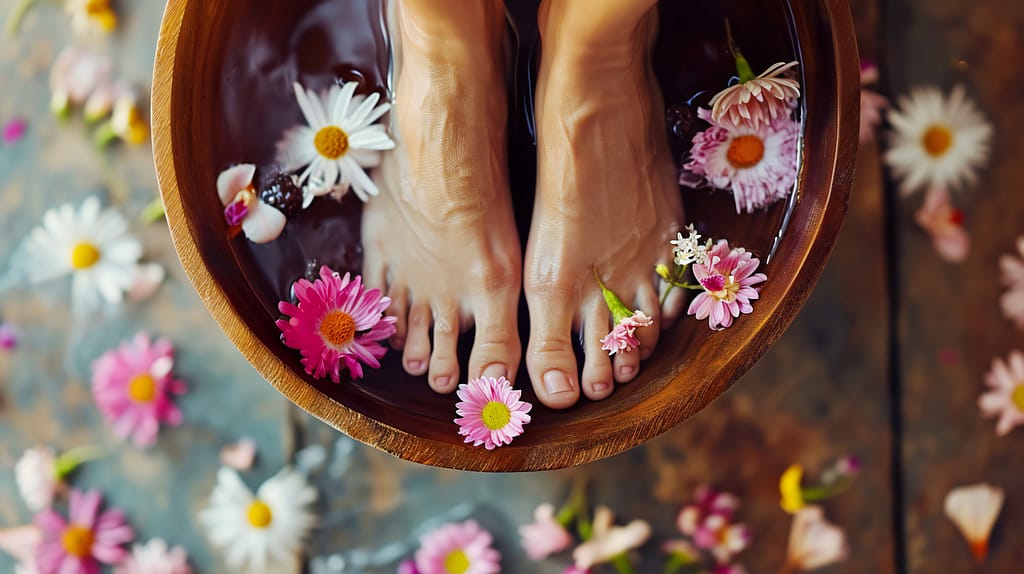
I have always promoted self-care and self-love. I’ve found solace and rejuvenation through the simple act of a DIY foot soak at home. The benefits of foot soaks extend beyond mere relaxation— they offer a holistic approach to well-being that nurtures both body and mind.
Each dip in warm, infused water soothes muscles and detoxifies, promoting inner tranquility and relaxation. Exploring the science and art of foot soaks, I am eager to share that I have discovered the transformative power of how such a simple act can profoundly affect the whole being.
Soothing Soles: The Therapeutic Benefits of Foot Soaks
Have you ever wondered about the relaxation magic a simple foot soak can perform? Not only do these blissful baths hold the key to unwinding after a long day, but they also boast benefits that stretch far beyond simple comfort. Foot soaks have been treasured throughout history, from ancient texts touching on therapeutic baths to modern wellness rituals emphasizing self-care.
Submerging your feet in a basin of warm, infused water isn’t just a treat for your toes but a time-honored tradition that may offer soothing relaxation and potential detoxification effects. It’s not just about pampering—there’s science to this serene practice, too.
Key Takeaways
- Holistic Relaxation unwinds tight muscles, improves circulation, and alleviates mental strain, leading to inner tranquility and physical ease.
- Detoxification Benefits by opening up pores, promoting sweating, and aiding in removing toxins. Ingredients like Epsom salts and essential oils enhance these detoxification effects.
- DIY Customization: With simple kitchen or bathroom cabinet ingredients, you can customize foot-soaked recipes to suit your needs and preferences.
Unwinding With a Warm Foot Soak: The Ultimate Relaxation
Imagine coming home after a long day; your feet are throbbing, and your mind is cluttered with the day’s events. Now imagine slipping those weary feet into a warm water basin; instantly, the heat begins to work its magic, unwinding the tight muscles with a soothing embrace. That is the allure of a foot soak for relaxation. It’s not just about giving your feet a break – it’s a holistic ritual that pampers the soul as much as the soles.
Benefits of Warm Water
Warm water is a simple yet effective tension melter. It increases blood circulation, easing the aches and pains that accumulate in the feet, which support our weight all day long. This improved circulation doesn’t just soothe soreness but also promotes faster recovery of fatigued muscles. Besides, warmth is universally recognized as a calming agent; curling up with a hot cup of tea isn’t so different from soaking your feet – both offer a sense of comfort and peace.
Use of Essential Oils

But the experience doesn’t have to stop with water alone. By adding elements like essential oils, the relaxation can ascend to new heights. Lavender oil, for example, is widely beloved for its stress-reducing power. As your feet rest in warm water, the aroma of essential oils can alleviate mental strain, and before you know it, stress and worries start to dissolve, carried away by the gentle waves cradling your feet.
So, when you decide to indulge in this tranquil practice, remember that you’re engaging in a time-honored technique to calm the mind and heal the body. A warm foot soak is not merely a bucket of water; it’s a vessel that carries away the weight of your day, setting you on a course toward inner tranquility and physical ease, readying you for the next section where we explore how this simple act also supports your body’s natural detoxification processes.
Detoxification through Your Toes: The Science Behind It
Video Credit: @HolisticPractice
Now, it might sound a bit like a wellness fad, but hear me out. There’s more to foot soaks than just pampering. When it comes to detoxification, your feet aren’t just the endpoint for your body’s waste products; they can be active players in your body’s detox pathways.
The skin is your body’s largest organ, and it plays a significant role in detoxification. A foot soak can open up pores and promote sweating, which in turn can help release toxins from your body. Circulation is key here. As you soak your feet in warm water, your blood vessels dilate, and circulation improves. This aids in the removal of waste substances.
Some foot soaks include ingredients like Epsom salts, which contain magnesium, a mineral that supports detoxification processes. Magnesium can help regulate over 300 enzymes responsible for various body functions, including muscle and nerve function and the elimination of harmful substances.
And remember, detoxification is vital not just for clear skin or weight management – it’s crucial for overall health. A proper detox regime helps your body rid itself of heavy metals, pollutants, and other toxins that can compromise your well-being.
In the next section, I’m going to share with you some DIY foot-soak recipes that you can easily whip up with items already in your pantry. These recipes are not only going to help with relaxation but also put you on a path to a more wholesome detox experience.
DIY Foot Soak Recipes for At-Home Pampering
I’m going to give you some easy-to-make foot soak recipes using items you probably already have in your kitchen or bathroom cabinet. It’s super convenient and customizable.
- Now, let’s whip up an essential detox soak. Combine warm water with Epsom salt, which is great for reducing inflammation, and a bit of apple cider vinegar, known for its detoxifying properties. Stir it well and let your feet bask in this simple yet effective concoction.
- If you want to target relaxation, try mixing in a few drops of lavender or chamomile essential oil. Their soothing scents are phenomenal for calming the mind as your feet soak.
- For those looking to add a touch of luxury, blend in some baking soda, which softens the water and skin, and finish with a sprinkle of your favorite herbs like rosemary or peppermint.
Video Credit: @DrKimHolisticFootDoc
Fun Fact
Epsom salt is not actually salt but rather a naturally occurring mineral compound of magnesium and sulfate.
Remember, the key to a great foot soak is the balance of ingredients. Start with the basics and then add or reduce according to your needs. Always test for allergies or sensitivities before soaking your feet. Don’t worry too much about perfect proportions—choose something that resonates with your needs and preferences, and trust your senses. And as a friendly reminder, after your foot soaks, it’s time for a bit of aftercare. Pat your feet dry gently and follow up with a moisturizer to lock in softness. This step ensures you maintain the benefits of your foot soaking longer.
Maximizing the Benefits: Best Practices for Foot Soaks
So you’ve got the hang of making your own foot soaks, and you’re loving the experience. But if you’re looking to really capitalize on all those delightful benefits, there are some best practices you’ll want to implement.
Frequency
While a daily soak might sound heavenly, two to three times a week is typically sufficient for most people to see and feel the results. This way, you’re giving your body the chance to enjoy the relaxation and detoxification benefits without overdoing it.
As for how long you should soak those toes, aim for about 15 to 20 minutes. I find that this is the sweet spot to let the warmth and the added ingredients do their magic without pruning up too much. It’s enough time to unwind and let stress fizz away without requiring a big chunk out of your day.
Foot Massage and Scrubs
But don’t just stop at soaking; there’s more you can do to bolster the soothing and purifying effects. Think about coupling your foot soak with gentle foot massages or with a scrub to exfoliate and smooth out rough spots. A completive approach to foot care could involve a full pedicure once in a while, if that’s your thing.
Drying
Once you’re done, pat your feet dry with a soft towel – be kind to your skin, and no vigorous rubbing is needed. Now’s the time to lock in moisture, so choose a good quality lotion or foot cream and give yourself a mini-massage as you apply it. This not only feels fantastic but also helps prevent your skin from drying out after your soak.
Video Credit: @howcast
Revitalize Your Routine: Embrace the Benefits of DIY Foot Soaks
Consistency with your foot soak ritual, sensible timing, a dedicated aftercare regimen, and an occasional indulgent pedicure can turn what is a simple foot soak into a cornerstone of your self-care practice. Your first attempt doesn’t need to be your last, so feel free to adjust your approach down the road. Just don’t focus too much on perfection; it’s all about what feels right and works best for you. Enjoy your foot soak journey – it’s one small step towards a happier and healthier you. Treat yourself to a moment of tranquility with a DIY foot soak today!
Frequently Asked Questions
Explore common inquiries and expert answers regarding the rejuvenating practice of foot soaks. These FAQs offer valuable insights to enhance your foot soak experience.
1. How often should I indulge in foot soaks for optimal benefits?
Two to three times a week is typically sufficient to reap the relaxation and detoxification benefits without overdoing it. This frequency allows your body to enjoy the benefits without becoming dependent on the routine.
2. Can I customize my foot soak recipes based on my preferences and needs?
DIY foot soak recipes may be customized according to preference and availability. You can adjust ingredients such as essential oils, Epsom salts, and herbs to cater to your specific relaxation or detoxification goals. Experiment with different combinations to find what works best for you.
3. Should I take any precautions before indulging in foot soaks?
Always test for allergies or sensitivities to any ingredients you plan to use in your foot soak, especially if you use essential oils or unfamiliar substances. You must also check that the water temperature is comfortable enough and not too hot to avoid skin irritation.
4. Can foot soaks help with sore muscles or swollen feet?
Foot soaks can be beneficial for alleviating sore muscles and reducing swelling in the feet. Warm water helps improve circulation, eases muscle tension, and promotes faster recovery. Additionally, certain ingredients like Epsom salts have anti-inflammatory properties that can further aid in relieving discomfort.
Read More