Tips For Practicing Self-Care For Your Feet

Tips For Practicing Self-Care For Your Feet

Self-care for your feet encompasses more than basic hygiene; it’s about understanding their unique needs and giving them the love they deserve.


Throughout the years, I’ve cultivated a deep appreciation for the importance of caring for my feet. Whether it’s through adopting simple daily habits or recognizing the vital role our feet play in our lives, I’ve learned firsthand the significance of prioritizing foot health.


Embarking on this journey towards foot wellness is not just about pampering our feet; it’s about understanding the profound benefits it brings to our overall well-being. By nurturing our feet, we’re not only preventing discomfort and potential issues, but we’re also enhancing our mobility, posture, and even our mental health.


Let’s embark on this journey towards foot wellness together. With these tips, we can ensure that our feet remain happy and healthy, always ready to support us through the adventures life presents.

Self-Care for Your Feet: Essential Tips for Happy, Healthy Steps


Self-Care for Your Feet


I appreciate every part of the human body, but our feet often don’t get the acknowledgment they deserve. Many might not realize it, but our feet are engineering marvels, carrying us through life’s daily marathon. They’re our foundation, and their health is critical to our well-being.

Unfortunately, foot care can quickly be relegated to an afterthought until discomfort or pain arises. Yet, like any other part of our body, our feet are prone to various issues. From blisters to bunions and fungal infections to flat feet, the problems can be as numerous as they are diverse.

This article offers self-care for your feet tips for keeping your feet healthy and happy. By adhering to a few simple practices, you can support your feet in the way they support you every day.

Focus Points:


  1. Foot Health Priority: The article emphasizes the importance of prioritizing foot health to prevent discomfort and health issues.

  2. Daily Care Essentials: Simple daily rituals like hygiene, moisturizing, nail care, and proper footwear selection are crucial for healthy feet.

  3. Professional Assistance: Recognizing when professional care is needed, such as podiatry intervention for persistent issues or abnormalities, ensures comprehensive foot health management.

Understanding Your Feet’s Needs


Self-Care for Your Feet


Your feet are complex structures. They’re composed of bones, joints, muscles, and tendons that work in unison to support the weight of your entire body. Neglecting them can lead to discomfort and health complications that might affect your daily life.

Recognizing Signs of Unhealthy Feet

It’s essential to know how to spot the signs of unhealthy feet. Are they often sore or swollen, or do you see areas of redness and blistering? Such symptoms might indicate that your feet are under more stress than they should be. Similarly, persistent foot odor can suggest a need for better hygiene or breathable footwear.

Understanding Foot Types

It would be best to understand your foot type; not all feet are created equal. Some may have high arches needing different support than those with flat feet. Identifying your foot type is not just about comfort; it’s about avoiding potential injury, too.

Incorporating Daily Foot Care Rituals

Now, how do we translate this knowledge into daily care? Read on, and I’ll guide you through everyday rituals that are easy to integrate into your routine and beneficial for your feet’s health.

Daily Foot Care Rituals to Adopt


Many individuals incorporate foot care into their daily routine. It’s a bit like brushing your teeth; you wouldn’t skip that, right? So here’s how I maintain my foot hygiene—it’s simple and makes a difference.

Cleanliness is Key.


I wash my feet thoroughly with soap and water daily, focusing on the areas between the toes where bacteria love to hide. After washing, I always pat them dry, especially between the toes, to prevent fungal infections from taking hold.

Self-Care for Your Feet

Moisturize, Moisturize, Moisturize.


Like any other skin area, the feet need hydration to avoid dryness and cracking. After my shower, I apply good-quality foot cream or lotion when my skin can best absorb the moisture. But I avoid putting lotion between my toes; that area must stay dry.

Nail care is also crucial. I trim my toenails straight across to prevent ingrown toenails, and I never cut too close to the skin. If I notice hardness underfoot or around the edges, a pumice stone in the shower works wonders – but I’m gentle to avoid damaging the skin. Remember, if you have diabetes or poor circulation, professional foot care is essential.

Those easy steps promote foot health. But the magic happens when I pair these rituals with the perfect shoes, which I’ll discuss next.

Protecting Your Feet With the Right Footwear


What you put on your feet matters as much as the care you give them. Footwear isn’t merely a fashion statement; it’s foundational to maintaining healthy feet. I’ll walk you through some important considerations when choosing shoes, ensuring your choices support rather than detract from foot health.

It’s tempting to select shoes based solely on visual appeal or trends. However, prioritizing comfort and fitness is imperative for foot health. Shoes that are too tight can lead to bunions and hammer toes, while those that are too loose may cause blisters and stability issues. Measuring your feet regularly is recommended, as foot size can change over time, and opt for shoes with ample toe room and a comfortable fit.

Video Credit: @theDapperVault

Another overlooked aspect is the importance of the correct footwear for different activities. Sports-specific shoes can provide the support and cushioning required by your feet during various forms of exercise. For example, running shoes are designed to absorb impact, while hiking boots offer ankle support.

For some, the addition of orthotic supports is a game-changer. These can be custom-made or store-bought to correct foot posture and redistribute pressure. If you experience regular foot pain, consider seeing a specialist who can recommend the correct type of orthotic for you.

Remember, the right shoes can protect you from injury and discomfort, laying a solid foundation for overall foot health. Next, I’ll explain how exercises to increase foot strength and flexibility can seamlessly integrate into your self-care regimen.

Foot Exercises for Strength and Flexibility


Exercises targeting the feet may not be the focus of your current workout routine, but they’re essential for maintaining mobility and preventing pain. Like any other body part, feet need strength and flexibility to function well. Here are some exercises designed to keep your feet in top condition.

Flexibility is important for foot health. One way to enhance this is by performing stretches regularly. For example, you can try pointing and flexing your toes or doing ankle circles. These simple movements can increase the range of motion and reduce the risk of injury.

In addition to flexibility, strength is paramount for the feet. Your foot’s arches are your natural shock absorbers; therefore, exercises that build arch strength can help prevent common issues like plantar fasciitis. Towel scrunches and heel raises are effective ways to build muscle strength.

Video Credit: @ImpactCareTherapy

Consistency is key when integrating foot exercises into your lifestyle. Just as with other self-care for your feet practices, making them a part of your daily routine ensures the best outcomes. Aim for a few minutes each day, maybe before a morning shower or while waiting for your evening tea to steep.

Now that you’ve grasped the essentials of foot exercises, let’s transition to the importance of recognizing when professional care is needed. While self-care practices are vital, certain situations require the expertise of a healthcare provider to address underlying foot issues adequately.

Prioritizing Foot Care for Lifelong Mobility


I’ve shared with you how to care for your feet through simple daily practices and the importance of wearing proper footwear. You’ve also learned exercises to strengthen and improve your feet’ flexibility. It’s crucial to recognize when professional care is necessary.

Don’t take your feet for granted. If you experience persistent pain, skin issues, or abnormalities in the structure of your feet, it’s not just about discomfort; these could be signals of underlying health conditions. Podiatrists are trained to diagnose and treat a wide array of foot-related issues, and they can offer tailored solutions that over-the-counter products cannot.

Remember, paying attention to your foot health is not an occasional indulgence but a necessary aspect of self-care. It deserves the same attention you give to the rest of your body. By following these tips and staying vigilant about potential problems, you can ensure that your feet remain strong and healthy, carrying you forward with confidence into whatever adventures life has in store.

Take that next step towards better foot care today—it’s a stride in the right direction for your overall health.

Self-Care for Your Feet

Prioritizing Self-Care For Your Feet Today

Let us start by acknowledging its significance and ensuring that our feet receive the attention they deserve. By adopting simple daily rituals, selecting proper footwear, and incorporating exercises, you can support your feet’s health and mobility. Remember, your feet carry you through life’s journey—take the next step towards better foot care today. Your feet will thank you, and you’ll strive confidently into whatever adventures lie ahead.

Thank you for reading what we have here about giving importance to self-care for your feet. If you have experience you would like to share with us, please don’t hesitate to leave us a message in the comments section below. Also, if you wish to read more articles about feet relief, check out our blog. For now, I wish you a pleasant day, and may your feet always be well.
Frequently Asked Questions

Why is foot care important?
Foot care is crucial because our feet support the weight of our entire body and are prone to various issues if neglected. Proper foot care prevents discomfort, maintains mobility, and contributes to overall well-being.
What are some daily foot care practices I should follow?
Daily foot care practices include washing feet thoroughly with soap and water, moisturizing to prevent dryness and cracking, trimming toenails straight across to avoid ingrown nails, and selecting properly fitting footwear to support foot health.
When should I seek professional help for foot issues?
It’s important to seek professional help if you experience persistent foot pain, skin issues, or abnormalities in foot structure. A podiatrist can diagnose and treat a wide range of foot-related problems and provide tailored solutions for optimal foot health.
Treating Bunions: Your Essential Guide

Treating Bunions: Your Essential Guide

Treating bunions early on has always been a priority for me. Having endured the discomfort of walking many miles wearing pointed shoes, I understand the importance in finding relief as soon as possible. Through my experiences, I have gained valuable insights and discovered effective strategies that have made a significant improvement.


Come with me as we explore the causes, prevention, and treatment of bunions. Together, let’s take proactive steps towards redeeming comfort and enjoyment during those long walks.

Treating Bunions: Effective Management and Relief Strategies


Treating Bunions


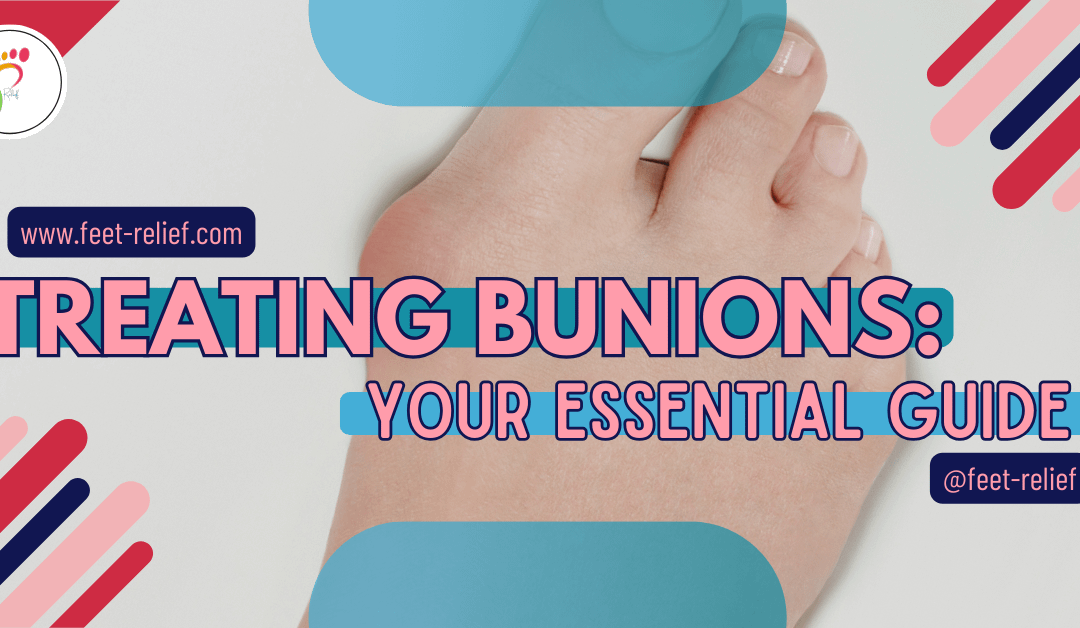
Bunions, those bony bumps that form at the base of the big toe, are a common foot deformity with various treatment options. Understanding the causes and mechanics of bunions is the first step in addressing discomfort. They develop from the big toe pushing against the next toe, throwing the joints out of alignment. While bunions may have a hereditary component, wearing tight or narrow shoes can exacerbate the problem, leading to pain and the need for treatment.


Non-surgical treatments are typically the first approach to managing bunion pain and include lifestyle modifications, such as choosing the right footwear. Shoes should have a wide toe box and provide adequate support to alleviate pressure on the bunion. In addition, bunion pads, splints, and custom orthotics can also provide relief and prevent worsening of the deformity. If these measures do not sufficiently control the pain, anti-inflammatory medications may be recommended. Although these methods won’t cure bunions, they can significantly reduce symptoms.


Surgical intervention is considered when bunion pain continues to interfere with daily activities and the quality of life is compromised. A variety of surgical options exist, each tailored to the bunion’s severity and the patient’s needs. It’s essential to consult with a healthcare professional when pain persists, as they can guide you through treatment choices, including surgery, if necessary. Preventative measures post-treatment are crucial and include maintaining proper footwear to prevent recurrence.

Key Takeaways


  • Bunions are often treated with lifestyle adjustments, like wearing wide, supportive shoes.
  • Non-surgical methods include orthotics and anti-inflammatory medications to relieve symptoms.
  • Surgery is an option for persistent pain or severe bunions, complemented by preventative care post-treatment.

Understanding Bunions

Video Credit: @ClickOnDetroitLocal4WDIV


Bunions are a common foot condition that can cause discomfort and affect your daily activities. Proper knowledge about their nature and early detection is crucial to managing their impact on your life.


Definition and Causes


A bunion, medically known as hallux valgus, is a bony bump that forms on the joint at the base of your big toe. It develops when the bones in the front part of your foot move out of place, which compels your big toe to lean toward the smaller ones, leading to the characteristic bump on the joint. The exact causes of bunions are varied, but they may include genetic predispositions, certain foot stresses, and footwear that doesn’t fit properly, often exacerbating the condition. Conditions such as arthritis can also play a role in the development of bunions.


Treating Bunions


Symptoms and Diagnosis


The most obvious symptom of a bunion is the visible bump on the side of your foot. However, you may also experience pain and soreness, inflammation and redness, a burning sensation, or possibly numbness. Bunions can lead to additional complications like bursitis or the development of hammertoe. Diagnosing a bunion typically involves a physical examination by a healthcare professional. They may also request imaging tests, such as an X-ray, to determine the degree of the deformity. Your doctor can assess how the bunion affects your foot’s alignment and discuss appropriate treatment options with you.

Non-Surgical Treatments

Video Credit: @DrAndrewSchneider


When you’re facing bunion issues, opting for non-surgical treatments can alleviate discomfort and improve your foot health. Let’s explore the most effective non-invasive options.

Proper Footwear


Selecting the right shoes is crucial in managing bunion pain. Your shoes should have a wide toe box to reduce pressure on the bunion and a comfortable fit to prevent worsening of the bunion deformity. Cleveland Clinic suggests that protecting the bunion with pads can also provide relief.

Orthotics


Orthotic devices, both over-the-counter and custom-made, can help realign your foot to take pressure off the bunion. They can also improve arch support and contribute to the stabilization of your foot. For more information on how orthotics can help with bunions, consider the details provided by Healthline.

Pain Management


Nonsteroidal anti-inflammatory drugs (NSAIDs) can be effective in reducing both pain and swelling. Alternating between applying heat and ice can also offer pain relief. HealthPartners outlines tips for managing bunion pain which include these home-based treatments.

Physical Therapy


Physical therapy exercises can enhance the flexibility of your toe and foot muscles. So, strengthening exercises and stretches specifically tailored for bunions can help maintain joint mobility and ease discomfort.

Lifestyle and Home Remedies


Video Credit: @dr.fredericksoriginal8521


Managing bunions involves steps you can take at home to alleviate pain and prevent the condition from worsening. Focusing on proper foot care and incorporating simple remedies can bring relief and protect your feet.


Exercises


Toe Stretches: Flex your toes and then curl them for a 5-second hold, repeating this 10 times. Toe Flexing and Contracting: Press your toes against a hard surface such as a wall, stretching them back, and hold for a few seconds. Perform exercises like these regularly to maintain joint mobility and relieve the pressure on your bunion.


Protective Pads


Using non-medicated bunion pads can shield the bunion from excessive rubbing against your shoes. Opt for gel or moleskin pads, making sure they fit comfortably within your footwear and do not cause additional pressure on the toe joint.


Icing and Elevation


For swelling, apply an ice pack wrapped in a cloth to your bunion for about 15-20 minutes to reduce inflammation. When sitting or laying down, elevate your foot above heart level to decrease swelling. These measures are especially helpful following activities that exert pressure on your feet.

Surgical Options

Video Credit: @Footankle


When conservative treatments for bunions, such as padding, splinting, or medication, are ineffective, surgical intervention may be considered. Your specific condition will determine the type of surgery needed, as well as the preparation and recovery process involved.

Types of Bunion Surgeries


There are several surgical procedures that can correct a bunion. The surgery performed often depends on the severity of the bunion and might include:

  • Osteotomy: This procedure involves cutting and realigning the bone to correct the deformity.
  • Exostectomy: This surgery includes shaving off the enlarged portion of the bunion, but is usually combined with an osteotomy.
  • Arthrodesis: Replacement of the damaged joint with screws or metal plates to correct severe cases.


For more detailed information, Johns Hopkins Medicine provides a helpful overview of bunion surgery and the different techniques that may be used.


Preparation and Recovery


Preparing for bunion surgery typically requires:

    • Preoperative tests: To ensure you are fit for surgery.
    • Fasting: Following instructions on when to stop eating and drinking before the procedure.


Post-surgery, recovery protocols may include:

  • Rest: Keeping weight off the foot is crucial.
  • Ice, compression, and elevation: This can help manage swelling and pain.
  • Physical therapy: Exercises can aid in recovery to regain strength and mobility.


The Cleveland Clinic offers additional details on what to expect during the recovery from bunion surgery.

Risks and Considerations


Every surgical procedure carries potential risks, and bunion surgery is no different. Consider these risks:

  • Infection: Always a possibility with surgery.
  • Nerve damage: May result in numbness or tingling in the toe.
  • Recurrence of the bunion: If post-surgery instructions are not followed.


It is important to discuss these risks fully with your healthcare provider. The Mayo Clinic addresses the necessity of surgery and associated risks, emphasizing the importance of surgery only when a bunion causes frequent pain or interferes with daily activities, which you can find resources on at diagnosis and treatment.

When to See a Doctor

Video Credit: @southfloridaorthopaedicsan8090


If you’re experiencing discomfort or pain in your foot potentially due to a bunion, certain signs indicate it’s time to consult a healthcare provider. Here’s when seeking medical advice is recommended:

  • Persistent Pain: If you have continuous or severe pain that doesn’t improve with rest, ice, or over-the-counter pain relievers.
  • Visible Deformity: When you notice a bony bump forming at the base of your big toe or if your big toe starts angling toward your other toes.
  • Limited Toe Movement: Difficulty or inability to move your big toe, which can affect both your balance and walking.
  • Symptoms Affect Daily Activities: If the bunion causes you significant pain or interferes with your daily activities, like walking or fitting into shoes.


Treatment Options: Initial treatments for bunions can often include changes in footwear, padding, or orthotics. In some cases, when these methods are inadequate and your quality of life is compromised, bunion surgery may be necessary. Surgery is aimed at relieving pain and correcting the deformed toe joint.


Regular self-assessment and timely medical consultation can prevent bunions from worsening. Addressing foot pain early with a doctor can lead to a better outcome and may prevent the need for invasive procedures.

Prevention and Long-Term Care


When addressing bunion prevention and long-term care, taking proactive steps can significantly enhance your foot health.

Proper Footwear

  • Wear shoes with a wide toe box to prevent crowding of your toes.
  • Look for shoes that provide good arch support and a low heel.
  • Avoid tight, narrow, or high-heeled shoes that can exacerbate bunions.


Treating Bunions


Foot Exercises

  • Perform strengthening exercises to maintain toe flexibility, such as toe stretches, toe flexes, and resistance exercises.
  • Engage in balance training and foot exercises to enhance the stability of your feet.


Protective Pads

  • Utilize gel-filled or moleskin pads to protect the bunion area from additional pressure.
  • Over-the-counter arch supports or orthotics can help distribute pressure more evenly.


Medication and Self-Care

  • For bunion pain, consider OTC pain relievers like ibuprofen or acetaminophen.
  • Apply ice packs to reduce swelling and alleviate discomfort.


Regular Check-Ups

  • Schedule regular appointments with a podiatrist to monitor bunion progression.
  • In case of increased pain or deformation, a podiatrist can suggest appropriate interventions.

By integrating these strategies into your daily routine, you can help manage your bunion symptoms and potentially prevent further progression. If discomfort persists or worsens, consult a healthcare professional for personalized advice and treatment options.

Taking Control of Your Bunion Journey


Treating bunions and embracing preventative care are essential steps in proactive foot health management. By understanding the nature of bunions, including their causes and available treatment options, we empower ourselves to seek relief and enhance our quality of life.

Take control of your bunion journey today. Consult with a healthcare professional for personalized guidance and support tailored to your needs. Here’s to walking comfortably and confidently every step of the way.

Frequently Asked Questions

Video Credit: @barefootstrength


When dealing with bunions, common concerns range from natural remedies for size reduction to self-care for easing discomfort. Explore the strategies below to manage and treat your bunions effectively.

What are the best natural remedies for reducing bunion size?

Applying ice and maintaining a healthy weight can help manage the size and discomfort of bunions. Padding and wearing roomy, comfortable shoes that provide ample toe space are also beneficial.

What self-care strategies can alleviate bunion discomfort?

Adopting self-care strategies such as using bunion pads or custom orthotics can provide relief, while over-the-counter pain relievers like ibuprofen may reduce inflammation and pain.

How can one ease bunion pain while engaging in walking activities?

Supportive footwear and cushioned socks can minimize bunion pain during walking. Consider shortening your stride to reduce pressure on the affected area.

What are effective nighttime treatments for throbbing bunion pain?

For throbbing pain at night, a warm foot soak followed by gentle stretches or massage may provide relief. Night splints designed for bunions can also help to alleviate discomfort.

Can lifestyle changes impact the formation or progression of bunions?

Yes, embracing lifestyle changes like choosing appropriate footwear and maintaining a normal body weight can slow the progression of bunions and even prevent them from forming.

Are there any at-home methods effective for removing bunions?

Bunions are permanent unless surgically corrected, but at-home treatment options can ease discomfort and prevent worsening. These include toe spacers, bunion pads, and exercises to maintain joint mobility.

Daily Foot Care Checklist

Daily Foot Care Checklist

Daily foot care is a vital part of overall wellness that often gets overlooked. Your feet have been there for you every step of the way, supporting you through life’s journeys and keeping you grounded. I’ve always valued my feet for this reason, and this appreciation is demonstrated through prioritizing their health.

Understanding the complexity of foot anatomy reveals that foot care goes beyond simple washing and drying. It involves choosing the right shoes and incorporating simple foot exercises for strength and flexibility. This comprehensive daily foot care checklist is designed to help you take a practical approach to maintaining optimal foot health and confidently put your best foot forward every day.

Daily Foot Care Checklist: Your Guide to Healthy Feet Everyday


Daily Foot Care


Daily foot care is essential for maintaining overall foot health, particularly for individuals with certain health conditions, like diabetes, which can increase the risk of foot issues. Beginning with an understanding of your feet’s anatomy helps you appreciate why such regular attention is crucial. Your feet are complex structures with a network of bones, muscles, and tendons, and they deserve as much care as the rest of your body.


Proper daily foot hygiene can prevent common foot problems, including infections, bad odors, and skin issues like calluses and corns. Additionally, ensuring that your footwear fits correctly and provides adequate support is just as important as external cleanliness. Wearing the right shoes can reduce the risk of blisters, strains, and other injuries. Monitoring for changes or problems in your feet can help catch potential issues early when they’re easiest to treat, and simple exercises can strengthen your feet and improve balance, reducing the risk of falls.

In the event that a foot problem arises, knowing when to seek professional foot health services can make all the difference. By following a daily checklist, you can ensure your feet remain healthy and functional, enabling you to continue your daily activities comfortably and without interruption.

Key Takeaways


  • Daily foot care is crucial for maintaining good health and preventing complications.
  • Choosing and maintaining proper footwear is essential for foot comfort and injury prevention.
  • Regular monitoring and early professional consultation are key to addressing foot problems effectively.

Understanding Foot Anatomy and Health


The human foot consists of bones, joints, ligaments, muscles, tendons, and arches, all working together to support weight, mobility, gait, and balance. Understanding foot anatomy helps appreciate the importance of foot care and preventing injuries.

Bones: Each foot contains 26 bones, accounting for one-quarter of the bones in your human body.

Joints and Ligaments: These bones are connected by joints and more than 100 ligaments, allowing for the extensive range of motion necessary for activities like walking and running.

Muscles and Tendons: Your feet also have more than 20 muscles, with tendons such as the Achilles tendon at the back of your heel playing vital roles in movement.

Arches: The foot arches, including the medial longitudinal, lateral longitudinal, and transverse arch, are the foot’s main supporting structures. They absorb shock and help distribute weight across your feet.

Here’s a simple checklist for you to assess foot health and prevent issues:

  • Check for pain, swelling, or redness
  • Look for changes in the toenails or skin
  • Monitor for any signs of numbness or decreased sensation

Remember, persistent foot problems warrant a professional consultation with a podiatrist. Regular monitoring of your foot health helps in preventing common foot problems and contributes to your overall well-being.

Daily Foot Hygiene


Proper foot hygiene is critical for preventing infections and keeping feet comfortable. This routine includes crucial steps such as thorough cleaning and protective measures.

Washing and Drying


  • Washing: You should wash your feet daily with mild soap, ensuring you clean between the toes. This step helps to remove sweat, bacteria, and dead skin cells that could contribute to fungal infections or unpleasant odors. For more detailed information on washing techniques, visit How to Practice Good Foot Hygiene.
  • Drying: After washing, thoroughly dry your feet, especially between the toes. Excess moisture in these areas can promote the growth of fungi and bacteria. Towel drying should be performed with care to prevent abrasions or irritation.

Moisturizing and Protection


  • Moisturizing: Apply a suitable foot moisturizer daily to prevent dryness, which can lead to cracks and other skin problems. Pay particular attention to the heels and avoid putting lotion between your toes, as this can cause excessive moisture build-up.
  • Protection: Always wear clean socks, preferably those with moisture-wicking properties, and avoid sharing footwear to minimize the risk of infections. Rotate your shoes regularly to prevent overuse and give them time to air out. For considerations on proper footwear, check the guidelines at Footwear and Foot Hygiene.

Video Credit: @howcast

Proper Footwear Selection

Video Credit: @podiatryprofessionals7415


Selecting the right shoes is essential for maintaining foot health and comfort. Here, you’ll learn how to choose footwear that matches your size, suits your material preferences, and provides adequate support and cushioning.

Choosing the Right Size


  • Measure Your Feet: Your foot size can change over time, so measure your feet regularly.
  • Check for Space: Ensure there’s about a thumb’s width of space between your longest toe and the end of the shoe.

Material Considerations


  • Breathable Fabrics: Opt for materials like leather or canvas to reduce moisture buildup.
  • Durability: Shoes made from sturdy materials will hold their shape and offer better support.


Daily Foot Care

Support and Cushioning


  • Arch Support: Good arch support is tied to fewer foot problems.
  • Cushioning: Proper cushioning absorbs impact and reduces pressure on your feet.

Footwear Hygiene


Maintaining footwear hygiene helps prevent odors and fungal growth and extends shoes’ lifespan. Proper care includes regular cleaning, thorough drying, and appropriate storage.

Regular Cleaning


Materials: You’ll need a soft brush, mild soap, and a damp cloth.

Method: For daily care, remove dirt and debris with the brush. For a more thorough clean, create a solution with mild soap and water, and gently scrub the exterior of your shoes. Wipe clean with a damp cloth.

Drying Shoes Properly


After washing or wearing in wet conditions, drying your shoes is crucial to prevent mold and odors.

Tips: Remove insoles and laces, and let them air dry separately. Avoid direct heat or sunlight, which can damage your shoes. For quicker drying, stuff it with newspaper, which absorbs moisture effectively.

Shoe Rotation and Storage


Rotate your shoes regularly to allow them to air out, which can minimize bacterial growth.

Storage tips: Keep shoes in a well-ventilated area away from direct sunlight. If space allows, use a shoe rack to prevent deformation and maintain ventilation.

Nail Care


Proper nail care is essential in daily foot hygiene to prevent infections and maintain the health of your toenails. Regular trimming and monitoring are key practices for healthy nails.

Trimming Techniques


When trimming your toenails, always use clean, sharp nail clippers. Trim straight across and avoid cutting the nails too short, as this can lead to ingrown toenails. If your nails are thick or hard to cut, soften them by soaking your feet in warm water beforehand.


  • Steps for Trimming Toenails:
    1. Clean your tools: Disinfect nail clippers with rubbing alcohol.
    2. Soak your feet: This softens the nails, making them easier to trim.
    3. Clip straight across: Cut nails parallel to the tip of your toes.
    4. Smooth the edges: Use an emery board to gently file any sharp corners or rough edges.

Video Credit: @JAWSPODIATRY

Nail Health Monitoring


Regularly inspect your toenails for signs of fungal infections or other issues such as discoloration or changes in nail shape. Early detection can prevent complications and the need for more aggressive treatments. If you have diabetes or poor circulation, it’s particularly important to monitor your toenail health carefully and seek professional medical advice if you notice any abnormalities.


  • Signs to Watch For:
    • Changes in nail color or texture
    • Unusual nail growth patterns
    • Pain or swelling in the nail area
    • Signs of infection such as redness or pus


Remember, proper nail care forms a critical component of overall foot health.

Monitoring for Foot Problems

Vide Credit: @MayoClinic


Taking care of your feet is crucial, especially if you have conditions such as diabetes that increase the risk of foot complications. Regular checks are essential to catch issues early.

Checking for Cuts or Bruises


Inspect your feet daily for any cuts, bruises, or abrasions. Use a mirror or ask for help if you cannot see all parts of your feet. Even minor injuries can escalate quickly if unnoticed.


Daily Foot Care

Recognizing Signs of Infections


Be vigilant for signs of infection like redness, swelling, or warmth. Other indicators include persistent pain or pus. These symptoms may require immediate medical attention.

Awareness of Skin Changes


Regularly monitor for any skin changes such as dryness, peeling, or cracking. These could lead to complications and require consistent moisturization and care.

Activities and Exercises


Proper foot activities and exercises are crucial for maintaining strength and flexibility. They can also help prevent injuries and improve balance and support.

 Video Credit: @HT-Physio

Stretching Routines


Toes and Ankles:


  • Sit with your legs extended and loop a towel around your toes. Gently pull back until you feel a stretch in your arch and calf. Hold for 15-30 seconds and repeat three times on each foot.
  • Practice ankle rotations by extending your leg, rotating your foot clockwise, and then counterclockwise. Perform ten rotations in each direction per foot.

Strengthening Exercises


Toe Grips:


  • Place a small towel on the floor. Use your toes to grip and lift it off the ground. Aim for three sets of 10 grips with each foot.


Heel Raises:


  • Stand with your feet hip-width apart. Slowly raise your heels until you are standing on your toes, then lower back down. Perform two sets of 15 raises.

Professional Foot Health Services

Video Credit: @StonebridgeUKCollege


When promoting optimal foot health, professional services play a critical role in both preventative care and the treatment of existing conditions. They help address issues related to injuries as well as foot complications from diabetes.

Regular Check-Ups


Frequency Matters: Just as you schedule regular dental or eye appointments, setting routine visits with a podiatrist is crucial. Podiatrists or Podiatric physicians are doctors who treat foot and lower leg problems. Aim for an annual check-up unless advised otherwise based on your specific health needs. During these visits, your feet will be examined for any signs of issues such as fungal infections, structural anomalies, or circulation problems. Regular professional assessments aid in maintaining healthy feet.

Specialist Treatments When Necessary


Seeking Expertise: Should you face any foot-related issues, it’s important to consult a specialist. Treatments could range from simple in-office procedures for nail care to more complex interventions for conditions like bunions or heel pain. Acting promptly when issues arise can be the difference between a quick fix and a long-term condition. Remember, specialized care can prevent further complications and aid in a faster recovery.


Daily Foot Care

Daily Foot Care: Stepping Towards Overall Foot Health


Daily foot care is a commitment to your overall well-being and happiness. You can prevent discomfort and avoid potential issues by following simple yet effective practices in your daily life, such as proper hygiene, appropriate footwear selection, and regular monitoring of your nails.

Consistently assess the condition of your feet and give them the attention they deserve. Remember that even small changes in your daily routine can impact your foot health and enhance your enjoyment of life’s adventures. A step towards healthier feet and let it take them to carry you to a brighter future.

Frequently Asked Questions


Ensuring daily foot care is crucial, especially for individuals with diabetes, as it can prevent severe complications. This section will guide you through the steps and products to incorporate into your daily routine and how to carry out a proper foot self-inspection.

What steps should individuals with diabetes take each day for optimal foot health?

To maintain optimal foot health, you should wash your feet daily with mild soap and lukewarm water, dry them thoroughly, especially between the toes, and inspect them for any cuts, blisters, or changes in skin and nail condition. Moisturizing your feet is also important, but avoid applying lotion between the toes.

What products are recommended for daily foot care in diabetic patients?

Use a mild soap and a quality moisturizer that doesn’t contain irritants or fragrances that can cause skin issues. For protective purposes, invest in diabetic-friendly socks that provide cushioning and do not have tight elastic bands.

How should one conduct a self-inspection of the feet to detect early signs of diabetes complications?

Conducting a self-inspection involves looking for redness, swelling, cuts, blisters, and changes in toenail color or thickness. A mirror can help examine the soles, and touching the feet with a filament ensures you still have a proper sensation.

What are the essential elements in a basic foot care routine to prevent diabetic foot issues?

A basic foot care routine includes cleaning, inspecting, and moisturizing the feet daily. Always dry your feet well and trim toenails straight across to avoid ingrown nails. Wearing shoes that fit well and provide support will help prevent issues.

Could you outline a daily foot care procedure to minimize the risk of diabetes-related foot problems?

A daily foot care procedure might include washing your feet with gentle soap, carefully drying them, applying moisturizer (excluding areas between the toes), conducting a detailed inspection of the feet, and wearing protective footwear throughout the day.

What education tips can you provide for people with diabetes to help them understand the importance of daily foot care?

Education on foot care should emphasize the increased risk of infections and complications due to diabetes. Stress the necessity of daily inspections, proper footwear, and seeking medical advice when you notice any changes or injuries to your feet.

Fresh Feet Made Easy: Natural Remedies for Foot Odor

Fresh Feet Made Easy: Natural Remedies for Foot Odor

Imagine confidently stepping into any room, knowing your feet exude freshness. Foot odor, though common, can pose as a lurking enemy, hiding within socks and shoes, ready to sabotage your self-confidence.


But fear not, for in the battle against foot odor, natural remedies for foot odor are just waiting to be discovered. From the soothing embrace of tea-based foot soaks to the odor-absorbing magic of baking soda and the aromatic allure of essential oils, the journey to odor-free feet begins with simple, natural ingredients in your home. Come along with us as we explore the amazing benefits of these natural remedies, paving the path to a future where each step brings a sense of freshness and confidence. Let’s journey together toward the promise of naturally fresh feet.

Natural Remedies for Foot Odor: Effective Solutions for Fresh and Clean Feet


Foot odor can be an embarrassing and often persistent issue many people experience. Caused by bacteria thriving on the feet, unpleasant odors arise when sweat and bacteria combine, creating an environment many would rather avoid. Addressing this problem doesn’t always require a trip to the store or a prescription; instead, natural remedies can offer effective solutions right from the comfort of your own home. Utilizing items such as tea soaks, baking soda, and essential oils, individuals can combat foot odor by employing methods that are not only natural but also easily accessible.


Understanding the root causes of foot odor is essential in preventing it. This includes maintaining proper foot hygiene, choosing the right footwear, and considering diet’s impact on body odor. While daily washing is crucial, integrating natural foot soaks and powders can directly address the bacteria and sweat. Being mindful of foot health and hygiene can lead to long-term relief from foot odor.

Key Takeaways


  • Regular hygiene practices are fundamental in controlling foot odor.
  • Natural remedies like tea soaks and essential oils can effectively eliminate bacteria on feet.
  • Choosing proper footwear and paying attention to diet are important preventive measures.

Understanding Foot Odor

Video Credit: @DrTomBiernacki


Foot odor is a common concern that can be attributed to various factors. Your daily activities, hygiene habits, and choice of footwear all play a role in developing foot odor.

Causes of Foot Odor


Foot odor typically originates from sweat and the interaction between your feet and shoes. When your feet sweat, the moisture becomes trapped in your socks and shoes, creating an ideal environment for bacteria to thrive. Factors contributing to excessive sweating include:


  • Physical activity: Engaging in sports or intense exercise can increase foot perspiration.
  • Hyperhidrosis: A medical condition characterized by excessive sweating unrelated to heat or exercise.
  • Stress: Emotional stress can trigger sweat production, including on your feet.

Bacteria and Sweat


The primary culprit behind foot odor is the bacteria on your skin. These microorganisms feed on sweat and dead skin cells, producing isovaleric acid, which gives off a characteristic unpleasant smell. Different bacteria play roles in foot odor:


  • Staphylococcus hominus: Commonly associated with body odor.
  • Corynebacteria: Contribute to the smell by breaking down sweat.
  • Brevibacteria: Also known to cause strong odors, often compared to cheese.

Shoe Material Impact


natural remedies for foot odor


The material of your shoes significantly affects foot odor. Breathable materials, like leather and canvas, allow for air circulation, reducing moisture buildup. In contrast, shoes made from synthetic materials tend to trap moisture and provide a breeding ground for bacteria. To minimize foot odor, consider these shoe material options:


  • Natural fibers: They provide better ventilation for your feet.
  • Moisture-wicking linings: These can help keep feet drier.
  • Mesh panels: For enhanced airflow in athletic shoes.

Daily Hygiene Practices


Incorporating routine measures into your daily hygiene can significantly reduce foot odor. Natural remedies for foot odor prioritize cleansing, keeping your feet dry, and choosing appropriate socks.

Proper Foot Washing Techniques

Video Credit: @wikiHow


Step 1: Use a soap that is effective against bacteria and wash your feet thoroughly to remove dirt and sweat contributing to odor.


Step 2: Scrub between your toes and the entire foot surface, ideally with a washcloth or brush, to ensure all bacteria are removed.

Importance of Dry Feet


natural remedies for foot odor


After washing, pat your feet dry with a clean towel, especially between the toes. Dampness encourages bacterial growth, so it’s crucial your feet are completely dry, especially between the toes, to prevent bacterial growth.

Sock Selection Tips


  • Material: Opt for socks made of wool, bamboo, or special antibacterial fabrics that wick away moisture.
  • Change Frequency: Change socks daily, or more often if you sweat excessively, to keep your feet fresh.

Natural Remedies Overview


In this section, you will learn about the advantages of natural remedies for foot odor and how they compare with commercial products.

Benefits of Natural Solutions


Safety: Natural remedies often involve ingredients found in your home, such as baking soda or essential oils, which are gentle on your skin.


Cost-Effectiveness: Utilizing household items for foot odor can be more economical than purchasing specialized foot-care products.


Comparison with Commercial Products


Ingredients Transparency: With natural remedies, you know exactly what you’re applying to your feet, unlike some commercial products, which may contain a mix of chemicals.


Environmental Impact: Your choice of natural foot odor remedies can be more eco-friendly, as it reduces the need for packaging and manufactured chemicals.

Home-Made Solutions

Video Credit: @ehowhealth

Simple ingredients found in your home can be crafted into natural remedies for foot odor. From tea-based foot soaks to baking soda applications and vinegar soaks, these natural remedies offer a simple yet powerful way to keep your feet fresh and odor-free.

Tea-Based Foot Soaks


You can reduce foot odor by preparing a foot soak using tea. Boiling two tea bags in a pint of water, allowing them to steep, and then diluting with two quarts of water creates a mixture you can use to soak your feet. A tea-based foot soak can be performed for 15 to 30 minutes each day to help eliminate odor.

Baking Soda Applications


Baking soda is known for its odor-absorbing properties. Sprinkle baking soda inside your shoes or socks, or apply a paste made of baking soda and water to your feet. As a natural deodorant, baking soda applications can help neutralize foot odor and absorb excess moisture.

Vinegar Soaks for Feet


Vinegar creates an acidic environment that can reduce bacteria on your feet. Mix one part vinegar with two parts water to create a soaking solution. Immersing your feet in a vinegar soak for 20 minutes can assist in reducing odor-causing bacteria. Avoid using vinegar if you have open sores or wounds on your feet.

Essential Oils for Foot Odor


Essential oils possess natural antibacterial properties, which can effectively combat the bacteria that cause foot odor. When used properly, they provide a safe and natural way to address unpleasant smells while refreshing your skin.

Lavender Oil Use


Lavender oil is renowned for its calming scent and is also a powerful ally against foot odor. Its antibacterial properties help to eliminate the bacteria that contribute to unpleasant smells. To use, add a few drops to a foot bath or make a homemade foot scrub with sugar and olive oil.

Tea Tree Oil Benefits


Tea Tree oil stands out as one of the most potent essential oils for fighting foot odor due to its strong antimicrobial properties. It is a go-to solution for killing bacteria and fungi. Mixing a few drops of tea tree oil with a carrier oil and applying it to your feet can help keep them fresh and clean.

Peppermint Oil for Refreshing Feet


Peppermint oil, besides having a refreshing scent, offers a cooling effect that revives tired feet. Its antimicrobial properties can help neutralize foot odor and are an excellent addition to a DIY foot soak. Just a couple of drops of water can provide instant relief and a refreshing experience.

Video Credit: @wayofwill8034

Dietary Considerations


Your diet plays a crucial role in managing foot odor. By understanding which foods to avoid and what dietary changes can help, you can reduce unpleasant smells.

Hydration for Reducing Odor


Staying well-hydrated is essential for minimizing foot odor. Water helps to flush toxins out of your body, which can reduce the buildup of bacteria on your skin.

Foods to Avoid


Certain foods can increase sweat production or lead to more pungent body odor. Consider limiting:


  • Garlic and onions: These foods have strong scents that can be excreted through your pores.
  • Spicy foods: Can cause your body to sweat more, leading to an increase in foot odor.
  • Refined carbohydrates and sugary foods: May contribute to the growth of smell-producing bacteria.

Beneficial Dietary Changes


natural remedies for foot odor


To combat foot odor, integrate foods that can naturally reduce perspiration and bacteria growth:


  • Whole grains and leafy greens: Support overall digestion and may reduce sweat and body odor.
  • Probiotics: Found in yogurt and fermented foods, these can balance the bacteria in your body.
  • Zinc-rich foods: Shellfish, nuts, and seeds can potentially reduce foot odor.

Choosing the Right Footwear


The right footwear is crucial in managing foot odor. Selecting materials that allow your feet to breathe, shoes that fit correctly, and rotating your shoes can significantly reduce the incidence of unpleasant smells.

Breathable Materials


Materials matter for the health of your feet. Shoes made from natural materials, like leather or canvas, allow for better air circulation around your feet, reducing the moisture buildup that leads to odor. When shopping, seek out shoes labeled as “breathable.”

Proper Fitting Shoes


Shoes that fit well are less likely to cause sweating, which can contribute to odor. Your shoes should have enough space to wiggle your toes but still provide support. If your shoes are either too tight or too loose, they can promote sweating and increase the risk of foot odor.

Alternating Shoes to Reduce Odor


Let your shoes breathe. Rotating between different pairs of shoes gives them time to air out and dry, preventing the proliferation of bacteria and fungi. Aim to not wear the same pair two days in a row and consider using open shoes like sandals when possible.

Preventative Measures


Taking proactive steps can significantly reduce foot odor. These include keeping your feet dry, using products that target the causes of the smell, and ensuring your footwear remains clean.


Antifungal Powders


Antifungal powders can be a key line of defense against foot odor. Applying powders like baking soda creates an inhospitable environment for the yeast and fungus that contribute to smelly feet.

Foot Deodorants


Incorporating foot deodorants into your daily routine can also help. These products often contain ingredients like lavender oil, which has a pleasant fragrance and antibacterial properties to reduce odor.

Maintaining a Clean Shoe Environment


natural remedies for foot odor


Lastly, maintaining a clean shoe environment is crucial. Alternating shoes to give them time to air out and using shoe sanitizers can minimize the presence of odor-causing bacteria. Regularly washing your footwear, when applicable, will also contribute to a fresher scent.

Embrace Natural Remedies for Foot Order

Combatting unpleasant foot smells doesn’t have to be a daunting task. By incorporating mindful hygiene practices and using natural remedies for foot odor, you can now step confidently into any situation. From tea-based foot soaks to essential oil treatments and dietary adjustments, reliable and affordable solutions are within reach. So why wait? Start your journey to naturally fresh feet today and stride forward with confidence and comfort.

Frequently Asked Questions


If you’re looking for natural remedies to combat foot odor, this section provides practical solutions to common inquiries to achieve clean and healthy feet.

What natural methods are effective for permanently eliminating foot odor?

Consistent foot hygiene paired with daily use of foot deodorizers such as soaking in black tea is known to reduce sweating and eliminate bacteria that cause odor.

Which home remedies can prevent my feet from smelling in shoes?

Wear socks made from natural materials to absorb sweat, and consider sprinkling baking soda inside your shoes to neutralize odors. Applying foot powders or natural antiperspirants can also prevent odor.

What causes persistent foot odor even after proper hygiene?

Persistent foot odor can occur due to excessive sweating that provides an environment for bacteria to thrive. It might be a sign of hyperhidrosis or a fungal infection, requiring more targeted treatments.

What are quick, natural solutions for stinky feet?

Applying rubbing alcohol to your feet can quickly dry them out and reduce odor. Using lemon juice or vinegar as a natural astringent can be a fast-acting solution as well.

Can baking soda be used to treat foot odor, and how should it be applied?

Yes, baking soda can be used to treat foot odor by absorbing moisture and neutralizing pH levels. Sprinkle it on your feet and in your shoes regularly to manage odor.

Are there any natural foot soaks that can detoxify and reduce foot odor?

Foot soaks with Epsom salts, apple cider vinegar, or baking soda can detoxify feet and reduce odor. A black tea soak can also be particularly effective due to the tannic acid present in the tea.

Step into Comfort: Explore Feet-Relief.com Today!


👣 Ready to step into a world of comfort and wellness? Look no further! Our website is your ultimate destination for all things foot care and relief.

💡 Discover expert tips and advice on foot care routines, exercises, and remedies to keep your feet happy and healthy for years.

🔍 Dive into our informative articles and guides to find the perfect solutions for your foot health concerns.

🚀 Join our community of satisfied customers who have found relief and comfort through our products and services.

👟 Don’t let foot pain hold you back! Visit Feet-Relief.com today and take the first step towards happier, healthier feet!

Corn on Toe Removal: Effective Strategies

Corn on Toe Removal: Effective Strategies

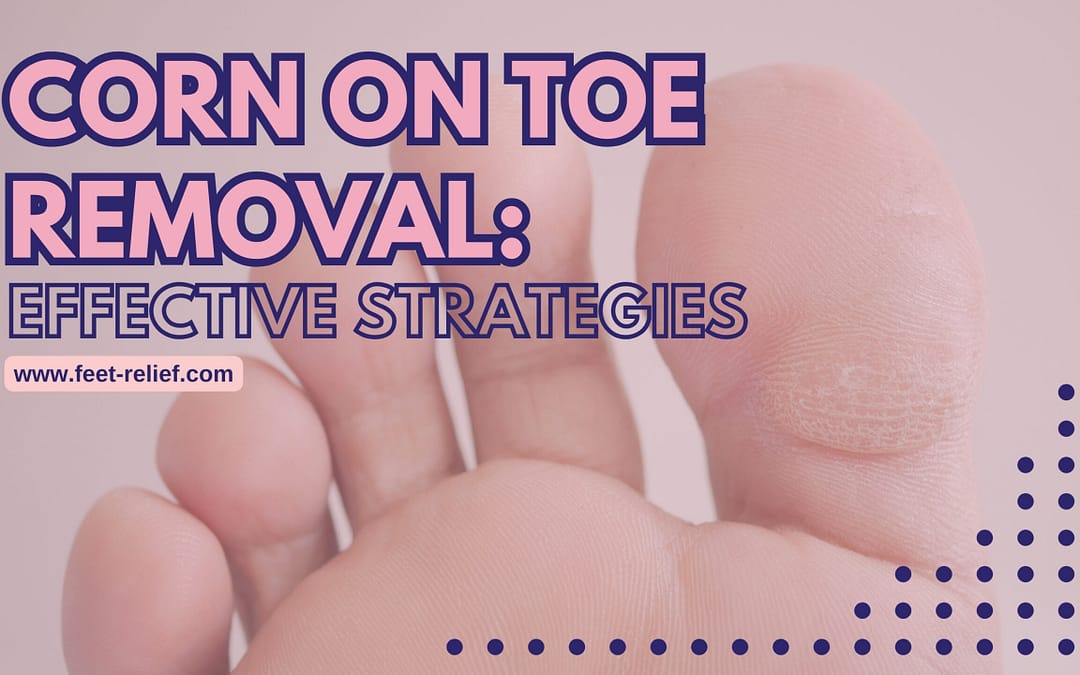
Corns on the toes can be a painful and bothersome issue, often arising from prolonged friction and pressure.


Welcome to our exploration of corns on the toes! We’ll dive into what causes them, how they manifest, and the various ways to treat them effectively. From simple home remedies to seeking professional help, we’ll cover a range of methods to help you find relief and restore comfort to your feet. Understanding the right techniques is key to tackling corns safely and ensuring lasting relief. Let’s get started on the journey to clear, healthy feet!

Corn on Toe Removal: Effective Strategies for Clear, Healthy Feet


Having corns on your toes is a common but uncomfortable condition, often caused by continuous friction and pressure on the feet due to tight-fitting shoes or an anatomical anomaly. These hardened layers of skin can be painful and unsightly, leading many to seek remedies that will provide relief and restore comfort to their step. While it’s possible to treat corns at home using various methods, understanding the proper techniques is key for safe and effective removal.

Corn on toe removal typically begins with softening the skin and carefully reducing the thickened area. Over-the-counter options, such as salicylic acid plasters and cushioning pads, can aid in this process, yet it’s crucial to avoid any self-treatment that could lead to injury, such as cutting or shaving the corn. For persistent or severe cases, professional medical treatment might be necessary. By learning the right strategies and when to seek help, you can effectively manage corns.

Key Takeaways


  • Corns are caused by friction and require proper treatment for removal.
  • Home remedies and store-bought products can aid in corn removal.
  • Severe cases may need professional medical attention.

Understanding Corns on Toes


Corns on your toes are hardened layers of skin that develop from your skin’s response to friction and pressure. You may typically find them on the tops and sides of your toes or on the balls of your feet. Corns can be unsightly and uncomfortable, but they’re also a common foot ailment.

Causes:

  • Tight shoes: Squeezing into shoes that don’t fit well is a frequent culprit.
  • High heels: Pressure on the toes can lead to corn development.
  • Skipping socks: Friction directly on the skin can cause corns.
  • Irregular walking patterns: This can increase pressure on certain points of the feet.

Symptom Checklist:

  • Hard, raised bump
  • Tenderness or pain under the skin
  • Flaky, dry or waxy skin

Simple Remedies:

  • Soaking your feet in warm, soapy water to soften corns.
  • Using a pumice stone to gently file the corn.
  • Wearing properly fitted shoes and moisture-absorbing socks.

For persistent or painful corns, consult a healthcare professional. They may suggest options like corn removal surgery, especially if there’s an underlying issue with your foot structure or walking pattern. Remember, any treatment should be gentle, as aggressive removal can lead to an infection.

Corn on Toe Removal Preparation


Before attempting to remove a corn from your toe, it’s crucial to understand the importance of proper preparation. This involves consulting with a healthcare professional, differentiating between corn types, and ensuring you have the right tools on hand.

Consulting a Podiatrist


If you’re experiencing foot discomfort due to corns, it’s advisable to consult a podiatrist. They are specialists in foot care and can provide a professional diagnosis and tailored treatment plan. The guidance of a podiatrist is especially important if you have diabetes or poor circulation, as corn removal can pose additional risks.

Identifying Corn Types


Understanding the type of corn you have is essential. There are predominantly two types: hard and soft corns. Hard corns typically develop on the tops of toes and are surrounded by a patch of thickened skin. On the other hand, soft corns tend to form between toes and remain moist, appearing white and rubbery.

Gathering Necessary Tools


For safe corn removal, you’ll need specific tools, which can include:


  • Pumice stone or callus file
  • Corn pads or plasters
  • Moisturizer or emollient cream

It’s important to have these items ready if your podiatrist approves self-treatment. Remember, never use sharp objects to cut or shave off corns, as this can lead to infections or other complications.

Corn On Toe Removal Techniques

Removing corns on your toes involves several methods that can help alleviate pain and improve the condition of your skin. These techniques must be used cautiously to avoid damaging healthy skin around the corns.

Trimming or Shaving Method


  • Professional Trimming: Podiatrists often use a scalpel to carefully trim away the thickened skin of a hard corn. This should not be attempted at home to avoid the risk of infection.
  • Pumice Stone: After soaking your feet in warm water, you can gently file down a corn with a pumice stone. This method is only recommended for mild corns and must be done regularly.

Application of Salicylic Acid


  • Topical Treatments: Over-the-counter products containing salicylic acid can be applied to help dissolve the dead skin of the corn. Mayo Clinic provides guidance on how to safely use these treatments.
  • Patches and Drops: Salicylic acid is available in various forms like gel, liquid, and medicated pads, which can be purchased without a prescription. Care must be taken to apply these products only on the corn to prevent skin irritation.

Cryotherapy Procedure


  • Freezing the Corn: Specialized healthcare providers may offer cryotherapy, where liquid nitrogen is used to freeze and thus kill the tissue of the corn.
  • Follow-up: Multiple treatments might be necessary, and this procedure should only be performed by a professional to prevent damage to the surrounding skin.

Aftercare and Healing


Proper aftercare is crucial for expedited healing and to minimize complications after your corn removal surgery. Detailed attention to dressing, awareness of infection signs, and employing long-term care strategies are the cornerstones of effective postoperative management.

Dressing and Bandaging


Your foot will be dressed with bandages that are essential to maintain cleanliness and protect the area from infection. It is imperative to keep the bandaging dry and intact until your first postoperative visit. Instructions from your healthcare provider will guide you on the proper care for your dressing, which may include keeping your foot elevated and avoiding unnecessary pressure on the affected area.

Monitoring for Infection


Be vigilant for signs of infection such as increased redness, swelling, or a discharge from the incision site. Pain levels should gradually decrease, and any sudden spike in pain might warrant immediate medical attention. Make sure to follow the prescribed course of any antibiotics and attend all follow-up appointments with your healthcare provider.

Long-Term Care Strategies


Long-term care includes wearing appropriately fitting footwear and following your physician’s guidance on when you can resume normal activities. The recovery process can vary depending on individual circumstances but generally takes between six weeks and three months. During this time, give your feet the care they need and avoid activities that may cause excessive friction or pressure on the once-affected region.

Prevention of Future Corns


Preventing future corns is crucial to maintain foot health and comfort. Focus on these specific strategies: selecting proper footwear, using orthotic inserts, and maintaining a routine of foot care.

Proper Footwear Selection


The choice of footwear plays a pivotal role in preventing corns. Shoes should have a comfortable fit, neither too tight nor too loose, to minimize pressure on the toes. Heels should provide support and the toe box must be roomy enough to allow your toes to spread naturally.

Orthotic Inserts Usage


For those with foot deformities or abnormal gaits, custom-made padded shoe inserts can be a game-changer. Orthotic inserts work by redistributing pressure away from high-stress areas, thereby preventing the recurrence of corns.

Routine Foot Care


Regular foot care is a cornerstone in preventing corns. This includes soaking your feet in warm water to soften the skin and moisturizing regularly to maintain skin hydration. It’s also beneficial to check your feet daily for areas of friction or pressure that may lead to corn formation.

Corn on Toe Removal: Empowering Steps for Foot Health


Corns on the toes can truly make every step uncomfortable, but armed with the right knowledge and techniques, you can effectively manage and even prevent them.


By understanding the causes, symptoms, and treatment options, you’re better equipped to address this common foot ailment.

Whether opting for home remedies or seeking professional help, prioritizing foot health is essential.


Remember, proper footwear selection, routine foot care, and attention to your podiatrist’s advice can go a long way in ensuring clear, healthy feet for the long haul.


So, let’s step forward with confidence, knowing that with the right strategies, we can overcome corns and walk comfortably towards better foot health.

Frequently Asked Questions

When dealing with corns on your toes, you want reliable and straightforward answers that help address your concerns effectively.

What is the most effective method for overnight corn removal on feet?

Soaking your feet in warm water to soften the corns, followed by gently filing them with a pumice stone, is widely regarded as an effective overnight method. For added effect, you can apply moisturizing cream on the corns before going to bed.

Can corns on toes be removed permanently, and if so, how?

Permanent removal of corns can often be achieved by addressing the underlying cause, which typically involves friction or pressure on the foot. Custom-made padded shoe inserts can help, and in some cases, surgery may be suggested to correct any bone alignment causing the friction.

How can one safely perform deep corn removal at home?

For safe at-home deep corn removal, start with soaking your feet to soften the skin, then carefully use a sterilized podiatry-grade implement to trim the corn. However, deep removal at home is not recommended for people with poor circulation or diabetes — for those individuals, a podiatrist should be consulted.

What techniques are used by podiatrists for professional corn removal?

Podiatrists may use scalpel blades for careful precise trimming of the hardened skin, and in some cases, surgery may be performed if the corn is caused by foot deformities. Laser treatment is another option that can be utilized in a clinical setting.

What are the different types of corns that can develop on feet?

Corns are broadly categorized into two types: hard corns, often located on the tops of the toes or on the side of the little toe, and soft corns, which tend to form between the toes, often in the fourth toe groove.

Is it possible to treat a soft corn between toes using natural remedies?

Natural remedies, such as soaking your feet in chamomile tea to reduce the hardness of a corn, can provide relief, and the anti-inflammatory properties of tea tree oil or castor oil may help soothe soft corns between the toes. However, natural remedies often provide more temporary relief than cure.

Step Into Foot Care Excellence with Feet Relief!


Welcome to Feet Relief, your premier destination for foot care expertise! Explore our curated collection of resources to learn about foot anatomy, common ailments, and effective remedies. From soothing massages to expert advice on preventing foot problems, we’re here to guide you towards happier, healthier feet. Join our community today and embark on a journey to foot wellness!


“At Feet Relief, we’re passionate about educating and empowering you to take control of your foot health. Whether you’re seeking relief from discomfort or simply want to pamper your feet, our comprehensive guides and articles offer practical insights and solutions. Visit feet-relief.com now and step into a world of foot care excellence!

Optimized by Optimole