Foot Arch Pain: How to Address It When Walking

Foot Arch Pain: How to Address It When Walking

Foot arch pain, whether mild or severe, can significantly affect your daily routine and mobility. Navigating through discomfort in the arch of your foot while walking is a common challenge. This pain can stem from a variety of causes, spanning from overuse injuries to inherent structural irregularities like high or low arches. Its intensity may fluctuate, often accompanied by swelling and tenderness, impacting your daily mobility.


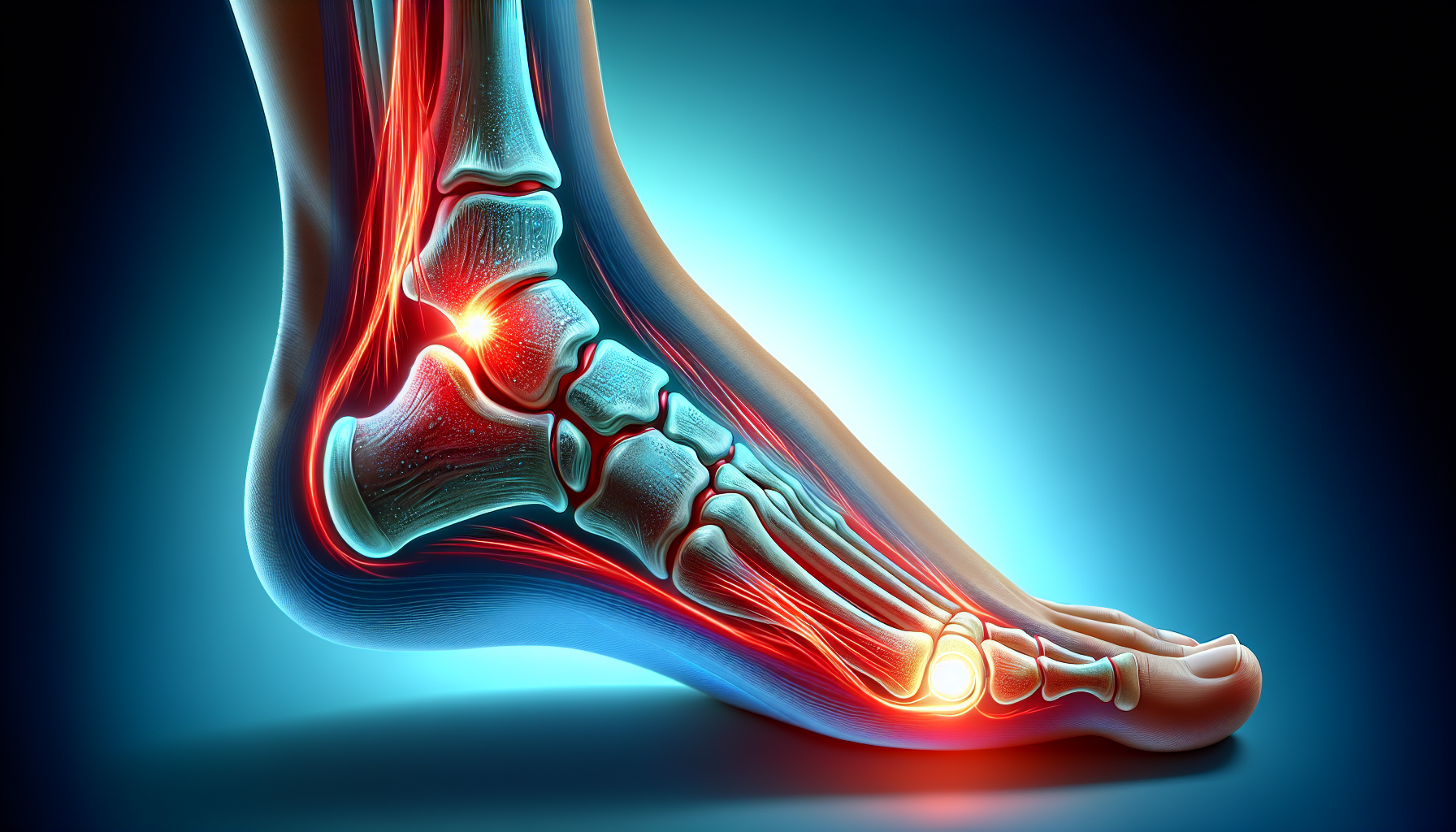
The foot’s arch, a complex interplay of bones, ligaments, and tendons, serves to bear your body weight and facilitate balance. Pain signals a disruption, whether from inflammation like plantar fasciitis or structural issues such as flat feet. Resolving the underlying cause is crucial for alleviating discomfort and ensuring long-term foot health.

Foot Arch Pain: Navigating Causes, Symptoms, and Remedies


Experiencing pain in the arch of your foot while walking is not an uncommon issue. It can occur due to various reasons ranging from overuse injuries to structural abnormalities of the foot, like high or low arches. The sensation of pain can vary in intensity and may be accompanied by other symptoms such as swelling and tenderness, impacting your daily activities and mobility.


The arch of your foot, made up of bones, ligaments, and tendons, is designed to support your body weight and assist with balance and walking. When pain arises, it indicates that something is amiss, whether due to inflammation, like plantar fasciitis, or from conditions such as flat feet. Addressing the root cause of the pain is critical for relief and your long-term foot health.

Key Takeaways

  • Arch pain while walking can stem from various conditions and has several associated symptoms.
  • Accurate diagnosis of arch pain is vital for effective treatment and management.
  • Prevention strategies are important for maintaining foot health and avoiding recurring pain.

Understanding Foot Arch Pain

When you experience discomfort in the arch of your foot while walking, it’s important to identify both the type of arch you have and the potential causes of pain. This understanding can guide you toward appropriate interventions and relief.


Types of Foot Arches


Your foot arch type is a key factor in why pain might occur. Human feet typically have one of the following types of arches:


  • Neutral Arch: This is the most common foot shape, offering a balance of biomechanical efficiency.
  • High Arch: Known as pes cavus, a high arch can lead to excess stress on the ball and heel of the foot.
  • Low Arch or Flat Feet: With a low arch, or pes planus, the foot tends to roll inwards (overpronation), which can cause strain.

Common Causes of Arch Pain


Several issues can be at the root of your arch pain:


  • Plantar Fasciitis: This is an inflammation of the plantar fascia, a band of tissue stretching from your heel to your toes. Learn more about plantar fasciitis.
  • Overpronation or Overuse: Repeated stress or inward rolling of the foot often leads to pain. Discover the impact of overpronation.
  • Injury: Sprains, fractures, or muscle strains can directly cause arch pain.
  • Medical Conditions: Arthritis and diabetes are two of many conditions that might contribute to arch-related discomfort.

Symptoms of Arch Pain

Recognizing the symptoms of arch pain is critical for addressing the root cause effectively and seeking appropriate treatment if necessary.


Identifying Symptoms


Your foot’s arch can experience various symptoms, indicating that something isn’t functioning properly. Common symptoms include:


  • Sharp, stabbing pain: Often felt in the heel or arch area.
  • Dull ache: This can occur in the arch itself.
  • Inflammation: You might notice swelling along the bottom of your foot.
  • Tightness: The arch might feel tight or strained.
  • Burning sensation: Particularly around the arch area.
  • Increased pain: This occurs when standing, walking, or exerting pressure on the foot.


These symptoms can appear gradually or suddenly, depending on the cause and activity level.

When to See a Doctor


Consult a medical professional if:


  • Pain persists for more than a few days despite resting your feet.
  • You experience severe pain and swelling.
  • The symptoms disrupt your daily activities or affect walking.
  • The pain escalates when you are active.


Prompt treatment can help prevent your symptoms from worsening.

Diagnosis of Arch Pain

When you’re experiencing pain in the arch of your foot, accurately diagnosing the cause is crucial to determining the right treatment plan. Healthcare professionals can employ various diagnostic techniques to understand your condition better.

Physical Examination


Your doctor will initially conduct a thorough physical examination of your foot. They will assess the arch for tenderness, swelling, and any noticeable deformities. By asking you to walk or stand on your toes, your doctor can observe your foot’s mechanics to identify if flat feet or high arches contribute to your discomfort.

Imaging Tests


Imaging tests such as X-rays, MRIs, or ultrasounds may be recommended to gain detailed insights into the structures within your foot. An X-ray can reveal any bone fractures or structural abnormalities, while an MRI provides a more in-depth look at soft tissues, including ligaments and tendons. An ultrasound might be utilized to evaluate the plantar fascia for signs of plantar fasciitis, a common cause of arch pain.

Treatment Options

If you’re experiencing pain in the arch of your foot while walking, there are various treatment options to consider. These range from simple at-home care to medical interventions, depending on the severity of your pain.

Home Remedies


To manage foot arch pain, start by giving your feet a rest from high-impact activities. You can also follow some straightforward strategies at home:


  • Ice Application: Apply ice to the affected area for 15 to 20 minutes several times a day to reduce inflammation.
  • Foot Exercises: Perform stretches for the plantar fascia and Achilles tendon. For instance, rolling a ball under the arch of your foot can offer relief.

Medical Treatments


If home remedies aren’t sufficient, it’s important to seek medical advice. A healthcare provider may suggest:


  • Physical Therapy: Guided exercises to strengthen foot muscles and improve flexibility.
  • Medications: Nonsteroidal anti-inflammatory drugs (NSAIDs) can alleviate pain and reduce inflammation.
  • Orthotic Devices: Custom or over-the-counter orthotics can provide support and alleviate pressure on the arch.

Footwear Recommendations


The right footwear can make a significant difference in managing and preventing foot arch pain:


  • Supportive Shoes: Choose shoes with proper arch support and a cushioned sole.
  • Avoid High Heels: High heels can place additional strain on the arches, so opt for flat or low-heeled options.


By following these treatment options, you can take steps to reduce your foot arch pain and improve your comfort while walking.

Prevention Strategies


To mitigate the risk of experiencing pain in the arch of your foot while walking, consider incorporating specific prevention strategies focused on exercise, footwear choice, and weight management.

Exercise and Stretching


Engage in targeted exercises and stretches that can strengthen the muscles and tendons of your feet. For example, toe curls and heel raises can improve muscle tone, and stretches like the calf stretch may increase flexibility and reduce the risk of arch pain.

Proper Footwear


Selecting proper footwear that provides sufficient arch support is crucial. Ensure your shoes fit well and offer cushioning to absorb impact. Specialty stores can assist with finding shoes suited to your foot shape, and insoles might be a beneficial addition for extra support.

Weight Management


Maintain a healthy weight to lessen the pressure on your feet. Each step places a load on your foot structures; by managing your weight through a balanced diet and regular exercise, you can reduce this impact and prevent foot arch pain.

When Walking Triggers Pain

When you experience pain in the arch of your foot during walking, it often points to underlying issues that may need attention. Here’s how to identify and adjust your walking habits to alleviate discomfort.

Assessing Walking Patterns


Overpronation can be a significant contributor to arch pain when you walk. This is when your foot rolls inward excessively, putting extra tension on the arch tendon. Your gait and the wear pattern on your shoes can offer clues about overpronation. If you notice that the inside edge of your shoe soles wear down quickly, this might indicate overpronation, which in turn can lead to arch pain due to the strain it places upon the plantar fascia. Pay attention to how your foot lands and rolls with each step.

Modifications to Reduce Pain


To relieve arch pain, consider implementing a few strategic modifications:


  • Footwear: Shoes with proper arch support and a cushioned sole can help distribute pressure more evenly. This Healthline article provides insight into how the right shoes can make a difference.
  • Orthotics: Custom or over-the-counter orthotics designed to support the arch can be beneficial. They work by providing a stable base that prevents overpronation and extra strain on the arch.
  • Stretching: Regularly practicing foot stretches can strengthen your arches and improve flexibility. This Medical News Today guide to stretches may help prevent pain.

Long-term Management


Managing arch pain effectively involves more than short-term remedies; it requires a commitment to lifestyle adjustments and regular monitoring. By adopting a proactive approach, you can minimize discomfort and prevent further injury to your foot’s arch.

Lifestyle Adjustments


First, examine your footwear; choose shoes with proper arch support and cushioning. Ill-fitting shoes often contribute to arch pain, so selecting the right pair can make a significant difference. Integrating foot exercises and stretches into your daily routine can also strengthen the arch and improve flexibility. A routine as simple as rolling a lacrosse ball under the foot can provide a massage effect and help relieve tension.


Next, consider your body weight. Excess weight can increase the strain on your arches, so maintaining a healthy weight through diet and exercise can be beneficial. Lastly, if your profession requires prolonged standing or walking, make it a point to take frequent breaks to rest your feet.

Monitoring and Follow-up


Regular self-monitoring of arch pain is crucial. Pay attention to any changes in pain levels and note activities that exacerbate your symptoms. If you notice persistent discomfort despite lifestyle changes, schedule a follow-up with a foot specialist. They might recommend physical therapy or provide you with exercises to further aid in your arch pain management. It’s essential to keep up with these appointments since they help track your progress and adjust treatment plans as necessary.

Foot Arch Pain: Take the First Step Towards Pain-Free Walking Today!


Understanding foot arch pain is crucial for effective management and long-term foot health. Whether you’re dealing with discomfort from overuse injuries, structural irregularities, or medical conditions, addressing the root cause is key to finding relief. By incorporating a combination of home remedies, medical treatments, proper footwear, and lifestyle adjustments, you can take proactive steps to alleviate pain and prevent future issues.

Remember, if you’re experiencing persistent or severe arch pain, don’t hesitate to consult with a medical professional. They can provide personalized guidance and treatment options tailored to your specific needs.


So, whether you’re stretching out your calf muscles, investing in supportive footwear, or scheduling a check-up with a podiatrist, taking action now can make a significant difference in your foot health journey. Take that first step towards pain-free walking today!

Frequently Asked Questions


If you experience pain in your foot’s arch, understanding treatment options and causes is crucial for effective relief and recovery.

What are effective treatments for inner arch foot pain?

To address inner arch foot pain, custom orthotics may be prescribed to provide support and alleviate pressure. Physical therapy and stretching exercises also serve as active treatments to improve flexibility and strength.

How can one alleviate sharp pain in the foot arch during rest?

Alleviating sharp foot arch pain while at rest may require a combination of resting the foot, applying ice to reduce inflammation, and using over-the-counter pain relievers if necessary.

What could be causing sudden onset of arch pain in the foot?

Sudden onset of arch pain could signal an injury, tendon inflammation, or be due to weight gain, aging, and overuse. It may also result from structural issues like flat feet or high arches.

Are there any effective home remedies for alleviating foot arch pain?

For immediate home care, resting, icing, compression, and elevation may help reduce foot arch pain. Engaging in gentle stretching exercises can also be beneficial.

How can I tell if my arch pain is due to a strain, and what does it feel like?

A strain in the arch often manifests as a sharp, immediate pain during activity, followed by tenderness and swelling. If these symptoms occur, it’s likely you have a strain.

How long is the typical recovery period for arch pain in the foot?

The recovery period for foot arch pain varies depending on the severity, but rest and proper treatment can lead to improvement within a few weeks. Consult a healthcare professional for a tailored recovery plan and timeline.

Discover Happy Feet at Feet-Relief!


Welcome to Feet-Relief.com, your go-to hub for all things feet-related! Explore:


  • Product Reviews: Find the perfect foot care products with our comprehensive reviews.
  • Foot Care Tips: Learn how to keep your feet happy and healthy with our expert advice.
  • Disease Prevention: Prevent and treat common foot ailments with our insightful guides.
  • Enhance Functionality: Maximize your foot’s potential for a more active lifestyle.


Ready to step into a world of foot bliss? Visit Feet-Relief.com today!

Foot Ulcers in Diabetes: Insights into Prevention and Management

Foot Ulcers in Diabetes: Insights into Prevention and Management

Foot ulcers in diabetes pose significant challenges in healthcare management. Understanding the intricate interplay of factors contributing to their development and progression is essential for effective prevention and treatment. This guide delves into the pathophysiology, risk factors, and prevention strategies for managing diabetic foot ulcers. By grasping evidence-based practices and advanced therapies, we aim to provide comprehensive knowledge to mitigate the impact of this debilitating condition and improve outcomes.


Furthermore, this guide underscores the crucial aspects of risk prevention, early detection, and the implementation of a comprehensive foot care routine. Prompt intervention is essential to prevent complications such as infections and the need for amputations. Through the adoption of a multidisciplinary care approach, we aspire to achieve better outcomes and elevate the quality of life for individuals living with diabetes.

Foot Ulcers in Diabetes: Understanding Risks and Prevention Strategies


Foot Ulcers in Diabetes


Foot ulcers in individuals with diabetes are a significant health concern that can lead to severe complications if not adequately addressed. Diabetes, a chronic condition marked by high levels of sugar in the blood, often leads to nerve damage and poor circulation in the feet. As a result, even a small cut or injury can develop into an ulcer, a deep sore, or a wound, primarily if diabetes is poorly controlled. Diabetic foot ulcers are indeed one of the most common outcomes of unmanaged or inadequately managed diabetes, warranting rigorous preventive and therapeutic strategies.


Immediate and attentive care is imperative for diabetic foot ulcers due to the high risk of infection and the potential for amputation. Key elements of managing these ulcers include maintaining reasonable glycemic control, adopting comprehensive foot care routines, and using suitable footwear to prevent blisters and sores. Treatments often entail a multidisciplinary approach to address the various facets of disease and healing, including controlling blood sugar levels, promoting circulation, and implementing advanced wound care techniques. Identifying foot ulcers early and understanding the appropriate treatment modalities can be life-changing for those at risk, underscoring the importance of education and awareness in effective diabetes management.

Key Takeaways


  • Diabetic foot ulcers are serious wounds that commonly arise due to complications from unmanaged diabetes.
  • Preventing foot ulcers involves good diabetes control, regular foot examinations, and protective footwear.
  • Treatment requires a comprehensive approach, including blood sugar management, wound care, and sometimes specialized therapies.

Overview of Diabetes and Foot Ulcers


Video Credit: @MichiganMedicine


Diabetes Mellitus (DM) affects your body’s ability to process sugar. Consistently high blood sugar levels can lead to various complications, notably foot ulcers. If you have diabetes, your risk for foot ulcers increases due to several factors, including neuropathy (nerve damage) and peripheral vascular disease, both of which can impair foot health.


Neuropathy diminishes your ability to feel pain, often resulting in unnoticed injuries to the feet. Combined with poor circulation from peripheral vascular disease, the healing process for these wounds can be slow, elevating the risk of infection and subsequent complications such as amputation. Considering proper foot care is fundamental for you if you are managing diabetes.


Foot ulcers are characterized by sores that do not heal or repeatedly return. They can develop under your foot, often over areas of stress and pressure from walking or standing. To manage and prevent foot ulcers, religiously monitor your blood sugar levels, inspect your feet daily, and maintain good hygiene and proper footwear.


Be aware of the classification of diabetic ulcers, as this can influence treatment strategies. Effective management of foot ulcers could involve various approaches, including but not limited to, debridement of wounds, infection control, and pressure offloading. Always consult healthcare professionals experienced in diabetic foot management for personalized and appropriate care.


Foot Ulcers in Diabetes

Pathophysiology of Diabetic Foot Ulcers


Video Credit: @MedLecturesMadeEasy


Understanding the pathophysiology of diabetic foot ulcers (DFUs) is critical for managing your diabetes and preventing serious complications. This section will explore how uncontrolled blood glucose, neural and vascular damage, and infection contribute to the development of these ulcers.

Blood Glucose Control and Complications


Your ability to regulate blood glucose levels plays a pivotal role in the health of your feet. Persistently high levels of sugar in your blood can lead to the formation of Advanced Glycation End-products (AGEs), which further damage the structural proteins in your skin and blood vessels. These changes impair wound healing, making you more susceptible to skin breakdown and ulcer formation.

Neuropathy and Vasculopathy


Chronic high blood sugar can cause significant nerve damage, termed diabetic neuropathy, reducing sensation in your feet. This can prevent you from feeling injuries, leading to unnoticed and untreated wounds. In conjunction with peripheral arterial disease (PAD), which restricts blood flow to your feet, the risk of developing ulcers increases as the skin and tissues receive less oxygen and nutrients necessary for repair.

Infection and Ulceration


When a foot ulcer develops, the risk of infection is high due to the presence of various bacteria. A compromised immune response, commonly seen in diabetes, along with reduced blood flow from vasculopathy, creates an environment where bacteria can flourish, leading to further complications of the DFUs. It is crucial to recognize signs of infection promptly, such as redness, swelling, and discharge, to seek appropriate treatment.

Risk Factors


Video Credit: @FirstCoastCardioInst


Managing your diabetes effectively is crucial to prevent complications such as foot ulcers. Key factors contributing to the development of ulcers include inconsistent metabolic control, inappropriate footwear, and a history of foot problems.

Metabolic Control


Poor glycemic control can lead to various complications that increase your risk of developing foot ulcers. High blood sugar levels can cause neuropathy, which reduces sensation in your feet, making you less likely to notice and respond to foot injuries. Maintaining stable blood sugar levels is crucial for preventing diabetic foot ulcers.

Footwear and Biomechanics


The shoes you wear significantly affect your risk of foot ulcers. Ill-fitting or inappropriate footwear can cause repetitive trauma to certain areas of the foot. Foot deformities and poor biomechanics also increase pressure and friction, leading to ulcer formation. It’s essential to wear properly fitted shoes and use custom orthotics if recommended by your healthcare provider.

Previous Ulcerations or Amputations


If you’ve had a foot ulcer or an amputation, the risk of developing another ulcer increases. Past ulcerations can indicate an existing breakdown in foot care or ongoing issues with blood flow and neuropathy. Regular monitoring and careful foot care are paramount in preventing new ulcers.

Prevention Strategies


Video Credit: @hearthealthwithmichelle


Effective foot ulcer prevention in individuals with diabetes is essential. It can be achieved through a combination of patient education, regular foot examinations, strict glycemic management, and the use of protective footwear. These strategies are pivotal in reducing the risk of ulcers and promoting foot health.

Patient Education


You play an integral role in the prevention of diabetic foot ulcers. Education is critical; understanding how to care for your feet and recognizing the early signs of complications can lead to timely treatment. Recommended practices include daily foot hygiene, proper nail trimming, and avoiding walking barefoot. For comprehensive guidelines, refer to the resources provided by the National Center for Biotechnology Information.

Regular Foot Examinations


Regular professional foot examinations are vital for early detection and intervention. As a patient with diabetes, ensure you have your feet checked by a healthcare professional at least once a year. More frequent examinations may be necessary if you have additional risk factors such as peripheral neuropathy or past ulcerations. Learn more about self-inspection and professional exams at NYU Langone Health.

Glycemic Management


Maintaining your blood sugar within the target range is a cornerstone in preventing diabetic foot complications. Glycemic control helps to protect nerve function and blood flow in your feet. Collaborate with your healthcare provider to determine the best methods for your glycemic management.

Protective Footwear


Properly fitting shoes can dramatically reduce your feet’ shear forces and pressure points. Always choose well-cushioned, supportive footwear, and avoid shoes that pinch, rub, or have rough internal seams. Custom orthotic devices may be beneficial for some individuals. For additional advice on selecting appropriate footwear, visit the PMC – National Center for Biotechnology Information.

Diagnosis of Foot Ulcers


Video Credit: @SurgicalEducator


To accurately diagnose foot ulcers in diabetes, your healthcare provider will perform a thorough clinical assessment, possibly use advanced imaging techniques, and may conduct biopsy and laboratory tests to determine the ulcer’s depth, infection status, and any signs of deeper tissue damage.

Clinical Assessment


Your initial assessment will focus on the ulcer’s location, size, depth, and any signs of infection. You’ll be questioned about your diabetes control, foot sensation, and circulatory status. Foot deformities and skin changes such as calluses or dry skin may also be evaluated as contributing factors.

Imaging Techniques


Depending on the findings from the clinical assessment, X-rays may be used to check for signs of bone involvement, such as infection or breaks. In some cases, more detailed images from an MRI may be used to determine the extent of the ulcer and any potential abscesses or deep tissue infections.

Biopsy and Laboratory Tests


A tissue biopsy might be performed to determine if there’s an infection and what type of bacteria or fungus is present. Additionally, blood tests, wound cultures, and tests for arterial blood flow help to establish the ulcer’s impact on your overall health and guide the treatment plan.

Treatment and Management


Video Credit: @DrTomBiernacki


Effective management of diabetic foot ulcers involves a comprehensive approach that includes meticulous wound care, pressure relief strategies, pharmacological treatments, and surgical interventions when necessary.

Wound Care Techniques


Your wound care regimen should begin with cleaning the ulcer and removing dead skin and tissue, a process known as debridement. You may be recommended a wound dressing that keeps the ulcer moist, aiding healing. Utilize products such as Terrasil® Wound Care that are formulated to promote faster healing.

Offloading and Pressure Relief


You need to reduce pressure and friction on the ulcerated area to encourage healing. This might involve using specialized footwear, orthotic devices, or crutches. Techniques such as using a wheelchair or bed rest may be required for significant offloading, especially for foot ulcers in weight-bearing locations.

Pharmacological Approaches


Managing blood glucose levels is crucial for healing and preventing further complications. Medications for this purpose may include insulin or oral anti-diabetic drugs. Antibiotics that are effective against a broad spectrum of bacteria might be prescribed to treat any accompanying infections, which are common in diabetic foot ulcers. It is also possible that you may require medication to improve circulation to the affected area.

Surgical Interventions


In some cases, surgery may be necessary if your foot ulcer is not responding to other treatments or if there is a significant infection or risk of complications. Procedures can range from minor debridement to more significant interventions such as revascularization or amputation to prevent the spread of infection or save a limb. It’s essential to consider surgical options when indicated and seek consultation from a healthcare professional specializing in diabetic foot complications.

Complications


Video Credit: @drandrasfazakas


When managing diabetes, you must be vigilant about foot health, as complications can quickly escalate from trivial to severe. Foot ulcers in diabetes are not merely superficial skin issues; they can lead to profound medical concerns.

Infection


Infections in diabetic foot ulcers are common due to the reduced ability to fight off bacteria. Should you develop an ulcer, it can be susceptible to infection, which can progress rapidly, potentially leading to osteomyelitis (bone infection) or severe soft tissue infections. The American Diabetes Association provides insight into foot complications and underscores the importance of prompt treatment to prevent infections from worsening.

Chronic Wounds


Your diabetic foot ulcer could turn into a chronic wound if it persists beyond the expected healing time. This prolonged healing process is often due to poor circulation and neuropathy, which diminishes sensation in the feet, increasing the risk of unnoticed injury and impeding wound repair.

Lower Extremity Amputation


In severe cases, chronic ulcers and infections could result in lower extremity amputation. Factors such as underlying neuropathy, peripheral vascular disease, and poor foot care linked to non-healing diabetic ulcers increase the risk of amputation. The National Center for Biotechnology Information (NCBI) provides in-depth information about diabetic foot ulcer management and the critical nature of preventive care to lower the likelihood of amputation.

Innovative Therapies and Research


Video Credit: @MtsmedicalSparkWave

Your understanding of diabetic foot ulcers (DFUs) is about to expand with the latest breakthroughs. Here, you’ll discover novel treatments and research paving the way for improved healing and patient outcomes.

Advancements in Wound Healing


Recent studies have uncovered autologous leucocyte, platelet, and fibrin multilayered patches as a promising therapy for hard-to-heal ulcers, enhancing the natural healing process. Moreover, the development of sucrose octasulfate dressings is another innovative approach, particularly for neuroischemic ulcers, supporting better wound closure.

Stem Cell Therapy


Stem cell therapy is a cutting-edge intervention with the potential to dramatically impact the repair of diabetic foot ulcers. By harnessing stem cells’ reparative properties, researchers aim to accelerate wound healing and reduce the risk of amputation. Applying stem cells can promote new tissue growth, offering a beacon of hope for those suffering from chronic ulcers.

Gene and Molecular Therapies


Gene and molecular therapies represent the frontier of diabetes research, targeting the underlying issues at the cellular level. For instance, advancements in gene therapy are being explored to modify gene expression, aiming to enhance wound healing mechanisms. Additionally, molecular treatments focus on the regulation of growth factors and cytokines to correct the impaired healing pathways commonly found in DFUs.

Multidisciplinary Care Approach


Video Credit: @OrthopaedicPrinciples


Effective management of diabetic foot ulcers involves a collaborative effort by a variety of healthcare specialists, each focusing on their area of expertise to prevent complications.

Role of Endocrinologist


Your endocrinologist plays a crucial part in the overall coordination of your care and is primarily responsible for managing your blood glucose levels. This regulation is vital to prevent wound deterioration and to promote healing.

Podiatry and Orthopedics


The involvement of a podiatrist ensures that your feet are examined and cared for with precision. Specialized footwear or orthotics might be prescribed to alleviate pressure and improve foot structure, directly impacting ulcer healing rates. Additionally, orthopedic surgeons might intervene if there is a need to correct bony deformities or conduct surgery to prevent further complications.

Infectious Disease Specialist


An infectious disease specialist is essential, especially when infection is present. They will prescribe the appropriate antibiotic regimen after evaluating the severity and depth of the infection, thereby preventing its spread and ensuring effective treatment of the infected ulcer.

Case Studies and Patient Outcomes


Video Credit: @omni-statmedicalinc9743


Diabetic foot ulcers are a risky complication of diabetes, potentially leading to severe consequences. Studies have demonstrated that early intervention by a podiatrist can improve outcomes significantly. Getting care from a podiatrist before ulcer onset may prevent ulcers or lead to less severe ulcers that are easier to treat.

Healing Rates and Interventions:


  • With appropriate interventions, healing rates improve. For example, patients with an Ankle Brachial Index (ABI) indicating ischemic feet showed better healing when treated with a multilayered patch compared to standard care.

Impact of Delayed Treatment:


  • A delay in etiological diagnosis can lead to persistent and complicated ulcers, underscoring the need for rapid diagnosis and treatment. Clinical cases emphasize that early and accurate diagnosis is critical for effective management.

Cost Implications:


  • The cost implications are substantial, with a significant increase in expenditure following a foot ulcer diagnosis. Studies show that for patients aged 40-65, the cost over two years post-diagnosis can be upwards of $27,000. Learn more about the financial impact.

Hospital-Acquired Ulcers:


  • For individuals with diabetes, the risk of acquiring foot ulcers while hospitalized is heightened due to several factors, including immobility and circulatory issues. Strategies to mitigate these risks are imperative for improving patient safety.

Mitigating the Impact of Foot Ulcers in Diabetes


Managing foot ulcers in diabetes is a multi-faceted journey that demands diligence, education, and collaborative care. Through preventative measures, seeking timely intervention, and staying informed about advancements, we can mitigate the impact of this condition and improve outcomes for individuals with diabetes.

Maintain healthy blood sugar levels and adhere to foot care routines. Together, let’s step towards healthier feet and a brighter future for those with diabetes.

Frequently Asked Questions


Video Credit: @EleganceClinicDrAshutoshShah


Understanding the prevention and treatment of foot ulcers is crucial to managing diabetes. Here, you’ll find specifics on identifying, treating, and comprehending the stages of diabetic foot ulcers.

What are the common treatments for diabetic foot ulcers?

Common treatments for diabetic foot ulcers include regular cleaning and dressing of the wound, the use of antibiotics to prevent or treat infections, and proper offloading to relieve pressure on the ulcer. Debridement to remove dead skin and tissue may also be necessary.

How can one identify the early signs of a diabetic foot ulcer?

Early signs of a diabetic foot ulcer are redness, swelling, and warmth around an area of the foot, often accompanied by numbness due to neuropathy. Any break in the skin or drainage should also be considered a warning signal and prompt examination.

What are the typical symptoms associated with diabetic foot ulcers?

Typical symptoms include pain due to infection, foul-smelling discharge, and the visible presence of an open sore on the foot that does not improve over time. Decreased sensation in the feet makes regular inspection vital.

Can diabetic foot ulcers be effectively treated and managed?

Yes, diabetic foot ulcers can be effectively treated and managed with vigilant care, which includes controlling blood sugar levels, maintaining proper foot hygiene, and following a physician’s guidelines for wound management and pressure reduction on the affected area.

What do the various stages of diabetic foot ulcers signify?

The various stages of diabetic foot ulcers, often categorized by the Wagner grading system, signify the depth and severity of the ulcer, ranging from superficial to ulcers with extensive tissue damage reaching the bone.

How do different types of diabetic foot ulcers differ from one another?

Different types of diabetic foot ulcers differ based on their causes. Neuropathic ulcers are typically found on the pressure points of the foot and are usually painless, while ischemic ulcers result from poor circulation and may be found on the toes, heels, or anywhere blood flow is compromised.

Discover Foot Relief: Your Ultimate Destination for Foot Health


Dive into a world of up-to-date resources, expert insights, and innovative products tailored to alleviate foot discomfort and promote overall well-being. Whether you’re seeking tips for diabetic foot care, exploring advanced therapies for foot pain, or simply looking for comfortable footwear solutions, we’ve got you covered. Visit Feet-Relief.com today and take the first step towards happier, healthier feet!

Foot Health and Overall Well-Being Connection

Foot Health and Overall Well-Being Connection

Foot health: The foundation of overall well-being begins with acknowledging something we often overlook: our foot health. Your feet aren’t just transportation; they’re intricately linked to your physical well-being. By understanding the vital role your feet play, you can unlock a whole new level of wellness. So, let’s explore foot biomechanics. Together, we’ll uncover how your feet act as the cornerstone of your body’s alignment. I’m here to guide you on this journey of discovery, showing you just how much of an impact your tootsies have on your overall health and happiness. So, grab your favorite comfy shoes and step into a world where foot care isn’t just a luxury—it’s a necessity for a life well-lived.

Foot Health: The Foundation of Overall Well-Being


So let’s kick things off by focusing on something you might be overlooking: your foot health. It’s something that quietly plays a huge role in your day-to-day life. I’m going to shed some light on how taking care of your feet is actually taking care of your overall health. You might not think much of your feet, but they’re the hardworking heroes that can significantly influence your well-being.

Your feet aren’t just about getting you from point A to B. They’re intricately connected to your overall physical health in ways you might not expect. When you have foot problems, they can throw a proverbial wrench in your body’s works, leading to discomfort, pain, or even more serious health issues. We’re going to explore the unique role your feet play in maintaining a healthy balance, quite literally, in your life.

And this isn’t just about preventing sore feet at the end of a long day. It’s about understanding the central role your feet play as the base of your body’s structure. Choose something that resonates with you? Comfortable shoes, perhaps? It seems simple, but it goes a long way in caring for your overall health. And trust me, there’s a lot of opportunity in paying attention to foot health to enhance your quality of life.

Now, I know the connection between your tootsies and your total health might not be at the forefront of your thoughts, so I’m here to help you with that. We’re going to take a closer look at the biomechanics of feet, and how they contribute to something bigger – the alignment of your entire body. As we move into the next section, get ready to discover how your feet are the true foundation of your overall physiological harmony.

Key Takeaways


  • Foundation of Wellness: Your foot health is the cornerstone of overall well-being, influencing physical stability, mental health, and even signaling broader health concerns.
  • Daily Care Matters: Implementing simple foot care routines, such as proper hygiene, choosing suitable footwear, and regular inspections, can prevent discomfort and maintain optimal health.
  • Empowerment through Awareness: By prioritizing foot health, you empower yourself to lead a healthier, more fulfilling life, one step at a time.

Exploring the Biomechanical Role of Feet in Body Alignment


You might not think your feet do much more than get you from point A to B, but they’re hard at work doing much more than that. Think of your feet as the unsung heroes of physical stability.

The Many Roles of Your Feet


Your feet are true multitaskers, serving more purposes than just helping you walk from place to place. They act as sturdy pillars, providing essential support to maintain your posture, balance, and overall body alignment. From grounding movements to stabilizing your body, your feet play a vital role in ensuring proper skeletal function.

Impact on Body Mechanics and Athletic Performance


Every step you take sends ripples of impact throughout your entire body, underscoring the critical importance of foot health in maintaining optimal body mechanics. Whether you have flat feet or high arches, any deviation from the norm can lead to misalignments, potentially causing chronic pain and hampering athletic performance. Prioritizing foot health not only prevents discomfort and injury but also enhances overall athletic prowess, ensuring you can move with agility and efficiency.

So, keep in mind that while foot health might not be the first thing on your radar, it’s a crucial part of your overall well-being. Remember, your feet are the foundation of your body’s structure. Neglecting them could mean more troubles ahead, not just physical but mental too. And that’s going to include how chronic foot issues can lead to more than just a literal pain in the foot – they can affect your mental game as well, which is exactly what we’ll delve into in the next section.

The Ripple Effect: How Foot Problems Can Affect Mental Health


Have you ever thought that your feet could be talking to your brain? Yes, it turns out foot health and mental health are more connected than you might think. Chronic foot pain isn’t just a discomfort; it’s a constant chatter in the back of your mind that can lead to stress and a worse mood over time. Here’s why you should pay attention to what your feet might be saying about your mental well-being.

The Impact of Foot Pain on Mental Health


Pain is a signal that’s hard to ignore, especially when it comes from the feet, which bear the brunt of your daily activities. Constant or recurring foot pain can be downright debilitating, curbing your willingness to engage in exercise and social activities. This withdrawal can cascade into feelings of isolation and depression.

The Sedentary Lifestyle Dilemma


Moreover, foot issues can force you into a sedentary lifestyle, which is directly correlated with increased risks of anxiety and depression. Let’s say your feet hurt so much that you dread going out for a walk or participating in a favorite sport. That’s going to limit the natural mood-enhancing benefits of exercise and potentially create a feedback loop where physical pain exacerbates mental strain.

The Fallacy of Neglecting Foot Health


Now, if you’re thinking, ‘Okay, so I just need to tough it out and the pain will go away,’ you might be on the wrong track. Neglecting foot health in the hopes that problems will resolve themselves often results in a worsening condition. This can spark a cycle of anxiety as you worry about the long-term implications of foot issues and the impact on your life quality.

Beyond the Feet: Signals of Broader Health Concerns


You’re going to find out about this intricate interplay even further in the next section, where I discuss how foot problems can actually signal broader health concerns. Surprisingly, your feet can reveal clues about systemic diseases like diabetes or arthritis – which means keeping them in shape is crucial not just for staying mobile, but also for monitoring your overall health landscape.

Foot Health and Systemic Diseases: Understanding the Connections


You might be surprised to learn that your feet can act like a billboard, advertising your overall health status. Problems with your feet can signal underlying health issues, often serving as the first warning signs of more serious systemic conditions.

Signs of Underlying Health Issues


Your feet act as silent messengers, often revealing important clues about your overall health. From persistent coldness indicating potential cardiovascular issues to tingling sensations suggesting diabetic neuropathy, subtle changes in foot sensations can offer valuable insights into your well-being.

The Importance of Foot Inspection and Care


Beyond sensations, symptoms such as swelling, joint pains, or deformities may indicate underlying health conditions like kidney disease, heart failure, or autoimmune disorders such as rheumatoid arthritis. Regular foot inspections and the choice of appropriate footwear can help detect these signals early, allowing for proactive management of health issues before they become serious. Prioritizing foot health isn’t just about comfort—it’s a vital step in safeguarding the well-being of your entire body.

In the next section, I’m going to show you how to enhance your well-being through practical foot care tips. These strategies are simple to implement and can make a significant difference, not just for your feet, but for your overall health journey.

Enhancing Overall Well-being Through Foot Care: Practical Tips and Strategies


Now, you’ve learned just how closely your foot health is tied to your overall well-being. It’s not just about avoiding discomfort; it’s about fostering a stronger, healthier you, from the ground up. I’m here to help you with some practical tips and strategies that can bring about significant changes.

Daily Foot Care Routine


First off, let’s talk about daily routines. Simple things like washing your feet thoroughly, keeping your nails trimmed, and moisturizing to prevent dry skin can fend off a host of problems. Daily foot inspections are also crucial, especially if you’re dealing with diabetes; keep an eye out for cuts, blisters, or changes in skin color.

Choosing Proper Footwear


Choosing the right footwear is another game-changer. You need shoes that fit well and provide ample support. If you’re active, make sure your running or sports shoes are designed for your foot type and the type of activity you’re involved in. And remember, high heels and flat soles might be fashionable, but they’re often not the friends of foot health.

Video Credit: @GMA

Utilizing Orthotics


Don’t overlook the power of orthotics. Custom insoles prescribed by a podiatrist could alleviate discomfort and correct structural issues. And for those times when pain crops up, there’s no shame in seeking help. Whether it’s a persistent ache or a sporadic sharp pain, a healthcare professional can offer guidance and treatment options.

Viewing Foot Care as Self-Care


Lastly, I really hope that you’ll view foot care as an act of self-care. Simple preventive measures not just keep your feet happy, but they also contribute to your overall health and well-being. So, go ahead and give your feet the attention they deserve – your entire body will thank you for it.

Foot Health: A Pathway to Holistic Well-Being


As we’ve journeyed through the intricate relationship between foot health and overall well-being, it’s clear that our feet are more than just humble appendages. They are the silent guardians of our physical harmony and the messengers of our body’s inner workings. From biomechanics to mental health and systemic diseases, our feet play a pivotal role in our daily lives and deserve the utmost care and attention.

Understanding the significance of foot health is not merely about avoiding discomfort; it’s about cultivating a deeper connection with our bodies and nurturing a foundation of wellness from the ground up. By acknowledging the signals our feet convey and adopting simple yet effective foot care practices, we empower ourselves to lead healthier, more fulfilling lives.


So, let’s embrace foot health as an integral part of self-care, recognizing that by prioritizing the well-being of our feet, we are nurturing our entire being. With each step, may we walk towards a future where foot care isn’t just a necessity, but a cherished ritual in our journey towards holistic wellness. Take the first step today towards a healthier you!

Frequently Asked Questions

Why is foot health important for overall well-being?

Foot health is crucial for overall well-being because our feet serve as the foundation of our body’s structure. Neglecting foot health can lead to discomfort, pain, and even more serious health issues affecting mobility and quality of life.

How can I maintain good foot health on a daily basis?

You can maintain good foot health by practicing daily routines such as washing your feet thoroughly, keeping nails trimmed, moisturizing to prevent dry skin, and inspecting for any abnormalities. Choosing appropriate footwear that fits well and provides ample support is also essential.

What are some signs that my foot problems may indicate broader health issues?

Signs such as persistent cold feet, tingling or loss of sensation, swelling in the feet and ankles, and joint pains could indicate underlying health issues such as cardiovascular problems, diabetes, kidney disease, or arthritis. It’s essential to pay attention to these signs and consult a healthcare professional if necessary.

How can I find the right footwear to support my foot health?

To find the right footwear, it’s important to choose shoes that fit well, provide proper support, and are suitable for your foot type and activity level. Consulting with a podiatrist or footwear specialist can help in selecting appropriate footwear, and considering custom orthotics for specific foot conditions can also be beneficial.

Begin Your Quest for Foot Comfort: Dive into Our Insightful Blog


Ready to uncover the secrets to blissful, pain-free feet? Look no further than feet-relief.com! From expert tips on finding the ideal shoes to practical advice on tackling pesky foot problems, our website is your personal oasis for all things foot-related. Say goodbye to foot discomfort holding you back – venture into our online sanctuary and arm yourself with the knowledge needed for enduring relief!

How Stress Affects Foot Health

How Stress Affects Foot Health

How stress affects foot health is a complex interplay of physiological responses that can lead to heightened pain sensitivity, increased injury risk, and alterations in gait patterns.

Stress permeates every aspect of our being, affecting not only our minds but also our bodies, including our often-overlooked feet. In this exploration of the intricate relationship between stress and foot health, we uncover how the pressures of daily life can manifest in various foot-related issues. Understanding this connection equips us to better manage stress and its potential impact on our overall well-being.

How Stress Affects Foot Health: Exploring the Intricacies

I’m going to kick things off by painting a picture of how our entire well-being is interconnected. It’s not just about isolated symptoms; stress can throw a wrench in the works of our overall health, and yes, that includes our feet. Imagine you’re shouldering a hefty workload or navigating personal challenges; it’s not just your mind that’s bogged down, your body feels it too. There’s this intricate network of responses that awaken when you’re under stress, and they ripple through your entire system.

Now, when we dive into the specifics of how stress affects us, we encounter a slew of bodily reactions. Your muscles tense up, your heart rate skyrockets, and there’s a cascade of hormonal changes. All these reactions don’t spare your feet. Think about it; your feet are your foundation, the unsung heroes that carry you through your day. So it’s no surprise that when your stress levels go up, your foot health can take a hit.

This isn’t just about a sore toe or a stiff ankle. We’re talking about a range of possible effects: heightened pain sensitivity in your feet, increased risk of injury, and even alterations to your gait. By understanding the connection between stress and foot health, you’re setting the stage to better manage any issues that might surface. And remember, recognizing the signs early on can make a big difference in how you handle stress-related foot conditions.

Recognizing Stress-Related Foot Conditions


You might be surprised to learn that stress can lead to a range of foot problems. Imagine, after a long, taxing day, you kick off your shoes only to notice your feet are sore. That’s the physical burden of stress making itself known. Tension doesn’t just tighten your shoulders—it can make a home in your feet, too.

Common Foot Problems Associated with Stress


Issues such as plantar fasciitis, Achilles tendinitis, and even exacerbations of existing conditions like arthritis can flare up due to heightened stress levels. If your feet are persistently sore, swollen, or numb, these could be signals that stress is impacting your foot health.

Differentiating Between Chronic Conditions and Acute Reactions


Differentiating between chronic conditions and acute reactions is key. Chronic conditions are ongoing and often develop over time, while acute reactions are sudden and usually tied to a recent spike in stress. Both can wreak havoc on your feet if left unchecked.

Understanding When to Seek Professional Advice


I’m here to help you identify these conditions and understand when it might be time to get professional advice. Assessing your foot pain can be tricky, but by listening to your body and noting symptoms that correlate with stress, you’re taking a crucial step towards better foot health.

The Science Behind Stress and Foot Pain


You’re going to find out about the intricate ways stress can influence our bodies, particularly our feet. From hormones to posture, I’ll help you see the unseen links.

Hormonal Havoc and Muscular Tension


  • Stress triggers a tidal wave of hormones like cortisol and adrenaline, designed for survival but not so great for our feet.
  • These hormones can cause muscles to tense up and stay that way, creating undue stress on the foot’s arch and leading to conditions such as plantar fasciitis.

Fight-or-Flight Response and Foot Strain


This isn’t just about hormones; it’s also about our body’s fight-or-flight response. Ready to run or stand frozen, our feet bear the brunt either way. Prolonged tension can exacerbate issues like heel pain and tendonitis as a direct result of our instinctual stress reactions.

Neglecting Physical Care Due to Psychological Stress


Psychological stress often means we’re preoccupied with our worries, possibly neglecting physical care. This neglect could result in wearing unsuitable footwear for too long, avoiding necessary movement, and sidelining foot care routines – all of which can degrade foot health over time.

Managing Stress for Better Foot Health


Now, stress is not going away anytime soon, but how we manage it can make a world of difference for our feet. Let’s segue into some practical steps that can keep both stress and foot pain at a distance.

Practical Steps to Reduce Stress and Promote Foot Health


When it comes to managing stress to safeguard your feet, it’s crucial to take a proactive stance. Engaging in regular stress management activities can do wonders for your mental state, and it’ll show in your stride. Let me walk you through some effective steps.

Incorporating Regular Stretching into Your Routine


First off, you can never underestimate the power of a good stretch. Simple toe pulls and ankle rolls can increase blood flow, easing tension in your foot muscles. These stretches can easily become part of your daily routine, taking just a few minutes of your time.

Mindful Practices for Stress Relief and Foot Health


Stress often tightens our muscles instinctively, and the same goes for your feet. Mindful practices such as meditation or yoga not only calm the mind but can also focus on the body, bringing awareness to areas we often neglect, like our feet.

Video Credit: @TreyJones

Choosing Proper Footwear for Support


Proper footwear is your best friend for foot health. Choose shoes that support your arches and cushion your soles. This is not just about physical comfort; it’s also about preventing stress-related foot conditions before they start.

Incorporating Movement into Your Routine


Remember the mantra ‘motion is lotion’? Daily walks have a dual benefit of promoting cardiovascular health and keeping your feet flexible. Start with gentle walks and listen to your body; if you’re comfortable, gradually increase the pace and distance.

Exploring Low-Impact Activities


And, if walking isn’t your thing, consider water-based activities like swimming or water aerobics. These low-impact exercises take the weight off your feet while allowing you to stay active and manage stress effectively.

Utilizing Insoles or Orthotics for Persistent Issues


Now, wearing the right footwear and fitting in some foot-focused activities are great, but there’s more to the story. The use of insoles or custom orthotics can be a game-changer for those with persistent foot issues or for those who stand for long periods.

Professional Interventions and Support Systems


Knowing when to seek professional help is crucial because, sometimes, foot health issues stemming from stress can’t be fully resolved with self-care alone.

Engaging with Specialists


  • Engaging with a podiatrist or a physical therapist could be your next move if the foot problems persist.
  • These specialists can offer tailored advice, prescribe orthotic devices, or suggest therapeutic exercises that address your specific needs.

Getting Referrals and Collaborating


Don’t worry too much about finding the right help. Your primary care physician can often provide a referral or suggest local experts who specialize in foot care. A collaborative approach involving various healthcare practitioners can help create a comprehensive plan to tackle both stress and foot ailments.

Incorporating Mental Health Support


  • It’s also worth discussing how a mental health professional might fit into your support system.
  • A therapist or counselor can offer strategies for managing stress that might be indirectly contributing to your foot health problems.

Exploring Holistic Care


Choose something that resonates with you. Whether it’s traditional counseling, cognitive-behavioral therapy, or meditation classes, find what works for you and incorporate it into your routine.

Taking the First Step


In my opinion, neglecting stress-related foot issues can lead to more significant health problems down the line. You can always adjust your approach down the road, but taking the first step by acknowledging the problem and seeking help is vital.

I really hope that you’ve found this exploration into stress and foot health enlightening. Remember, taking care of your feet is just as essential as managing your stress. Don’t let the weight of the world rest solely on your shoulders—sometimes, your feet need attention too.

Understand How Stress Affects Foot Health For Wellness


In conclusion, the intricate interplay between stress and foot health underscores the importance of holistic self-care practices. Our feet, often overlooked yet essential to our daily mobility, bear the brunt of stress-induced physiological responses. By recognizing the signs of stress-related foot conditions and implementing proactive measures, such as mindful stretching, appropriate footwear choices, and engaging in stress-reducing activities, we can safeguard our foot health and overall well-being.

Moreover, seeking professional interventions when needed, such as consulting podiatrists or mental health professionals, empowers us to address underlying issues comprehensively. Remember, neglecting stress-related foot problems can potentially lead to more significant health complications in the future.


As we navigate the complexities of modern life, let us not forget to extend care and attention to every part of ourselves, from our minds to our feet. By nurturing wellness from head to toe, we embark on a journey towards a balanced and fulfilling life. Let this be a reminder that self-care is not selfish; it is a vital investment in our long-term health and happiness.

Frequently Asked Questions


Stress can have a profound effect on our foot health, leading to various issues that impact our overall well-being. Below are some FAQs to help you better understand how stress affects your feet:

How does stress affect foot health?

Stress triggers physiological responses in the body, including heightened pain sensitivity, increased risk of injury, and alterations in gait patterns. These responses can manifest as various foot-related issues, impacting overall foot health.

What are some common foot problems associated with stress?

Stress can lead to conditions such as plantar fasciitis, Achilles tendinitis, and exacerbations of existing issues like arthritis. Symptoms like persistent soreness, swelling, or numbness in the feet could indicate stress-related foot problems.

How can I manage stress for better foot health?

Incorporating stress management techniques like regular stretching, mindful practices, choosing proper footwear, incorporating movement into your routine, and seeking professional interventions when needed can help safeguard foot health amidst stress.

Discover Foot Comfort & Care at Feet-Relief.com!


Step into comfort and care with Feet-Relief.com! Explore our expert-reviewed products and advice for all your foot concerns and appreciation. From footwear to orthotics, find what you need to pamper your feet and keep them happy and healthy. Visit Feet-Relief.com now and start your journey to happier feet!

Choosing the Right Shoes to Combat Shoe Foot Pain

Choosing the Right Shoes to Combat Shoe Foot Pain

Choosing the right shoes isn’t just about style; it’s about ensuring foot health and combating pain. Whether you’re dealing with common discomforts like blisters, bunions, plantar fasciitis, or chronic conditions such as diabetes, finding the perfect pair tailored to your needs is crucial. In this guide, we’ll explore critical factors to consider in selecting shoes that alleviate foot pain and promote overall foot health.


Each step impacts our body, making proper footwear crucial. Understanding the anatomy of foot pain and the supportive features of shoes, from arch support to cushioning, empowers us to make informed choices that prioritize comfort and fit. Join us as we navigate the world of shoes to find the perfect blend of comfort, support, and style for your unique needs.

Stepping out of Discomfort: Choosing the Right Shoes to Combat Shoe Foot Pain


Are your shoes causing foot pain? Many people endure soreness and discomfort due to ill-fitting shoes, lack of support, or wrong shoe design. This feature will guide you through identifying why your footwear may be the source of your pain and offer actionable steps to choose shoes that bring comfort instead of pain. Let’s tackle shoe foot pain head-on with clarity and simplicity.

Key Takeaways


  • Ill-fitted shoes, inappropriate arch support, and unhealthy shoe designs contribute to a range of foot problems such as corns, calluses, bunions, hammertoes, and plantar fasciitis, highlighting the importance of wearing properly fitted and supportive footwear.
  • Foot pain, beyond causing immediate discomfort, can lead to long-term health issues affecting alignment and mobility; thus, choosing the proper footwear and considering using orthotics is crucial for preventing and alleviating foot-related conditions.
  • Professional help should be sought for persistent foot pain, especially when self-care adjustments do not alleviate symptoms or if underlying health conditions such as diabetes might complicate foot health.

Shoe-Related Foot Pain: Identifying the Causes


Illustration of various types of shoes


Foot pain can creep into our lives in many ways, often stemming from our shoes. Ill-fitted shoes, for instance, are a leading cause of foot discomfort that can affect our daily lives and overall body alignment. And it’s not just about sore feet. Wearing tight shoes all day can alter our body’s alignment, potentially causing back and hip pain. But that’s not all. Tight shoes can also create a sweaty and smelly environment ideal for bacterial and fungal infections like athlete’s foot.


The wrong shoes can create a domino effect, leading to a multitude of health issues. For example, shoes’ lack of proper arch support can lead to flat feet and other foot problems. Similarly, shoe designs that do not consider the natural contours and arches of the foot can cause long-term foot issues. The solution to these issues begins with understanding the problems caused by poorly fitted shoes, inadequate arch support, and harmful shoe designs.

Poorly Fitted Shoes


Imagine squeezing your feet into shoes that are too small for you. The discomfort is immediate. Wearing shoes that are too tight or small can lead to a host of foot problems like:


  • corns
  • calluses
  • bunions
  • hammer-toes


Poorly fitting shoes can crowd the feet, restrict their flexibility, and increase the risk of friction and foot pain.


The right fit, on the other hand, ensures comfort and flexibility. Finding a pair of properly fitting shoes that corresponds to your foot’s natural shape is vital when selecting footwear. Additionally, ensure there is approximately ½ inch of space between your longest toe and the shoe’s tip. This space allows for foot movement without sliding and avoids tightness.

Lack of Arch Support


The arches of our feet are like the springs in a car. They absorb the shock every time our foot hits the ground. Proper arch support in footwear acts as a shock absorber, providing stability and balance and enhancing overall posture and athletic performance. Without adequate arch support, we may experience the collapse or strain of our natural arch, leading to flat feet and pain extending from the feet to the lower back.


Foot arches come in various shapes—normal, flat, and high—each requiring a different level of support to ensure foot comfort and proper function. That’s where arch supports come in. These devices help to distribute pressure across the foot evenly and are a common non-invasive remedy for alleviating foot pain and treating foot conditions.

Unhealthy Shoe Designs


Have you ever wondered why some shoes, despite being your size, just don’t feel comfortable? That’s probably because the design of the shoe doesn’t account for the natural contours and arches of your foot. Unhealthy shoe designs often lack sufficient arch support, leading to an increased risk of foot problems, especially when worn on hard, flat surfaces.


Shoe designs can also affect the weight distribution and stability provided by arch support. Improper designs can lead to discomfort and foot conditions. So, while it can be tempting to choose shoes based solely on their design, it’s vital to consider the impact on your foot health.

Common Foot Conditions Caused by Inappropriate Footwear


Choosing the Right Shoes


The wrong shoes can do more than just cause temporary discomfort. They can lead to long-term damage, deformities, and foot conditions. Some common foot conditions caused by inappropriate footwear include:


  • Bunions
  • Hammertoes
  • Plantar fasciitis
  • Ingrown toenails


Choosing the right shoes to prevent these conditions and maintain foot health is essential.


Foot injuries caused by ill-fitting shoes can require days, even weeks, for proper healing. Shoes lacking adequate cushioning can result in a range of foot conditions, such as:


  • blisters
  • calluses
  • corns
  • shin splints
  • plantar fasciitis
  • Achilles tendonitis


Tight shoes can even lead to peripheral neuropathy, a painful condition affecting the nerves of the feet. The wrong footwear can also result in fractures, sprains, and strains. The damages can be severe, affecting not just the feet but also the body’s alignment and overall health.

Bunions and Hammertoes


Illustration of plantar fascia and heel pain


Bunions and hammertoes are painful foot deformities often worsened by narrow shoes that crowd the toes. A bunion, known medically as Hallux Valgus, is a bony enlargement at the base of the big toe that causes it to angle towards the second toe. On the other hand, Hammertoes result from an imbalance in the toe muscles, causing the toes to bend at the middle joint. Tight shoes that force toes into a curled position, like high heels or narrow footwear, can exacerbate these conditions.


Preventing bunions and hammertoes involves choosing shoes that fit well, without being too tight or long, and featuring a wide toe box to reduce pressure on the toes. So, while those narrow, pointy-toed shoes might look stylish, they could set you up for a lifetime of foot pain.

Plantar Fasciitis and Heel Pain


Each year, over 2 million people are affected by plantar fasciitis, a common cause of intense heel pain. This condition is a widespread issue that many individuals experience. It’s characterized by inflammation of the plantar fascia, a band of tissue that runs from the heel to the ball of the foot. Inflammation can occur due to:


  • Overuse
  • Prolonged standing on hard surfaces
  • Age-related changes
  • Wearing unsupportive footwear such as flip flops or overly flexible flats or sneakers


This can lead to discomfort and potential injury.


Proper footwear with adequate arch support is crucial in preventing overstretching, tearing, or inflammation of the plantar fascia, thus avoiding plantar fasciitis. Here are some tips for choosing the right shoes to prevent plantar fasciitis:


  • Look for shoes with good arch support
  • Choose shoes with a cushioned sole to absorb shock
  • Make sure the shoes have a firm heel counter to provide stability
  • Opt for shoes with a wide toe box to allow for natural foot movement
  • Consider using orthotic inserts for additional support


By ensuring your shoes offer adequate support to your feet, you can significantly reduce the risk of developing plantar fasciitis.

Ingrown Toenails and Corns


Tight shoes can also cause other painful conditions like ingrown toenails and corns. An ingrown toenail occurs when the toe rubs constantly against the shoe, causing friction. Similarly, friction from a restricted toe box in tight shoes leads to the development of corns and calluses.


Corns typically form on the top or sides of toes and are characterized by a hard center with inflamed surrounding skin, often aggravated by narrow footwear and high heels. These conditions lead to significant foot discomfort and can be prevented by wearing properly fitted footwear.


So, the next time you feel a pinch in your toe, remember that your shoes might be the culprit!

Tips for Choosing the Right Shoes to Prevent Foot Pain


Having comprehended the issues inappropriate footwear can cause, we can now explore the process of selecting the right shoes to avert foot pain. It’s not as daunting as it seems. The key lies in prioritizing comfort and fit, opting for supportive features, and considering activity-specific footwear.

To ensure an accurate fit, follow these steps:


  1. Measure both feet.
  2. Accommodate the larger foot.
  3. Focus on a precise fit rather than relying on shoe size numbers.
  4. Shoes should fit well and feel comfortable immediately, avoiding the notion that shoes need to be ‘broken in.’
  5. Try on shoes towards the end of the day when feet are most swollen to ensure a comfortable fit throughout the day.


Opt for supportive shoes that provide a firm foundation with in-built arch support to enhance stability and balance. And remember, selecting shoes that lace up can offer more support than slip-ons.

Prioritize Comfort and Fit


Photo of a person trying on shoes with assistance


In the realm of footwear, nothing trumps comfort. Prioritize comfortable shoes as soon as you put them on, and do not cause pain or discomfort during or after wearing them. This indicates a good fit and sufficient cushioning. Have your feet professionally measured at a shoe store to ensure the correct size and width. And remember, foot sizes can change, so consider getting remeasured periodically.


Trying on various brands and styles with the socks you plan to wear can help ensure a perfect fit. Look for a finger-width gap between your big toe and the shoe’s edge to avoid tightness and allow foot movement without sliding. If the heel slips while walking, consider consulting a fitter for advice.

Opt for Supportive Features


Footwear with supportive features significantly contributes to preventing foot pain. Built-in arch support in shoes is more effective for foot health than inserts, as specialty stores can properly fit insoles if necessary. Good cushioning and shock-absorbing soles are crucial for protecting the feet against impacts.


Shoes that offer a good fit and stability help prevent injury and discomfort by ensuring that the foot does not roll or twist easily. Thick soles and extra padding, especially in the midsole, provide essential arch support and reduce injury risk during physical activity.

Consider Activity-Specific Footwear


Choosing the right type of shoe for specific activities is essential in averting foot pain and ensuring proper support. Here are some tips for choosing the right shoes for different activities:


  • For walking, choose walking shoes that are comfortable from the start and have a wide toe box.
  • For running, choose running shoes with a wide toe box, allowing for a half inch of space from your longest toe, and providing proper cushioning and support.
  • It’s best to purchase running shoes at specialized stores that offer a gait analysis and treadmill test.


For cold or work-related activities, boots with thick soles and cushioned padding can provide optimal arch support and protection for the entire foot. So, whether you’re hitting the gym, hiking, or dancing the night away, choosing the right shoes for the activity can make all the difference in your foot health.

Adjusting Your Current Shoes for Better Foot Health


But what if foot pain is already an issue? Is it possible to modify your current shoes to improve foot health? Absolutely! Upgrading to a properly fitted and comfortable athletic shoe can be a critical initial step in alleviating foot pain.

 

Additionally, you can improve foot health by using shoe inserts and orthotics, maintaining proper shoe care, and gradually stretching and breaking in new shoes.

Shoe Inserts and Orthotics


Illustration of custom orthotics and shoe inserts


The utilization of shoe inserts and orthotics can dramatically enhance foot health. Custom orthotics are tailored to enhance foot function by providing targeted support, precise alignment, and ample cushioning, aiding in the even distribution of weight across the foot. These can improve your gait by supporting the arch and aligning the ankle and foot, which can have a beneficial effect on knee, hip, and back alignment.


Using orthotics is not only a strategy for immediate relief but also a proactive approach to maintaining long-term foot health and preventing the onset of more severe conditions. Arch support inserts are an accessible solution for enhancing shoe comfort; they come in various designs to match the distinct arch types of different individuals. So, if you’re struggling with foot pain, custom orthotics or shoe inserts might be worth considering.

Proper Shoe Maintenance


A bit of tender loving care can significantly prolong your shoes’ lifespan. Worn-out shoes with reduced cushioning can lead to decreased support and indicate the need for replacement to ensure continued foot and ankle health. Regularly cleaning shoes, especially after exposure to moisture or dirt, is vital for preserving their material and appearance. You can even apply a waterproofing treatment to your shoes to prevent moisture damage and thereby extend the life of the footwear.


To extend the durability of your shoes and ensure they continue to offer the necessary support and comfort, consider the following:


  • Resoling shoes can help to maintain their structure and prevent excessive wear and tear.
  • Replacing the Velcro can rejuvenate the shoe’s fastening mechanism and effectively stabilize the foot.
  • Rotating your shoes regularly can help to maintain their shape, lessen wear and tear, and ensure they provide proper support for a longer time.


By following these tips, you can keep your shoes in good condition for an extended period.

Stretching and Breaking In


While breaking into new shoes may seem daunting, it need not be so. It should be a gradual process to avoid creating pressure points that can lead to blisters or other forms of foot discomfort. Wearing new shoes for short periods and gradually increasing the time spent in them helps the feet to adapt without causing too much pain.


There are also several methods to stretch shoes gently at home. Shoe stretchers can be used to stretch tight areas of a shoe, making them more comfortable. Applying heat with a hairdryer to the tight areas of a shoe can make it more flexible and help it conform to the shape of the feet.


Remember, when you wear shoes, they should be comfortable immediately upon trying them on and not rely on being broken in later.


Video Credit: @PositiveMotionChiro

When to Seek Professional Help for Shoe Foot Pain


One should never disregard foot pain. If you experience any of the following, it might be time to consider seeking professional help:


  • Persistent foot pain
  • Flat feet or high arches
  • Worn-out shoes
  • Prolonged standing
  • Foot deformities
  • Plantar fasciitis
  • Previous foot or ankle injuries
  • Aching legs or back


Severe foot pain or swelling, especially following an injury, requires immediate medical attention when your feet hurt.


Symptoms of infection such as:


  • redness
  • warmth
  • tenderness
  • presence of a fever


These are also signs that you should seek a physician’s care. Medical consultation is advised if foot pain hinders walking or bearing weight on the foot. If foot or ankle pain persists and does not improve with over-the-counter treatments, seeking a consultation with a podiatrist is advisable.

Persistent or Worsening Pain


Persistent or escalating foot pain is a definitive signal to seek medical attention. Some common indicators that you may need orthotics include:


  • Persistent foot pain
  • Flat feet or high arches
  • Worn-out shoes
  • Prolonged standing
  • Foot deformities
  • Plantar fasciitis
  • Previous foot or ankle injuries
  • Aching legs or back


If you are experiencing any of these symptoms, consulting with a medical professional about the possibility of using orthotics may be beneficial.


Changes in walking patterns or gait as a result of foot pain warrant a visit to a foot care specialist for proper assessment and treatment options. Medical intervention should be considered if home remedies do not diminish foot pain caused by injury or overuse.

Underlying Conditions


Individuals with underlying conditions, especially diabetes, must exercise extra caution regarding foot health. Diabetics with peripheral neuropathy require shoes that minimize the risk of infection and support poor circulation to manage foot pain effectively. Regular podiatric care is crucial for diabetics to prevent diseases and treat complications associated with foot health, such as dry skin, ingrown toenails, and wounds.


Professional consultation is essential for persistent arch problems or foot pain to assess the necessary level of arch support. Early detection of foot pain in children, followed by the provision of arch supports, can avert more serious foot issues later on. So, don’t hesitate to seek professional help if you experience persistent foot pain or have underlying conditions that could affect your foot health.

Prioritize Foot Health by Choosing the Right Shoes


Choosing the Right Shoes


In conclusion, your feet carry you throughout your life, so why not treat them right? Choosing the right shoes can reduce foot pain, prevent severe foot conditions, and improve your overall foot health. Remember, comfort and fit are paramount, and it’s worth taking the time to find shoes that offer both. If you experience persistent foot pain or have an underlying condition like diabetes, don’t hesitate to seek professional help. Take care of your feet, and they’ll take care of you.

Frequently Asked Questions

How do you fix foot pain from shoes?

To fix foot pain from shoes, try applying ice, elevating your foot, wearing well-fitting shoes, using foot pads, and reducing activity until the pain subsides. Additionally, consider wearing shoe inserts, getting medical injections, taking pain relievers, and avoiding activities that aggravate the pain.

Can wrong shoes cause leg muscle pain?

Yes, wrong shoes that do not fit properly can cause leg muscle pain as the muscles work harder, leading to fatigue and pain. It’s essential to wear proper footwear to prevent foot pain and take care of your body.

How can I choose the right shoes to prevent foot pain?

To prevent foot pain, prioritize comfort and a proper fit when choosing shoes. Look for supportive features like built-in arch support and good cushioning, and consider the specific activity you’ll be doing.

When should I seek professional help for shoe foot pain?

You should seek professional help for shoe foot pain if it persists, does not improve with home remedies, or causes changes in your walking patterns. It’s essential to consult a healthcare provider if you have underlying conditions like diabetes.

What are some common foot conditions caused by inappropriate footwear?

Wearing inappropriate footwear can lead to foot conditions like bunions, hammertoes, plantar fasciitis, and ingrown toenails. It’s important to choose footwear that supports the natural shape of your feet.

Your Journey to Foot Relief: Explore Our Informative Blog


Unlock the secrets to happier, healthier feet on our website, feet-relief.com! From tips on choosing the right shoes to expert advice on managing foot conditions, this is your ultimate resource for all things foot-related. Don’t let foot discomfort slow you down – visit our website and empower yourself with the knowledge you need for lasting relief!

Optimized by Optimole