Best Foot Care Routine for Diabetics: Essential Tips

Best Foot Care Routine for Diabetics: Essential Tips

Maintaining healthy feet is crucial for individuals with diabetes due to the higher risk of complications arising from infection, nerve damage, and poor blood circulation in the lower extremities. A meticulous foot care routine is essential to prevent injuries and manage the condition effectively. Diabetics are advised to monitor their foot health daily, maintain optimal blood sugar levels, and seek professional evaluations to ensure any problems are addressed promptly.
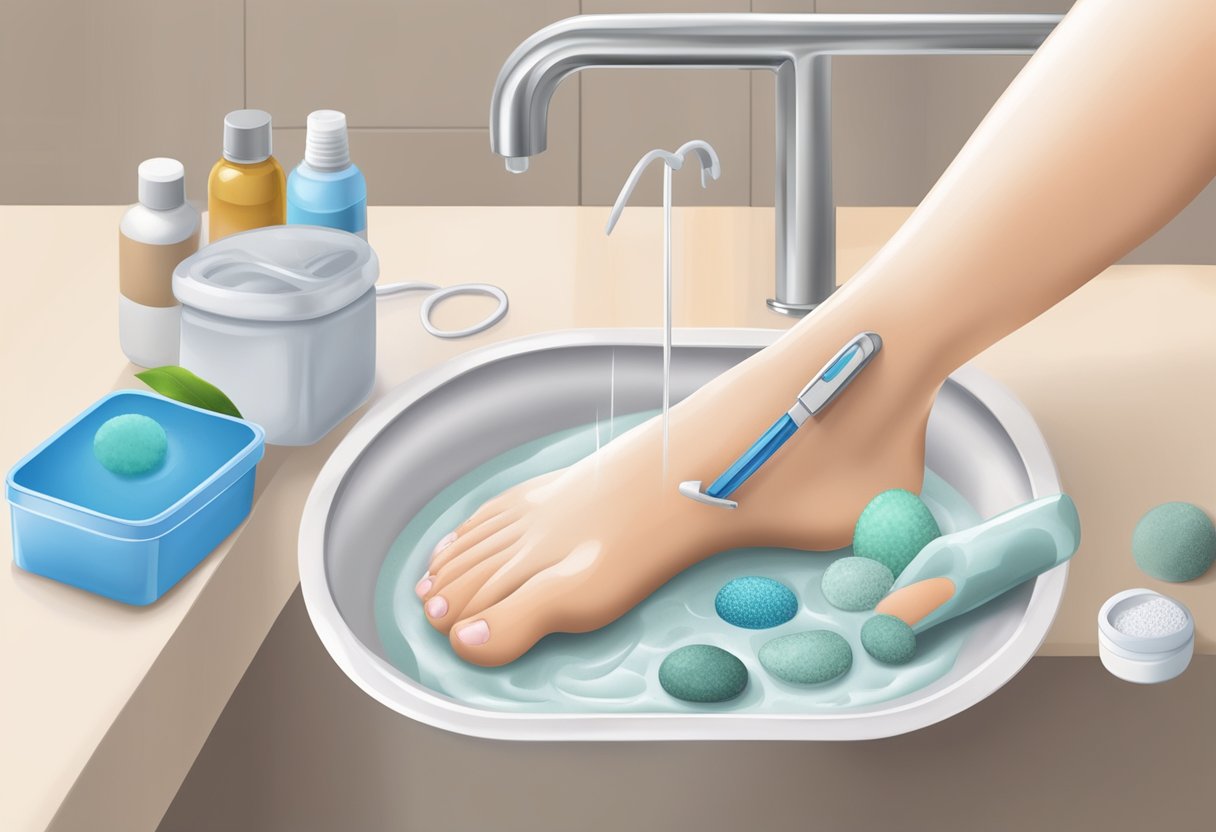


Optimal foot health in diabetes is achieved through careful daily maintenance and choosing suitable footwear to protect and support feet from injury. Good diabetic foot health practice involves lifestyle modifications that contribute to overall well-being and being vigilant for signs requiring medical intervention. These steps help prevent the escalation of common foot problems into more serious complications.


Key Takeaways


  • Daily foot inspection and care are vital to prevent complications.
  • Proper footwear and blood sugar management contribute to foot health.
  • Regular check-ups and timely medical help are crucial for foot issues.


Understanding Diabetes and Foot Health


Video Credit: @AcfasOrg


When you have diabetes, your foot health is critically important. Due to high blood sugar levels, the risk of foot complications increases significantly. This condition can lead to two main complications that impact your feet: neuropathy and peripheral vascular disease.


Neuropathy refers to nerve damage, which can cause a loss of feeling in your feet. Not being able to feel pain means that sores or injuries can go unnoticed and untreated, potentially leading to infections or ulcers.


Peripheral vascular disease affects the flow of blood to the limbs. For you, this means a reduced ability to heal wounds, increasing the risk of infections and possibly even amputations in severe cases.


To prevent issues, a daily foot care regimen is essential. Here are key practices:


  • Inspect your feet daily for signs of cuts, blisters, or infections.
  • Clean your feet with warm water and mild soap, avoiding extreme temperatures.
  • Dry your feet thoroughly, especially between the toes.
  • Moisturize your feet to avoid dry skin, but avoid moisturizing between the toes to reduce the risk of fungal infections.


These measures can be simple but are effective at maintaining foot health. By being proactive and attentive to the condition of your feet, you can help prevent some of the serious complications associated with diabetes.


For more detailed information, you can follow Diabetes and Your Feet.


Daily Foot Care Routine


Video Credit: @diabetesconsciousness


Proper foot care is an essential part of managing diabetes. Keeping your feet healthy can help prevent serious complications.


Inspecting Your Feet


Examine your feet daily for cuts, blisters, red spots, and swelling. Use a mirror to see the bottoms of your feet or ask for help if you need it. Catching problems early can prevent complications.


Washing and Drying


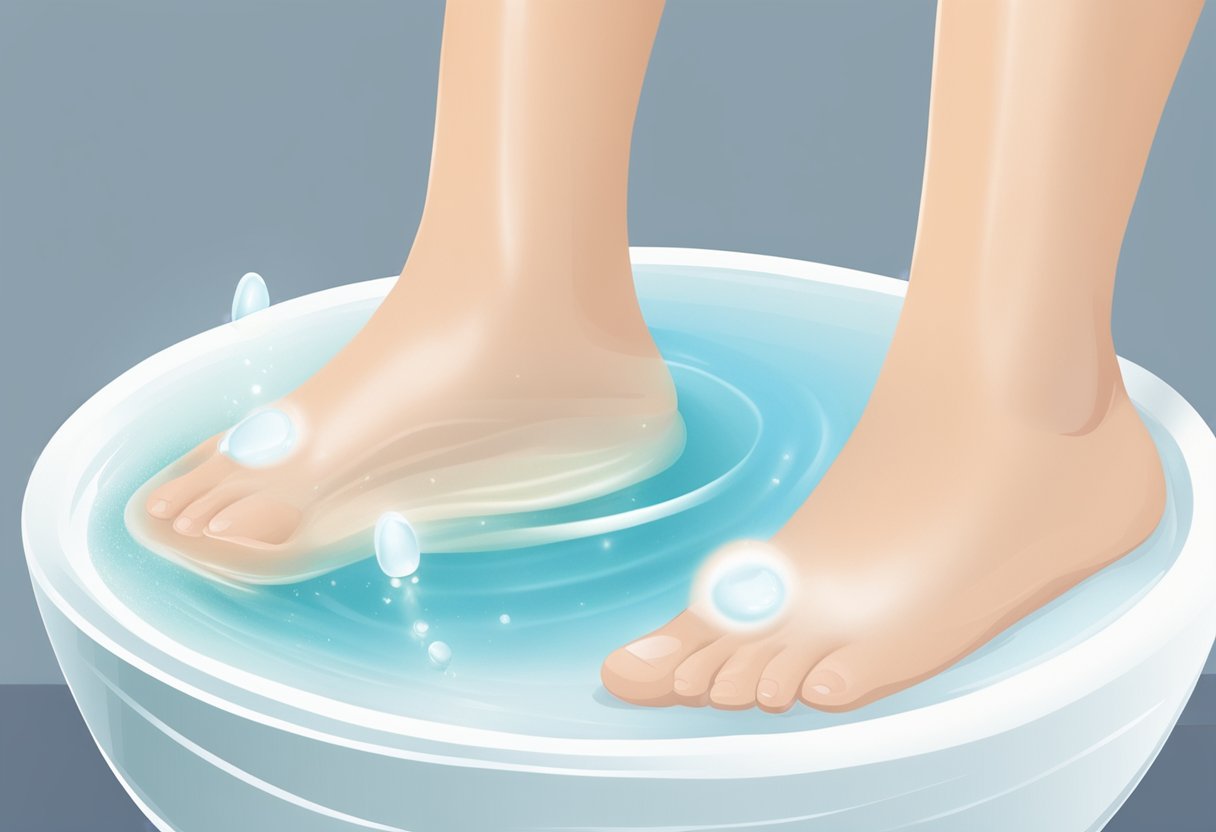
Clean your feet daily using warm (not hot) water. Avoid soaking as it might lead to skin breakdown. Afterward, dry your feet thoroughly, especially between the toes, to prevent infection.


Moisturizing


To keep the skin from cracking or itching, apply a thin coat of a diabetes-specific or fragrance-free moisturizer on the tops and bottoms of your feet. Do not moisturize between the toes to avoid a fungal infection.


Trimming Nails Properly


Cut nails straight across and file the edges to avoid ingrown toenails. Do this regularly to keep your nails from growing too long and causing issues. If you have trouble reaching your feet, a podiatrist can assist with nail care.


Choosing the Right Footwear


Video Credit: @DrPradeepGadgeOfficial


Ensuring you have the correct footwear is a cornerstone of proper diabetic foot care. Your shoes and socks play a pivotal role in protecting your feet from complications.


Selecting Shoes


  • Fit: Choose shoes that fit well. They should be snug but not tight, with enough room to wiggle your toes. Avoid shoes with pointed toes or high heels as they can cause unnecessary pressure.
  • Material: Breathable materials, like leather or canvas, help to keep your feet dry and reduce the risk of fungal infections.
  • Support: Good arch support is crucial. It helps distribute your weight evenly across your feet, which can prevent ulcers and blisters.


Remember to check the inside of each shoe before putting it on to ensure no foreign objects or rough seams could harm your feet.


Picking Socks


  • Fabric: Look for moisture-wicking socks to keep your feet dry. Avoid materials that don’t breathe well, like nylon.
  • Seams: Seamless or flat-seam socks are best as they minimize friction and irritation.
  • Fit: Socks should be snug but not restrictive. Excessively tight socks can impede circulation, which you definitely want to avoid.


Always select socks without tight elastic bands at the top, as these can also hinder blood flow to your feet.


Managing Blood Sugar Levels


Video Credit: @PeterAttiaMD


Proper management of your blood sugar levels is crucial in diabetic foot care. Consistently high levels can lead to nerve damage and affect blood circulation, increasing the risk of foot complications.

Monitor Your Blood Sugar Regularly


Your healthcare team may recommend the optimal frequency of checks. Typically, A1C levels should be below 7%, but your doctor could advise a different target based on your individual needs.


Adhere to Your Medication Schedule


Take your insulin and other diabetes medications exactly as prescribed. They play a vital role in keeping your blood sugar within the desired range.


Dietary Modifications


Emphasize a balanced diet rich in fruits, vegetables, whole grains, lean proteins, and healthy fats. Portion control and consistent meal timing help maintain stable blood glucose levels.


  • Breakfast: Whole grain cereal, low-fat milk, and a piece of fruit.
  • Lunch: Grilled chicken salad with mixed greens, dressing on the side.
  • Dinner: Baked salmon, steamed broccoli, and quinoa.


Physical Activity


Regular physical activity helps improve insulin sensitivity, which can help control your blood sugar levels. Aim for at least 30 minutes of moderate exercise most days of the week.


Stress Management


Stress can affect blood sugar levels, so find ways to manage your stress through activities such as yoga, meditation, or deep breathing exercises.


By keeping your blood sugar levels in check, you’re taking a significant step toward preventing diabetic foot complications. Always consult with your healthcare provider for personalized advice and adjustments to your management plan.


Regular Professional Foot Examinations


Video Credit: @diabetesuk


As a diabetic, your feet require special attention, and regular professional foot examinations are a key component of your overall diabetes management plan. Receiving a comprehensive foot check at least once a year is recommended to prevent complications such as ulcers, infections, and potential amputations.


During these examinations, your healthcare provider should perform the following:


  • Visual Inspection: Searching for skin changes, sores, blisters, and fungal infections.
  • Sensory Assessment: Testing for loss of sensation using tools like the 10-g monofilament.
  • Peripheral Pulses: Check your foot circulation and assess for peripheral artery disease.
  • Reflex Testing: Evaluating the reflexes of your feet and ankles.
  • Structural Examination: Identifying any deformities or alignment issues.


Element Method
Visual Inspection Look for skin abnormalities and changes.
Sensory Assessment 10-g monofilament test for sensation.
Peripheral Pulses Palpate foot pulses to assess circulation.
Reflex Testing Check ankle reflexes for neuropathy signs.
Structural Exam Inspect foot structure for abnormalities.


Importance of regular foot screening: Early detection of issues through an annual diabetic foot exam can reduce the risk of more severe problems later on, as nerve damage and poor circulation complicate the healing process.


Remember to follow up with your healthcare provider if you notice any changes or problems between your scheduled examinations. Taking these steps increases your chances of maintaining healthy feet and preventing serious diabetes-related foot complications.


Handling Common Foot Problems


Video Credit: @RafflesHospital


As a diabetic, addressing foot issues promptly can be pivotal to your health. Here’s how you can effectively handle some of the most common foot care problems.

Dealing with Dry Skin and Calluses


Keeping your skin moisturized is important to prevent cracks that can lead to infections. Use lotion daily, but avoid applying it between your toes, where excess moisture can promote fungal growth.


For calluses, it’s recommended to use a pumice stone on wet skin gently. However, if the calluses are thick or turning yellow, consult your healthcare provider, as this may be a sign of an internal issue.


Treating Cuts and Scrapes


Clean minor cuts and scrapes with mild soap and lukewarm water, then cover with a sterile bandage, changing it daily to monitor healing. If you notice any signs of possible infection, such as redness, warmth, or oozing, seek medical advice as soon as possible. Minor issues can escalate quickly for individuals with diabetes, so early treatment is key for prevention.


Preventing Infections


Consistent foot checks are a crucial part of preventing infections. Trim your nails straight across to avoid ingrown toenails.


If you encounter any foot injuries or open wounds, it’s essential to see your doctor if they do not begin to heal after a few days. Always wear well-fitting footwear to protect your feet from external injuries.


Lifestyle Modifications for Better Foot Health


Video Credit: @YaleMedicine


Managing your diabetes requires attention to your overall lifestyle, especially when it comes to maintaining foot health. You can significantly reduce the risk of foot-related complications through targeted changes to your daily habits.


Exercise and Foot Health


Regular physical activity is crucial for enhancing blood circulation to your feet, which is often compromised in diabetes. Aim to engage in low-impact exercises like swimming, bicycling, or walking for at least 30 minutes most days. Remember to wear appropriate footwear that fits well and provides support to minimize the risk of blisters and calluses.


Smoking Cessation


If you smoke, quitting is one of the most beneficial steps you can take for your foot health. Smoking can impair circulation, making it harder for your feet to heal and increasing the risk of infections. Consult your healthcare provider for resources and strategies to aid in smoking cessation.


Dietary Considerations


A balanced diet plays a key role in controlling blood sugar levels and supporting overall foot health. Incorporate a variety of nutrients by eating:


  • Whole grains: for fiber and sustained energy.
  • Lean proteins: to support tissue repair.
  • Healthy fats: like those found in avocados and olive oil, which can help fight inflammation.
  • Vegetables and fruits to provide vitamins and minerals crucial for healing and prevention of skin breakdown.


Stay hydrated as well, and consider consulting a dietitian for a meal plan tailored to your needs, including managing your weight to reduce the pressure on your feet.


When to Seek Medical Help


Prompt attention to foot problems can significantly reduce the risk of complications for individuals with diabetes. It’s essential to recognize the signs that require medical assistance.

Signs of Foot Infections


It may indicate an infection if you notice persistent soreness, warmth, redness, or swelling on any part of your foot or toe. Blisters, open sores, or areas oozing pus are signs that need immediate attention from a healthcare provider. Review the guidelines for foot care for people with diabetes to understand preventative measures.


Changes in Foot Shape or Color


Any alterations in the shape of your feet, such as the development of hammertoes or bunions, warrant a consultation. Similarly, a change in color, particularly darkening (suggestive of necrosis) or an unusual pallor, should prompt a visit to a healthcare professional. Stay vigilant and monitor for changes to maintain foot health.


Loss of Sensation


A reduction or complete loss of sensation in your feet, often described as numbness or tingling, is a sign of peripheral neuropathy. Don’t ignore these sensations.


They can lead to injuries that you may not feel and, therefore, not treated promptly. Early detection and management are key, as explained in the Mayo Clinic’s discussion on diabetic foot care.


Wrapping It Up


A good foot care routine is crucial for diabetics. Check your feet daily for cuts or sores. Keep them clean and moisturized. Wear comfortable, well-fitting shoes.


Regularly visit a healthcare professional for check-ups. Remember, proper foot care prevents complications. Take these steps for healthy, happy feet!


Frequently Asked Questions


What are the initial steps in a foot care routine for individuals with diabetes?


You should begin with a daily inspection of your feet for cuts, blisters, redness, or swelling. Washing your feet in lukewarm water and drying them thoroughly, especially between the toes, is also critical. It is advised that individuals with diabetes follow guidelines for daily foot care.


Which specialized foot care products are recommended for diabetics?


It is recommended to use moisturizers for dry skin while avoiding application between the toes and antifungal powders or creams if you’re prone to athlete’s foot. Using orthopedic shoes or cushioned insoles designed specifically for diabetics can provide additional support and reduce the risk of foot injuries.


What are the critical do’s and don’ts for diabetic foot care?


You should keep your feet clean and moisturized, trim nails carefully, and never walk barefoot. Don’t use over-the-counter medications for corns or warts without consulting your doctor, and avoid tight or high-heeled shoes, as they can exacerbate foot pressure.


How can diabetics prevent foot complications through daily care practices?


To prevent complications, check your feet every day and manage your blood sugar levels actively. Ensure that you do not ignore any foot injuries and consult your doctor immediately for any concerns. Regular visits to a podiatrist can help identify issues early on. Adhering to healthy foot practices is essential for prevention.


Are there specific types of socks that diabetics should wear for optimal foot health?


Diabetics should opt for socks without seams that can rub and cause blisters or sores. Moisture-wicking fabric helps keep feet dry. Some socks for diabetics are designed with extra cushioning and are made from materials that reduce the risk of fungal infection.


What professional foot care services should individuals with diabetes consider incorporating into their care routine?


Having a podiatrist as part of your healthcare team is highly beneficial. They can provide regular examinations, nail care, and treatment for any conditions that arise. Additionally, seeking professional help for callus removal and choosing custom orthotics, if indicated, can be advantageous. Accessing specialty services, such as those from a certified diabetes care provider, is essential to maintaining foot health.


Learn What’s Best for Your Feet!


Learn what’s best for your feet with us! We offer an array of tips and tricks for foot care and relief.


FACEBOOK

WEBSITE


For a deeper dive into foot health, visit our website: feet-relief.com. 


Your journey towards happy, healthy feet starts here!


Effective Exercises for Flat Feet

Effective Exercises for Flat Feet: A Guide to Improving Foot Strength and Stability

Flat feet, a condition where the arches of the feet are flattened, affect a considerable number of individuals, potentially leading to discomfort and an altered gait. This physical trait can result from factors such as genetics, injury, or arthritis. The absence of a normal arch can cause overpronation, which is when the ankles roll inward while walking, resulting in additional strain on the feet and body. However, with targeted exercises, it is possible to improve foot strength and alleviate some of the discomfort associated with flat feet.

Exercises and stretches specifically designed for flat feet can help in improving arch function and flexibility, thereby reducing pain and enhancing overall foot health. Strengthening exercises focus on the muscles around the arch and the foot’s underside, while flexibility routines stretch the Achilles tendon and calf muscles, which are often tighter in people with flat feet. Besides exercises, choosing supportive footwear and considering physical therapy can also play vital roles in managing the symptoms related to flat feet.

Key Takeaways

  • Strengthening and stretching exercises can enhance foot health for individuals with flat feet.
  • Supportive footwear and physical therapy are important for managing flat feet discomfort.
  • Regular exercise and lifestyle adjustments contribute to reducing the impact of flat feet.

Understanding Flat Feet

Before exploring exercises beneficial for flat feet, it’s essential to grasp what this condition entails, its origins, and how it can affect your overall health and fitness.

Anatomy of the Foot

Your foot’s architecture is a marvel of evolution, comprising of bones, tendons, and ligaments. A key component is the arch, which serves as a natural shock absorber. Flat feet signify a decrease in or absence of the normal arch when you’re standing.

Causes of Flat Feet

Flat feet can be congenital, present from birth, or develop over time due to stress or injuries. Contributing factors may include the natural aging process, excessive weight, or medical conditions such as diabetes and rheumatoid arthritis.


OrthoFeet Pain Relief Sneakers and Technology


Impact on Health and Fitness

Flat feet can lead to a cascade of changes in your gait, which might result in pain and discomfort in the feet, ankles, knees, hips, and back. This condition might also compromise your balance and stability, potentially affecting participation in certain physical activities.

Assessment Techniques

Before addressing exercises for flat feet, it’s crucial to accurately assess whether you have flat feet and understand their impact on your gait and overall foot health.

Identifying Flat Feet

Flat feet are typically characterized by a lack of visible arch when you stand. Your foot may appear to flatten to the ground, and you can identify this condition by observing the inner part of your foot while standing. An arch that’s either low or absent suggests you may have flat feet.

Gait Analysis

Gait analysis involves a detailed examination of how you walk or run. It provides insights into your biomechanics and can reveal problems such as overpronation, where the foot rolls inward excessively. You can perform a basic gait analysis by observing the wear patterns on the soles of your shoes or seek a professional assessment at a clinic or specialty running store.

Footprint Test

To perform a footprint test, wet your feet and stand on a surface that will show your footprint, like a concrete walkway or a piece of heavy paper. A complete imprint of the bottom of your foot indicates flat arches. The more of your foot’s sole that’s visible, the flatter your foot likely is.

Professional Diagnosis

If you suspect you have flat feet, a professional diagnosis is advisable. A healthcare professional can perform a series of tests, including imaging like X-rays, to assess the structure of your feet and determine any underlying causes or associated conditions that require attention. A professional diagnosis will guide you in choosing the right exercises and treatments.

Strengthening Exercises

https://www.youtube.com/watch?v=MHqMLLjmDPI&embed=true

Incorporating specific strengthening exercises into your routine can help improve the structure and function of your flat feet.

Arch Lifts

To perform arch lifts, sit with your feet flat on the ground, and focus on lifting the arch of your foot while keeping your toes and heel planted. This exercise targets the muscles that support your arch.

Toe Raises

Standing with your feet flat, lift all your toes off the ground, then slowly lower them back down. These toe raises help strengthen the muscles in the bottoms of your feet and your arches.

Heel Stretches

Heel stretches involve stretching the calf muscles, which can help prevent tightness that contributes to flat feet problems. Stand facing a wall, extend one leg behind you, and gently press your heel to the floor until you feel a stretch in your calf.

Ankle Inversions

Lie on your back with your feet in the air and rotate your ankles so that the soles of your feet face each other. The action of ankle inversions works on the tendons and muscles on the inside of your ankles and can help build support for your arches.

Stretching and Flexibility

https://www.youtube.com/watch?v=BuQdGkBXJOk&embed=true

In managing flat feet, incorporating specific stretches can enhance foot flexibility and strengthen the muscles supporting your arch. These stretches target the calf, plantar fascia, and toe flexors, which are vital for foot health.

Calf Stretches

Tight calf muscles can exacerbate flat feet by increasing the strain on your arch. To perform a calf stretch:

  1. Stand facing a wall with one foot in front of the other.
  2. Keep your back leg straight and the heel on the ground.
  3. Lean forward until you feel a stretch in the lower part of your back leg.
  4. Hold for at least 30 seconds, then switch legs.

Plantar Fascia Stretch

The plantar fascia, a band of tissue that runs along the bottom of your foot, can be stretched to relieve tension and pain. For a plantar fascia stretch:

  • Sit with one leg over the other.
  • Use your hand to gently pull the toes back on your elevated foot.
  • Keep pulling until you feel a stretch along the bottom of your foot.
  • Hold the stretch for 15-30 seconds, then repeat with the other foot.

Toe Flexor Stretches

Strengthening the muscles in your toes can help support your arches. Try these toe flexor stretches:

  • Place a towel on the floor and use your toes to scrunch it toward you.
  • Keep your heel planted while you gather the towel, feeling the muscles in your arch work.
  • Release and repeat the motion for several repetitions.

Supportive Footwear

https://www.youtube.com/watch?v=0eVu6GbL32U&embed=true

Selecting the correct footwear is essential in managing flat feet. Proper shoes and orthotic aids can significantly improve foot support and alleviate discomfort.

Choosing the Right Shoes

For flat feet, it’s crucial to choose shoes that provide adequate arch support and stabilization. Your shoes should have a firm heel counter to control heel motion and a straight or semi-curved last to help manage pronation. According to a podiatrist, features like metatarsal pads are also beneficial as they redistribute pressure across the feet.

Orthotic Insoles

Custom or over-the-counter orthotic insoles can make a vast difference. These insoles should match your foot arch’s contours and provide support where needed. They can also correct the alignment of your foot and distribute pressure more evenly. For many, insoles are an effective solution to improve foot function without the need for surgery.

Footwear Tips for Flat Feet

  • Fit: Ensure a thumb’s width of space in the toe box and a snug fit around the midfoot.
  • Quality: Invest in high-quality materials that accommodate the shape of your feet.
  • Variety: Rotate your shoes regularly to reduce wear patterns and promote foot health.

Remember to replace your shoes and insoles as recommended to maintain optimal foot support.

Physical Therapy and Treatment

https://www.youtube.com/watch?v=fcLsOB0jtp0&embed=true

In managing flat feet, your treatment may range from conservative methods like custom orthotics and targeted physical therapy exercises to, in rare cases, surgical intervention.

Custom Orthotics

Custom orthotics are tailored insoles designed to support your unique foot structure. By wearing them, you provide the biomechanical support your feet might lack, thereby alleviating discomfort and improving function. Orthotics can redistribute pressure and provide the arch support necessary to mitigate the symptoms associated with flat feet.

Physical Therapy Practices

Implementing physical therapy practices can strengthen your foot and ankle muscles, enhance flexibility, and improve your overall foot mechanics. A physical therapist may demonstrate exercises to target the Achilles tendon and the intrinsic foot muscles, which support the arch, and recommend a regimen that includes:

  • Arch lifts and heel raises to improve strength
  • Stretches for the calf and heel cords to enhance flexibility

Surgical Options

While not commonly required, surgical options exist for severe or persistent cases where orthotics and physical therapy don’t lead to significant improvement. Surgery may involve reconstructing the arch or repairing tendons and is targeted to restore functionality and relieve pain. Your health care provider will typically explore all non-surgical treatments before recommending surgery as a course of action.

Preventative Measures

In tackling flat feet, prevention is as crucial as treatment. Addressing weight and walking technique early on can significantly diminish the likelihood of developing flat feet.

Maintaining a Healthy Weight

Your feet bear the burden of your body weight. Keeping this weight within a healthy range reduces the stress on your arches. If you’re over the threshold, even a small amount of weight loss can alleviate pressure on your flat feet.

Proper Posture and Walking Technique

It’s important to focus on how you stand and move. Proper posture and walking technique help distribute weight evenly, which can prevent your arches from collapsing. When walking, make sure your feet are pointing straight ahead, not turned in or out, and that your body weight rolls from the heel to the toes.

Lifestyle Modifications

Making lifestyle modifications is crucial to managing flat feet. These adjustments can help alleviate discomfort and improve foot function.

Daily Habits

  • Choose the Right Footwear: Invest in shoes with good arch support and a cushioned sole to reduce strain on your arches.
  • Weight Management: Maintain a healthy weight to decrease the pressure on your feet and prevent further arch collapse.

Avoiding Aggravating Activities

  • Limit High-Impact Sports: Avoid activities like jumping or running on hard surfaces that can exacerbate foot pain.
  • Posture Correction: Practice standing and walking with proper posture to distribute your body weight evenly across your feet.

Frequently Asked Questions

Exercises tailored for flat feet aim to strengthen and stabilize the arches of your feet. They are designed to be performed easily at home with minimal equipment.

What types of exercises can help rebuild the arches in flat feet?

Strengthening exercises like heel stretches, arch lifts, and toe raises are effective in rebuilding the arches in your feet. They work by enhancing muscle strength and flexibility in the foot.

Are there any before and after comparisons available showcasing the effectiveness of exercises for flat feet?

Documented before and after comparisons may not be widely available, as individual responses to exercise can vary. However, anecdotally, many people report improvement in arch height and pain reduction with regular, consistent practice.

Is it possible to correct flat feet in adults through specific exercises?

While you can’t completely change the structure of adult flat feet, specific exercises can improve foot function and reduce symptoms. Consistency in exercises is key to seeing potential benefits.

What exercises can someone do at home to help improve flat feet?

You can perform exercises like tennis or golf ball rolls, towel curls, and calf raises at home to help improve the condition of flat feet. These exercises contribute to strengthening the muscles and improving arch support.


What is the recommended age to start exercises for children with flat feet, and what are the most effective ones?

Exercises for children with flat feet can begin as soon as a concern is identified, often around age 6 or 7. Effective exercises include heel stretches and arch raises, which help in developing the foot’s arch muscles.

Does incorporating toe-walking into a fitness routine assist in managing flat feet?

Incorporating toe-walking into your fitness routine can be beneficial. It encourages the intrinsic foot muscles to engage, which assists in managing flat feet.

Treat Ingrown Toenails at Home: Remedies and Prevention Tips

Treat Ingrown Toenails at Home: Remedies and Prevention Tips

Ingrown toenails can cause significant discomfort and pain, often resulting from improper nail trimming, footwear that crowds the toes, or genetic predisposition. While this condition is common, many cases can be effectively managed at home without the need for professional medical treatment. Recognizing the early signs and symptoms, such as redness, swelling, and pain around the toenail, is crucial for timely and successful at-home care.

Ingrown Toenails: Simple Steps for Effective Home Treatment


Effective home treatment for an ingrown toenail starts with proper identification and preparation. Soaking the affected foot can soften the nail and alleviate pain, making lifting the ingrowing edge of the nail gently easier. Over-the-counter medication and simple remedies can also help reduce inflammation and discomfort as the toenail heals.

Key Takeaways


  • Identifying symptoms early can lead to more successful at-home treatment.
  • Soaking the foot and proper nail care are critical steps in managing ingrown toenails.
  • Over-the-counter remedies can effectively reduce pain and inflammation.

Understanding Ingrown Toenails


Video Credit: @SchollUK


An ingrown toenail occurs when the edge of your toenail grows into the surrounding skin. This condition commonly affects the big toe and can result in pain, redness, and swelling. If not treated properly, it might lead to infection.

Causes:

  • Improper nail trimming: Cutting your toenails too short or not straight across may encourage the nail to grow into the skin.
  • Tight footwear: Shoes that crowd your toenails can press the nail into the surrounding tissue.
  • Injury: Stubbing your toe or other trauma can lead to an ingrown toenail.


Symptoms:

  • Pain and tenderness along one or both sides of the nail
  • Redness around the toenail
  • Swelling of the toe around the nail
  • Infection of the tissue around the toenail (if it’s infected)


Prevention Tips:

  • Trim nails correctly: Straight across and not too short.
  • Choose proper footwear: Wear shoes with a wide-toe box.
  • Protect your feet: Be cautious to avoid foot injuries.

Treating an ingrown toenail at home involves soaking your foot in warm water, wearing comfortable shoes, and carefully lifting the nail. For persistent or severe cases, consult a healthcare professional. Remember, proper foot hygiene and mindful nail care are your best defenses against ingrown toenails.

Identifying an Ingrown Toenail

Before attempting any treatment, it’s crucial for you to identify an ingrown toenail accurately. An incorrect assessment can delay proper care or exacerbate the issue.

Symptoms of Ingrown Toenails


Early recognition of ingrown toenails can save you from further pain and complications. Common symptoms include:


  • Swelling around the nail
  • Pain when pressure is applied
  • Redness surrounding the toenail
  • Infection of the tissue indicated by pus


If your toenail grows into the surrounding skin, causing red streaks or radiating pain, these are telltale signs that you may be dealing with an ingrown toenail.


Causes of Ingrown Toenails


Understanding what leads to ingrown toenails is essential for both prevention and treatment. The causes can include:


  • Improper toenail trimming, such as cutting too short or not straight across
  • Tight-fitting shoes that apply excessive pressure on the toenails
  • An injury such as stubbing your toe may alter the nail’s growth pattern

While factors like genetics can also play a role, the above causes are often the primary culprits behind an ingrown toenail.

Preparation for Treatment

Before attempting to treat your ingrown toenail at home, it’s important to determine whether self-care is appropriate and ensure you have all the necessary tools.

When to Seek Professional Care


You should consider professional medical treatment if you observe signs of infection, such as redness that spreads, increased pain, swelling, or pus. Untreated infections could lead to more serious complications, particularly if you have underlying health conditions like diabetes. Consulting a healthcare provider is crucial in these scenarios.

Home Treatment Methods

Video Credit: @DrTomBiernacki


Effective management of an ingrown toenail can alleviate discomfort and prevent infection. The following methods may assist in treating your ingrown toenail at home.

Soaking the Foot


Regularly soak your foot in warm water for about 15 to 20 minutes three to four times a day. This softens the skin around the ingrown toenail and can reduce swelling. Adding Epsom salt may help to further ease discomfort and soothe the affected area.


Lifting the Nail


After each soak, gently lifting the edge of the ingrown nail can encourage the nail to grow above the skin edge rather than into it. Use a piece of clean dental floss or a small cotton ball to lift the nail carefully. This is a temporary solution that can provide relief as the nail grows.


Applying Antibiotic Cream


To prevent infection, apply a thin layer of over-the-counter antibiotic cream or ointment to the tender area. Make sure to apply this cream after you’ve lifted the nail and before you bandage the toe, which can also help to keep the area clean.


Bandaging the Toe


After applying antibiotic cream, covering the toe with a clean, dry bandage is important. This will protect the ingrown toenail and help to avoid further irritation from shoes or socks. Change the bandage daily to maintain cleanliness and assess the healing progress.

Pain Management

Video Credit: @physioandsoleclinic521


Managing pain is crucial when treating an ingrown toenail at home. Proper pain management can help you stay comfortable as your toe heals.

Over-The-Counter Pain Relievers


You can take over-the-counter pain relievers such as acetaminophen or nonsteroidal anti-inflammatory drugs (NSAIDs) like ibuprofen to alleviate the pain associated with an ingrown toenail. Follow the dosage instructions on the label and be aware of potential side effects.


Home Remedies for Pain Relief


Applying a warm compress to the affected area several times a day can reduce swelling and discomfort. Soaking your foot in warm water mixed with Epsom salts can also help to soften the nail and soothe the pain. Some individuals find relief using apple cider vinegar due to its anti-inflammatory properties, but it should not replace medical treatment if the condition worsens.

Post-Treatment Care

Video Credit: @Kansasfootcenter


Successful management of an ingrown toenail doesn’t end with treatment. Protecting the affected toe and monitoring for signs of infection is crucial to ensure proper healing.

Protecting the Toe After Treatment


After treating an ingrown toenail, protecting the toe is essential. It’s advisable to:


  • Wear comfortable shoes that provide ample space for the toes to prevent added pressure on the nail.
  • Keep the toe clean by changing bandages regularly if you’ve been advised to keep it covered.


Monitoring for Infection


Infection can impede the healing process, so vigilance is key. You should:


  • Look for redness, swelling, heat, or pain, which could be indicative of infection.
  • Check for any discharge or foul smell, and seek medical attention promptly if these occur.

Prevention Strategies

In addressing ingrown toenails, prevention is essential. You can significantly reduce your risk of developing this painful condition by maintaining proper foot hygiene, wearing appropriate footwear, and utilizing correct toenail trimming techniques.

Proper Foot Hygiene


Keeping your feet clean and dry is fundamental to prevent ingrown toenails. Wash your feet daily with soap and water, and make sure to dry them thoroughly, especially between the toes, to prevent moisture buildup that can facilitate infections.


Appropriate Footwear


Wearing shoes that fit properly is crucial. Ensure that your shoes have enough room not to squeeze or press on your nails.


Consider options with a wide toe box that prevents crowding of the toes. If your shoes are too tight, the pressure can cause the nail to grow into the skin.


Toenail Trimming Techniques


Trim your toenails straight across and avoid cutting them too short. This Cleveland Clinic guide suggests that leaving the nails a little longer at the corners can help prevent the skin from folding over them, which often leads to ingrown toenails. Be careful not to round the corners of the nail, as this can also encourage the nail to grow into the surrounding skin.

Wrapping It Up


Treating ingrown toenails at home is manageable. Soak your feet, trim your nails straight across, and wear comfortable shoes. Keep your feet clean to prevent infection.


If the pain worsens, see a doctor. Remember, regular care prevents future ingrown toenails. Take these steps for healthy, pain-free feet!

Frequently Asked Questions

What are effective methods for ingrown toenail self-care?

Self-care for ingrown toenails starts with proper foot hygiene and wearing shoes that fit correctly to avoid excessive pressure on the toes. Soaking the affected foot in warm water with Epsom salt can soften the skin and nail, which may alleviate some discomfort.

Can you describe a process for safe ingrown toenail removal at home?

First, soak your foot to soften the nail for safe at-home ingrown toenail removal. Then, gently lift the ingrown edge and place a small piece of clean cotton or dental floss under it to encourage the nail to grow above the skin edge. Be careful not to cut the nail or dig into the skin.

What remedies can help dissolve an ingrown toenail?

Remedies that claim to dissolve an ingrown toenail are not typically recommended or effective, as the condition involves the nail physically growing into the skin. Treatment should focus on relieving symptoms and correcting the nail’s growth pattern.

Which medications are recommended for treating an ingrown toenail?

Over-the-counter pain relievers such as ibuprofen or acetaminophen can help manage the pain associated with ingrown toenails. If an infection is present, a healthcare provider may prescribe antibiotics to clear the infection.

Is it possible to fix an ingrown toenail permanently without surgery?

In many cases, persistent care and proper nail trimming can resolve an ingrown toenail without the need for surgery. However, if ingrown toenails are recurrent or severe, a permanent solution may require minor surgical intervention by a professional.

How can an ingrown toenail be numbed at home for painless removal?

While complete painless removal at home isn’t guaranteed, over-the-counter topical anesthetics containing lidocaine may provide temporary numbness to the area. However, it’s essential to proceed with caution and consider professional assistance for toenail removal.

Learn What’s Best for Your Feet!


Learn what’s best for your feet with us! We offer an array of tips and tricks for foot care and relief.


FACEBOOK

WEBSITE


For a deeper dive into foot health, visit our website: feet-relief.com. 


Your journey towards happy, healthy feet starts here!

Effective Exercises for Flat Feet For Foot Strength and Stability

Effective Exercises for Flat Feet For Foot Strength and Stability

Flat feet, a condition where the arches of the feet are flattened, affect a considerable number of individuals, potentially leading to discomfort and an altered gait. This physical trait can result from factors such as genetics, injury, or arthritis. The absence of a normal arch can cause overpronation, which is when the ankles roll inward while walking, resulting in additional strain on the feet and body. However, with targeted exercises for flat feet, it is possible to improve foot strength and alleviate some of the discomfort.

Exercises and stretches specifically designed for flat feet can help in improving arch function and flexibility, thereby reducing pain and enhancing overall foot health. Strengthening exercises focus on the muscles around the arch and the foot’s underside, while flexibility routines stretch the Achilles tendon and calf muscles, which are often tighter in people with flat feet. Besides exercises, choosing supportive footwear and considering physical therapy can also play vital roles in managing the symptoms related to flat feet.

Key Takeaways


  • Strengthening and stretching exercises can enhance foot health for individuals with flat feet.
  • Supportive footwear and physical therapy are important for managing flat feet discomfort.
  • Regular exercise and lifestyle adjustments contribute to reducing the impact of flat feet.

Understanding Flat Feet

Before exploring exercises beneficial for flat feet, it’s essential to grasp what this condition entails, its origins, and how it can affect your overall health and fitness.

Anatomy of the Foot


Your foot’s architecture is a marvel of evolution, comprising of bones, tendons, and ligaments. A key component is the arch, which serves as a natural shock absorber. Flat feet signify a decrease in or absence of the normal arch when you’re standing.

Causes of Flat Feet


Flat feet can be congenital, present from birth, or develop over time due to stress or injuries. Contributing factors may include the natural aging process, excessive weight, or medical conditions such as diabetes and rheumatoid arthritis.

Impact on Health and Fitness


Flat feet can lead to a cascade of changes in your gait, which might result in pain and discomfort in the feet, ankles, knees, hips, and back. This condition might also compromise your balance and stability, potentially affecting your participation in certain physical activities.

Assessment Techniques


Before addressing exercises for flat feet, it’s crucial to accurately assess whether you have flat feet and understand their impact on your gait and overall foot health.

Identifying Flat Feet


Flat feet are typically characterized by a lack of visible arch when you stand. Your foot may appear to flatten to the ground, and you can identify this condition by observing the inner part of your foot while standing. An either low or absent arch suggests you may have flat feet.

Gait Analysis


Gait analysis involves a detailed examination of how you walk or run. It provides insights into your biomechanics and can reveal problems such as overpronation, where the foot rolls inward excessively. You can perform a basic gait analysis by observing the wear patterns on the soles of your shoes or seek a professional assessment at a clinic or specialty running store.

Footprint Test


To perform a footprint test, wet your feet and stand on a surface that will show your footprint, like a concrete walkway or a piece of heavy paper. A complete imprint of the bottom of your foot indicates flat arches. The more of your foot’s sole that’s visible, the flatter your foot likely is.

Professional Diagnosis


If you suspect you have flat feet, a professional diagnosis is advisable. A healthcare professional can perform a series of tests, including imaging like X-rays, to assess the structure of your feet and determine any underlying causes or associated conditions that require attention. A professional diagnosis will guide you in choosing the right exercises and treatments.

Strengthening Exercises

Video Credit: @toneandtighten


Incorporating specific strengthening exercises into your routine can help improve the structure and function of your flat feet.

Arch Lifts


To perform arch lifts, sit with your feet flat on the ground and focus on lifting the arch of your foot while keeping your toes and heel planted. This exercise targets the muscles that support your arch.

Toe Raises


Standing with your feet flat, lift all your toes off the ground, then slowly lower them back down. These toe raises help strengthen the muscles in your feet’ bottoms and arches.

Heel Stretches


Heel stretches involve stretching the calf muscles, which can help prevent tightness that contributes to flat feet problems. Stand facing a wall, extend one leg behind you, and gently press your heel to the floor until you feel a stretch in your calf.

Ankle Inversions


Lie on your back with your feet in the air and rotate your ankles so that the soles of your feet face each other. The action of ankle inversions works on the tendons and muscles on the inside of your ankles and can help build support for your arches.

Stretching and Flexibility

Video Credit: @Uprighthealth


In managing flat feet, incorporating specific stretches and exercises can enhance foot flexibility and strengthen the muscles supporting your arch. These stretches target the calf, plantar fascia, and toe flexors, which are vital for foot health.

Calf Stretches


Tight calf muscles can exacerbate flat feet by increasing the strain on your arch. To perform a calf stretch:


  1. Stand facing a wall with one foot in front of the other.
  2. Keep your back leg straight and the heel on the ground.
  3. Lean forward until you feel a stretch in the lower part of your back leg.
  4. Hold for at least 30 seconds, then switch legs.

Plantar Fascia Stretch


The plantar fascia, a band of tissue that runs along the bottom of your foot, can be stretched to relieve tension and pain. For a plantar fascia stretch:


  • Sit with one leg over the other.
  • Use your hand to pull the toes back on your elevated foot gently.
  • Keep pulling until you feel a stretch along the bottom of your foot.
  • Hold the stretch for 15-30 seconds, then repeat with the other foot.

Toe Flexor Stretches


Strengthening the muscles in your toes can help support your arches. Try these toe flexor stretches:


  • Place a towel on the floor and use your toes to scrunch it toward you.
  • Keep your heel planted while you gather the towel, feeling the muscles in your arch work.
  • Release and repeat the motion for several repetitions.

Supportive Footwear

Video Credit: @BobandBrad


Selecting the correct footwear is essential in managing flat feet. Proper shoes and orthotic aids can significantly improve foot support and alleviate discomfort.

Choosing the Right Shoes


For flat feet, choosing shoes that provide adequate arch support and stabilization is crucial. Your shoes should have a firm heel counter to control heel motion and a straight or semi-curved last to help manage pronation. According to a podiatrist, features like metatarsal pads are also beneficial as they redistribute pressure across the feet.

Orthotic Insoles


Custom or over-the-counter orthotic insoles can make a vast difference. These insoles should match your foot arch’s contours and provide support where needed.


They can also correct the alignment of your foot and distribute pressure more evenly. For many, insoles are an effective solution to improve foot function without the need for surgery.

Footwear Tips for Flat Feet


  • Fit: Ensure a thumb’s width of space in the toe box and a snug fit around the midfoot.
  • Quality: Invest in high-quality materials that accommodate the shape of your feet.
  • Variety: Rotate your shoes regularly to reduce wear patterns and promote foot health.


Remember to replace your shoes and insoles as recommended to maintain optimal foot support.

Physical Therapy and Treatment

Video Credit: @RehabRevive


In managing flat feet, your treatment may range from conservative methods like custom orthotics and targeted physical therapy exercises to, in rare cases, surgical intervention.

Custom Orthotics


Custom orthotics are tailored insoles designed to support your unique foot structure. Wearing them provides the biomechanical support your feet might lack, alleviating discomfort and improving function. Orthotics can redistribute pressure and provide the arch support necessary to mitigate the symptoms associated with flat feet.

Physical Therapy Practices


Implementing physical therapy practices can strengthen your foot and ankle muscles, enhance flexibility, and improve your overall foot mechanics. A physical therapist may demonstrate exercises to target the Achilles tendon and the intrinsic foot muscles, which support the arch, and recommend a regimen that includes:


  • Arch lifts and heel raises to improve strength
  • Stretches for the calf and heel cords to enhance flexibility

Surgical Options


While not commonly required, surgical options exist for severe or persistent cases where orthotics and physical therapy don’t lead to significant improvement. Surgery may involve reconstructing the arch or repairing tendons and is targeted to restore functionality and relieve pain. Your healthcare provider will typically explore all non-surgical treatments before recommending surgery as a course of action.

Preventative Measures

In tackling flat feet, prevention is as crucial as treatment. Addressing weight, walking techniques, and exercises early on can significantly diminish the likelihood of developing flat feet.

Maintaining a Healthy Weight


Your feet bear the burden of your body weight. Keeping this weight within a healthy range reduces the stress on your arches. Even a small amount of weight loss can alleviate pressure on your flat feet if you’re over the threshold.

Proper Posture and Walking Technique


It’s important to focus on how you stand and move. Proper posture and walking technique help distribute weight evenly, which can prevent your arches from collapsing. When walking, make sure your feet are pointing straight ahead, not turned in or out, and your body weight rolls from heel to toe.

Lifestyle Modifications


Making lifestyle modifications is crucial to managing flat feet. These adjustments can help alleviate discomfort and improve foot function.

Daily Habits


  • Choose the Right Footwear: Invest in shoes with good arch support and a cushioned sole to reduce strain on your arches.
  • Weight Management: Maintain a healthy weight to decrease the pressure on your feet and prevent further arch collapse.

Avoiding Aggravating Activities


  • Limit High-Impact Sports: Avoid activities like jumping or running on hard surfaces that can exacerbate foot pain.
  • Posture Correction: Practice standing and walking with proper posture to distribute your body weight evenly across your feet.

Wrapping It Up


Exercises for flat feet can improve strength and stability. Try arch lifts, heel stretches, and toe yoga. Do them regularly for the best results. Wear supportive shoes as well.


If pain persists, consult a healthcare professional. Remember, consistent effort can make a big difference. Strengthen your feet for better comfort and mobility!

Frequently Asked Questions

What types of exercises can help rebuild the arches in flat feet?

Strengthening exercises like heel stretches, arch lifts, and toe raises are effective in rebuilding the arches in your feet. They work by enhancing muscle strength and flexibility in the foot.

Are there any before and after comparisons available showcasing the effectiveness of exercises for flat feet?

Documented before and after comparisons may not be widely available, as individual responses to exercise can vary. However, anecdotally, many people report improvement in arch height and pain reduction with regular, consistent practice.

Is it possible to correct flat feet in adults through specific exercises?

While you can’t completely change the structure of adult flat feet, specific exercises can improve foot function and reduce symptoms. Consistency in exercises is key to seeing potential benefits.

What exercises can someone do at home to help improve flat feet?

You can perform exercises like tennis or golf ball rolls, towel curls, and calf raises at home to help improve the condition of flat feet. These exercises contribute to strengthening the muscles and improving arch support.

What is the recommended age to start exercises for children with flat feet, and what are the most effective ones?

Exercises for children with flat feet can begin as soon as a concern is identified, often around age 6 or 7. Effective exercises include heel stretches and arch raises, which help in developing the foot’s arch muscles.

Does incorporating toe-walking into a fitness routine assist in managing flat feet?

Incorporating toe-walking into your fitness routine can be beneficial. It encourages the intrinsic foot muscles to engage, which assists in managing flat feet.

Learn What’s Best for Your Feet!


Learn what’s best for your feet with us! We offer an array of tips and tricks for foot care and relief.


FACEBOOK

WEBSITE


For a deeper dive into foot health, visit our website: feet-relief.com. 


Your journey towards happy, healthy feet starts here!

Foot Arch Pain Exercises: Effective Relief Strategies for Sore Feet

Foot Arch Pain Exercises: Effective Relief Strategies for Sore Feet

Experiencing pain in the arch of your foot can be a barrier to daily activities, but incorporating some targeted exercises might bring relief. The arch is vital for balance and walking, and strain in this area can be due to various factors, including overuse, insufficient support, or certain foot conditions. Assuaging this discomfort often involves exercises designed to strengthen and stretch the muscles and ligaments that support the arches of your feet.


Foot Arch Pain Exercises

Foot Arch Pain Exercises: Boost Stability and Flexibility with Arch Lifts and Plantar Fascia Stretches

Performing exercises like arch lifts and plantar fascia stretches can improve the stability and flexibility of your feet. For example, arch lifts focus on raising the arch while keeping your heel and toes grounded, which can be done either seated or standing.


Similarly, a stretch for the plantar fascia may require you to gently pull your toes toward you or roll a ball under the arch of your foot for a soothing massage. Consistency is key for these exercises to be effective, and they can be easily integrated into your daily routine.

Key Takeaways


  • Targeted exercises can help alleviate arch pain.
  • Arch lifts and plantar fascia stretches are beneficial.
  • Consistency with exercises can improve foot health.

Understanding Foot Arch Pain

Video Credit: @barefootrehab


Foot arch pain can be limiting, affecting your daily activities and overall mobility. This section provides detailed insights into the foot arch’s anatomy, explores potential causes of pain, and discusses the symptoms you may experience and how the condition is diagnosed.

Anatomy of the Foot Arch


Your foot arch is a complex structure composed of bones, ligaments, and tendons that support your body’s weight. The main arch is known as the medial longitudinal arch, and there are two other arches: the lateral longitudinal arch and the anterior transverse arch.


Causes of Foot Arch Pain


The most common causes of foot arch pain include overuse, structural imbalances, improper footwear, or acute injury. Conditions such as plantar fasciitis and flat feet can also lead to discomfort in this area.


Symptoms and Diagnosis


If you’re experiencing a sharp, stabbing pain in the arch of your foot, particularly during the first steps in the morning, you may have plantar fasciitis. Other symptoms can include swelling and increased pain after prolonged activity. Diagnosis usually involves a physical examination and, in some cases, imaging tests like an X-ray or MRI to rule out fractures or other abnormalities.

Exercises for Foot Arch Pain

Video Credit: @ImpactCareTherapy


Incorporating specific exercises can significantly alleviate foot arch pain by improving strength, flexibility, and balance. Focus on these tailored movements to target your foot concerns.

Stretching Exercises


  • Toe Pulls: To help with arch pain, firmly pull your toes back towards you, holding the stretch to feel tension along the bottom of your foot. This stretch can increase flexibility and reduce tightness.
  • Calf Stretches: Stand facing a wall with one foot behind the other and gently lean forward, keeping your back heel on the ground. Hold this position to stretch the calf muscle linked to your arch’s support structure.


OrthoFeet Pain Relief Sneakers and Technology

Strengthening Exercises


  • Marble Pickups: Strengthen the intrinsic muscles by picking up marbles with your toes and placing them into a bowl. The Cleveland Clinic suggests using this exercise to improve the structural integrity of your foot.
  • Towel Scrunches: Place a towel flat on the ground and use your toes to scrunch it towards you, which can strengthen the arch muscles by mimicking the contraction needed to maintain a proper arch.


Balance and Mobility Exercises


  • Heel Raises: Stand on your toes on the edge of a step and slowly lower your heels down below the step level. Heel raises promote balance and strengthen the muscles around your arch and calf.
  • Single-leg Balancing: Stand on one foot, attempting to balance for thirty seconds to one minute. This exercise challenges your balance and activates the muscles supporting your foot arch.

Treatment and Management

Video Credit: @FootScientificStore


Effective management of arch pain is pivotal in resuming your daily activities without discomfort. The following strategies and recommendations are aimed to reduce your symptoms and support the healing process.

Conservative Treatments


To begin treating your foot arch pain, start with rest and reduce activities that exacerbate the pain. Incorporate gentle stretching exercises that can alleviate tension in the plantar fascia.


Arch pain exercises, such as towel curls and calf stretches, can be especially beneficial. Also, consider using ice therapy to reduce inflammation after activities.


Supportive Footwear Recommendations


Wearing the right shoes is vital. Opt for shoes that provide ample arch support and cushioning to minimize stress on the feet.


Over-the-counter orthotic inserts can also significantly improve comfort. For specific recommendations, footwear advice from health professionals can guide you in making the best choice for your needs.


When to See a Specialist


If your pain persists or worsens despite conservative measures, consult a healthcare specialist such as a podiatrist. Severe cases may require more advanced treatments, such as physical therapy, custom orthotics, or even surgery. Plantar fasciitis interventions may be necessary for pain not alleviated by stretches.

Prevention of Foot Arch Pain

Video Credit: @drkristieennis


Proper prevention strategies can greatly reduce your chance of experiencing foot arch pain. Focus on footwear, lifestyle, and weight management to maintain healthy arches.

Proper Footwear Selection


Selecting the right footwear is crucial for preventing arch pain. Shoes should provide proper support to the longitudinal arch and have sufficient cushioning.


Look for a well-fitted shoe with a firm midsole and adequate arch support. Avoid high heels and shoes with flat soles that do not offer enough cushioning.


Lifestyle Modifications


Incorporating foot exercises and stretches into your daily routine can strengthen the foot muscles, therefore supporting the arches. Consider exercises aimed at strengthening the Achilles tendon and calf muscles, as these can also benefit the arches by providing better support. Maintain an active lifestyle, but remember to rest your feet if you start feeling discomfort.


Weight Management


Maintaining a healthy weight minimizes the stress on your foot arches. Excess weight can place undue strain on your feet, leading to arch pain. Adopt a balanced diet and engage in regular physical activity tailored to your fitness level, which will indirectly contribute to the health of your feet.

Wrapping It Up

Exercises for foot arch pain can offer effective relief. Try stretching, strengthening, and massaging your feet regularly. Remember to wear supportive shoes and rest when needed.


Consult a healthcare professional if pain persists. With consistent care, you can reduce discomfort and keep your feet healthy. Stay active and take care of your feet!

Frequently Asked Questions

What exercises can help relieve pain in the foot's arch?

For general arch pain relief, toe curls and towel grabs are effective in strengthening the intrinsic muscles of the foot. Arch Pain: Exercises | Kaiser Permanente outlines specific movements, such as pulling the toes back to feel a stretch beneath the foot.

Which specific physiotherapy exercises are recommended for alleviating pain in the arch of the foot?

Heel raises and arch lifts are recommended to build strength and stability in the arch of the foot. These exercises can be particularly beneficial if you’re experiencing arch pain due to conditions like plantar fasciitis.

What are appropriate foot exercises for seniors experiencing arch discomfort?

Seniors can benefit from low-impact exercises such as seated heel raises and toe spreaders. These gentle movements support arch health without putting undue stress on the feet.

How can one perform physical therapy exercises to address pain in the foot?

Consistency is key when performing physical therapy exercises for foot pain. Start with exercises like rolling a ball under the foot for a gentle massage or picking up marbles with toes to improve mobility and relieve discomfort.

What are effective methods to stretch and loosen tight muscles in the foot?

To stretch and loosen tight muscles in the foot, use a stretch strap or towel to pull back on the toes while lying down gently. This allows for a focused stretch in the arch area. Balancing exercises can also help in improving muscle tightness by promoting strength.

Are there exercises that target the inner foot arch, particularly for conditions other than plantar fasciitis?

Yes, exercises like doming, where you attempt to “shorten” the foot without curling the toes and walking on the insides of the feet, can specifically target the inner foot arch, aiding in strengthening the area and alleviating the associated pain.

Learn What’s Best for Your Feet!


Learn what’s best for your feet with us! We offer an array of tips and tricks for foot care and relief.


FACEBOOK

TWITTER


For a deeper dive into foot health, visit our website: feet-relief.com. 

Your journey towards happy, healthy feet starts here!
Optimized by Optimole