Natural Remedies for Foot Odor: Effective Solutions

Natural Remedies for Foot Odor: Effective Solutions

Foot odor can be an embarrassing and often persistent issue that many people experience. Caused by bacteria thriving on the feet, unpleasant odors arise when sweat and bacteria combine, creating an environment that many would rather avoid. Addressing this problem doesn’t always require a trip to the store or a prescription. Instead, natural remedies for foot odor can offer effective solutions right from the comfort of your own home.


Utilizing items such as tea soaks, baking soda, and essential oils, individuals can combat foot odor by employing methods that are not only natural but also easily accessible.
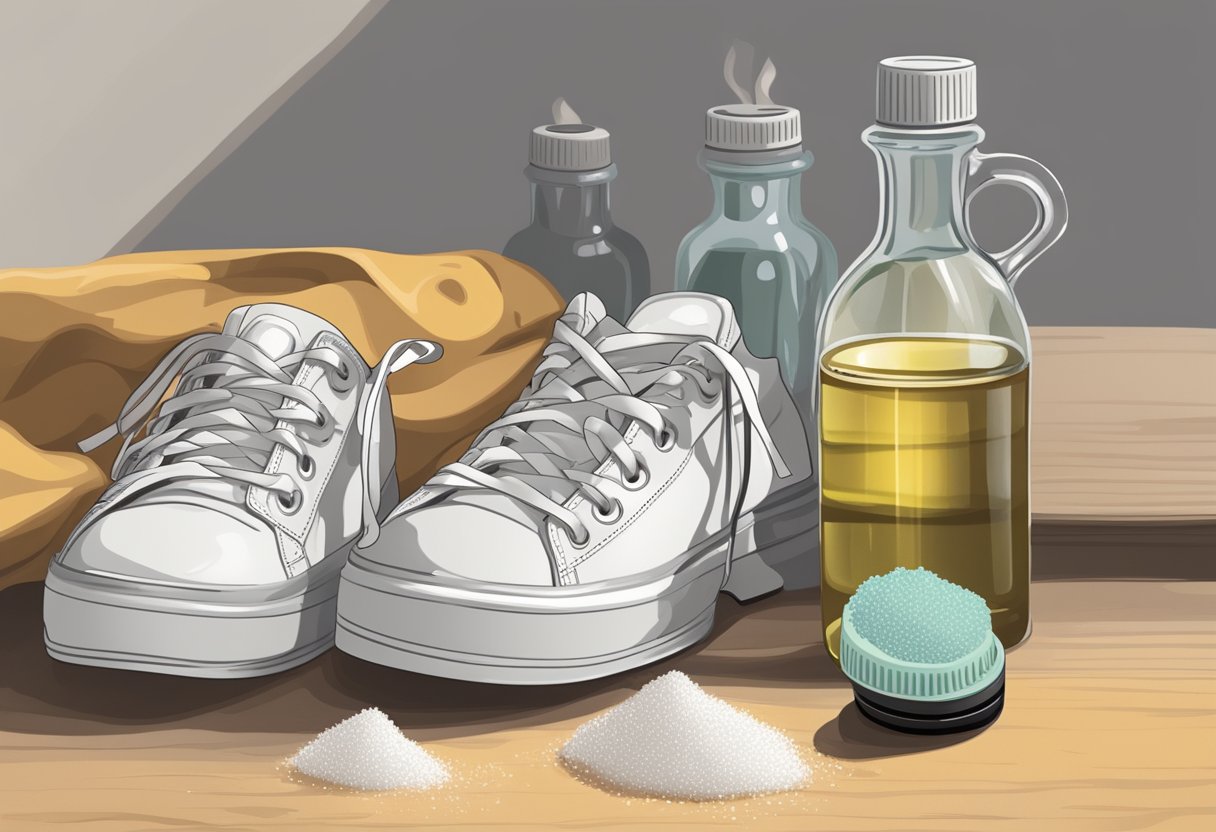
 

Natural Remedies for Foot Odor


Understanding the root causes of foot odor is essential in preventing it. This includes maintaining proper foot hygiene, choosing the right footwear, and considering diet’s impact on body odor.


While daily washing is crucial, integrating natural foot soaks and powders can directly address the bacteria and sweat. Being mindful of foot health and hygiene can lead to long-term relief from foot odor.

Key Takeaways


  • Regular hygiene practices are fundamental in controlling foot odor.
  • Natural remedies like tea soaks and essential oils can effectively eliminate bacteria on feet.
  • Choosing proper footwear and paying attention to diet are important preventive measures.

Understanding Foot Odor


Video Credit: @DrTomBiernacki


Foot odor is a common concern that can be attributed to various factors. Your daily activities, hygiene habits, and choice of footwear all play a role in the development of foot odor.

Causes of Foot Odor


Foot odor typically originates from sweat and the interaction between your feet and shoes. When your feet sweat, the moisture becomes trapped in your socks and shoes, creating an ideal environment for bacteria to thrive. Factors contributing to excessive sweating include:


  • Physical activity: Engaging in sports or intense exercise can increase foot perspiration.
  • Hyperhidrosis: A medical condition characterized by excessive sweating not necessarily linked to heat or exercise.
  • Stress: Emotional stress can trigger sweat production, including on your feet.

Bacteria and Sweat


The primary culprit behind foot odor is the bacteria on your skin. These microorganisms feed on sweat and dead skin cells, producing isovaleric acid, which gives off a characteristic unpleasant smell. Different bacteria play roles in foot odor:


  • Staphylococcus hominus: Commonly associated with body odor.
  • Corynebacteria: Contribute to the smell by breaking down sweat.
  • Brevibacteria: Also known to cause strong odors, often compared to cheese.


OrthoFeet Pain Relief Sneakers and Technology

Shoe Material Impact


The material of your shoes significantly affects foot odor. Breathable materials like leather and canvas allow air circulation, reducing moisture buildup.


In contrast, shoes made from synthetic materials tend to trap moisture and provide a breeding ground for bacteria. To minimize foot odor, consider these shoe material options:


  • Natural fibers: They provide better ventilation for your feet.
  • Moisture-wicking linings: These can help keep feet drier.
  • Mesh panels: For enhanced airflow in athletic shoes.

Daily Hygiene Practices


Incorporating routine measures into your daily hygiene can significantly reduce foot odor. Focus on thorough cleansing, keeping your feet dry, and choosing appropriate socks.

Proper Foot Washing Techniques


Step 1: Use a soap that is effective against bacteria and wash your feet thoroughly to remove dirt and sweat contributing to odor.


Step 2: Scrub between your toes and the entire foot surface, ideally with a washcloth or brush, to remove all bacteria.

Importance of Dry Feet


After washing, pat your feet dry with a clean towel, especially between the toes. Dampness encourages bacterial growth, so it’s crucial your feet are completely dry.

Sock Selection Tips


  • Material: Opt for socks made of materials like wool, bamboo, or special antibacterial fabrics that wick away moisture.
  • Change Frequency: Change socks daily, or more often if you sweat excessively, to keep your feet fresh.

Natural Remedies Overview

 

Natural Remedies for Foot Odor


In this section, you will learn about the advantages of using natural solutions for foot odor and how they compare with commercial products.

Benefits of Natural Solutions


Safety: Natural remedies often involve ingredients found in your home, such as baking soda or essential oils, which are gentle on your skin.


Cost-Effectiveness: Utilizing household items for foot odor can be more economical than purchasing specialized foot-care products.

Comparison with Commercial Products


Ingredients Transparency: With natural remedies, you know exactly what you’re applying to your feet, unlike some commercial products, which may contain a mix of chemicals.


Environmental Impact: Your choice of natural foot odor remedies can be more eco-friendly, as it reduces the need for packaging and manufactured chemicals.

Home-Made Solutions


Simple ingredients found in your home can be crafted into effective natural remedies when combating foot odor.

Tea-Based Foot Soaks


You can reduce foot odor by preparing a foot soak using tea. Boiling two tea bags in a pint of water, allowing them to steep, and then diluting with two quarts of water creates a mixture that you can use to soak your feet. A tea-based foot soak can be performed for 15 to 30 minutes each day to help eliminate odor.

Baking Soda Applications


Baking soda is known for its odor-absorbing properties. Sprinkle baking soda inside your shoes or socks, or apply a paste made of baking soda and water to your feet. As a natural deodorant, baking soda applications can help neutralize foot odor and absorb excess moisture.

Vinegar Soaks for Feet


Vinegar creates an acidic environment that can reduce bacteria on your feet. Mix one part vinegar with two parts water to create a soaking solution.


Immersing your feet in a vinegar soak for 20 minutes can assist in reducing odor-causing bacteria. Avoid using vinegar if you have open sores or wounds on your feet.

Essential Oils for Foot Odor


Video Credit: @wayofwill8034


Essential oils possess natural antibacterial properties, which can effectively combat the bacteria that cause foot odor. When used properly, they provide a safe and natural way to address unpleasant smells while also refreshing your skin.

Lavender Oil Use


Lavender oil is renowned for its calming scent and is also a powerful ally against foot odor. Its antibacterial properties help to eliminate the bacteria that contribute to unpleasant smells. Add a few drops to a foot bath, or make a homemade foot scrub with sugar and olive oil.

Tea Tree Oil Benefits


Tea Tree oil stands out as one of the most potent essential oils for fighting foot odor due to its strong antimicrobial properties. It is a go-to solution for killing bacteria and fungi. Mixing a few drops of tea tree oil with a carrier oil and applying it to your feet can help keep them fresh and clean.

Peppermint Oil for Refreshing Feet


Besides having a refreshing scent, Peppermint oil offers a cooling effect that revives tired feet.


Its antimicrobial properties can help neutralize foot odor and are an excellent addition to a DIY foot soak. Just a couple of drops of water can provide instant relief and a refreshing experience.

Dietary Considerations



Your diet plays a crucial role in managing foot odor. You can reduce unpleasant smells by understanding which foods to avoid and what dietary changes can help.

Hydration for Reducing Odor


Staying well-hydrated is essential for minimizing foot odor. Water helps flush toxins out of your body, reducing the buildup of bacteria on your skin.

Foods to Avoid


Certain foods can increase sweat production or lead to more pungent body odor. Consider limiting:


  • Garlic and onions: These foods have strong scents that can be excreted through your pores.
  • Spicy foods: Can cause your body to sweat more, leading to an increase in foot odor.
  • Refined carbohydrates and sugary foods: May contribute to the growth of smell-producing bacteria.

Beneficial Dietary Changes


To combat foot odor, integrate foods that can naturally reduce perspiration and bacteria growth:


  • Whole grains and leafy greens: Support overall digestion and may reduce sweat and body odor.
  • Probiotics: Found in yogurt and fermented foods, these can balance the bacteria in your body.
  • Zinc-rich foods: Shellfish, nuts, and seeds can potentially reduce foot odor.

Choosing the Right Footwear


The right footwear is crucial in managing foot odor. Selecting materials that allow your feet to breathe, shoes that fit properly, and rotating your shoes can significantly reduce the incidence of unpleasant smells.

Breathable Materials


Materials matter for the health of your feet. Shoes made from natural materials, like leather or canvas, allow for better air circulation around your feet, reducing the moisture buildup that leads to odor. When shopping, seek out shoes labeled as “breathable.”

Proper Fitting Shoes


Shoes that fit well are less likely to cause sweating, which can contribute to odor. Your shoes should have enough space to wiggle your toes but still provide support. If your shoes are too tight or loose, they can promote sweating and increase the risk of foot odor.

Alternating Shoes to Reduce Odor


Let your shoes breathe. Rotating between different pairs of shoes gives them time to air out and dry, preventing the proliferation of bacteria and fungi. Aim not to wear the same pair two days in a row, and consider using open shoes like sandals when possible.

Preventative Measures


Taking proactive steps can significantly reduce foot odor. These include keeping your feet dry, using products that target the causes of the smell, and ensuring your footwear remains clean.

Antifungal Powders


Antifungal powders can be a key line of defense against foot odor. By applying powders like baking soda, you create an environment that is inhospitable for the yeast and fungi that contribute to smelly feet.

Foot Deodorants


Incorporating foot deodorants into your daily routine can also help. These products often contain ingredients like lavender oil, which has a pleasant fragrance and possesses antibacterial properties to reduce odor.

Maintaining a Clean Shoe Environment


Lastly, maintaining a clean shoe environment is crucial. Alternating shoes to give them time to air out and using shoe sanitizers can minimize the presence of odor-causing bacteria. Regularly washing your footwear, when applicable, will also contribute to a fresher scent.

Wrapping It Up


Natural remedies can effectively tackle foot odor. Try using baking soda, vinegar, or essential oils. Keep your feet clean and dry.

Wear breathable shoes and change socks regularly. Remember, home remedies are simple yet powerful. Say goodbye to foot odor and enjoy fresh, comfortable feet!

Frequently Asked Questions

What natural remedies are effective for eliminating foot odor permanently?

Consistent foot hygiene paired with daily use of foot deodorizers such as soaking in black tea reduces sweating and eliminates bacteria that cause odor.

Which home remedies can prevent my feet from smelling in shoes?

Wear socks made from natural materials to absorb sweat, and consider sprinkling baking soda inside your shoes to neutralize odors. Applying foot powders or natural antiperspirants can also prevent odor.

What causes persistent foot odor even after proper hygiene?

Persistent foot odor can occur due to excessive sweating, providing an environment for bacteria to thrive. It might be a sign of hyperhidrosis or a fungal infection, requiring more targeted treatments.

What are quick, natural remedies for foot odor?


Applying rubbing alcohol to your feet can quickly dry them out and reduce odor. Using lemon juice or vinegar as a natural astringent can also be a fast-acting solution.

Can baking soda be used to treat foot odor, and how should it be applied?

Yes, baking soda can be used to Treat Foot Odor by absorbing moisture and neutralizing pH levels. Sprinkle it on your feet and in your shoes regularly to manage odor.

Are there any natural foot soaks that can detoxify and reduce foot odor?

Foot soaks with Epsom salts, apple cider vinegar, or baking soda can detoxify feet and reduce odor. A black tea soak can also be particularly effective due to the tannic acid present in the tea.

Learn What’s Best for Your Feet!


Learn what’s best for your feet with us! We offer an array of tips and tricks for foot care and relief.


FACEBOOK

TWITTER


For a deeper dive into foot health, visit our website: feet-relief.com. 


Your journey towards happy, healthy feet starts here!

How to Treat Bunions: Effective Management and Relief Strategies

How to Treat Bunions: Effective Management and Relief Strategies

Bunions, those bony bumps that form at the base of the big toe, are a common foot deformity with various treatment options. To treat bunions, you must understand their causes and mechanics.


They develop from the big toe pushing against the next toe, throwing the joints out of alignment. While bunions may have a hereditary component, wearing tight or narrow shoes can exacerbate the problem, leading to pain and the need for treatment.

Treating Bunions: Non-Surgical and Surgical Approaches


Treat Bunions


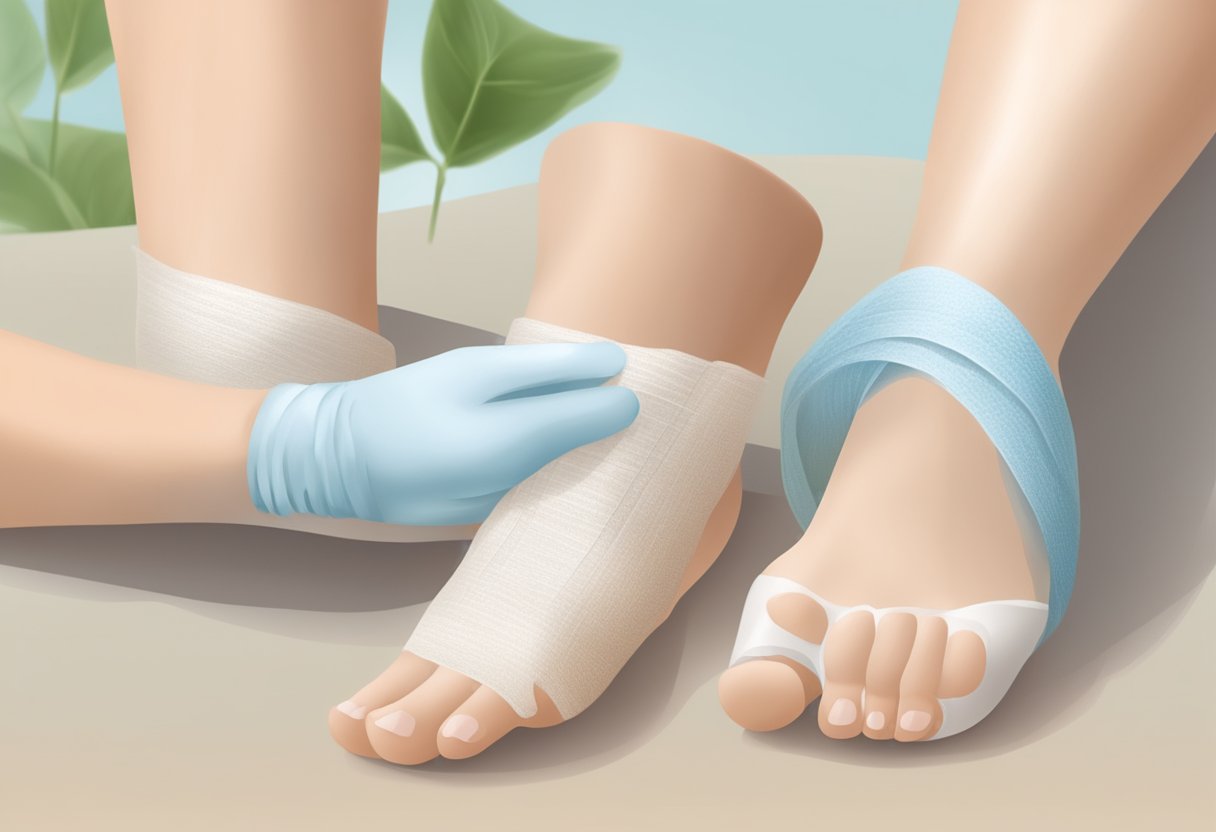
Non-surgical treatments are typically the first approach to managing bunion pain and include lifestyle modifications, such as choosing the right footwear. Shoes should have a wide toe box and provide adequate support to alleviate pressure on the bunion. In addition, bunion pads, splints, and custom orthotics can also provide relief and prevent worsening of the deformity.


If these measures do not sufficiently control the pain, anti-inflammatory medications may be recommended. Although these methods won’t treat bunions, they can significantly reduce symptoms.


Surgical intervention is considered when bunion pain continues to interfere with daily activities and the quality of life is compromised. A variety of surgical options exist, each tailored to the bunion’s severity and the patient’s needs.


It’s essential to consult with a healthcare professional when pain persists, as they can guide you through treatment choices, including surgery, if necessary. Preventative measures post-treatment are crucial and include maintaining proper footwear to prevent recurrence.

Key Takeaways


  • Bunions are often treated with lifestyle adjustments, like wearing wide, supportive shoes.
  • Non-surgical methods include orthotics and anti-inflammatory medications to relieve symptoms.
  • Surgery is an option for persistent pain or severe bunions, complemented by preventative care post-treatment.

Understanding Bunions

Video Credit: @ClickOnDetroitLocal4WDIV


Bunions are a common foot condition that can cause discomfort and affect your daily activities. Proper knowledge about their nature and early detection is crucial to managing their impact on your life.


Definition and Causes


A bunion, medically known as hallux valgus, is a bony bump that forms on the joint at the base of your big toe. It develops when the bones in the front part of your foot move out of place, which compels your big toe to lean toward the smaller ones, leading to the characteristic bump on the joint.


The exact causes of bunions are varied, but they may include genetic predispositions, certain foot stresses, and footwear that doesn’t fit properly, often exacerbating the condition. Conditions such as arthritis can also play a role in the development of bunions.


OrthoFeet Pain Relief Sneakers and Technology


Symptoms and Diagnosis

A bunion’s most obvious symptom is a bump on the side of your foot. However, you may also experience pain and soreness, inflammation and redness, a burning sensation, or possibly numbness. Bunions can lead to additional complications like bursitis or the development of hammertoe.


Diagnosing a bunion typically involves a physical examination by a healthcare professional. They may also request imaging tests, such as an X-ray, to determine the degree of the deformity. Your doctor can assess how the bunion affects your foot’s alignment and discuss appropriate treatment options with you.

Non-Surgical Treatments

Video Credit: @DrAndrewSchneider


To treat bunions, opting for non-surgical treatments can alleviate discomfort and improve your foot health. Let’s explore the most effective non-invasive options.

Proper Footwear


Selecting the right shoes is crucial in managing bunion pain. Your shoes should have a wide toe box to reduce pressure on the bunion and a comfortable fit to prevent worsening of the bunion deformity. Cleveland Clinic suggests that protecting the bunion with pads can also provide relief.

Orthotics


Over-the-counter and custom-made orthotic devices can help realign your foot to take pressure off the bunion. They can also improve arch support and contribute to the stabilization of your foot. For more information on how orthotics can help with bunions, consider the details provided by Healthline.

Pain Management


Nonsteroidal anti-inflammatory drugs (NSAIDs) can be effective in reducing both pain and swelling. Alternating between applying heat and ice can also offer pain relief. HealthPartners outlines tips for managing bunion pain, which include these home-based treatments.


OrthoFeet Pain Relief Sneakers and Technology

Physical Therapy


Physical therapy exercises can enhance the flexibility of your toe and foot muscles. So, strengthening exercises and stretches specifically tailored for bunions can help maintain joint mobility and ease discomfort.

Lifestyle and Home Remedies

Video Credit: @dr.fredericksoriginal8521


To manage and treat bunions, there are steps you can take at home to alleviate pain and prevent the condition from worsening. Focusing on proper foot care and incorporating simple remedies can bring relief and protect your feet.

Exercises


Toe Stretches: Flex your toes and then curl them for a 5-second hold, repeating this 10 times.


Toe Flexing and Contracting: Press your toes against a hard surface such as a wall, stretching them back, and hold for a few seconds. Perform exercises like these regularly to maintain joint mobility and relieve the pressure on your bunion.

Protective Pads


Using non-medicated bunion pads can shield the bunion from excessive rubbing against your shoes. Opt for gel or moleskin pads, ensuring they fit comfortably within your footwear and do not cause additional pressure on the toe joint.

Icing and Elevation

For swelling, apply an ice pack wrapped in a cloth to your bunion for about 15-20 minutes to reduce inflammation. Elevate your foot above heart level to decrease swelling when sitting or laying down. These measures are especially helpful following activities that exert pressure on your feet.

Surgical Options

Video Credit: @Footankle


When conservative treatments for bunions, such as padding, splinting, or medication, are ineffective, surgical intervention may be considered. Your specific condition will determine the type of surgery needed and the preparation and recovery process involved.

Types of Bunion Surgeries


There are several surgical procedures that can treat bunions. The surgery performed often depends on the severity of the bunion and might include:


  • Osteotomy: This procedure involves cutting and realigning the bone to correct the deformity.
  • Exostectomy: This surgery includes shaving off the enlarged portion of the bunion but is usually combined with an osteotomy.
  • Arthrodesis: Replacement of the damaged joint with screws or metal plates to correct severe cases.


For more detailed information, Johns Hopkins Medicine provides a helpful overview of bunion surgery and the different techniques that may be used.

Preparation and Recovery


Preparing for bunion surgery typically requires:


  • Preoperative tests: To ensure you are fit for surgery.
  • Fasting: Following instructions on when to stop eating and drinking before the procedure.


Post-surgery recovery protocols may include:


  • Rest: Keeping weight off the foot is crucial.
  • Ice, compression, and elevation: This can help manage swelling and pain.
  • Physical therapy: Exercises can aid in recovery to regain strength and mobility.


The Cleveland Clinic offers additional details on what to expect during the recovery from bunion surgery.

Risks and Considerations


Every surgical procedure carries potential risks, and bunion surgery is no different. Consider these risks:


  • Infection: Always a possibility with surgery.
  • Nerve damage: May result in numbness or tingling in the toe.
  • Recurrence of the bunion: If post-surgery instructions are not followed.


It is important to discuss these risks fully with your healthcare provider. The Mayo Clinic addresses the necessity of surgery and associated risks, emphasizing the importance of surgery only when a bunion causes frequent pain or interferes with daily activities, which you can find resources on at diagnosis and treatment.

When to See a Doctor

Video Credit: @southfloridaorthopaedicsan8090


If you’re experiencing discomfort or pain in your foot, potentially due to a bunion, certain signs indicate it’s time to consult a healthcare provider. Here’s when seeking medical advice is recommended:


  • Persistent Pain: If you have continuous or severe pain that doesn’t improve with rest, ice, or over-the-counter pain relievers.
  • Visible Deformity: When you notice a bony bump forming at the base of your big toe or if your big toe starts angling toward your other toes.
  • Limited Toe Movement: Difficulty or inability to move your big toe can affect your balance and walking.
  • Symptoms Affect Daily Activities: If the bunion causes you significant pain or interferes with your daily activities, like walking or fitting into shoes.


Treatment Options: Initial treatments for bunions can often include footwear, padding, or orthotics changes. In some cases, when these methods are inadequate and your quality of life is compromised, bunion surgery may be necessary. Surgery is aimed at relieving pain and correcting the deformed toe joint.


Regular self-assessment and timely medical consultation can prevent bunions from worsening. Addressing foot pain early with a doctor can lead to a better outcome and may prevent the need for invasive procedures.

Prevention and Long-Term Care

Video Credit: @Tsaog


Taking proactive steps can significantly enhance your foot health when you want to treat your bunions and looking for long-term care.

Proper Footwear


  • Wear shoes with a wide toe box to prevent crowding of your toes.
  • Look for shoes that provide good arch support and a low heel.
  • Avoid tight, narrow, or high-heeled shoes that can exacerbate bunions.

Foot Exercises


  • Perform strengthening exercises to maintain toe flexibility, such as toe stretches, toe flexes, and resistance exercises.
  • Engage in balance training and foot exercises to enhance the stability of your feet.

Protective Pads


  • Utilize gel-filled or moleskin pads to protect the bunion area from additional pressure.
  • Over-the-counter arch supports, or orthotics can help distribute pressure more evenly.

Medication and Self-Care


  • For bunion pain, consider OTC pain relievers like ibuprofen or acetaminophen.
  • Apply ice packs to reduce swelling and alleviate discomfort.

Regular Check-Ups


  • Schedule regular appointments with a podiatrist to monitor bunion progression.
  • A podiatrist can suggest appropriate interventions in case of increased pain or deformation.

Integrating these strategies into your daily routine can help manage your bunion symptoms and potentially prevent further progression. If discomfort persists or worsens, consult a healthcare professional for personalized advice and treatment options.

Wrapping It Up


Proper care and management are essential to treat bunions. Wear comfortable, well-fitting shoes. Try exercises and bunion pads for relief. If pain persists, consult a healthcare professional.

Remember, early treatment can prevent worsening. Take care of your feet, and they’ll take care of you!

Frequently Asked Questions

What are the best natural remedies for reducing bunion size?

Applying ice and maintaining a healthy weight can help manage the size and discomfort of bunions. Padding and wearing roomy, comfortable shoes that provide ample toe space are also beneficial.

What self-care strategies can alleviate bunion discomfort?

Adopting self-care strategies such as bunion pads or custom orthotics can relieve pain, while over-the-counter pain relievers like ibuprofen may reduce inflammation and pain.

How can one ease bunion pain while engaging in walking activities?

Supportive footwear and cushioned socks can minimize bunion pain during walking. Consider shortening your stride to reduce pressure on the affected area.

What are effective nighttime treatments for throbbing bunion pain?

A warm foot soak followed by gentle stretches or massage may relieve throbbing pain at night. Night splints designed for bunions can also help to alleviate discomfort.

Can lifestyle changes impact the formation or progression of bunions?

Yes, embracing lifestyle changes like choosing appropriate footwear and maintaining a normal body weight can slow the progression of bunions and even prevent them from forming.

Are there any at-home methods effective to treat bunions?

Bunions are permanent unless surgically corrected, but at-home treatment options can ease discomfort and prevent worsening. These include toe spacers, bunion pads, and exercises to maintain joint mobility.

Learn What’s Best for Your Feet!


Learn what’s best for your feet with us! We offer an array of tips and tricks for foot care and relief.


FACEBOOK

TWITTER


For a deeper dive into foot health, visit our website: feet-relief.com. 


Your journey towards happy, healthy feet starts here!

Managing Achilles Tendonitis: Pain Relief and Recovery

Managing Achilles Tendonitis: Pain Relief and Recovery

Achilles tendonitis is a common injury that affects the largest tendon in your body—the Achilles tendon. This tendon vital for walking, running, and jumping, connects your calf muscles to your heel bone.


When it becomes inflamed, it can cause pain and discomfort that may disrupt your daily activities. Understanding what contributes to this tendinopathy and recognizing its symptoms are critical first steps in effectively managing this condition.


=Achilles Tendonitis: Balancing Rest, Exercise, and Lifestyle

To manage Achilles tendonitis, it is essential to approach treatment with a balance of rest, targeted exercises, and lifestyle modifications. Strategies such as reducing activities that exacerbate symptoms, incorporating stretching and strengthening exercises, and using appropriate footwear can aid in alleviating pain and promoting healing. In some cases, more advanced treatment options may be necessary, and recognizing when to seek professional guidance can help prevent further injury and aid in a successful recovery.

Key Takeaways


  • Achilles tendonitis involves inflammation of the tendon connecting the calf to the heel.
  • Management includes rest, exercises, and appropriate footwear.
  • Professional help may be needed for advanced treatments or persistent symptoms.

Understanding Achilles Tendonitis

Video Credit: @ZeroToFinals


Achilles tendonitis is a condition that requires proper knowledge of its anatomy, causes, and symptoms to manage effectively. Educating yourself on these aspects is vital for correct diagnosis and treatment.

Anatomy of the Achilles Tendon


Your Achilles tendon is a robust and fibrous band connecting the muscles in your calf to your heel bone. It’s the largest tendon in your body, designed to withstand great stresses from running and jumping, yet vulnerable to injury when overused or improperly loaded.


OrthoFeet Pain Relief Sneakers and Technology


Causes of Achilles Tendonitis


Achilles tendonitis often results from repetitive stress to the tendon. This can occur due to a sudden increase in the intensity or duration of physical activity, tight calf muscles, or abnormal foot biomechanics. External factors like inadequate footwear can also contribute to the development of this condition.


Symptoms and Diagnosis


Common symptoms include pain and stiffness along the Achilles tendon in the morning, pain along the tendon or back of the heel that worsens with activity, and severe pain the day after exercising. Diagnosis is typically made through a physical examination, with imaging tests such as ultrasound or MRI used to rule out other conditions.

Treatment Strategies

Treating Achilles tendinitis involves a multi-faceted approach to reduce pain, promote tendon healing, and rebuild strength to prevent future injury.

Initial Pain Management


To address the immediate discomfort from Achilles tendinitis, you should begin with rest and avoid activities that exacerbate the pain. This may include temporary cessation of running or other high-impact sports.


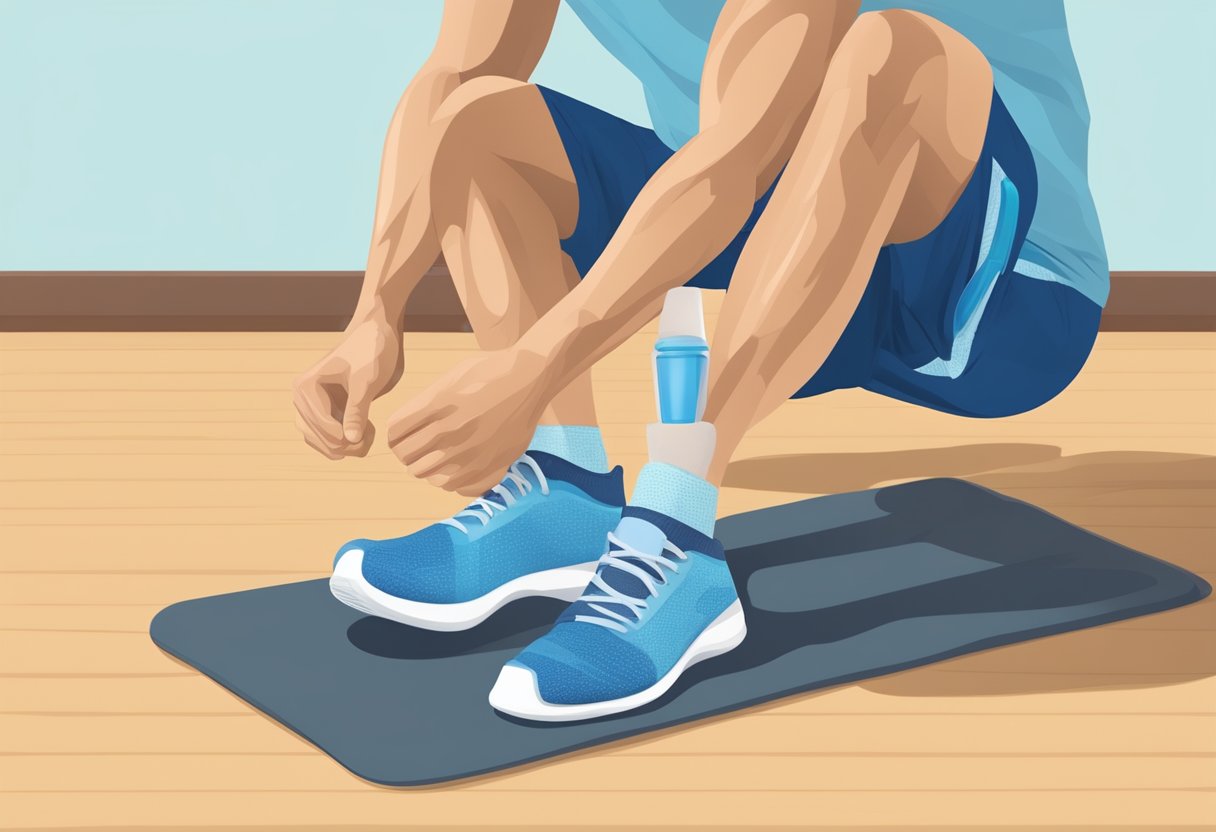
Ice application for 20 minutes several times a day can help reduce inflammation and pain. Elevating your leg when possible can also assist with decreasing swelling. For added support, compression bandages or sleeves may be beneficial.


Physical Therapy and Rehabilitation


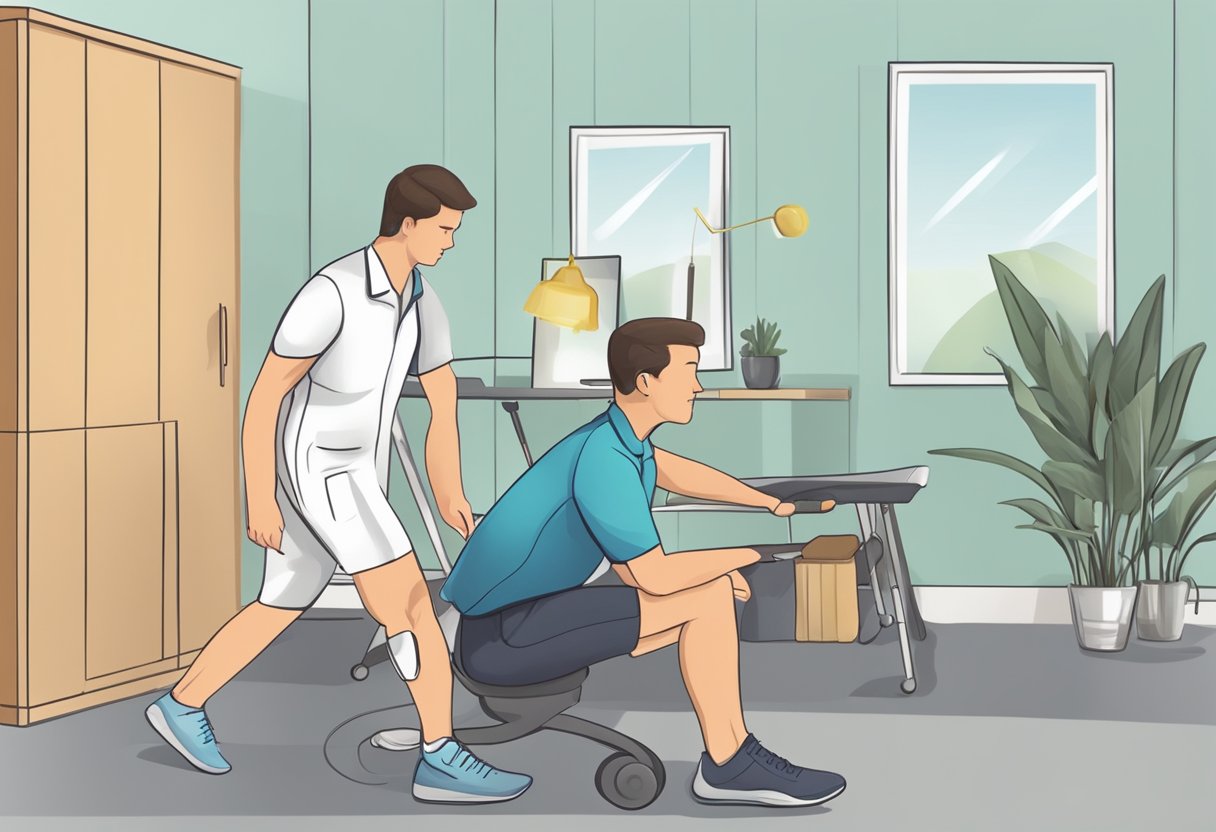
Engaging in physical therapy is a crucial step in recovery. A physical therapist can guide you through specific stretching and strengthening exercises that enhance healing and fortify the structures around the Achilles tendon. Eccentric strengthening exercises, which involve lengthening the muscle while contracting it, have shown particular effectiveness.


Medication and Supplements


Over-the-counter pain relievers like ibuprofen can be utilized to alleviate pain and reduce inflammation. However, they should be used sparingly and according to the manufacturer’s instructions. Some evidence suggests certain supplements might aid recovery, though you should consult a healthcare professional before starting any new medication or supplement regimen.

Preventive Measures


Preventing Achilles tendonitis involves a multifaceted approach, focusing on proper exercise techniques, suitable support through footwear, and nourishing your body with the right nutrients.

Exercise and Training Modifications


  • Gradually Increase Activity: Avoid sudden spikes in exercise intensity or duration that can stress your Achilles tendon. Aim for a progressive increase in both mileage and pace.
  • Strength Training: Incorporate exercises that strengthen the calf muscles, such as heel drops, to provide better support to your Achilles tendon. Refer to Achilles Tendonitis Prevention Methods for Runners for specific strength exercises.


Footwear and Support


  • Proper Footwear: Choose shoes with adequate cushioning and arch support to reduce strain on the tendon. Footwear matters, so investing in the correct type can be a proactive step.
  • Orthotic Devices: Consider using custom orthotic devices if foot conditions contribute to tendon stress, such as overpronation or flat feet.


Nutrition and Lifestyle Factors


  • Maintain a Healthy Weight: Extra weight can add unnecessary stress to your Achilles tendon, emphasizing the importance of a balanced diet to manage your body weight effectively.
  • Anti-inflammatory Foods: Consume foods high in omega-3 fatty acids and antioxidants to help reduce inflammation in your body.

Advanced Treatment Options

Video Credit: @NEJMgroup


When conservative treatments for Achilles tendinitis do not result in improvement, more advanced options may be considered. These include injection therapies and surgical interventions, each with specific indications and outcomes.

Injection Therapies


Injection therapies can provide targeted relief and facilitate healing in the Achilles tendon. Platelet-rich plasma (PRP) injections involve concentrating platelets from your blood and injecting them into the injured tendon area, promoting healing through growth factors. Another method, corticosteroid injections, can offer temporary pain relief; however, they are less favored due to the potential risks of tendon weakening or rupture.


Surgical Interventions


Surgical options become viable when your tendon damage is severe or when there is a failed response to nonsurgical approaches. Gastrocnemius recession is a procedure intended to lengthen the calf muscles, reducing stress on the tendon.


Tendon repair surgery may be necessary in cases where the tendon is severely damaged. This involves removing damaged sections of your Achilles tendon and possibly reconstructing the tendon using grafts.

Recovery and Prognosis

Video Credit: @TreatMyAchilles


When managing Achilles tendinitis, your recovery time will vary depending on the severity of the condition and adherence to treatment protocols. Typically, with proper care, you can expect a steady improvement.

Immediate Steps:

  • Rest: Give your tendon the necessary time off from activities that aggravate it.
  • Ice: Apply ice to the affected area to reduce pain and swelling.


Rehabilitation Exercises:

  1. Calf Stretching: Regular stretching can enhance flexibility and lessen tension on your tendon.
  2. Strengthening Exercises: Once pain allows, gentle exercises to strengthen calf muscles are beneficial.


Medical Interventions:

  • Medication: Anti-inflammatory drugs can help alleviate pain.
  • Therapy: Consult a physiotherapist for personalized exercises and treatments.


Prognosis:

  • Most cases of Achilles tendinitis resolve with conservative treatments within days to weeks.
  • Persistent symptoms may require more advanced care, such as platelet-rich plasma injections.
  • Shift to low-impact activities to prevent recurrence.

Your recovery hinges on listening to your body and following professional guidance. Patients who manage their activities and commit to their treatment often see positive outcomes.


If symptoms persist or worsen, it is critical to seek further medical advice. Remember that returning to high-intensity activities should be gradual, allowing your tendon to adapt and strengthen.

When to Seek Professional Help


Achilles Tendonitis


Recognizing when to seek medical attention is crucial if you’re dealing with Achilles tendonitis. Here are specific situations where professional help is needed:

  • Persistent Pain: If your Achilles pain does not improve after a few days of self-care, including rest, icing, and over-the-counter pain relief.
  • Severe Symptoms: Sharp or unbearable pain warrants immediate medical consultation, especially if it occurs suddenly or without an injury.
  • Impaired Functionality: Difficulty walking or an inability to stand on your toes are indicators that a professional assessment is necessary.
  • Recurrent Issues: Frequent episodes of tendonitis, even if they seem to resolve with rest, should be evaluated to determine the underlying cause.

    Visual or Physical Changes: Noticeable swelling, redness, or warmth around the tendon or any deformity in the area could suggest a more severe condition like a tendon rupture.

    Symptom Action Required
    Persistent Pain Schedule an appointment with a healthcare provider
    Severe Symptoms Seek immediate medical care
    Impaired Functionality Consult a healthcare provider for an evaluation
    Recurrent Issues Visit a specialist for a full assessment
    Visual or Physical Changes Obtain urgent medical attention
    You can also refer to self-manage your Achilles tendon pain for guidance on self-management and additional information. But remember, if your symptoms are not improving or worsening, do not hesitate to see a healthcare professional.


    Wrapping It Up

    Managing Achilles tendonitis requires patience and the right approach. Rest, ice, and gentle stretching help in recovery. Wear supportive shoes and consider orthotics.


    If pain continues, seek medical advice. Remember, gradual progress is key. Take care of your Achilles tendon for a pain-free, active lifestyle!

    Frequently Asked Questions

    What exercises are recommended for strengthening the Achilles tendon?

    Strengthening the Achilles tendon is vital for recovery and prevention of Achilles tendonitis. Your focus should be on gentle calf raises, eccentric heel drops, and toe-to-wall stretches that promote tendon health without excessive strain.

    Why might Achilles tendonitis persist despite treatment efforts?

    Persistent Achilles tendonitis can be due to factors such as inadequate rest, returning to high-impact activities too quickly, or not fully adhering to rehabilitation protocols. Ensure you’re allowing adequate time for recovery and following professional medical advice.

    What should you do if you discover a lump on your Achilles tendon?

    If you notice a lump on your Achilles tendon, it’s important to consult a healthcare provider as soon as possible. This could be a sign of a tendon injury, such as tendinopathy or a partial tear.

    How can one effectively treat a sore Achilles tendon?

    To effectively treat a sore Achilles tendon, adhere to the RICE protocol – Rest, Ice, Compression, and Elevation. Over-the-counter pain relievers may also help, but consulting with a healthcare provider for personalized treatment is crucial.

    Which symptoms indicate the presence of Achilles tendonitis?

    Symptoms include a mild ache in the back of the leg or above the heel, which may worsen after running or climbing stairs. More severe pain after sustained activity could also indicate the presence of Achilles tendonitis.

    What are the best practices for stretching when dealing with Achilles tendonitis?

    For Achilles tendonitis, it’s recommended to perform stretches that are gentle and focused on the calf muscles. Static stretches held for 15-30 seconds, without bouncing, can help increase flexibility and reduce tension on the tendon.

    Learn What’s Best for Your Feet!


    Learn what’s best for your feet with us! We offer an array of tips and tricks for foot care and relief.


    FACEBOOK


    For a deeper dive into foot health, visit our website: feet-relief.com. 


    Your journey towards happy, healthy feet starts here!

    Treat Ingrown Toenails at Home: Effective Remedies

    Treat Ingrown Toenails at Home: Effective Remedies

    When one of my sons had a major ingrown nail on his big toe, the doctor recommended surgery for a permanent fix. The procedure was done with anesthetic but recovery care took time. Fortunately, it is usually possible to treat ingrown toenails at home. I’ve researched effective remedies and also prevention tips to help others avoid this painful condition.

    Treat Ingrown Toenails at Home: Effective Remedies and Prevention Tips

    Ingrown toenails can cause significant discomfort and pain, often resulting from improper nail trimming, footwear that crowds the toes, or genetic predisposition. While this condition is common, many cases can be effectively managed at home without the need for professional medical treatment. Recognizing the early signs and symptoms, such as redness, swelling, and pain around the toenail, is crucial for timely and successful at-home care.

    Effective home treatment for an ingrown toenail starts with proper identification and preparation. Soaking the affected foot can soften the nail and alleviate pain, making it easier to gently lift the ingrowing edge of the nail. Over-the-counter medication and simple remedies can also help reduce inflammation and discomfort as the toenail heals.

    Key Takeaways

    • Identifying symptoms early can lead to more successful at-home treatment.
    • Soaking the foot and proper nail care are critical steps in managing ingrown toenails.
    • Over-the-counter remedies can effectively reduce pain and inflammation.

    Understanding Ingrown Toenails

    https://www.youtube.com/watch?v=pD_kwiEjlO0&embed=true

    An ingrown toenail occurs when the edge of your toenail grows into the surrounding skin. This condition commonly affects the big toe and can result in pain, redness, and swelling. If not treated properly, it might lead to infection.

    Causes:

    • Improper nail trimming: Cutting your toenails too short or not straight across may encourage the nail to grow into the skin.
    • Tight footwear: Shoes that crowd your toenails can press the nail into the surrounding tissue.
    • Injury: Stubbing your toe or other trauma can lead to an ingrown toenail.

    Symptoms:

    • Pain and tenderness along one or both sides of the nail
    • Redness around the toenail
    • Swelling of the toe around the nail
    • Infection of the tissue around the toenail (if it’s infected)

    Prevention Tips:

    • Trim nails correctly: Straight across and not too short.
    • Choose proper footwear: Wear shoes with a wide toe box.
    • Protect your feet: Be cautious to avoid foot injuries.

    Treating an ingrown toenail at home involves soaking your foot in warm water, wearing comfortable shoes, and carefully lifting the nail. For persistent or severe cases, consult a healthcare professional. Remember, proper foot hygiene and mindful nail care are your best defenses against ingrown toenails.

    Identifying an Ingrown Toenail

    Before attempting any treatment, it’s crucial for you to accurately identify an ingrown toenail. An incorrect assessment can delay proper care or exacerbate the issue.

    Symptoms of Ingrown Toenails

    Early recognition of ingrown toenails can save you from further pain and complications. Common symptoms include:

    • Swelling around the nail
    • Pain when pressure is applied
    • Redness surrounding the toenail
    • Infection of the tissue indicated by pus

    If your toenail grows into the surrounding skin, causing red streaks or radiating pain, these are telltale signs that you may be dealing with an ingrown toenail.

    Causes of Ingrown Toenails

    Understanding what leads to ingrown toenails is essential for both prevention and treatment. The causes can include:

    • Improper toenail trimming, such as cutting too short or not straight across
    • Tight-fitting shoes that apply excessive pressure on the toenails
    • An injury such as stubbing your toe which may alter the nail’s growth pattern

    While factors like genetics can also play a role, the above causes are often the primary culprits behind an ingrown toenail.

    Preparation for Treatment

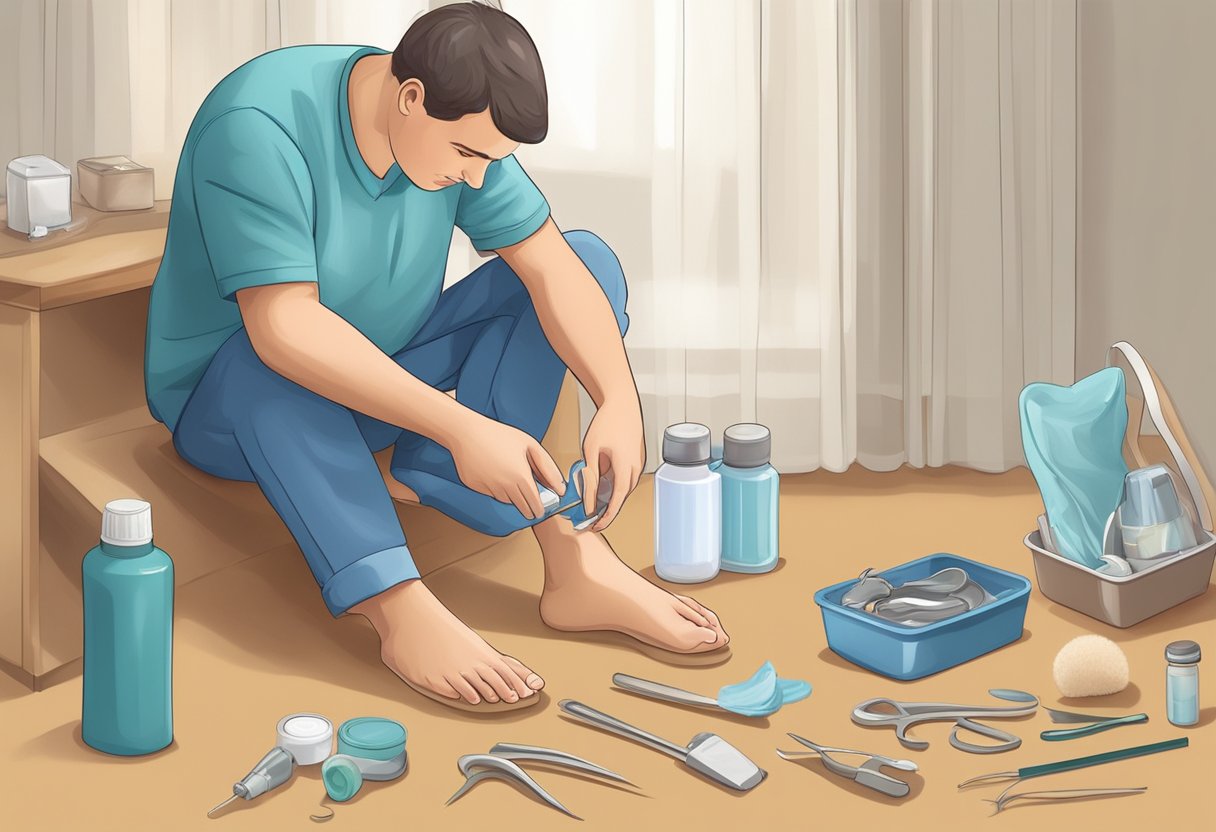
    Before attempting to treat your ingrown toenail at home, it’s important to determine whether self-care is appropriate and to ensure you have all the necessary tools on hand.

    When to Seek Professional Care

    You should consider professional medical treatment if you observe signs of infection, such as redness that spreads, increased pain, swelling, or pus. Untreated infections could lead to more serious complications, particularly if you have underlying health conditions like diabetes. Consulting a healthcare provider is crucial in these scenarios.


    OrthoFeet Pain Relief Sneakers and Technology


    Gathering Necessary Tools

    Home Treatment Methods

    https://www.youtube.com/watch?v=Ie3hTsTr1yI&embed=true

    Effective management of an ingrown toenail can alleviate discomfort and prevent infection. The following methods may assist in treating your ingrown toenail at home.

    Soaking the Foot

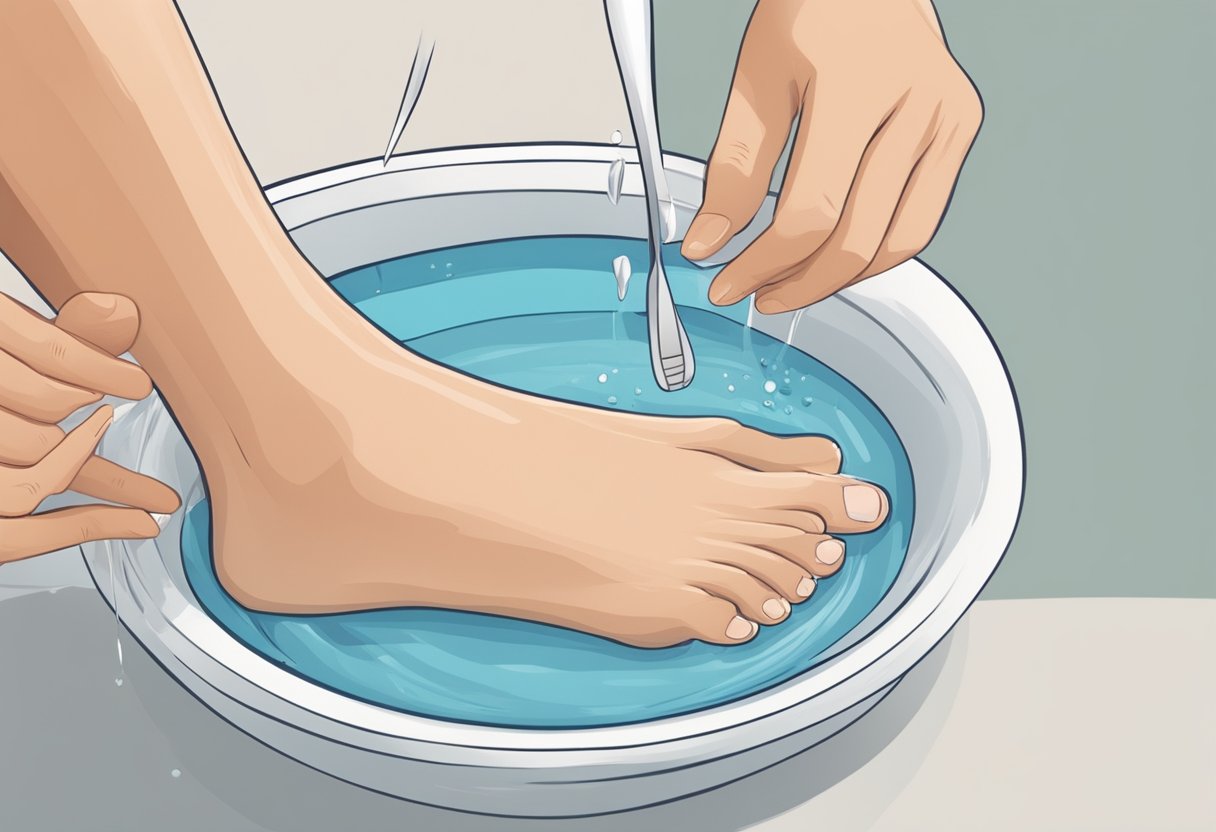
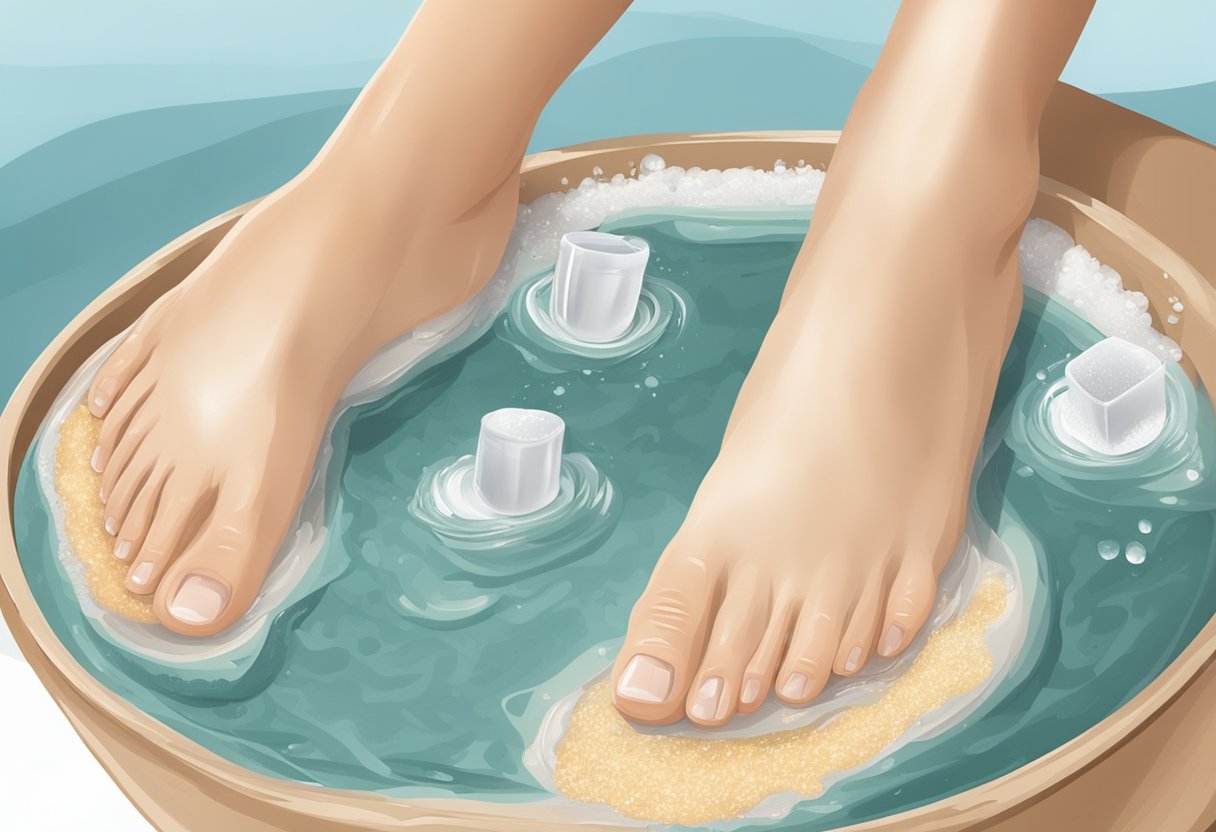
    Regularly soak your foot in warm water for about 15 to 20 minutes three to four times a day. This softens the skin around the ingrown toenail and can reduce swelling. Adding Epsom salt may help to further ease discomfort and soothe the affected area.

    Lifting the Nail

    After each soak, gently lifting the edge of the ingrown nail can encourage the nail to grow above the skin edge rather than into it. Use a piece of clean dental floss or a small cotton ball to carefully lift the nail. This is a temporary solution that can provide relief as the nail grows.

    Applying Antibiotic Cream

    To prevent infection, apply a thin layer of over-the-counter antibiotic cream or ointment to the tender area. Make sure to apply this cream after you’ve lifted the nail and before you bandage the toe, which can also help to keep the area clean.

    Bandaging the Toe

    After applying antibiotic cream, it’s important to cover the toe with a clean, dry bandage. This will protect the ingrown toenail and help to avoid further irritation from shoes or socks. Change the bandage daily to maintain cleanliness and assess the healing progress.

    Pain Management

    https://www.youtube.com/watch?v=TVALYjoSD0s&embed=true

    Managing pain is crucial when treating an ingrown toenail at home. Proper pain management can help you stay comfortable as your toe heals.

    Over-The-Counter Pain Relievers

    You can take over-the-counter pain relievers such as acetaminophen or nonsteroidal anti-inflammatory drugs (NSAIDs) like ibuprofen to alleviate the pain associated with an ingrown toenail. Follow the dosage instructions on the label and be aware of potential side effects.

    Home Remedies for Pain Relief

    Applying a warm compress to the affected area several times a day can reduce swelling and discomfort. Soaking your foot in warm water mixed with Epsom salts can also help to soften the nail and soothe the pain. Some individuals find relief using apple cider vinegar due to its anti-inflammatory properties, but it should not replace medical treatment if the condition worsens.

    Post-Treatment Care

    https://www.youtube.com/watch?v=usnO_XnNkEo&embed=true

    Successful management of an ingrown toenail doesn’t end with treatment. It’s crucial to protect the affected toe and monitor for signs of infection to ensure proper healing.

    Protecting the Toe After Treatment

    After treating an ingrown toenail, protecting the toe is essential. It’s advisable to:

    • Wear comfortable shoes that provide ample space for the toes to prevent added pressure on the nail.
    • Keep the toe clean by changing bandages regularly if you’ve been advised to keep it covered.

    Monitoring for Infection

    Infection can impede the healing process, so vigilance is key. You should:

    • Look for redness, swelling, heat, or pain, which could be indicative of infection.
    • Check for any discharge or foul smell, and seek medical attention promptly if these occur.

    Prevention Strategies

    In addressing ingrown toenails, prevention is essential. By maintaining proper foot hygiene, wearing appropriate footwear, and utilizing correct toenail trimming techniques, you can significantly reduce your risk of developing this painful condition.

    Proper Foot Hygiene

    Keeping your feet clean and dry is fundamental to prevent ingrown toenails. Wash your feet daily with soap and water, and make sure to dry them thoroughly, especially between the toes, to prevent moisture buildup that can facilitate infections.

    Appropriate Footwear

    Wearing shoes that fit properly is crucial. Ensure that your shoes have enough room to not squeeze or press on your nails. Consider options with a wide toe box that prevents crowding of the toes. If your shoes are too tight, the pressure can cause the nail to grow into the skin.

    Toenail Trimming Techniques

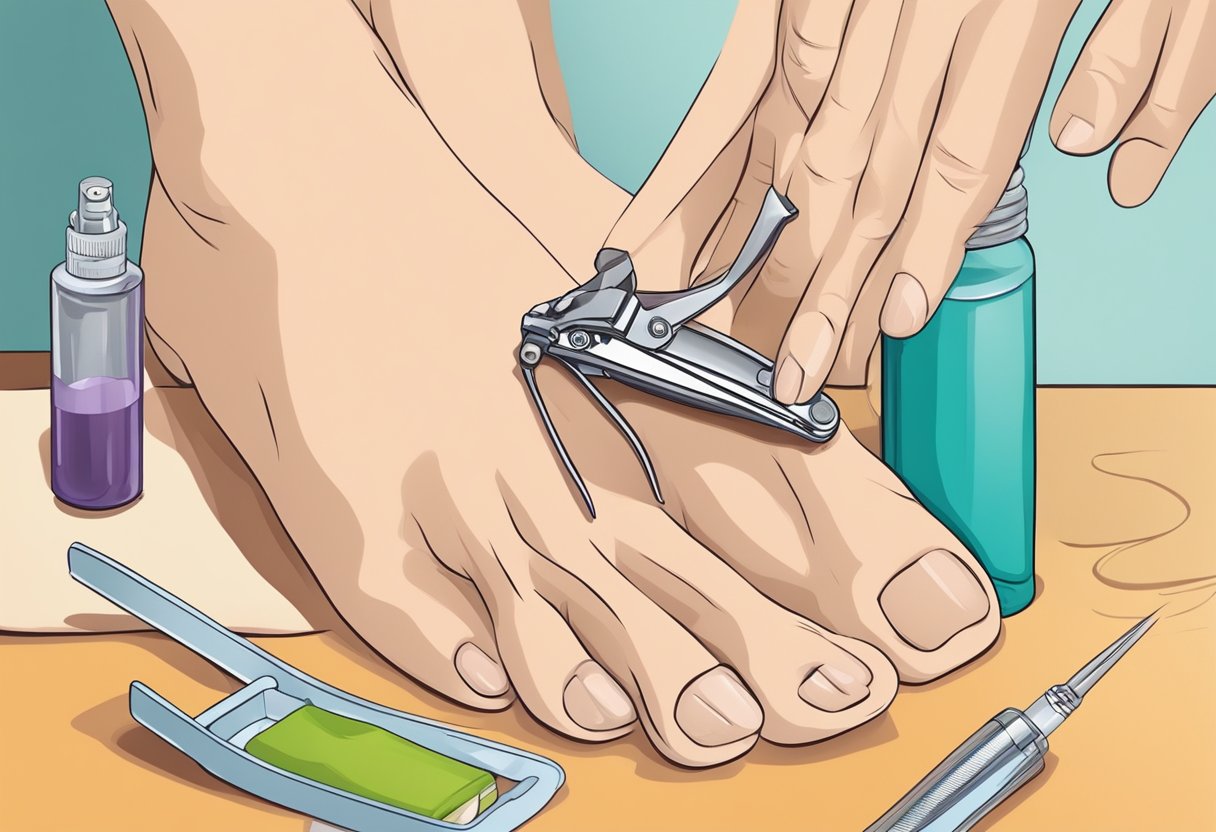
    Trim your toenails straight across and avoid cutting them too short. This Cleveland Clinic guide suggests that leaving the nails a little longer at the corners can help prevent the skin from folding over them, which often leads to ingrown toenails. Be careful not to round the corners of the nail, as this can also encourage the nail to grow into the surrounding skin.

    Frequently Asked Questions

    https://www.youtube.com/watch?v=8nEjRE5JFpE&embed=true

    This section addresses common concerns about home treatment for ingrown toenails, including self-care techniques, home remedies, and pain management strategies.

    What are effective methods for ingrown toenail self-care?

    Self-care for ingrown toenails starts with proper foot hygiene and wearing shoes that fit correctly to avoid excessive pressure on the toes. Soaking the affected foot in warm water with Epsom salt can soften the skin and nail, which may alleviate some discomfort.

    Can you describe a process for safe ingrown toenail removal at home?

    For safe at-home ingrown toenail removal, first, soak your foot to soften the nail. Then, gently lift the ingrown edge and place a small piece of clean cotton or dental floss under it to encourage the nail to grow above the skin edge. Be careful not to cut the nail or dig into the skin.

    What remedies can help dissolve an ingrown toenail?

    Remedies that claim to dissolve an ingrown toenail are not typically recommended or effective, as the condition involves the nail physically growing into the skin. Treatment should focus on relieving symptoms and correcting the nail’s growth pattern.

    Which medications are recommended for treating an ingrown toenail?

    Over-the-counter pain relievers such as ibuprofen or acetaminophen can help manage the pain associated with ingrown toenails. If an infection is present, a healthcare provider may prescribe antibiotics to clear the infection.

    Is it possible to fix an ingrown toenail permanently without surgery?

    In many cases, persistent care and proper nail trimming can resolve an ingrown toenail without the need for surgery. However, if ingrown toenails are recurrent or severe, a permanent solution may require minor surgical intervention by a professional.

    How can an ingrown toenail be numbed at home for painless removal?

    While complete painless removal at home isn’t guaranteed, over-the-counter topical anesthetics containing lidocaine may provide temporary numbness to the area. However, it’s essential to proceed with caution and consider professional assistance for toenail removal.


    Related Reading

    Ingrown Toenail Treatment: Essential Tips


    How to Cut Toenails to Avoid Ingrown Nails

    Common Toenail Problems and Solutions


    How to Keep Toenails Healthy and Strong


    Types of Toenail Fungus and Treatment Options


    Foot Arch Hurts When Walking

    Foot Arch Hurts When Walking

    Foot Arch Hurts When Walking: Understanding and Addressing the Pain

    Experiencing pain in the arch of your foot while walking is not an uncommon issue. It can occur due to various reasons ranging from overuse injuries to structural abnormalities of the foot, like high or low arches. The sensation of pain can vary in intensity and may be accompanied by other symptoms such as swelling and tenderness, impacting your daily activities and mobility.

    The arch of your foot, made up of bones, ligaments, and tendons, is designed to support your body weight and assist with balance and walking. When pain arises, it indicates that something is amiss, whether due to inflammation, like plantar fasciitis, or from conditions such as flat feet. Addressing the root cause of the pain is critical for relief and your long-term foot health.

    Key Takeaways

    • Arch pain while walking can stem from various conditions and has several associated symptoms.
    • Accurate diagnosis of arch pain is vital for effective treatment and management.
    • Prevention strategies are important for maintaining foot health and avoiding recurring pain.

    Understanding Foot Arch Pain

    https://www.youtube.com/watch?v=8Dj36tWitXE&embed=true

    When you experience discomfort in the arch of your foot while walking, it’s important to identify both the type of arch you have and the potential causes of pain. This understanding can guide you toward appropriate interventions and relief.

    Types of Foot Arches

    Your foot arch type is a key factor in why pain might occur. Human feet typically have one of the following types of arches:

    • Neutral Arch: This is the most common foot shape, offering a balance of biomechanical efficiency.
    • High Arch: Known as pes cavus, a high arch can lead to excess stress on the ball and heel of the foot.
    • Low Arch or Flat Feet: With a low arch, or pes planus, the foot tends to roll inwards (overpronation), which can cause strain.

    Common Causes of Arch Pain

    Several issues can be at the root of your arch pain:

    • Plantar Fasciitis: This is an inflammation of the plantar fascia, a band of tissue stretching from your heel to your toes. Learn more about plantar fasciitis.
    • Overpronation or Overuse: Repeated stress or inward rolling of the foot often leads to pain. Discover the impact of overpronation.
    • Injury: Sprains, fractures, or muscle strains can directly cause arch pain.
    • Medical Conditions: Arthritis and diabetes are two of many conditions that might contribute to arch-related discomfort.

    Symptoms of Arch Pain

    https://www.youtube.com/watch?v=fjBkFnchfnQ&embed=true

    Recognizing the symptoms of arch pain is critical for addressing the root cause effectively and seeking appropriate treatment if necessary.

    Identifying Symptoms

    Your foot’s arch can experience various symptoms, indicating that something isn’t functioning properly. Common symptoms include:

    • Sharp, stabbing pain: Often felt in the heel or arch area.
    • Dull ache: This can occur in the arch itself.
    • Inflammation: You might notice swelling along the bottom of your foot.
    • Tightness: The arch might feel tight or strained.
    • Burning sensation: Particularly around the arch area.
    • Increased pain: This occurs when standing, walking, or exerting pressure on the foot.

    These symptoms can appear gradually or suddenly, depending on the cause and activity level.

    When to See a Doctor

    Consult a medical professional if:

    • Pain persists for more than a few days despite resting your feet.
    • You experience severe pain and swelling.
    • The symptoms disrupt your daily activities or affect walking.
    • The pain escalates when you are active.

    Prompt treatment can help prevent your symptoms from worsening.

    Diagnosis of Arch Pain

    https://www.youtube.com/watch?v=K_qNoBhxhKE&embed=true

    When you’re experiencing pain in the arch of your foot, accurately diagnosing the cause is crucial to determining the right treatment plan. Healthcare professionals can employ various diagnostic techniques to understand your condition better.

    Physical Examination

    Your doctor will initially conduct a thorough physical examination of your foot. They will assess the arch for tenderness, swelling, and any noticeable deformities. By asking you to walk or stand on your toes, your doctor can observe your foot’s mechanics to identify if flat feet or high arches contribute to your discomfort.

    Imaging Tests

    Imaging tests such as X-rays, MRIs, or ultrasounds may be recommended to gain detailed insights into the structures within your foot. An X-ray can reveal any bone fractures or structural abnormalities, while an MRI provides a more in-depth look at soft tissues, including ligaments and tendons. An ultrasound might be utilized to evaluate the plantar fascia for signs of plantar fasciitis, a common cause of arch pain.

    Treatment Options

    https://www.youtube.com/watch?v=wgGQ4ILpETI&embed=true

    If you’re experiencing pain in the arch of your foot while walking, there are various treatment options to consider. These range from simple at-home care to medical interventions, depending on the severity of your pain.

    Home Remedies

    To manage foot arch pain, start by giving your feet a rest from high-impact activities. You can also follow some straightforward strategies at home:

    • Ice Application: Apply ice to the affected area for 15 to 20 minutes several times a day to reduce inflammation.
    • Foot Exercises: Perform stretches for the plantar fascia and Achilles tendon. For instance, rolling a ball under the arch of your foot can offer relief.

    Medical Treatments

    If home remedies aren’t sufficient, it’s important to seek medical advice. A healthcare provider may suggest:

    • Physical Therapy: Guided exercises to strengthen foot muscles and improve flexibility.
    • Medications: Nonsteroidal anti-inflammatory drugs (NSAIDs) can alleviate pain and reduce inflammation.
    • Orthotic Devices: Custom or over-the-counter orthotics can provide support and alleviate pressure on the arch.


    Footwear Recommendations

    The right footwear can make a significant difference in managing and preventing foot arch pain:

    • Supportive Shoes: Choose shoes with proper arch support and a cushioned sole.
    • Avoid High Heels: High heels can place additional strain on the arches, so opt for flat or low-heeled options.

    By following these treatment options, you can take steps to reduce your foot arch pain and improve your comfort while walking.

    Prevention Strategies

    To mitigate the risk of experiencing pain in the arch of your foot while walking, consider incorporating specific prevention strategies focused on exercise, footwear choice, and weight management.

    Exercise and Stretching

    Engage in targeted exercises and stretches that can strengthen the muscles and tendons of your feet. For example, toe curls and heel raises can improve muscle tone, and stretches like the calf stretch may increase flexibility and reduce the risk of arch pain.

    Proper Footwear

    Selecting proper footwear that provides sufficient arch support is crucial. Ensure your shoes fit well and offer cushioning to absorb impact. Specialty stores can assist with finding shoes suited to your foot shape, and insoles might be a beneficial addition for extra support.

    Weight Management

    Maintain a healthy weight to lessen the pressure on your feet. Each step places a load on your foot structures; by managing your weight through a balanced diet and regular exercise, you can reduce this impact and prevent foot arch pain.

    When Walking Triggers Pain

    https://www.youtube.com/watch?v=96hf15SH_Qc&embed=true

    When you experience pain in the arch of your foot during walking, it often points to underlying issues that may need attention. Here’s how to identify and adjust your walking habits to alleviate discomfort.

    Assessing Walking Patterns

    Overpronation can be a significant contributor to arch pain when you walk. This is when your foot rolls inward excessively, putting extra tension on the arch tendon. Your gait and the wear pattern on your shoes can offer clues about overpronation. If you notice that the inside edge of your shoe soles wear down quickly, this might indicate overpronation, which in turn can lead to arch pain due to the strain it places upon the plantar fascia. Pay attention to how your foot lands and rolls with each step.

    Modifications to Reduce Pain

    To relieve arch pain, consider implementing a few strategic modifications:

    • Footwear: Shoes with proper arch support and a cushioned sole can help distribute pressure more evenly. This Healthline article provides insight into how the right shoes can make a difference.
    • Orthotics: Custom or over-the-counter orthotics designed to support the arch can be beneficial. They work by providing a stable base that prevents overpronation and extra strain on the arch.
    • Stretching: Regularly practicing foot stretches can strengthen your arches and improve flexibility. This Medical News Today guide to stretches may help prevent pain.

    Long-term Management

    Managing arch pain effectively involves more than short-term remedies; it requires a commitment to lifestyle adjustments and regular monitoring. By adopting a proactive approach, you can minimize discomfort and prevent further injury to your foot’s arch.

    Lifestyle Adjustments

    First, examine your footwear; choose shoes with proper arch support and cushioning. Ill-fitting shoes often contribute to arch pain, so selecting the right pair can make a significant difference. Integrating foot exercises and stretches into your daily routine can also strengthen the arch and improve flexibility. A routine as simple as rolling a lacrosse ball under the foot can provide a massage effect and help relieve tension.

    Next, consider your body weight. Excess weight can increase the strain on your arches, so maintaining a healthy weight through diet and exercise can be beneficial. Lastly, if your profession requires prolonged standing or walking, make it a point to take frequent breaks to rest your feet.

    Monitoring and Follow-up

    Regular self-monitoring of arch pain is crucial. Pay attention to any changes in pain levels and note activities that exacerbate your symptoms. If you notice persistent discomfort despite lifestyle changes, schedule a follow-up with a foot specialist. They might recommend physical therapy or provide you with exercises to further aid in your arch pain management. It’s essential to keep up with these appointments since they help track your progress and adjust treatment plans as necessary.

    Frequently Asked Questions

    If you experience pain in your foot’s arch, understanding treatment options and causes is crucial for effective relief and recovery.

    What are effective treatments for inner arch foot pain?

    To address inner arch foot pain, custom orthotics may be prescribed to provide support and alleviate pressure. Physical therapy and stretching exercises also serve as active treatments to improve flexibility and strength.

    How can one alleviate sharp pain in the foot arch during rest?

    Alleviating sharp foot arch pain while at rest may require a combination of resting the foot, applying ice to reduce inflammation, and using over-the-counter pain relievers if necessary.

    What could be causing sudden onset of arch pain in the foot?

    Sudden onset of arch pain could signal an injury, tendon inflammation, or be due to weight gain, aging, and overuse. It may also result from structural issues like flat feet or high arches.

    Are there any effective home remedies for alleviating foot arch pain?

    For immediate home care, resting, icing, compression, and elevation may help reduce foot arch pain. Engaging in gentle stretching exercises can also be beneficial.

    How can I tell if my arch pain is due to a strain, and what does it feel like?

    A strain in the arch often manifests as a sharp, immediate pain during activity, followed by tenderness and swelling. If these symptoms occur, it’s likely you have a strain.

    How long is the typical recovery period for arch pain in the foot?

    The recovery period for foot arch pain varies depending on the severity, but rest and proper treatment can lead to improvement within a few weeks. Consult a healthcare professional for a tailored recovery plan and timeline.

    Related Reading

    Can Flat Feet Cause Back Pain?


    Flat Feet Back Pain: The Connection and Solutions

    Foot Arch Pain Not Plantar Fasciitis?

    Plantar Fasciitis: Prevention and Treatment


    Foot Problems Caused by Shoes: Soleful Struggles


    Optimized by Optimole