Relief at Last: How to Alleviate Plantar Fasciitis Itching

Relief at Last: How to Alleviate Plantar Fasciitis Itching

Relief at Last: How to Alleviate Plantar Fasciitis Itching

Are you tired of the relentless itching and discomfort caused by plantar fasciitis? You’re not alone. Plantar fasciitis affects millions of people worldwide. And the incessant itching can drive anyone to the brink of insanity. But fret not, relief is within reach! In this article, we explore proven strategies to alleviate plantar fasciitis itching and improve your overall comfort.

plantar fasciitis itching
One effective solution is through targeted stretching exercises that can help loosen and strengthen the muscles and ligaments in your feet. We’ll guide you through a series of simple yet effective exercises that will provide immediate relief and long-term benefits.

Another key aspect to consider is footwear. Investing in supportive and cushioned shoes can significantly reduce plantar fasciitis symptoms, including itching. We’ll explain what to look for when buying shoes and provide recommendations for the best brands and styles to consider.

Additionally, we delve into the importance of proper foot hygiene and other remedies that can provide instant relief from itching caused by plantar fasciitis.
Say goodbye to that relentless itching – follow our advice and start enjoying relief from plantar fasciitis today!

Understanding the symptoms of plantar fasciitis itching

Plantar fasciitis itching can be an incredibly frustrating and bothersome symptom. It typically occurs due to inflammation in the plantar fascia. The fascia is the thick band of tissue that runs along the bottom of your foot. This inflammation can lead to intense itching, which can worsen with prolonged periods of standing or walking.

In addition to itching, plantar fasciitis is often characterized by pain and stiffness in the bottom of the foot, particularly in the heel area. The pain is usually worse in the morning or after long periods of inactivity, and it may improve with movement. If you’re experiencing these symptoms along with itching, it’s highly likely that you have plantar fasciitis.

To diagnose plantar fasciitis, it’s important to consult a healthcare professional. He will perform a thorough examination and possibly recommend further tests, such as X-rays or ultrasound imaging. Once diagnosed, you can begin implementing strategies to manage the itching and discomfort associated with this condition.
Common causes of plantar fasciitis itching

Understanding the underlying causes of plantar fasciitis itching is crucial in finding effective relief.

plantar fasciitis itching

There are several factors that can contribute to the development of plantar fasciitis, including:

1. Overuse or repetitive strain: Engaging in activities that put stress on the feet, such as running or standing for extended periods, can lead to plantar fasciitis and itching.
2. Improper footwear: Wearing shoes that lack proper support or cushioning can exacerbate plantar fasciitis symptoms, including itching.
3. Tight calf muscles: Tight calf muscles put additional strain on the plantar fascia. This often leads to itching and discomfort.
4. Obesity: Carrying excess weight puts increased pressure on the feet, which can contribute to the development of plantar fasciitis and its associated itching.
By identifying and addressing these underlying causes, you can effectively manage and alleviate plantar fasciitis itching.

Tips for managing and alleviating plantar fasciitis itching

While plantar fasciitis itching can be incredibly bothersome, there are several strategies you can implement to find relief. Here are some tips to help manage and alleviate the itching:

1. Stretching exercises: Targeted stretching exercises can help loosen and strengthen the muscles and ligaments in your feet, providing relief from itching. Try exercises such as calf stretches, towel curls, and toe stretches to improve flexibility and reduce inflammation.
2. Footwear considerations: Investing in supportive and cushioned shoes can significantly reduce plantar fasciitis symptoms, including itching. Look for shoes with arch support, ample cushioning, and a wide-toe box. Additionally, consider using orthotic inserts to provide extra support and alleviate itching.
3. Proper foot hygiene: Maintaining proper foot hygiene is essential in managing plantar fasciitis itching. Keep your feet clean and dry, and consider using talcum powder or antifungal creams to prevent infection and reduce itching.
4. Ice therapy: Applying ice to the affected area can help reduce inflammation and alleviate itching. Use an ice pack or a frozen water bottle and apply it to the bottom of your foot for 15-20 minutes at a time.
5. Over-the-counter pain relievers: Nonsteroidal anti-inflammatory drugs (NSAIDs) such as ibuprofen can help reduce inflammation, thus providing temporary relief from itching and discomfort.

By adding and using these tips into your daily routine, you begin to manage and alleviate plantar fasciitis itching. This helps improve your overall comfort and quality of life.

Essential oils and natural remedies for plantar fasciitis itching

In addition to conventional treatments, consider using one or more of these natural remedies and essential oils. Many find they provide relief from plantar fasciitis itching. These remedies help reduce inflammation, soothe itching, and promote overall foot health. Here are some popular options to consider:

1. Lavender oil: Lavender oil has anti-inflammatory properties and helps reduce itching and inflammation associated with plantar fasciitis. Mix a few drops of pure lavender oil with a carrier oil, such as unrefined coconut oil. Then massage it into the bottom of your foot.
2. Peppermint oil: Peppermint oil offers a cooling effect providing immediate relief from itching and discomfort. Dilute a few drops of pure peppermint oil with a carrier oil and apply it to the itching area.
3. Epsom salt soak: Soaking your feet in a solution of Epsom Salts diluted in warm water helps reduce inflammation and alleviate itching. Add a cup of Epsom salt to a basin of warm water and soak your feet for 15-20 minutes.
While natural remedies often prove effective in managing plantar fasciitis itching, you should consult your healthcare professional before trying any new treatments. This is especially needed if you have underlying medical conditions or are taking medications.

Recommended footwear and orthotic options for plantar fasciitis sufferers

Choosing the right footwear is crucial in managing and alleviating plantar fasciitis itching. Here are some key factors to consider when buying shoes:

1. Arch support: Look for shoes that provide proper arch support to reduce strain on the plantar fascia and alleviate itching.
2. Cushioning: Shoes with ample cushioning can help absorb shock and reduce pressure on the feet, providing relief from itching.
3. Stability: Opt for shoes with a stable and supportive sole to prevent excessive foot movement and alleviate itching.
4. Wide toe box: Shoes with a wide toe box allow for proper toe alignment and help reduce pressure on the plantar fascia.

In addition to choosing the right shoes, using orthotic inserts can provide extra support and alleviate itching. Custom orthotics or over-the-counter inserts can help distribute pressure evenly and reduce strain on the plantar fascia, providing relief from itching.

Physical therapy exercises and stretches for relieving plantar fasciitis itching

Physical therapy exercises and stretches can play a crucial role in alleviating plantar fasciitis itching. These exercises help strengthen the foot muscles, improve flexibility, and reduce inflammation. Here are some effective exercises to incorporate into your routine:

1. Calf stretches: Stand facing a wall and place your hands on the wall for support. Step one foot back and keep it straight, with the heel firmly on the ground. Bend the opposite knee and lean into the wall until you feel a stretch in your calf. Hold that for 30 seconds then repeat on the other side.
2. Towel curls: Sit on a chair. Put a towel in front of you on the floor. Place one foot on the towel. Use your toes to try to grip and scrunch the towel towards you. This might seem challenging at first, but keep trying. Repeat this motion for 10-15 times on each foot.
3. Toe stretches: Sit on a chair and cross one foot over the opposite knee. Use your hand to gently pull back on each toe, stretching the plantar fascia. Hold for 10-15 seconds and repeat on the other foot.
Add these exercises to your daily routine. Most find they help improve foot strength and flexibility, reducing itching and discomfort associated with plantar fasciitis.

Medical treatments for severe itching problems

In some cases, plantar fasciitis itching may persist despite conservative treatments. In such instances, medical interventions may be necessary to provide relief. Here are some medical treatments that healthcare professionals may recommend for severe plantar fasciitis itching:

1. Corticosteroid injections: Corticosteroid injections help reduce inflammation and alleviate itching. These injections are typically administered directly into the affected area and provide temporary relief.
2. Extracorporeal shockwave therapy (ESWT): ESWT involves delivering shockwaves to the affected area, promoting healing and reducing itching. This non-invasive procedure is usually performed by a healthcare professional and may require multiple sessions.
3. Surgery: In rare cases, your healthcare professional might recommend surgery for severe and persistent plantar fasciitis itching. Surgical interventions aim to release tension on the plantar fascia and alleviate itching and discomfort.

It’s important that you consult with your healthcare professional to help determine the most appropriate medical treatment for your specific case of plantar fasciitis itching.

Preventive measures to avoid plantar fasciitis itching in the future

Prevention is key in avoiding plantar fasciitis itching and its associated discomfort. Here are some preventive measures to incorporate into your daily routine:

1. Maintain a healthy weight: Excess weight puts additional strain on the feet, increasing the risk of developing plantar fasciitis and itching. Regular exercise combined with a balanced diet helps to maintain your healthiest weight.
2. Avoid excessive strain: Be mindful of activities that put excessive strain on your feet, such as running on hard surfaces or standing for extended periods. If necessary, use supportive footwear or orthotic inserts to reduce strain and alleviate itching.
3. Gradual increase in activity: When starting a new exercise routine, start slowly. Then gradually increase the intensity and duration to allow your feet to adapt. Sudden and intense activity can lead to plantar fasciitis and itching.
4. Stretch regularly: Incorporate stretching exercises into your daily routine to improve foot flexibility and reduce the risk of plantar fasciitis itching.

By implementing these preventive measures, you can significantly reduce the likelihood of developing plantar fasciitis itching in the future.

Living a comfortable life with plantar fasciitis

Plantar fasciitis itching can be incredibly frustrating and debilitating. However, with the right strategies and treatments, relief is possible. By understanding the symptoms, addressing the underlying causes, and implementing preventive measures, you effectively manage and alleviate plantar fasciitis itching. Remember to check with your healthcare professional for a proper diagnosis and personalized treatment plan.

Say goodbye to that relentless itching – follow our advice and start enjoying relief from plantar fasciitis today!
Best Plantar Fasciitis Brace for Walking

Best Plantar Fasciitis Brace for Walking

Best Plantar Fasciitis Brace for Walking

If you’re suffering from plantar fasciitis, you know how much it can affect your daily life. Every step can be excruciatingly painful, especially when walking. Fortunately, there’s a solution: plantar fasciitis braces. In this blog post, we’ll go over everything you need to know about these braces, including what they are and how they work to alleviate pain. We’ll also review some of the top-rated plantar fasciitis braces for walking, like the ProPlantar Plantar Fasciitis Brace and the Braceability Plantar Fasciitis Night Splint Boot. Additionally, we’ll discuss factors to consider when buying a brace, such as comfort, durability, size, price, and return policy. Finally, we’ll answer the question on everyone’s mind: is wearing a plantar fasciitis brace worth it? With our help, you’ll soon be able to walk pain-free once again!

Understanding Plantar Fasciitis and Its Causes

Plantar fasciitis, a common foot condition, is characterized by plantar fascia inflammation. The causes of this condition include overuse, biomechanical issues, and improper footwear. Understanding these causes is crucial for preventing and managing plantar fasciitis. By addressing these factors, such as wearing the right shoes and using a daytime brace, individuals can reduce the risk of developing this painful foot condition. Taking proactive steps to protect the feet, including using appropriate braces and following the advice of healthcare professionals, is essential to maintaining foot health.

How Plantar Fasciitis Leads to Foot Pain, Nighttime and Daytime

Plantar fasciitis is a common foot condition that can cause pain and discomfort in the heel and arch of the foot. When the plantar fascia, a band of tissue connecting the heel to the toes, becomes inflamed, it can lead to stiffness and limited mobility. Walking or standing for long periods can worsen the foot pain associated with plantar fasciitis. This condition can be managed using a daytime brace, which supports the foot and reduces strain on the plantar fascia.

Benefits of Using a Plantar Fasciitis Brace for Walking

Wearing a plantar fasciitis brace during walking offers numerous benefits. Firstly, it provides essential support and stability for the foot, helping to alleviate pain and reduce strain on the plantar fascia. Additionally, using a brace promotes proper alignment, preventing further injury and promoting faster healing. With the right daytime brace, individuals can confidently walk and engage in activities without experiencing discomfort or exacerbating their condition. Investing in a high-quality plantar fasciitis brace is essential for managing symptoms and ensuring a smooth recovery.

Role of Plantar Fasciitis Day Brace in Pain Management

A plantar fasciitis brace can effectively relieve daytime discomfort by distributing pressure evenly and supporting the foot arch. This brace helps to reduce inflammation and promote the healing process. By wearing a plantar fasciitis brace, individuals can experience improved pain management and find relief from the symptoms of plantar fasciitis.

Top Rated Plantar Fasciitis Braces for Walking

The Brace Direct Fasciitis Brace offers adjustable straps and a universal size for maximum convenience.

Alternatively, the Braceability Plantar Fasciitis Night Splint Boot is specifically designed for nighttime use, providing optimal support during sleep. These highly recommended braces have garnered positive reviews from satisfied users. Their effectiveness in treating plantar fasciitis, ankle injuries, and Achilles tendonitis makes them popular among individuals seeking relief. With their ability to alleviate pain and promote proper alignment, these braces are essential for anyone dealing with plantar fasciitis.

Detailed Review of The Plantar Fasciitis Brace

The Plantar Fasciitis Brace offers a comfortable fit for daytime use. It provides targeted support to the arch and heel, effectively relieving pain. The breathable fabric ensures comfort even during extended wear. With its adjustable straps, this brace is suitable for a variety of foot sizes. Users have praised its ability to reduce discomfort and provide stability. It’s a top choice for those dealing with plantar fasciitis.

Why Choose The Braceability Plantar Fasciitis Night Splint Boot?

Looking for the best plantar fasciitis brace for overnight relief? Consider the Braceability Plantar Fasciitis Night Splint Boot. Its gentle stretching action helps alleviate morning pain and stiffness associated with plantar fasciitis. Plus, its lightweight design ensures a comfortable night’s sleep.

Factors to Consider When Buying a Plantar Fasciitis Brace

When purchasing a plantar fasciitis brace, there are several factors to consider. Comfort, durability, and size play crucial roles in ensuring a proper fit and effective pain relief. Additionally, it’s important to take into account the price and return policy to make an informed purchase. The right brace can greatly impact pain management and overall satisfaction, providing much-needed support for conditions like tendonitis, ankle injuries, and Achilles tendonitis. Make sure to choose a brace that addresses your specific needs and provides the necessary support for the bottom of the foot and calf.

Importance of Comfort, Durability, and Size in a Brace for Plantar fasciitis

When it comes to selecting a plantar fasciitis brace for walking, the importance of comfort, durability, and size cannot be overstated. A comfortable brace ensures long-term wearability, allowing you to go about your day without discomfort or restrictions. Durability is crucial for withstanding daily use and providing consistent support, ensuring that the brace remains effective over time. Additionally, choosing the right size brace is essential for a proper fit, maximizing its benefits and optimizing pain management. Remember, a brace’s comfort, durability, and size greatly impact its wearability and effectiveness.

The Role of Price and Return Policy in Your Purchase Decision

When considering a plantar fasciitis brace for walking, price is an important factor to consider. However, it should not be the sole determining factor. Quality and effectiveness should not be compromised in order to save money. Additionally, checking the return policy allows for flexibility if the brace does not meet expectations. Making an informed purchase decision ensures satisfaction and value for money.

Can Braces Really Help with Plantar Fasciitis?

Braces are an effective solution for plantar fasciitis discomfort. They provide arch support and reduce inflammation, aiding in the healing process. Different types of foot braces are available to suit individual needs and can help alleviate morning pain and stiffness.

How Long Should You Wear Your Plantar Fasciitis Brace?

The optimal duration of wearing a plantar fasciitis brace varies depending on individual needs. It is generally recommended to wear a daytime splint for ongoing support during activities. Consult with a healthcare professional to determine the appropriate length of time for brace usage, and always follow the manufacturer’s guidelines.

Different Types of Braces for Plantar Fasciitis

When it comes to plantar fasciitis braces, there are various options available. These braces come in different styles and sizes, including universal sizes. You can find daytime braces as well as night splints for plantar fasciitis. Some of these braces also provide support for the Achilles tendon. Choosing a brace that fits comfortably and provides the necessary support is important. It is always recommended to consult with a healthcare professional to determine the best type of brace for your specific needs.

Is Wearing a Plantar Fasciitis Brace Worth It?

Wearing a brace for plantar fasciitis can provide significant relief from heel pain and prevent further damage to the plantar fascia. Many individuals find it beneficial and cost-effective. Consult with a healthcare professional to determine if a plantar fasciitis brace is suitable for you.

How Does a Plantar Fasciitis Brace Fit Into Your Daily Routine?

Incorporating a plantar fasciitis brace into your daily routine is essential for managing foot pain. The breathable fabric allows for comfortable wear throughout the day, while wearing it during bedtime provides overnight support. A lightweight ankle brace can be easily worn with footwear, ensuring continuous relief. Follow the instructions provided by the brace creators for optimal usage and comfort.

Is a plantar fasciitis brace for daytime use right for you?

A plantar fasciitis brace can be a game-changer for individuals suffering from foot pain caused by this condition. Providing support and alleviating pressure on the plantar fascia helps manage pain and promotes healing. When choosing a brace, prioritize comfort, durability, and size to ensure the best fit. Additionally, consider the price and return policy to make an informed purchase decision. Incorporating a plantar fasciitis brace into your daily routine can have significant benefits in managing symptoms and improving mobility. Whether you’re an avid walker or simply looking for relief from foot pain, investing in a high-quality brace is worth it. Take control of your plantar fasciitis and get back to enjoying every step of your day.

Medical King Foot Spa Review

Medical King Foot Spa Review

Medical King Foot Spa Review: Top Home Relaxation Device?

Are you seeking a way to relax and rejuvenate your tired feet after a long day? We recently tried out the Medical king Foot Spa with Heat and Massage and Jets, and it’s truly a game-changer for soothing achy feet.

This foot spa is a 5-in-1 solution, providing adjustable heating with temperature control, oxygen bubbles that promote blood circulation and metabolism, vibrations for a more enjoyable massage experience, a pedicure stone for removing calluses and dead skin, plus mini massage points. And the best part? All these features can be used individually according to your preferences.

Medical king Foot Spa

The foot spa also includes 14 removable massage rollers that are shaped for maximum comfort and cater to all angles of your feet. Additionally, it has a portable design, making it easy to use at home, in the office, or even when you’re traveling.

We should mention that the temperature range has 3 adjustable levels, making it suitable for different preferences.

Bottom Line

If you’re looking to pamper your feet and release muscle tension, the Medical king Foot Spa is a fantastic choice.

With its impressive features and customizable options, you’ll experience the ultimate comfort and relaxation.

Don’t hesitate! Click here to purchase the Medical king Foot Spa and treat your feet to a luxurious experience today!

Medical King Foot Spa: An Overview

Diving into the world of foot relaxation, we were eager to check out the Medical King Foot Spa. It promises a complete at-home foot spa experience, boasting features like heat and massage adjustments, oxygen bubbles, vibration, a pumice stone, and collapsible massager with bubbles. Using it for the first time was a truly enjoyable and soothing experience.

This foot spa has 14 removable massage rollers designed to hit all the right spots on the feet, providing optimal comfort. We found the temperature control to be convenient, with three heat settings to choose from. The included pumice stone is handy for exfoliating dead skin, enhancing overall foot health.

Taking this portable spa to the office or anywhere else was a breeze. However, there are a couple of downsides worth noting. While we love the inclusion of a remote control, it felt somewhat unnecessary due to the close proximity of the control panel to the user.

Overall, the Medical King Foot Spa exceeded our expectations in terms of functionality and usefulness for those seeking a thorough foot pampering session without the need for a professional spa visit.

Top-notch Features

Powerful Bubble Jets for Muscle Relaxation

We found one of the standout features of Medical King’s Foot Spa to be its two powerful bubble jets. These jets not only provide a soothing massage but also help alleviate foot muscle pain. Our feet felt incredibly relaxed after using this foot spa, thanks to the bubble jets targeting essential pressure points and soothing our tired feet.

5-in-1 Heated Foot Spa

The 5-in-1 functionality of this heated foot spa makes it a versatile choice for those seeking multiple features in a single product. It comes with adjustable heating and temperature control, oxygen bubbles that promote blood circulation and metabolism, vibration for a more enjoyable massage experience, a pedicure stone to remove calluses, corns, and dead skin, as well as mini massage points. We appreciated that all of these options could work individually, allowing us to customize our foot spa session.

14 Removable Massage Rollers

Medical King’s Foot Spa includes 14 removable massage rollers that offer comfort and adaptability. The rollers are ergonomically shaped like a foot to provide maximum comfort and hit every angle perfectly. Being removable, we were able to adjust the number of rollers to fit our preference which added to the overall satisfaction of the massage experience.

Portable and Convenient for Use Anywhere

One thing that we loved about this foot spa is its portability. Whether we were at home or the office, it was effortless to set up and could be taken anywhere with ease. This portable foot spa is perfect for those who want to enjoy a relaxing foot massage session no matter where they go.

To sum up, the Medical King Foot Spa with Heat and Massage and Jets is a versatile and convenient option for those seeking a comprehensive foot spa experience. From its powerful bubble jets to its 5-in-1 functionality, this product provides an array of features that cater to various needs. Moreover, its portability makes it an excellent choice for those who want a relaxing foot massage whenever and wherever they need it.

Pros and Cons

We truly enjoyed using the Medical king Foot Spa. The heated foot spa offers 5-in-1 functionality, which includes adjustable heating, oxygen bubbles, vibration, a pedicure stone, and mini massage points. These features work well individually and contribute to a relaxing experience.

The foot bath spa has 14 removable massage rollers that are shaped to provide ultimate comfort and cater to various angles of the feet. We found this spa to be portable, making it suitable for home, office, or travel use. Moreover, it has a temperature range of 3 levels, allowing users to choose the most comfortable setting.

An added bonus is its collapsible design, which makes it super convenient for storage. The product also comes with a pumice stone for effective callus removal.

Despite its numerous advantages, there are a few drawbacks. The remote control can be slightly erratic and challenging to use at times. For users with larger shoe sizes, like men’s size 12, the pumice stone might not be as reachable to fully benefit from it.

Some users have pointed out that the highest heat setting can be extremely hot. So, we recommend approaching it with caution and adjusting the temperature to a comfortable level. Although most users found this foot spa effective and enjoyed using it, a few were not as impressed. However, that’s often the case with individual preferences regarding such products.

Overall, the Medical king Foot Spa offers a luxurious and relaxing experience. Just be aware of its minor shortcomings when considering your purchase.

Customer Experiences

In our experience with the Medical King Foot Spa, we found several aspects that customers appreciate and some where it falls short. Most users love the heating feature, saying it works remarkably well and heats the water quickly. They also like the bubbling massage, which adds a level of relaxation and pampering to the foot soak.

The collapsible design is another winner; it’s convenient and saves space when not in use. However, some customers say that the device feels a bit cramped, particularly those with larger feet. They mentioned having difficulty using the pumice stone due to the limited space.

Users also reported issues with the remote control, finding it sometimes unresponsive or difficult to work with. Despite its faults, customers still found value in treating themselves to a spa-like experience at home. Overall, the Medical King Foot Spa suits those who prioritize features such as temperature control, bubbles, and collapsibility but could be improved in terms of space and the remote control’s functionality.

Is this the foot spa for you?

After thoroughly testing the Medical King Foot Spa, we can confidently conclude that it’s definitely worth considering for people seeking a relaxing foot soak after a long day. The heat and bubbles provide a soothing experience, and the collapsible design makes it easy to store when not in use. We especially appreciated the added touch of including a remote control and a pumice stone.

However, there were a few minor drawbacks we noticed. For those with larger feet, the pumice stone may not be as useful, and the remote may take some getting used to. Additionally, the high heat setting can get quite hot, so we suggest users cautiously test the temperature first.

In summary, the Medical King Foot Spa delivers a great at-home pampering experience with its effective heating and bubble massage. Despite some minor cons, we believe this foot spa is a valuable addition to anyone’s self-care routine.

Frequently Asked Questions

What are the key features of the Medical King Foot Spa?

We found the Medical King Foot Spa to have several notable features:

  • 2 powerful bubble jets: To relax feet muscle pain
  • 5 in 1 functionality: Adjustable heating with temperature control, oxygen bubbles, vibration, pedicure stone, and mini massage points
  • 14 massage rollers: Removable for comfort and provide maximum massage coverage
  • Portability: Use at home, in the office, or take it with you on the go
  • Temperature range: Offers 3 levels of heat

How does the Medical King Foot Spa compare to other foot spa devices?

Compared to other foot spa devices, we noticed the Medical King Foot Spa has unique selling points, such as its 5 in 1 functionality and collapsible design. It also comes with a remote, allowing for an easy and comfortable user experience.

What are the main benefits of using the Medical King Foot Spa?

The main benefits we found from using the Medical King Foot Spa include:

  • Relaxation: The powerful bubble jets and vibration provide a soothing massage
  • Improved blood circulation: The oxygen bubbles promote blood circulation and metabolism
  • Foot care: The pedicure stone helps in removing calluses, corns, and dead skin
  • Customizable comfort: 14 removable massage rollers target different parts of your feet
  • Convenience: The collapsible design makes it easy to store when not in use

Is the Medical King Foot Spa suitable for all foot sizes and conditions?

Based on our experience and the feedback we found online, the Medical King Foot Spa can accommodate a wide range of foot sizes, up to size 12 in men’s US shoe sizing. However, users with larger feet may have some difficulty utilizing the pumice stone. It is important to consult with a healthcare professional before using the foot spa if you have certain foot conditions, as the spa might not be suitable for all conditions.

How easy is the maintenance and cleaning of the Medical King Foot Spa?

The maintenance and cleaning of the Medical King Foot Spa are straightforward. With its collapsible design, it is easy to empty and clean the tub after each use. The 14 massage rollers can also be removed, making it convenient to clean and manage. Some users found the remote to be a bit confusing at first but found it functional after getting the hang of it.

Frequently Asked Questions

What are the key features of the Medical King Foot Spa?

We found the Medical King Foot Spa to have several notable features:

  • 2 powerful bubble jets: To relax feet muscle pain
  • 5 in 1 functionality: Adjustable heating with temperature control, oxygen bubbles, vibration, pedicure stone, and mini massage points
  • 14 massage rollers: Removable for comfort and provide maximum massage coverage
  • Portability: Use at home, in the office, or take it with you on the go
  • Temperature range: Offers 3 levels of heat
How does the Medical King Foot Spa compare to other foot spa devices?

Compared to other foot spa devices, we noticed the Medical King Foot Spa has unique selling points, such as its 5 in 1 functionality and collapsible design. It also comes with a remote, allowing for an easy and comfortable user experience.

What are the main benefits of using the Medical King Foot Spa?

The main benefits we found from using the Medical King Foot Spa include:

  • Relaxation: The powerful bubble jets and vibration provide a soothing massage
  • Improved blood circulation: The oxygen bubbles promote blood circulation and metabolism
  • Foot care: The pedicure stone helps in removing calluses, corns, and dead skin
  • Customizable comfort: 14 removable massage rollers target different parts of your feet
  • Convenience: The collapsible design makes it easy to store when not in use
Is the Medical King Foot Spa suitable for all foot sizes and conditions?

Based on our experience and the feedback we found online, the Medical King Foot Spa can accommodate a wide range of foot sizes, up to size 12 in men’s US shoe sizing. However, users with larger feet may have some difficulty utilizing the pumice stone. It is important to consult with a healthcare professional before using the foot spa if you have certain foot conditions, as the spa might not be suitable for all conditions.

How easy is the maintenance and cleaning of the Medical King Foot Spa?

The maintenance and cleaning of the Medical King Foot Spa are straightforward. With its collapsible design, it is easy to empty and clean the tub after each use. The 14 massage rollers can also be removed, making it convenient to clean and manage. Some users found the remote to be a bit confusing at first but found it functional after getting the hang of it.

Plantar Fasciitis Chiropractor? Finding Effective Relief for Foot Pain

Plantar Fasciitis Chiropractor? Finding Effective Relief for Foot Pain

Plantar Fasciitis Chiropractor? Finding Effective Relief for Foot Pain

Plantar fasciitis is a common condition affecting millions of people worldwide, causing pain and discomfort in the heel and bottom of the foot. This ailment involves inflammation of the plantar fascia, a thick band of tissue connecting the heel bone to the front of the foot. As the pain can become debilitating, finding effective treatment options is crucial for those suffering from this condition.

One such treatment method is chiropractic care, which offers a natural and non-invasive approach to addressing the underlying causes of plantar fasciitis. Chiropractic practitioners utilize manual adjustments and therapies to relieve foot stress, improve posture, and promote overall healing. By correcting imbalances within the body and advocating for ergonomic adjustments, chiropractors are able to provide relief to those battling plantar fasciitis.

Key Takeaways

  • Plantar fasciitis involves inflammation in the foot’s plantar fascia and causes pain and discomfort.
  • Chiropractic care offers a natural, non-invasive approach to treating plantar fasciitis by addressing the root cause of the issue.
  • In addition to manual adjustments, chiropractors may recommend ergonomic changes and postural improvements to support healing.

Understanding Plantar Fasciitis

Plantar fasciitis is a common foot condition characterized by a stabbing pain in the heel, usually experienced when taking the first steps in the morning or after sitting for an extended period. The pain is caused by the inflammation or irritation of the plantar fascia, a thick band of tissue that connects the heel bone to the toes and supports the arch of the foot.

The plantar fascia plays a crucial role in foot function as it absorbs the pressures and shock placed on the foot during movement. However, excessive strain or pressure can cause damage to this tissue, resulting in the inflammation and pain associated with plantar fasciitis. Factors that can contribute to the development of this condition include obesity, high arches, flat feet, or occupations that require prolonged standing or walking.

Chiropractic care can be an effective approach to treating plantar fasciitis. A chiropractor can perform adjustments to the feet, ankles, knees, hips, and spine, which can help alleviate pain and promote healing. By improving posture and alignment, chiropractic care can reduce strain on the plantar fascia and prevent further injury.

It’s essential for individuals suffering from plantar fasciitis to follow a comprehensive treatment plan that incorporates chiropractic care, doctor-recommended methods, and self-care measures such as stretching, icing, and wearing proper footwear to support the arch of the foot and alleviate heel pain.

In conclusion, understanding plantar fasciitis is crucial for identifying the root cause of heel pain and seeking the appropriate treatment. Chiropractic care, in combination with other doctor-recommended methods, can provide relief and promote healing for those suffering from this condition.

Causes and Risk Factors

Plantar fasciitis is a common condition that affects the plantar fascia, a band of tissue connecting the heel bone to the base of the toes. This tissue supports the arch of the foot and absorbs shock when walking. Tension and stress on the fascia can cause small tears, leading to pain and discomfort.

Age plays a significant role in the development of plantar fasciitis. As individuals grow older, the plantar fascia might lose its elasticity, making it more vulnerable to damage. Additionally, certain lifestyle factors may increase the risk of developing plantar fasciitis. For example, individuals with a high level of physical activity, such as long-distance runners, put more stress on the plantar fascia and are therefore at higher risk of injury.

Overweight and obese individuals are also more likely to experience plantar fasciitis due to the extra stress on the fascia from carrying excess weight. This additional stress can aggravate the tissue and lead to inflammation and pain.

Foot shape and structure can also be significant factors in developing plantar fasciitis. Individuals with flat feet or high arches may be more susceptible to the condition due to the uneven distribution of weight and pressure on the foot. Wearing shoes with insufficient arch support can exacerbate this issue and increase the risk of developing plantar fasciitis.

Bad posture and poor biomechanics during physical activities, such as running or walking, can add strain to the plantar fascia. Ensuring proper form and alignment can help reduce the risk of plantar fasciitis. Additionally, incorporating stretching and strengthening exercises targeting the foot and calf muscles can help maintain flexibility and resilience in the plantar fascia.

In conclusion, understanding the causes and risk factors associated with plantar fasciitis is essential for preventing injury and managing symptoms effectively. Maintaining a healthy weight, wearing supportive footwear, and practicing good posture during physical activities can help minimize the risk of developing this painful condition.

Symptoms of Plantar Fasciitis

Plantar fasciitis is a common condition affecting the feet, particularly the heel area. Those suffering from this condition often experience various symptoms which can disrupt daily activities. The primary symptom of plantar fasciitis is heel pain, which may feel like a stabbing sensation near the heel. This pain is typically most pronounced during the first few steps after waking up or after long periods of sitting or standing.

In addition to heel pain, some individuals may also experience pain along the bottom of their foot. This type of pain may change depending on various factors, such as the individual’s activity level or the time of day. For instance, a person may feel increased discomfort when transitioning from sitting or lying down to standing. However, the pain may gradually lessen after walking for a few minutes.

Swelling and tenderness are other possible symptoms associated with plantar fasciitis, though they are often less common. These symptoms may be near the heel or spread to other areas of the foot. In some cases, plantar fasciitis symptoms may be worsened or even caused by underlying medical conditions, such as lupus or rheumatoid arthritis. It is important to consult a medical professional if you suspect you have plantar fasciitis to ensure proper diagnosis and care.

By understanding the various symptoms of plantar fasciitis and seeking appropriate treatment when needed, individuals can take the necessary steps to alleviate pain and discomfort. Chiropractic care, in particular, has been shown to be an effective method of addressing plantar fasciitis by targeting the spinal nerves that impact the feet’s soft connective tissue.

Chiropractic Care for Plantar Fasciitis

Plantar fasciitis is a common condition that causes heel pain and discomfort, often resulting from inflammation of the plantar fascia ligament. Chiropractic care is considered a potential treatment option for addressing the underlying causes of plantar fasciitis and providing relief from pain.

Chiropractors are trained to identify and correct imbalances in the musculoskeletal system, which can be contributing factors to plantar fasciitis. They use manual therapy techniques and adjustments to improve joint mobility and alignment, helping to alleviate pressure on the plantar fascia.

Spinal adjustments are an essential component of chiropractic care for plantar fasciitis. This treatment targets the nerve signals sent from the spine to the feet, which play a crucial role in controlling the soft connective tissues that form the arches of the feet. By correcting spinal alignment, chiropractors enhance the function of these nerve signals, promoting better foot posture and alleviating pain.

In addition to spinal adjustments, chiropractors can perform adjustments to the feet, ankles, knees, hips, and sometimes the spine. This comprehensive approach aims to optimize the overall alignment and biomechanics of the lower body, easing the strain on the plantar fascia and facilitating the healing process.

Another aspect of chiropractic care for plantar fasciitis involves the prescription of custom orthotic devices. These are specialized shoe inserts that provide support to the foot arch, helping to distribute pressure more evenly and reduce stress on the plantar fascia. Chiropractors can provide precise fitting and recommendations for orthotic devices based on individual needs and foot structure.

Chiropractic care offers a holistic, non-invasive approach to treating plantar fasciitis. By addressing the underlying causes of the condition and providing tailored treatment plans, chiropractors can help patients achieve lasting relief from pain and discomfort without resorting to medications or surgery.

The Chiropractic Approach to Treatment

When it comes to targeting plantar fasciitis pain and discomfort, chiropractic care offers a range of treatment options aimed at addressing the root cause of the issue. Through a combination of therapies and adjustments, a chiropractor can help patients find relief and get back to their daily activities with reduced pain.

One of the primary treatments a chiropractor may use is spinal adjustments. Since the nerves responsible for foot arches originate in the spine, aligning the spinal column becomes essential for proper nerve signaling and foot function. As explained in this article, spinal adjustments help to target the nerves in your feet, allowing the soft connective tissue to respond accordingly.

In addition to spinal adjustments, chiropractors may also focus on specific techniques designed to improve mobility and relieve tension in the foot and calf muscles. This can include manual adjustments or using tools such as an activator, which applies targeted force to the joints and tissue. By loosening tight muscles and increasing blood flow, these adjustments can help alleviate the pain and inflammation associated with plantar fasciitis.

Furthermore, chiropractic care focuses on the body’s overall alignment and posture. Proper posture not only benefits the spine but also helps to distribute weight evenly across the feet, decreasing the risk of plantar fasciitis flare-ups. To address any underlying imbalances, a chiropractor may recommend strengthening exercises, stretches, and lifestyle modifications.

Lastly, some chiropractors incorporate complementary therapies to provide a holistic approach to treating plantar fasciitis. This may include techniques such as ultrasound therapy or myofascial release, which can provide additional relief and promote healing of the inflamed ligament, as mentioned in Vionic’s article.

Through these various chiropractic treatment options, patients can find effective relief from plantar fasciitis symptoms, promote healing, and work towards preventing future occurrences. Just remember, that consistent care and adherence to the prescribed treatment plan are crucial for long-lasting results.

Supportive Measures and Lifestyle Changes

Incorporating supportive measures and lifestyle changes can help alleviate plantar fasciitis symptoms and prevent future occurrences. One of the most effective ways to manage plantar fasciitis is through a combination of exercise and stretching. Regularly performing targeted stretches can increase flexibility and reduce tension in the plantar fascia, ultimately decreasing pain and inflammation.

Rest is another essential component in the healing process, especially for individuals with a high level of physical activity such as runners. Reducing high-impact activities and allowing the affected foot to recover can significantly improve symptoms. It is also important to consider posture and foot mechanics during activities, as improper alignment can exacerbate plantar fasciitis.

Maintaining a balanced weight reduces excessive pressure on the plantar fascia, providing relief and minimizing the risk of developing the condition. A healthy lifestyle that includes a balanced diet and regular exercise can help achieve and maintain an optimal weight. Additionally, choosing appropriate footwear can significantly impact the pressure distribution on the feet during daily activities.

Icing the affected foot regularly can help reduce inflammation and alleviate pain. Using an ice pack for 15-20 minutes, several times a day can be an effective method to control symptoms. Considering orthotics for personalized arch support can also offer added relief by evenly distributing pressure on the feet.

In summary, implementing simple lifestyle changes such as regular exercise, stretching, rest, and maintaining a healthy weight, along with supportive measures like icing and using orthotics, can contribute significantly to managing plantar fasciitis symptoms and preventing future occurrences.

Benefits and Potential Risks of Chiropractic Treatment

Chiropractic treatment offers several benefits for those suffering from plantar fasciitis. A primary advantage is the focus on improving the body’s alignment and posture, which can often be a contributing factor to this condition. This helps to reduce stress on the plantar fascia ligament, as chiropractic care aims to improve the functionality and movement of the spine, lower back, and nerves. As a result, it encourages healing and reduction of pain in the affected foot. Additionally, chiropractors can also assess the condition of the Achilles tendon and provide recommendations for better care and injury prevention.

Another benefit of chiropractic care is its non-invasive nature. This means patients can experience relief from pain without the need for surgery or medication, making it a safer and more cost-effective alternative. Treatment methods may include manual manipulation, stretching exercises, and the use of therapeutic modalities to reduce inflammation and increase flexibility.

However, chiropractic care is not without potential risks. As with any form of treatment, there is always the potential for adverse reactions or complications. Some patients may experience discomfort or pain during or after a treatment session, especially if their body is not accustomed to the adjustments. Although rare, there is also the risk of injury to the nerves, blood vessels, or ligaments surrounding the treated areas, which can result in worsened symptoms or additional health problems.

It is essential for individuals considering chiropractic care for their plantar fasciitis to consult with a qualified and experienced practitioner. This helps to ensure that the treatment plan is tailored to their specific needs and physical condition, minimizing the potential risks and maximizing the benefits. Furthermore, patients should also discuss their medical history, including any risk factors or pre-existing health conditions, with the chiropractor to avoid potential complications.

In summary, chiropractic treatment can offer significant benefits for individuals with plantar fasciitis by addressing the root causes of the condition and promoting overall body wellness. However, it is crucial to be aware of the potential risks and choose an experienced chiropractor who can provide a personalized treatment plan.

Is Surgery an Option?

Plantar fasciitis is a painful condition that affects the heel, making it difficult to stand, walk, or exercise. While many treatments exist to relieve the pain and heal the associated inflammation, some cases might need surgical intervention. Surgery for plantar fasciitis is generally considered when conservative treatments have not provided significant relief after several months.

According to the Mayo Clinic, surgery can be an option for those experiencing chronic heel pain due to plantar fasciitis. However, this should be viewed as a last resort, as several conservative treatments must be attempted first. These may include physical therapy, medications, orthotics, stretching exercises, and other non-surgical methods.

During the surgery, the surgeon may perform a procedure called plantar fascia release, which involves cutting a part of the afflicted ligament to release tension and relieve inflammation. It is essential to discuss the potential risks and benefits of the surgery with your healthcare professional, as complications such as nerve damage, infection, or delayed wound healing can occur.

While surgery may be a viable option for some individuals suffering from chronic plantar fasciitis, it is important to explore all non-surgical treatments before considering this method. Chiropractic care, for instance, can help relieve pain and improve foot function by focusing on the feet, ankles, knees, hips, and spine adjustments, as mentioned in TriState Clinic and Thrive Chiro Health. This type of care may even prevent the need for surgery in some cases.

Therefore, it is crucial to work closely with healthcare professionals to determine the most appropriate treatment plan for your plantar fasciitis. Surgery should only be considered when all other conservative methods have been exhausted and the patient continues to experience disabling pain that significantly impacts their daily life.

Conclusion

Chiropractic care can be an effective treatment for plantar fasciitis, as it targets the underlying issues that contribute to the condition. By addressing spinal alignment and nerve signal sources, chiropractors can help alleviate pain and inflammation caused by the condition.

A combination of spinal adjustments, foot and ankle manipulations, and postural improvements can all contribute to the healing process source. While chiropractic care alone may not be a complete solution to plantar fasciitis, incorporating it into an overall treatment plan that includes doctor-recommended methods can speed up recovery sources.

In summary, chiropractic care can play a valuable role in treating plantar fasciitis by focusing on the body’s alignment and nerve communication. This approach, when combined with other recommended treatment methods, can lead to a more expedient and effective resolution of the painful symptoms associated with plantar fasciitis.

Frequently Asked Questions

Can a chiropractor help with plantar fasciitis?

Yes, a chiropractor can help with plantar fasciitis. Chiropractic care can be beneficial in treating this condition as it aims to improve the structural alignment of the body, which in turn can alleviate pressure on the plantar fascia and allow for a faster healing process. Heel That Pain mentions that some individuals may experience significant relief after just a few sessions of chiropractic care.

What treatments are offered by chiropractors for plantar fasciitis?

Chiropractors may utilize a variety of treatment methods to assist patients with plantar fasciitis. Common approaches include adjustments of the feet, ankles, knees, hips, and spine, which can help alleviate pressure on the bottom of the feet. Additionally, chiropractors may also recommend stretching and strengthening exercises, massage therapy, and the use of supportive footwear to further aid in the recovery process. TriState Clinic provides more information on these treatment options.

Is dry needling effective for plantar fasciitis?

Dry needling can potentially be an effective treatment for plantar fasciitis, although more research is needed to confirm its efficacy. This technique involves inserting a thin, sterile needle into trigger points in the muscles and connective tissues surrounding the plantar fascia. This process aims to release muscle tension and reduce inflammation, ultimately relieving pain and improving function.

How does acupuncture help with plantar fasciitis?

Acupuncture is a traditional Chinese medicine technique that involves inserting thin, sterile needles into specific points on the body with the aim of balancing the flow of energy or “qi.” There is some evidence to suggest that acupuncture may be beneficial in alleviating plantar fasciitis symptoms by reducing inflammation, improving blood circulation, and promoting tissue healing. However, more research is needed to fully understand the effectiveness of acupuncture for this condition.

What is the cost of dry needling for plantar fasciitis?

The cost of dry needling for plantar fasciitis can vary depending on factors such as the practitioner’s expertise, geographic location, and the number of sessions required. On average, patients can expect to pay anywhere from $75 to $150 per session, although some practitioners may offer package deals or discounted rates for multiple sessions.

Should I choose a chiropractor or physical therapist for plantar fasciitis treatment?

The decision between a chiropractor and a physical therapist for plantar fasciitis treatment ultimately depends on the individual’s specific needs and preferences. Both practitioners can offer valuable treatment options, and the best choice will be different for each patient. It’s important to consult with a healthcare professional to discuss the available options and decide on the most appropriate course of action based on each person’s unique situation

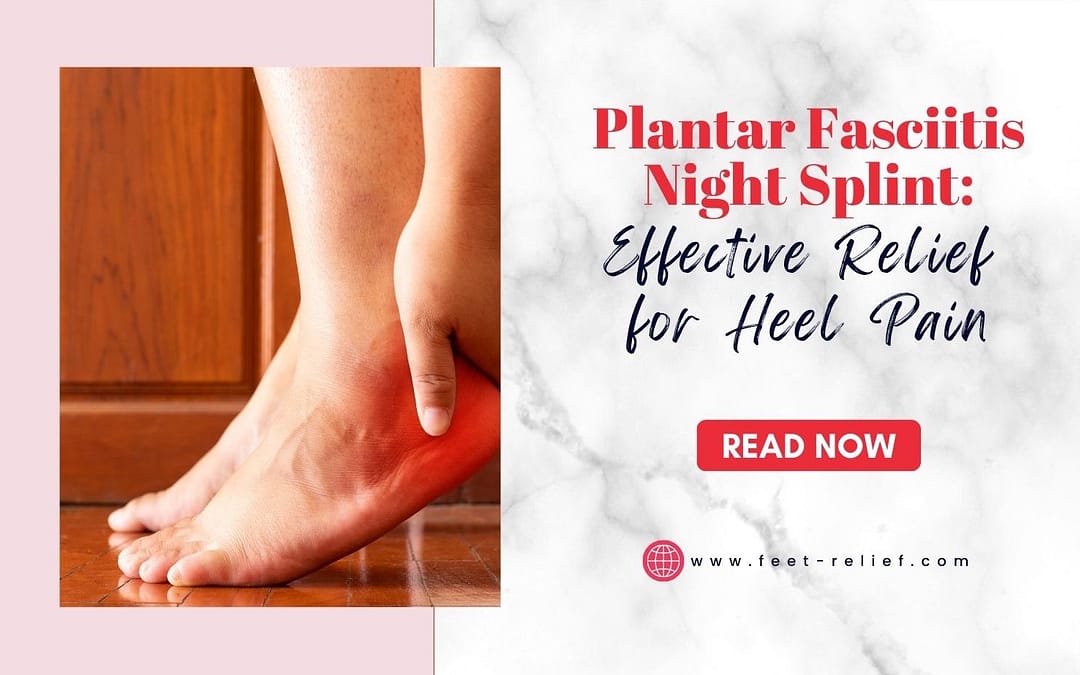
Plantar Fasciitis Night Splint: Effective Relief for Heel Pain

Plantar Fasciitis Night Splint: Effective Relief for Heel Pain

Plantar Fasciitis Night Splint: Effective Relief for Heel Pain

Plantar fasciitis is a common foot ailment that causes heel pain and discomfort, particularly during the morning or after extended periods of rest. It occurs when the plantar fascia, a thick band of tissue running along the sole of the foot, becomes inflamed or damaged. Addressing plantar fasciitis is essential to alleviate pain and prevent further injury.

One of the most effective treatments for plantar fasciitis is the use of night splints. These devices hold the plantar fascia and Achilles tendon in an elongated position during sleep, promoting proper stretching and preventing the tissue from shortening overnight. Combined with other treatment options, night splints can help significantly reduce pain and promote healing.

Key Takeaways

  • Plantar fasciitis is a common foot condition involving inflammation of the plantar fascia, a thick tissue band on the sole of the foot.
  • Early and advanced treatment options, including stretching and physical therapy, can help alleviate pain and prevent further injury.
  • Night splints play a critical role in plantar fasciitis treatment, as they keep the plantar fascia and Achilles tendon stretched during sleep, promoting healing and reducing morning pain.

Understanding Plantar Fasciitis

Plantar fasciitis is a common foot condition characterized by inflammation and irritation of the plantar fascia, which is a thick band of tissue that connects the heel bone to the toes. This condition often results in heel pain, particularly during the morning or after long periods of inactivity.

Symptoms

The primary symptom of plantar fasciitis is a sharp, stabbing pain at the bottom of the heel. This pain is typically more severe in the morning, as the plantar fascia tightens overnight and stretches when you start to walk. Other symptoms include:

  • Pain that increases with activity but subsides with rest
  • Swelling or inflammation in the affected area
  • Stiffness in the heel and arch of the foot

Lifestyle and Risk Factors

There are several factors that can increase the risk of developing plantar fasciitis, including:

  • Stress: Excessive stress on the plantar fascia due to activities such as running, jumping, or walking long distances can contribute to inflammation and irritation.
  • Obesity: Carrying extra weight can put additional stress on the plantar fascia, leading to pain.
  • Foot mechanics: Individuals with flat feet, high arches, or an abnormal walking pattern may be more susceptible to plantar fasciitis.
  • Age: Plantar fasciitis is more common in individuals between the ages of 40 and 60.
  • Occupation: Jobs that require long periods of standing or walking on hard surfaces can increase the risk of developing plantar fasciitis.

In some cases, plantar fasciitis may be associated with the formation of a heel spur, which is a small, bony growth on the underside of the heel bone. However, not all cases of plantar fasciitis involve heel spurs, and not all heel spurs cause pain.

Prevention and management of plantar fasciitis often involve addressing these lifestyle factors and seeking treatment from a sports medicine professional. By understanding the risk factors and symptoms associated with plantar fasciitis, individuals can take steps to maintain good foot health and minimize pain.

Early Treatment Options

Home Remedies

Plantar fasciitis can often be treated at home through several conservative methods. One of the simplest ways to alleviate the pain is by giving the affected foot proper rest and avoiding activities that may worsen the condition. During this period, applying ice or using an ice massage can help reduce inflammation and provide relief. Ice should be applied for about 15-20 minutes, several times a day. In addition, incorporating gentle stretching and massage techniques can be beneficial in increasing flexibility and promoting healing.

Another helpful home remedy is using a night splint or boot designed for plantar fasciitis sufferers. A night splint helps to keep the plantar fascia and Achilles tendon in a lengthened position overnight, promoting proper stretching and reducing morning pain. Some of the best plantar fasciitis night splints can be found here.

Physical Therapy

In addition to home remedies, seeking professional help through physical therapy can be an effective way to manage plantar fasciitis. Working with a knowledgeable physical therapist can provide a customized regimen that addresses the root cause of the condition while optimizing recovery. Physical therapists often suggest specific exercises and stretches designed to strengthen the muscles surrounding the plantar fascia, improve foot posture, and correct any imbalances that may contribute to the condition.

Manual therapy techniques, such as deep tissue massage and joint mobilization, may also be employed by physical therapists to improve flexibility, break up scar tissue, and decrease overall pain levels. Combining physical therapy with home remedies can provide a comprehensive approach to treating plantar fasciitis and preventing its recurrence.

Advanced Treatment Options

Orthotic Devices

Orthotic devices, such as night splints and arch supports, can be effective in treating plantar fasciitis. Night splints are designed to keep the plantar fascia stretched during sleep, reducing morning heel pain. Night splints can be used on either foot and have adjustable straps for a secure fit.

Arch supports are another orthotic device that can help alleviate plantar fasciitis pain. These devices provide support to the arch of the foot, reducing tension on the plantar fascia. Custom-made orthotics can be more expensive but offer the best fit and support, while over-the-counter options are more affordable and available in various sizes and styles.

Injections and Medication

For more severe cases of plantar fasciitis, healthcare providers might recommend injections or medications to help manage pain and inflammation. Nonsteroidal anti-inflammatory drugs (NSAIDs) such as ibuprofen (Advil, Motrin) and naproxen (Aleve) are commonly used to ease inflammation and pain caused by plantar fasciitis.

In some cases, corticosteroid injections might be recommended as a treatment option. These injections can provide temporary relief from pain and inflammation but should be used sparingly due to potential side effects. Platelet-rich plasma (PRP) injections are another option for treatment. PRP therapy involves injecting a patient’s own platelets into the affected area to help stimulate healing and reduce inflammation.

In addition to the mentioned treatments, patients might consider extracorporeal shock wave therapy or surgery as more invasive options in cases where conservative treatments have not provided satisfactory relief. It is important to consult a healthcare professional to discuss the most appropriate treatment options for individual cases of plantar fasciitis pain.

Night Splints and Their Importance

Night splints are an essential tool to help alleviate the symptoms of plantar fasciitis. They are worn while sleeping to maintain a proper foot posture, reduce morning pain, and promote healing.

Types of Night Splints

There are two primary types of night splints for plantar fasciitis: dorsal and sock night splints. Dorsal night splints have a hard plastic support on the top of the foot, while the sock night splint is a soft, stretchy fabric that can be more comfortable and lightweight. Both types aim to keep the foot flexed, preventing the plantar fascia from tightening during sleep, and ultimately leading to morning plantar fasciitis relief.

Choosing the Right Night Splint

When choosing a night splint, it’s essential to consider factors such as comfort, size, padding, circulation, breathability, support, and cushioning. While some people prefer the rigid support provided by dorsal splints, others might find them bulky and uncomfortable. Sock night splints, on the other hand, offer a more lightweight and breathable alternative. Regardless of the type, ensure that the splint fits properly and doesn’t cause numbness or restricted circulation during the night.

Use and Maintenance Tips

Proper use and maintenance can extend the life of your plantar fasciitis night splint and ensure optimal results. Here are some tips for effective use and care:

  • Begin using the splint gradually, starting with a few hours per night to allow your body to adjust.
  • Ensure the splint is clean and dry before wearing, as moisture can lead to complications in the healing process and potentially reduce the effectiveness of the splint.
  • Regularly inspect your splint for wear and tear, replacing it if you notice any signs of damage or decreased support.

In addition to using a night splint, incorporating a healthy diet, taking proper vitamins, and engaging in daily foot stretches can also contribute to an overall improvement in plantar fasciitis-related symptoms.

Frequently Asked Questions

What makes a night splint effective for plantar fasciitis?

A night splint is effective for plantar fasciitis because it holds the foot in a flexed position, applying a gentle and constant stretch to the plantar fascia. This can help alleviate morning pain by preventing the ligament from tightening overnight. Wearing a night splint may significantly improve the painful sensation felt in the heels during the first few steps in the morning (source).

How long should you use a night splint to see improvements?

The duration of using a night splint will vary depending on the individual and the severity of their plantar fasciitis. Generally, consistent use of a night splint over several weeks to a few months may show improvement. However, it is essential to consult with a healthcare professional to determine the appropriate duration for each person’s unique situation.

Are there alternatives to night splints for plantar fasciitis?

Yes, there are alternatives to night splints for plantar fasciitis. Some options include physical therapy, exercises, arch supports, orthotics, and anti-inflammatory medications. Nevertheless, consult a medical professional before starting any new treatment to determine the best course of action for your specific needs.

What are the most comfortable night splints available?

Comfort is a significant factor when selecting a night splint. One of the most comfortable night splints, according to customer reviews, is the ProCare ProWedge Plantar Fasciitis Night Splint, which provides adequate support and adjusts easily to the foot’s position (source).

How do you properly wear a plantar fasciitis night splint?

To wear a plantar fasciitis night splint properly, follow these steps:

  1. Place your foot inside the splint and ensure it rests in a comfortable position.
  2. Adjust the bilateral straps (if available) to control the amount of stretch on the plantar fascia.
  3. Secure the splint using the Velcro straps, ensuring it stays in place throughout the night without causing discomfort.

Always follow the manufacturer’s instructions for the specific night splint model, as each may have unique guidelines.

Can a night splint be worn while walking?

Night splints are designed for use while sleeping or resting, not for walking or weight-bearing activities. Wearing a night splint during these activities can cause discomfort and potentially damage the splint. If experiencing pain while walking or standing, consider using other supportive devices such as orthotics or arch supports, in consultation with a healthcare professional.

Optimized by Optimole