Managing Achilles Tendonitis

Managing Achilles Tendonitis

Achilles tendonitis, an affliction that strikes at the core of our mobility, can be a formidable obstacle on the journey to an active and pain-free lifestyle. The Achilles tendon, the powerhouse connecting calf muscles to the heel, is a vital player in our daily movements, from walking and running to jumping. When this resilient tendon succumbs to inflammation, it signals discomfort that can disrupt the rhythm of our lives.


Understanding the nuances of Achilles tendonitis — its anatomy, causes, and symptoms — is the first step toward effective management. In this guide, we’ll explore strategies that strike a balance between rest, targeted exercises, and lifestyle adjustments, aiming not just to alleviate pain but to foster healing and prevent future injuries. Whether you’re grappling with the initial stages or seeking advanced interventions, this comprehensive approach offers a roadmap to navigate the challenges posed by Achilles tendonitis.

Managing Achilles Tendonitis: Effective Strategies for Pain Relief and Recovery


Achilles tendonitis is a common injury that affects the largest tendon in your body—the Achilles tendon. This tendon vital for walking, running, and jumping, connects your calf muscles to your heel bone. When it becomes inflamed, it can cause pain and discomfort that may disrupt your daily activities. Understanding what contributes to this tendinopathy and recognizing its symptoms are critical first steps in effectively managing this condition.



To manage Achilles tendonitis, it is essential to approach treatment with a balance of rest, targeted exercises, and lifestyle modifications. Strategies such as reducing activities that exacerbate symptoms, incorporating stretching and strengthening exercises, and using appropriate footwear can aid in alleviating pain and promoting healing. In some cases, more advanced treatment options may be necessary, and recognizing when to seek professional guidance can help prevent further injury and aid in a successful recovery.

Key Takeaways

  • Achilles tendonitis involves inflammation of the tendon connecting the calf to the heel.
  • Management includes rest, exercises, and appropriate footwear.
  • Professional help may be needed for advanced treatments or persistent symptoms.

Understanding Achilles Tendonitis

Achilles tendonitis is a condition that requires proper knowledge of its anatomy, causes, and symptoms to manage effectively. Educating yourself on these aspects is vital for correct diagnosis and treatment.

Anatomy of the Achilles Tendon


Your Achilles tendon is a robust and fibrous band connecting the muscles in your calf to your heel bone. It’s the largest tendon in your body, designed to withstand great stresses from running and jumping, yet vulnerable to injury when overused or improperly loaded.


Causes of Achilles Tendonitis


Achilles tendonitis often results from repetitive stress to the tendon. This can occur due to a sudden increase in the intensity or duration of physical activity, tight calf muscles, or abnormal foot biomechanics. External factors like inadequate footwear can also contribute to the development of this condition.


Symptoms and Diagnosis


Common symptoms include pain and stiffness along the Achilles tendon in the morning, pain along the tendon or back of the heel that worsens with activity, and severe pain the day after exercising. Diagnosis is typically made through a physical examination, with imaging tests such as ultrasound or MRI used to rule out other conditions.

Treatment Strategies

Treating Achilles tendinitis involves a multi-faceted approach aimed at reducing pain, promoting tendon healing, and rebuilding strength to prevent future injury.

Initial Pain Management


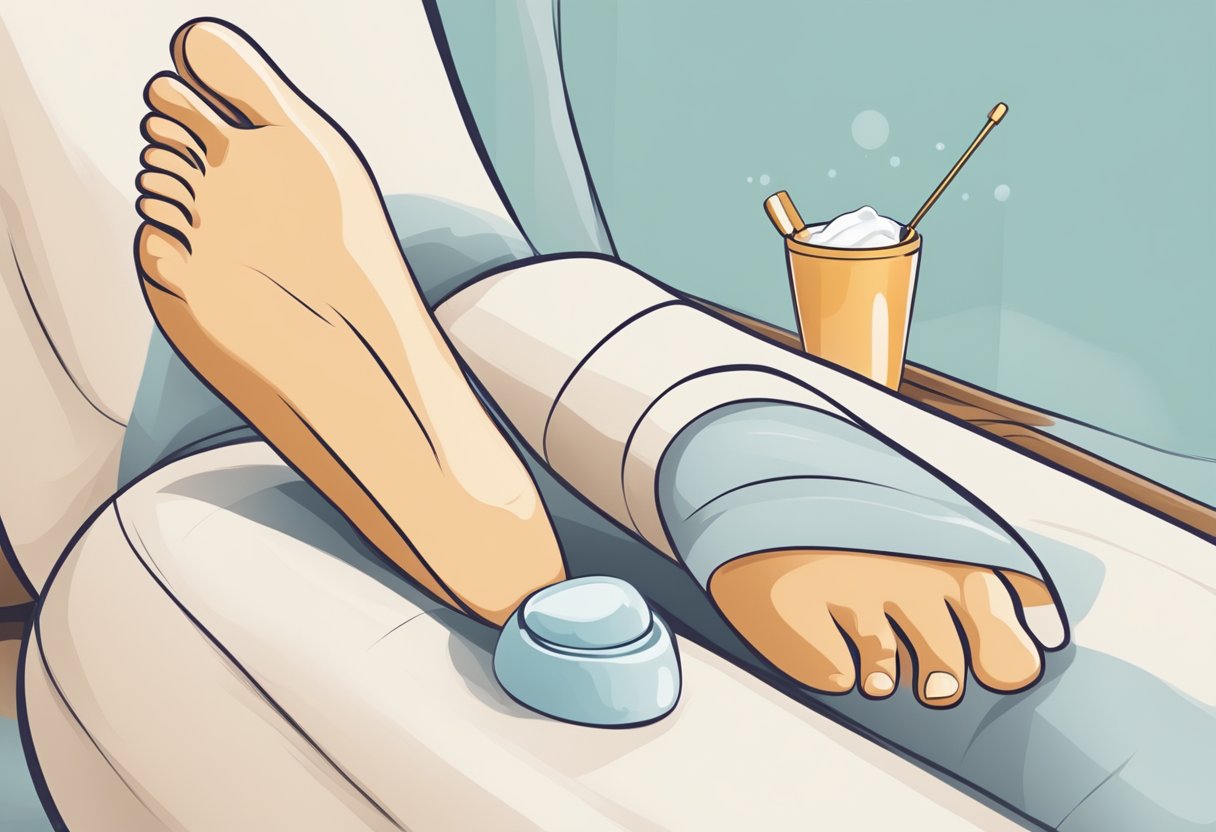
To address the immediate discomfort from Achilles tendinitis, you should begin with rest and avoid activities that exacerbate the pain. This may include temporary cessation of running or other high-impact sports. Ice application for 20 minutes several times a day can help reduce inflammation and pain. Elevating your leg when possible can also assist with decreasing swelling. For added support, compression bandages or sleeves may be beneficial.


Physical Therapy and Rehabilitation


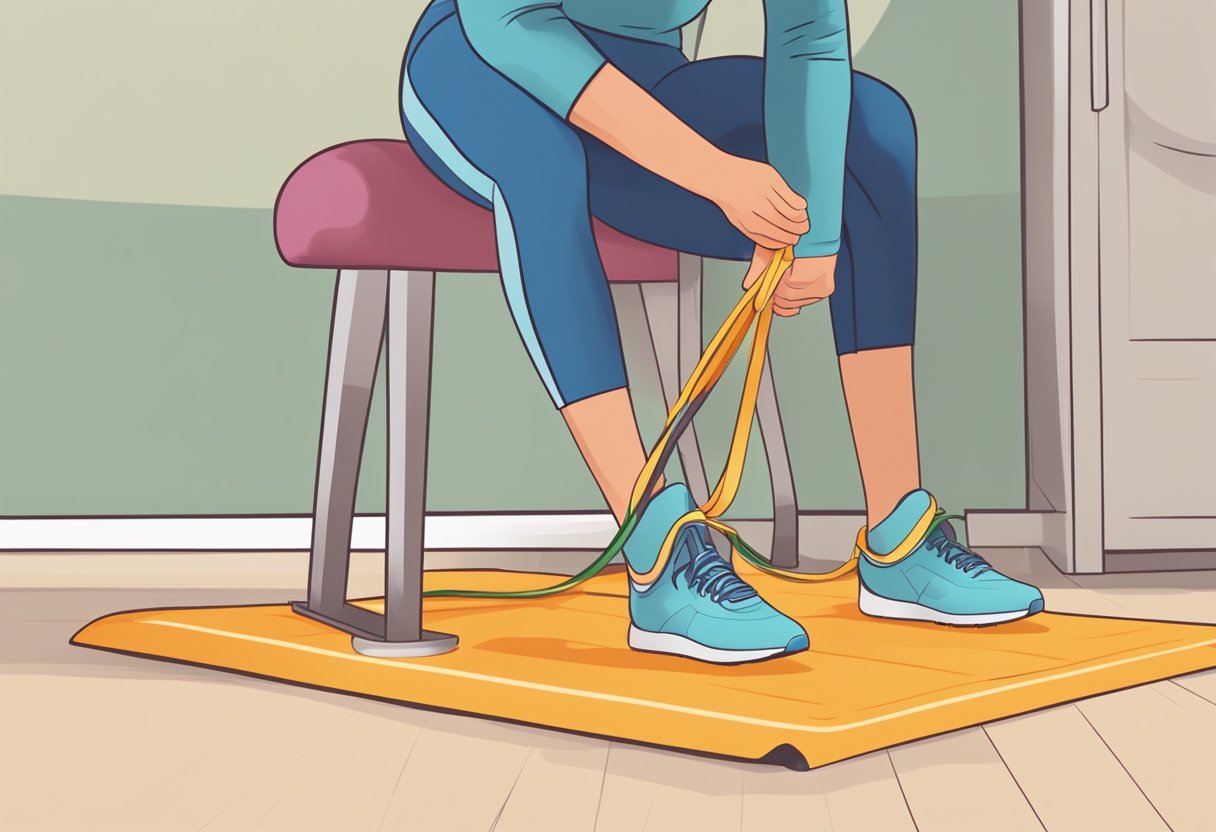
Engaging in physical therapy is a crucial step in recovery. A physical therapist can guide you through specific stretching and strengthening exercises that enhance healing and fortify the structures around the Achilles tendon. Eccentric strengthening exercises, which involve lengthening the muscle while contracting it, have shown particular effectiveness.


Medication and Supplements


Over-the-counter pain relievers like ibuprofen can be utilized to alleviate pain and reduce inflammation. However, they should be used sparingly and according to the manufacturer’s instructions. There is some evidence that suggests certain supplements might aid in recovery, though you should consult with a healthcare professional before starting any new medication or supplement regimen.

Preventive Measures



Preventing Achilles tendonitis involves a multifaceted approach, focusing on proper exercise techniques, suitable support through footwear, and nourishing your body with the right nutrients.

Exercise and Training Modifications


  • Gradually Increase Activity: Avoid sudden spikes in exercise intensity or duration that can stress your Achilles tendon. Aim for a progressive increase in both mileage and pace.
  • Strength Training: Incorporate exercises that strengthen the calf muscles, such as heel drops, to provide better support to your Achilles tendon. Refer to Achilles Tendonitis Prevention Methods for Runners for specific strength exercises.


Footwear and Support


  • Proper Footwear: Choose shoes with adequate cushioning and arch support to reduce strain on the tendon. Footwear matters, so investing in the correct type can be a proactive step.
  • Orthotic Devices: Consider using custom orthotic devices if you have foot conditions that contribute to tendon stress, such as overpronation or flat feet.


Nutrition and Lifestyle Factors

  • Maintain a Healthy Weight: Extra weight can add unnecessary stress to your Achilles tendon, emphasizing the importance of a balanced diet to manage your body weight effectively.
  • Anti-inflammatory Foods: Consume foods high in omega-3 fatty acids and antioxidants to help reduce inflammation in your body.

Advanced Treatment Options

When conservative treatments for Achilles tendinitis do not result in improvement, more advanced options may be considered. These include injection therapies and surgical interventions, each with specific indications and outcomes.

Injection Therapies


Injection therapies can provide targeted relief and facilitate healing in the Achilles tendon. Platelet-rich plasma (PRP) injections involve concentrating platelets from your blood and injecting them into the injured tendon area, promoting healing through growth factors. Another method, corticosteroid injections, can offer temporary pain relief; however, they are less favored due to potential risks of tendon weakening or rupture.


Surgical Interventions


Surgical options become viable when your tendon damage is severe or when there is a failed response to nonsurgical approaches. Gastrocnemius recession is a procedure intended to lengthen the calf muscles, reducing stress on the tendon. In cases where the tendon is severely damaged, tendon repair surgery may be necessary. This involves removing damaged sections of your Achilles tendon and possibly reconstructing the tendon using grafts.

Recovery and Prognosis

When managing Achilles tendinitis, your recovery time will vary depending on the severity of the condition and adherence to treatment protocols. Typically, with proper care, you can expect a steady improvement.

Immediate Steps:

  • Rest: Give your tendon the necessary time off from activities that aggravate it.
  • Ice: Apply ice to the affected area to reduce pain and swelling.

Rehabilitation Exercises:

  1. Calf Stretching: Regular stretching can enhance flexibility and lessen tension on your tendon.
  2. Strengthening Exercises: Once pain allows, gentle exercises to strengthen calf muscles are beneficial.

Medical Interventions:

  • Medication: Anti-inflammatory drugs can help alleviate pain.
  • Therapy: Consult a physiotherapist for personalized exercises and treatments.

Prognosis:

  • Most cases of Achilles tendinitis resolve with conservative treatments within days to weeks.
  • Persistent symptoms may require more advanced care, such as platelet-rich plasma injections.
  • Shift to low-impact activities to prevent recurrence.

Your recovery hinges on listening to your body and following professional guidance. Patients who manage their activities and commit to their treatment often see positive outcomes. If symptoms persist or worsen, it is critical to seek further medical advice. Remember that returning to high-intensity activities should be gradual, allowing your tendon to adapt and strengthen.

When to Seek Professional Help



If you’re dealing with Achilles tendonitis, recognizing when to seek medical attention is crucial. Here are specific situations where professional help is needed:


  • Persistent Pain: If your Achilles pain does not improve after a few days of self-care, including rest, icing, and over-the-counter pain relief.
  • Severe Symptoms: Sharp or unbearable pain, especially if it occurs suddenly or without an injury, warrants immediate medical consultation.
  • Impaired Functionality: Difficulty walking or an inability to stand on your toes are indicators that a professional assessment is necessary.
  • Recurrent Issues: Frequent episodes of tendonitis, even if they seem to resolve with rest, should be evaluated to determine the underlying cause.


Visual or Physical Changes: Noticeable swelling, redness, or warmth around the tendon, or any deformity in the area could suggest a more severe condition like a tendon rupture.


Symptom Action Required
Persistent Pain Schedule an appointment with a healthcare provider
Severe Symptoms Seek immediate medical care
Impaired Functionality Consult a healthcare provider for an evaluation
Recurrent Issues Visit a specialist for a full assessment
Visual or Physical Changes Obtain urgent medical attention


For guidance on self-management and additional information, you can also refer to self-manage your Achilles tendon pain. But remember, if your symptoms are not improving or worsening, do not hesitate to see a healthcare professional.

Conclusion


In managing Achilles tendonitis, a combination of patience, self-awareness, and professional guidance is key to a successful recovery. Remember that your body communicates its needs, and listening to it is paramount. Consistent adherence to treatment protocols, including rest, appropriate exercises, and lifestyle modifications, can pave the way for positive outcomes.

Recovery times vary, and progress may be gradual, but with proper care, improvement is likely. Your commitment to the prescribed interventions, whether through rest, physical therapy, or advanced treatments if needed, plays a crucial role in your journey towards healing.


If symptoms persist or worsen, don’t hesitate to seek professional help. Understanding when to consult a healthcare provider is crucial for timely and effective intervention. Trust your instincts and be proactive in addressing persistent pain, severe symptoms, impaired functionality, recurrent issues, or any visual changes around the Achilles tendon.


In your pursuit of a full recovery, remember that everyone’s path is unique. Embrace the journey, be kind to yourself, and know that with the right approach, managing Achilles tendonitis can lead to restored strength and a return to the activities you love.

Frequently Asked Questions



In this section, you’ll find targeted information addressing common concerns about managing Achilles tendonitis, ranging from exercise recommendations to identifying symptoms.

What exercises are recommended for strengthening the Achilles tendon?

Strengthening the Achilles tendon is vital for recovery and prevention of Achilles tendonitis. Your focus should be on gentle calf raises, eccentric heel drops, and toe-to-wall stretches that promote tendon health without excessive strain.

Why might Achilles tendonitis persist despite treatment efforts?

Persistent Achilles tendonitis can be due to several factors, such as inadequate rest, returning to high-impact activities too quickly, or not fully adhering to rehabilitation protocols. Ensure you’re allowing adequate time for recovery and following professional medical advice.

What should you do if you discover a lump on your Achilles tendon?

If you notice a lump on your Achilles tendon, it’s important to consult a healthcare provider as soon as possible. This could be a sign of a tendon injury, such as tendinopathy or a partial tear.

How can one effectively treat a sore Achilles tendon?

To effectively treat a sore Achilles tendon, adhere to the RICE protocol – Rest, Ice, Compression, and Elevation. Over-the-counter pain relievers may also help, but consulting with a healthcare provider for personalized treatment is crucial.

Which symptoms indicate the presence of Achilles tendonitis?

Symptoms include a mild ache in the back of the leg or above the heel, which may worsen after running or climbing stairs. More severe pain after sustained activity could also indicate the presence of Achilles tendonitis.

What are the best practices for stretching when dealing with Achilles tendonitis?

For Achilles tendonitis, it’s recommended to perform stretches that are gentle and focused on the calf muscles. Static stretches held for 15-30 seconds, without bouncing, can help increase flexibility and reduce tension on the tendon.

Introducing Feet-Relief.com – Elevate Your Foot Care Journey!


Explore tailored foot care solutions for all ages.

Expert advice and quality products for elderly foot care.

Discover tips, routines, and a supportive community.

Shop now for comfort at Feet-Relief.com!


Your feet, your comfort – we’ve got you covered!

Best Foot Care Routine for Diabetics

Best Foot Care Routine for Diabetics

Best Foot Care Routine for Diabetics: Prioritizing foot health is paramount in the journey of managing diabetes. Individuals with diabetes face increased risks of complications, making a meticulous foot care routine crucial.


This article unveils essential tips and practices to ensure optimal foot well-being, offering insights into daily care, suitable footwear choices, blood sugar management, and the importance of professional evaluations. Let’s embark on a proactive path to healthy diabetic feet. Read on to empower yourself with knowledge and practical advice.

Best Foot Care Routine for Diabetics: Essential Tips for Healthy Feet


Maintaining healthy feet is crucial for individuals with diabetes due to the higher risk of complications arising from infection, nerve damage, and poor blood circulation in the lower extremities. A meticulous foot care routine is essential to prevent injuries and manage the condition effectively. Diabetics are advised to monitor their foot health daily, maintain optimal blood sugar levels, and seek professional evaluations to ensure any problems are addressed promptly.

Optimal foot health in diabetes is achieved not only through careful daily maintenance but also by choosing suitable footwear to protect and support feet from injury. Good diabetic foot health practice involves lifestyle modifications that contribute to overall well-being, alongside being vigilant for signs that require medical intervention. These steps help prevent the escalation of common foot problems into more serious complications.

Key Takeaways

  • Daily foot inspection and care are vital to prevent complications.
  • Proper footwear and blood sugar management contribute to foot health.
  • Regular check-ups and timely medical help are crucial for foot issues.

Understanding Diabetes and Foot Health

When you have diabetes, your foot health is critically important. Due to high blood sugar levels, the risk of foot complications increases significantly. This condition can lead to two main complications that impact your feet: neuropathy and peripheral vascular disease.


Neuropathy refers to nerve damage, which can cause a loss of feeling in your feet. Not being able to feel pain means that sores or injuries can go unnoticed and untreated, potentially leading to infections or ulcers.


Peripheral vascular disease affects the flow of blood to the limbs. For you, this means a reduced ability to heal wounds, increasing the risk of infections and possibly even amputations in severe cases.


To prevent issues, a daily foot care regimen is essential. Here are key practices:


  • Inspect your feet daily for signs of cuts, blisters, or infections.
  • Clean your feet with warm water and mild soap, avoiding extreme temperatures.
  • Dry your feet thoroughly, especially between the toes.
  • Moisturize your feet to avoid dry skin, but avoid moisturizing between the toes to reduce the risk of fungal infections.


These measures can be simple but are effective at maintaining foot health. By being proactive and attentive to the condition of your feet, you can help prevent some of the serious complications associated with diabetes.


For more detailed information, you can follow Diabetes and Your Feet.


OrthoFeet Pain Relief Sneakers and Technology

Daily Foot Care Routine

Proper foot care is an essential part of managing diabetes. Keeping your feet healthy can help prevent serious complications.

Inspecting Your Feet


Each day, examine your feet for cuts, blisters, red spots, and swelling. Use a mirror to see the bottoms of your feet or ask for help if you need it. Catching problems early can prevent complications.

Washing and Drying


Clean your feet daily using warm (not hot) water; avoid soaking as it might lead to skin breakdown. Afterward, dry your feet thoroughly, especially between the toes, to prevent infection.

Moisturizing


To keep the skin from cracking or itching, apply a thin coat of a diabetes-specific or fragrance-free moisturizer on the tops and bottoms of your feet. Do not moisturize between the toes to avoid a fungal infection.

Trimming Nails Properly


Cut nails straight across and file the edges to avoid ingrown toenails. Do this regularly to keep your nails from growing too long and causing issues. If you have trouble reaching your feet, a podiatrist can assist with nail care.

Choosing the Right Footwear

Ensuring you have the correct footwear is a cornerstone of proper diabetic foot care. Your shoes and socks play a pivotal role in protecting your feet from complications.


Selecting Shoes


  • Fit: Choose shoes that fit well. They should be snug but not tight, with enough room to wiggle your toes. Avoid shoes with pointed toes or high heels as they can cause unnecessary pressure.
  • Material: Breathable materials, like leather or canvas, help to keep your feet dry and reduce the risk of fungal infections.
  • Support: Good arch support is crucial. It helps distribute your weight evenly across your feet, which can prevent ulcers and blisters.


Remember to check the inside of each shoe before putting them on to ensure there are no foreign objects or rough seams that could harm your feet.


Picking Socks


  • Fabric: Look for moisture-wicking socks to keep your feet dry. Avoid materials that don’t breathe well, like nylon.
  • Seams: Seamless or flat-seam socks are best as they minimize friction and irritation.
  • Fit: Socks should be snug but not restrictive. Excessively tight socks can impede circulation, which you definitely want to avoid.


Always select socks without tight elastic bands at the top, as these can also hinder blood flow to your feet.

Managing Blood Sugar Levels

Proper management of your blood sugar levels is crucial in diabetic foot care. Consistently high levels can lead to nerve damage and affect blood circulation, increasing the risk of foot complications.


Monitor Your Blood Sugar Regularly Your healthcare team may recommend the optimal frequency of checks. Typically, A1C levels should be below 7%, but your doctor could advise a different target based on your individual needs.


Adhere to Your Medication Schedule Take your insulin and other diabetes medications exactly as prescribed. They play a vital role in keeping your blood sugar within the desired range.


Dietary Modifications Emphasize a balanced diet rich in fruits, vegetables, whole grains, lean proteins, and healthy fats. Portion control and consistent meal timing help maintain stable blood glucose levels.


  • Breakfast: Whole grain cereal, low-fat milk, and a piece of fruit.
  • Lunch: Grilled chicken salad with mixed greens, dressing on the side.
  • Dinner: Baked salmon, steamed broccoli, and quinoa.

Physical Activity Regular physical activity helps improve insulin sensitivity, which can help control your blood sugar levels. Aim for at least 30 minutes of moderate exercise most days of the week.


Stress Management Stress can affect blood sugar levels, so find ways to manage your stress through activities such as yoga, meditation, or deep breathing exercises.


By keeping your blood sugar levels in check, you’re taking a significant step toward preventing diabetic foot complications. Always consult with your healthcare provider for personalized advice and adjustments to your management plan.

Regular Professional Foot Examinations

As a diabetic, your feet require special attention, and regular professional foot examinations are a key component of your overall diabetes management plan. Receiving a comprehensive foot check at least once a year is recommended to prevent complications such as ulcers, infections, and potential amputations.


During these examinations, your healthcare provider should perform the following:


  • Visual Inspection: Searching for skin changes, sores, blisters, and fungal infections.
  • Sensory Assessment: Testing for loss of sensation using tools like the 10-g monofilament.
  • Peripheral Pulses: Checking your foot circulation and assessing for peripheral artery disease.
  • Reflex Testing: Evaluating the reflexes of your feet and ankles.
  • Structural Examination: Identifying any deformities or alignment issues.
Element Method
Visual Inspection Look for skin abnormalities and changes.
Sensory Assessment 10-g monofilament test for sensation.
Peripheral Pulses Palpate foot pulses to assess circulation.
Reflex Testing Check ankle reflexes for neuropathy signs.
Structural Exam Inspect foot structure for abnormalities.


Importance of regular foot screening: Early detection of issues through an annual diabetic foot exam can reduce the risk of more severe problems later on, as nerve damage and poor circulation complicate the healing process.


Remember to follow up with your healthcare provider if you notice any changes or problems between your scheduled examinations. Taking these steps increases your chances of maintaining healthy feet and preventing serious diabetes-related foot complications.

Handling Common Foot Problems

As a diabetic, addressing foot issues promptly can be pivotal to your health. Here’s how you can handle some of the most common foot problems effectively.

Dealing with Dry Skin and Calluses


It’s important to keep your skin moisturized to prevent cracks that can lead to infections. Use lotion daily, but avoid applying it between your toes where excess moisture can promote fungal growth. For calluses, it’s recommended to gently use a pumice stone on wet skin. However, if the calluses are thick or turning yellow, consult your healthcare provider as this may be a sign of an internal issue.

Treating Cuts and Scrapes


Clean minor cuts and scrapes with mild soap and lukewarm water, then cover with a sterile bandage, changing it daily to monitor healing. If you notice any signs of possible infection, such as redness, warmth, or oozing, seek medical advice as soon as possible. Minor issues can escalate quickly for individuals with diabetes, so early treatment is key for prevention.

Preventing Infections


Consistent foot checks are a crucial part of preventing infections. Trim your nails straight across to avoid ingrown toenails. If you encounter any foot injuries or open wounds, it’s essential to see your doctor if they do not begin to heal after a few days. Always wear well-fitting footwear to protect your feet from external injuries.

Lifestyle Modifications for Better Foot Health

Managing your diabetes requires attention to your overall lifestyle, especially when it comes to maintaining foot health. Through targeted changes to your daily habits, you can significantly reduce the risk of foot-related complications.


Exercise and Foot Health


Regular physical activity is crucial for enhancing blood circulation to your feet, which is often compromised in diabetes. Aim to engage in low-impact exercises like swimming, bicycling, or walking for at least 30 minutes most days. Remember to wear appropriate footwear that fits well and provides support to minimize the risk of blisters and calluses.


Smoking Cessation


If you smoke, quitting is one of the most beneficial steps you can take for your foot health. Smoking can impair circulation, making it harder for your feet to heal and increasing the risk of infections. Consult your healthcare provider for resources and strategies to aid in smoking cessation.


Dietary Considerations


A balanced diet plays a key role in controlling blood sugar levels and supporting overall foot health. Incorporate a variety of nutrients by eating:


  • Whole grains: for fiber and sustained energy.
  • Lean proteins: to support tissue repair.
  • Healthy fats: like those found in avocados and olive oil, which can help fight inflammation.
  • Vegetables and fruits to provide vitamins and minerals crucial for healing and prevention of skin breakdown.


Stay hydrated as well, and consider consulting a dietitian for a meal plan tailored to your needs, including managing your weight to reduce the pressure on your feet.

When to Seek Medical Help

Prompt attention to foot problems can significantly reduce the risk of complications for individuals with diabetes. It’s essential to recognize the signs that require medical assistance.

Signs of Foot Infections


If you notice persistent soreness, warmth, redness, or swelling on any part of your foot or toe, it may indicate an infection. Blisters, open sores, or areas oozing pus are signs that need immediate attention from a healthcare provider. Review the guidelines for foot care for people with diabetes to understand preventative measures.

Changes in Foot Shape or Color


Any alterations in the shape of your feet, such as the development of hammertoes or bunions, warrant a consultation. Similarly, change in color, particularly darkening (suggestive of necrosis) or an unusual pallor, should prompt a visit to a healthcare professional. Stay vigilant and monitor for changes to maintain foot health.

Loss of Sensation


A reduction or complete loss of sensation in your feet, often described as numbness or tingling, is a sign of peripheral neuropathy. Don’t ignore these sensations; they can lead to injuries that you may not feel, and therefore, not treat promptly. Early detection and management are key, as explained in the Mayo Clinic’s discussion on diabetic foot care.

Prioritize Your Diabetic Foot Health


In conclusion, a proactive foot care routine is crucial for managing diabetes and preventing complications. Regular inspections, proper hygiene, suitable footwear, and blood sugar management are essential practices. Don’t forget the significance of professional examinations for early issue detection.

Take the Next Step: Act Now for Healthy Feet


Commit to your foot health today. Schedule regular check-ups, share your commitment with your healthcare provider, and make the necessary lifestyle changes. Your feet deserve the best care – start your journey to healthier, happier days now.

Frequently Asked Questions


Proper foot care is essential for individuals with diabetes to prevent serious complications. Each of these FAQs addresses a crucial aspect of diabetic foot care, focusing on routine practices and suitable products for maintaining foot health.

What are the initial steps in a foot care routine for individuals with diabetes?

You should begin with a daily inspection of your feet for cuts, blisters, redness, or swelling. Washing your feet in lukewarm water and drying them thoroughly, especially between the toes, is also critical. It is advised that individuals with diabetes follow guidelines for daily foot care.

Which specialized foot care products are recommended for diabetic patients?

It is recommended to use moisturizers for dry skin while avoiding application between the toes, and antifungal powders or creams if you’re prone to athlete’s foot. Using orthopedic shoes or cushioned insoles designed specifically for diabetics can provide additional support and reduce the risk of foot injuries.

What are the critical do's and don'ts for diabetic foot care?

You should keep your feet clean and moisturized, trim nails carefully, and never walk barefoot. Don’t use over-the-counter medications for corns or warts without consulting your doctor, and avoid tight or high-heeled shoes as they can exacerbate foot pressure.

How can diabetics prevent foot complications through daily care practices?

To prevent complications, check your feet every day and manage your blood sugar levels actively. Ensure that you do not ignore any foot injuries and consult your doctor immediately for any concerns. Regular visits to a podiatrist can help identify issues early on. Adhering to healthy foot practices is essential for prevention.

Are there specific types of socks that diabetics should wear for optimal foot health?

Diabetics should opt for socks without seams that can rub and cause blisters or sores. Moisture-wicking fabric helps keep feet dry. Some socks for diabetics are designed with extra cushioning and are made from materials that reduce the risk of fungal infection.

What professional foot care services should individuals with diabetes consider incorporating into their care routine?

Having a podiatrist as part of your healthcare team is highly beneficial. They can provide regular examinations, nail care, and treatment for any conditions that arise. Additionally, seeking professional help for callus removal and choosing custom orthotics if indicated can be advantageous. Accessing specialty services, such as those from a certified diabetes care provider, is essential to maintaining foot health.

Discover Feet Relief Today!


Tired of foot troubles? Visit our website for practical tips on maintaining healthy feet and insightful product reviews. Take a step towards comfort and well-being. Your feet deserve the best care – explore our resources now at www.feet-relief.com. Relief is just a click away!

Simple Ways to Relieve Tired Feet

Feet are often the unsung heroes of our daily lives, tirelessly supporting us as we walk, run, and stand. Yet, after a long day, our feet can feel the weight of our endeavors, leaving us with aching soles and a desperate need for reprieve. Simple home treatments and lifestyle adjustments can alleviate discomfort and relieve tired feet.


Simple Ways to Relieve Tired Feet: Quick Solutions for Foot Fatigue


Understanding the strain that feet endure on a routine basis is key to finding relief. Tired feet can result from various factors, including prolonged standing, excessive walking, or inappropriate footwear. Adopting immediate relief techniques and incorporating long-term prevention strategies can nurture your feet and promote overall foot health.


Key Takeaways


  • Elevating your feet can provide immediate relief by reducing swelling.
  • Regular stretching can prevent foot fatigue and maintain flexibility.
  • Choosing proper footwear ensures better support and reduces discomfort.


Understanding Foot Fatigue


Video Credit: @Footankle


When your feet feel sore and worn out, you’re likely experiencing foot fatigue. This can impact your daily activities and overall comfort.


Anatomy of the Foot


Your foot is a complex structure consisting of 26 bones, 33 joints, and over 100 ligaments, tendons, and muscles. This intricate framework supports your body weight, provides stability, and facilitates movement. The arches of your feet are integral for absorbing shock and distributing pressure during standing, walking, or running.


OrthoFeet Pain Relief Sneakers and Technology


Common Causes of Tired Feet


Tired feet can result from a variety of factors. Here are a few:


  • Prolonged standing or walking: Spending long hours on your feet without adequate support can lead to discomfort.
  • Improper footwear: Shoes that lack support or don’t fit well can contribute to foot strain.
  • Overuse: Engaging in high-impact activities without proper conditioning can strain your feet.
  • Excess weight: Carrying extra body weight increases the load on your foot structures, leading to fatigue.
  • Medical conditions: Issues such as plantar fasciitis, flat feet, or arthritis can cause persistent foot pain.


By understanding the anatomy and common causes of foot fatigue, you can take steps to alleviate discomfort and relieve tired feet. Make sure to choose supportive footwear and take breaks to rest your feet when possible.


Immediate Relief Techniques


Video Credit: @toneandtighten


If your feet are feeling sore, several strategies can provide immediate comfort. These techniques focus on reducing discomfort and promoting relaxation for tired feet.


Elevating Your Feet


Elevating your feet can reduce swelling and ease discomfort after a long day. Ensure they’re propped above your heart level for optimal benefit, using cushions or pillows to maintain the position comfortably.


Performing Foot Soaks


Soak your feet in a basin of warm water. This can alleviate pain and promote relaxation. Adding Epsom salts may enhance the soothing effect.


Stretching Exercises


Regularly performing stretching routines can improve flexibility and reduce tension in your feet. Focus on stretches that address your toes, arches, and calf muscles.


Using Massage Tools


Massage tools, like rollers or balls, can provide targeted relief to sore areas of your feet. Rolling these tools underfoot can help release tightness and enhance circulation.


Long-Term Prevention Strategies


Focusing on long-term strategies is essential for maintaining foot health and preventing discomfort. These practices involve choosing the right footwear, incorporating regular exercise to strengthen feet, and using the correct techniques for standing and walking.


Proper Footwear Selection


Select footwear that provides adequate support and cushioning tailored to your foot type. Ensure that shoes fit well, with enough room to wiggle your toes, yet snug enough to avoid sliding. High-quality shoes with a proper fit can significantly reduce the risk of tired and aching feet.


  • Assessment: Have your feet measured regularly, as their size can change over time.
  • Selection: Look for shoes with sturdy soles and adequate arch support.


Regular Exercise Regimen


Strengthening and stretching exercises can improve foot health. Incorporate a mix of activities that enhance flexibility, balance, and strength.


  • Flexibility: Toe curls and heel stretches can increase your foot flexibility.
  • Strength: Exercises like calf raises help build strength in foot-supporting muscles.


Correct Standing and Walking Techniques


Practicing proper posture and movement can alleviate unnecessary strain on your feet.


  • Posture: Maintain an even weight distribution on both feet when standing.
  • Movement: Walk with a heel-to-toe motion to allow for good foot mechanics.


Supportive Remedies


relieve tired feet


Before exploring specific methods, it’s important to recognize that certain supportive remedies can relieve tired feet.


Orthotic Inserts


Wearing orthotics can significantly reduce foot discomfort by providing structured support. These are specially-made inserts for your shoes that correct foot alignment and distribute pressure evenly. They can be custom-made or off-the-shelf, but they must fit your foot shape to be effective.


Compression Socks


Compression socks aid circulation and reduce swelling in your feet. By applying gentle pressure, they can help minimize foot fatigue after long periods of standing or walking. Ensure that you select the right size for maximum benefit.


Adequate Hydration


Staying well-hydrated is key to reducing inflammation in your body, including your feet. Ensure you drink enough water throughout the day. This simple yet often overlooked remedy supports overall foot health and function.


Professional Care Options


When your feet are persistently sore or tired, seeking professional care can provide targeted treatment and relief strategies tailored to your individual needs.


Podiatrist Consultations


Consulting a podiatrist is an excellent option for professional care. A podiatrist can diagnose and manage foot and ankle problems with medical, surgical, and other methods. They can provide custom orthotics for better support and recommend specific shoes to alleviate discomfort.


Physical Therapy


Physical therapy for your feet helps improve strength and flexibility while reducing pain. A physical therapist will create a personalized program that includes exercises and stretches specific to your condition. This may also involve the use of equipment or modalities to enhance recovery and prevent future fatigue.


Home Remedies


Video Credit: @DrTomBiernacki


You can employ practical techniques and natural substances to relieve tired feet. These home remedies are easy to apply and can provide significant comfort.


DIY Massage Techniques


A self-massage can be quite beneficial in alleviating foot fatigue. Use your thumbs to apply firm pressure on the arches and heels of your feet, which often carry most of the tension. Rolling a tennis ball or a frozen water bottle under your feet can also serve as a simple yet effective massage tool, helping to refresh the feet and relieve pain.


Herbal Treatments


Herbal treatments such as soaking in a foot bath infused with Epsom salts have been recognized for their ability to soothe sore muscles and reduce swelling. Consider incorporating a few drops of lavender or peppermint essential oil into your soak for an added therapeutic effect. These essential oils are known for their relaxing and anti-inflammatory properties, providing a fragrant and natural remedy for tired feet.


relieve tired feet


Wrapping It Up


Relieving tired feet can be simple. Try soaking them, doing gentle stretches, or massaging. Elevate your feet to reduce swelling.


Wear comfortable shoes and take breaks if standing long. Remember, regular foot care brings comfort and relief.


Treat your feet well. They deserve it!


Frequently Asked Questions


What home remedies can alleviate foot pain after a long day?


Soaking your feet in warm water with Epsom salts can relax muscles and reduce swelling. Elevating your feet can also aid with blood circulation and minimize inflammation.


What are the best ways to relieve tired feet from extensive walking?


Consider wearing well-fitted, supportive shoes to prevent sore feet. Additionally, stretching your feet may relieve tight muscles, and using orthotic insoles can provide the extra support your feet may need.


How can you quickly soothe aching feet?


Applying ice or a cold pack can reduce inflammation and numb pain for quick relief. Massaging your feet or using a rolling pin underneath them can also provide swift comfort by stimulating the muscles and improving blood flow.


What are the common symptoms indicating that your feet are fatigued?


Symptoms of fatigued feet include swelling, aching, and a feeling of heaviness. Persistent soreness and difficulty in movement after periods of rest might also occur.


How can you combat foot fatigue effectively?


Ensure you have proper footwear that offers support and cushioning. Taking regular breaks to sit or stretch and maintaining a healthy weight can also help reduce the strain on your feet.


What strategies help reduce foot pain from prolonged standing?


Using anti-fatigue mats, regularly altering your standing, and wearing compression socks can help mitigate foot pain from standing. Consider a foot massage to ease muscle tension and enhance circulation.


Learn What’s Best for Your Feet!


Learn what’s best for your feet with us! We offer an array of tips and tricks for foot care and relief.


FACEBOOK

WEBSITE


For a deeper dive into foot health, visit our website: feet-relief.com. 


Your journey towards happy, healthy feet starts here!


Read More

Foot Arch Pain Exercises: Effective Relief

Foot Arch Pain Exercises: Effective Relief

Experiencing pain in the arch of your foot can be a barrier to daily activities, but incorporating some targeted exercises might bring relief. The arch is vital for balance and walking, and strain in this area can be due to various factors, including overuse, insufficient support, or certain foot conditions. Assuaging this discomfort often involves exercises designed to strengthen and stretch the muscles and ligaments that support the arches of your feet.


Foot Arch Pain Exercises: Effective Relief Strategies for Sore Feet


Foot Arch Pain Exercises


Performing exercises like arch lifts and plantar fascia stretches can improve the stability and flexibility of your feet. For example, arch lifts focus on raising the arch while keeping your heel and toes grounded, which can be done either seated or standing.


Similarly, a stretch for the plantar fascia may require you to gently pull your toes toward you or roll a ball under the arch of your foot for a soothing massage. Consistency is key for these exercises to be effective, and they can be easily integrated into your daily routine.


Key Takeaways


  • Targeted exercises can help alleviate arch pain.
  • Arch lifts and plantar fascia stretches are beneficial.
  • Consistency with exercises can improve foot health.


Understanding Foot Arch Pain


Video Credit: @barefootrehab


Foot arch pain can be limiting, affecting your daily activities and overall mobility. This section provides detailed insights into the foot arch’s anatomy, explores potential causes of pain, and discusses the symptoms you may experience and how the condition is diagnosed.


Anatomy of the Foot Arch


Your foot arch is a complex structure composed of bones, ligaments, and tendons that support your body’s weight. The main arch is known as the medial longitudinal arch, and there are two other arches: the lateral longitudinal arch and the anterior transverse arch.


Causes of Foot Arch Pain


The most common causes of foot arch pain include overuse, structural imbalances, improper footwear, or acute injury. Conditions such as plantar fasciitis and flat feet can also lead to discomfort in this area.


Symptoms and Diagnosis


If you’re experiencing a sharp, stabbing pain in the arch of your foot, particularly during the first steps in the morning, you may have plantar fasciitis. Other symptoms can include swelling and increased pain after prolonged activity. Diagnosis usually involves a physical examination and, in some cases, imaging tests like an X-ray or MRI to rule out fractures or other abnormalities.


Exercises for Foot Arch Pain


Video Credit: @ImpactCareTherapy


Incorporating specific exercises can significantly alleviate foot arch pain by improving strength, flexibility, and balance. Focus on these tailored movements to target your foot concerns.


Stretching Exercises


  • Toe Pulls: To help with arch pain, firmly pull your toes back towards you, holding the stretch to feel tension along the bottom of your foot. This stretch can increase flexibility and reduce tightness.
  • Calf Stretches: Stand facing a wall with one foot behind the other and gently lean forward, keeping your back heel on the ground. Hold this position to stretch the calf muscle linked to your arch’s support structure.


Strengthening Exercises


  • Marble Pickups: Strengthen the intrinsic muscles by picking up marbles with your toes and placing them into a bowl. The Cleveland Clinic suggests using this exercise to improve the structural integrity of your foot.
  • Towel Scrunches: Place a towel flat on the ground and use your toes to scrunch it towards you, which can strengthen the arch muscles by mimicking the contraction needed to maintain a proper arch.


Balance and Mobility Exercises


  • Heel Raises: Stand on your toes on the edge of a step and slowly lower your heels down below the step level. Heel raises promote balance and strengthen the muscles around your arch and calf.
  • Single-leg Balancing: Stand on one foot, attempting to balance for thirty seconds to one minute. This exercise challenges your balance and activates the muscles supporting your foot arch.


Treatment and Management


Video Credit: @FootScientificStore


Effective management of arch pain is pivotal in resuming your daily activities without discomfort. The following strategies and recommendations are aimed to reduce your symptoms and support the healing process.


Conservative Treatments


To begin treating your foot arch pain, start with rest and reduce activities that exacerbate the pain. Incorporate gentle stretching exercises that can alleviate tension in the plantar fascia.


Arch pain exercises, such as towel curls and calf stretches, can be especially beneficial. Also, consider using ice therapy to reduce inflammation after activities.


Supportive Footwear Recommendations


Wearing the right shoes is vital. Opt for shoes that provide ample arch support and cushioning to minimize stress on the feet.


Over-the-counter orthotic inserts can also significantly improve comfort. For specific recommendations, footwear advice from health professionals can guide you in making the best choice for your needs.


When to See a Specialist


If your pain persists or worsens despite conservative measures, consult a healthcare specialist such as a podiatrist. Severe cases may require more advanced treatments, such as physical therapy, custom orthotics, or even surgery. Plantar fasciitis interventions may be necessary for pain not alleviated by stretches.


Prevention of Foot Arch Pain


Video Credit: @drkristieennis


Proper prevention strategies can greatly reduce your chance of experiencing foot arch pain. Focus on footwear, lifestyle, and weight management to maintain healthy arches.


Proper Footwear Selection


Selecting the right footwear is crucial for preventing arch pain. Shoes should provide proper support to the longitudinal arch and have sufficient cushioning.


Look for a well-fitted shoe with a firm midsole and adequate arch support. Avoid high heels and shoes with flat soles that do not offer enough cushioning.


Lifestyle Modifications


Incorporating foot exercises and stretches into your daily routine can strengthen the foot muscles, therefore supporting the arches. Consider exercises aimed at strengthening the Achilles tendon and calf muscles, as these can also benefit the arches by providing better support. Maintain an active lifestyle, but remember to rest your feet if you start feeling discomfort.


Weight Management


Maintaining a healthy weight minimizes the stress on your foot arches. Excess weight can place undue strain on your feet, leading to arch pain. Adopt a balanced diet and engage in regular physical activity tailored to your fitness level, which will indirectly contribute to the health of your feet.


Wrapping It Up


Exercise can effectively relieve foot arch pain. Try stretches and strengthening routines regularly. Wear supportive shoes and rest when needed.


If pain persists, consult a healthcare professional. Remember, consistent exercise can reduce discomfort and improve foot health. Keep your feet strong and pain-free!


Frequently Asked Questions


What exercises can help relieve pain in the foot’s arch?


For general arch pain relief, toe curls and towel grabs are effective in strengthening the intrinsic muscles of the foot. Arch Pain: Exercises | Kaiser Permanente outlines specific movements, such as pulling the toes back to feel a stretch beneath the foot.


Which specific physiotherapy exercises are recommended for alleviating pain in the arch of the foot?


Heel raises and arch lifts are recommended to build strength and stability in the arch of the foot. These exercises can be particularly beneficial if you’re experiencing arch pain due to conditions like plantar fasciitis.


What are appropriate foot exercises for seniors experiencing arch discomfort?


Seniors can benefit from low-impact exercises such as seated heel raises and toe spreaders. These gentle movements support arch health without putting undue stress on the feet.


How can one perform physical therapy exercises to address pain in the foot?


Consistency is key when performing physical therapy exercises for foot pain. Start with exercises like rolling a ball under the foot for a gentle massage or picking up marbles with toes to improve mobility and relieve discomfort.


What are effective methods to stretch and loosen tight muscles in the foot?


To stretch and loosen tight muscles in the foot, use a stretch strap or towel to pull back on the toes while lying down gently. This allows for a focused stretch in the arch area. Balancing exercises can also help in improving muscle tightness by promoting strength.


Are there exercises that target the inner foot arch, particularly for conditions other than plantar fasciitis?


Yes, exercises like doming, where you attempt to “shorten” the foot without curling the toes and walking on the insides of the feet, can specifically target the inner foot arch, aiding in strengthening the area and alleviating the associated pain.


Learn What’s Best for Your Feet!


Learn what’s best for your feet with us! We offer an array of tips and tricks for foot care and relief.


FACEBOOK

WEBSITE


For a deeper dive into foot health, visit our website: feet-relief.com


Your journey towards happy, healthy feet starts here!


Foot Ulcers in Diabetes: Risks and Prevention Strategies

Foot Ulcers in Diabetes: Risks and Prevention Strategies

Foot ulcers in individuals with diabetes are a significant health concern that can lead to severe complications if not adequately addressed. Diabetes, a chronic condition marked by high levels of sugar in the blood, often leads to nerve damage and poor circulation in the feet.As a result, even a small cut or injury can develop into an ulcer, a deep sore, or a wound, primarily if diabetes is poorly controlled. Diabetic foot ulcers are indeed one of the most common outcomes of unmanaged or inadequately managed diabetes, warranting rigorous preventive and therapeutic strategies.


Foot Ulcers in Diabetes: Prioritizing Immediate Care and Comprehensive Management Strategies


Immediate and attentive care is imperative for diabetic foot ulcers due to the high risk of infection and the potential for amputation. Vital elements of managing these ulcers include maintaining reasonable glycemic control, adopting comprehensive foot care routines, and using suitable footwear to prevent blisters and sores.


Treatments often entail a multidisciplinary approach to address the various facets of disease and healing, including controlling blood sugar levels, promoting circulation, and implementing advanced wound care techniques. Identifying foot ulcers early and understanding the appropriate treatment modalities can be life-changing for those at risk, underscoring the importance of education and awareness in effective diabetes management.


Key Takeaways


  • Diabetic foot ulcers are serious wounds that commonly arise due to complications from unmanaged diabetes.
  • Preventing foot ulcers involves reasonable diabetes control, regular foot examinations, and protective footwear.
  • Treatment requires a comprehensive approach including blood sugar management, wound care, and sometimes specialized therapies.


Overview of Diabetes and Foot Ulcers


Video Credit: @atthelimits-leadingmedical8367


Diabetes Mellitus (DM) affects your body’s ability to process sugar. Consistently high blood sugar levels can lead to various complications, notably foot ulcers. If you have diabetes, your risk for foot ulcers increases due to several factors, including neuropathy (nerve damage) and peripheral vascular disease, both of which can impair foot health.


Neuropathy diminishes your ability to feel pain, often resulting in unnoticed injuries to the feet. Combined with poor circulation from peripheral vascular disease, the healing process for these wounds can be slow, elevating the risk of infection and subsequent complications such as amputation. Considering proper foot care is fundamental for you if you are managing diabetes.


Foot ulcers are characterized by sores that do not heal or repeatedly return. They can develop under your foot, often over areas of stress and pressure from walking or standing. To manage and prevent foot ulcers, carefully monitor your blood sugar levels, inspect your feet daily, and maintain good hygiene and proper footwear.


Be aware of the classification of diabetic ulcers, as this can influence treatment strategies. Effective management of foot ulcers could involve various approaches, including but not limited to debridement of wounds, infection control, and pressure offloading. Always consult healthcare professionals experienced in diabetic foot management for personalized and appropriate care.


Pathophysiology of Diabetic Foot Ulcers


Video Credit: @MedLecturesMadeEasy


Understanding the pathophysiology of diabetic foot ulcers (DFUs) is critical for managing your diabetes and preventing severe complications. This section will explore how uncontrolled blood glucose, neural and vascular damage, and infection contribute to the development of these ulcers.


Blood Glucose Control and Complications


Your ability to regulate blood glucose levels plays a pivotal role in the health of your feet. Persistently high sugar levels in your blood can lead to the formation of Advanced Glycation End-products (AGEs), further damaging the structural proteins in your skin and blood vessels. These changes impair wound healing, making you more susceptible to skin breakdown and ulcer formation.


Neuropathy and Vasculopathy


Chronic high blood sugar can cause significant nerve damage, termed diabetic neuropathy, reducing sensation in your feet. This can prevent you from feeling injuries, leading to unnoticed and untreated wounds. In conjunction with peripheral arterial disease (PAD), which restricts blood flow to your feet, the risk of developing ulcers increases as the skin and tissues receive less oxygen and nutrients necessary for repair.


Infection and Ulceration


When a foot ulcer develops, your risk of infection is high due to the presence of various bacteria. A compromised immune response, commonly seen in diabetes, along with reduced blood flow from vasculopathy, creates an environment where bacteria can flourish, leading to further complications of the DFUs. It is crucial to recognize signs of infection promptly, such as redness, swelling, and discharge, to seek appropriate treatment.


Risk Factors


Video Credit: @FirstCoastCardioInst


Managing your diabetes effectively is crucial to prevent complications such as foot ulcers. Key factors contributing to the development of ulcers include inconsistent metabolic control, inappropriate footwear, and a history of foot problems.


Metabolic Control


Poor glycemic control can lead to various complications that increase your risk of developing foot ulcers. High blood sugar levels can cause neuropathy, which reduces sensation in your feet, making you less likely to notice and respond to foot injuries. Maintaining stable blood sugar levels is crucial for preventing diabetic foot ulcers.


Footwear and Biomechanics


The shoes you wear significantly affect your risk of foot ulcers. Ill-fitting or inappropriate footwear can cause repetitive trauma to certain areas of the foot.


Foot deformities and poor biomechanics also increase pressure and friction, leading to ulcer formation. It’s essential to wear properly fitted shoes and use custom orthotics if recommended by your healthcare provider.


Previous Ulcerations or Amputations


If you’ve had a foot ulcer or an amputation, the risk of developing another ulcer increases. Past ulcerations can indicate an existing breakdown in foot care or ongoing issues with blood flow and neuropathy. Regular monitoring and careful foot care are paramount in preventing new ulcers.


Prevention Strategies


Video Credit: @hearthealthwithmichelle


Effective prevention of foot ulcers in individuals with diabetes is essential. It can be achieved through a combination of patient education, regular foot examinations, strict glycemic management, and the use of protective footwear. These strategies are pivotal in reducing the risk of ulcers and promoting foot health.


Patient Education


You play an integral role in the prevention of diabetic foot ulcers. Education is critical. Understanding how to care for your feet and recognize the early signs of complications can lead to timely treatment.


Recommended practices include daily foot hygiene, proper nail trimming, and avoiding walking barefoot. For comprehensive guidelines, you can refer to the National Center for Biotechnology Information resources.


Regular Foot Examinations


Regular professional foot examinations are vital for early detection and intervention. As a patient with diabetes, ensure you have your feet checked by a healthcare professional at least once a year.


More frequent examinations may be necessary if you have additional risk factors such as peripheral neuropathy or past ulcerations. Learn more about self-inspection and professional exams at NYU Langone Health.


Glycemic Management


Maintaining your blood sugar within the target range is a cornerstone in preventing diabetic foot complications. Glycemic control helps to protect nerve function and blood flow in your feet. Please collaborate with your healthcare provider to figure out the best methods for your glycemic management.


Protective Footwear


Properly fitting shoes can dramatically reduce your feet’ shear forces and pressure points. Always choose well-cushioned, supportive footwear, and avoid shoes that pinch, rub, or have rough internal seams.


Custom orthotic devices may be beneficial for some individuals. If you would like more advice on selecting appropriate footwear, you can visit the PMC – National Center for Biotechnology Information.


Diagnosis of Foot Ulcers


Video Credit: @SurgicalEducator


To accurately diagnose foot ulcers in diabetes, your healthcare provider will perform a thorough clinical assessment, possibly use advanced imaging techniques, and may conduct biopsy and laboratory tests to determine the ulcer’s depth, infection status, and any signs of more profound tissue damage.


Clinical Assessment


Your initial assessment will focus on the ulcer’s location, size, depth, and any signs of infection. You’ll be questioned about your diabetes control, foot sensation, and circulatory status. Foot deformities and skin changes such as calluses or dry skin may also be considered contributing factors.


Imaging Techniques


Depending on the findings from the clinical assessment, X-rays may be used to check for signs of bone involvement, such as infection or breaks. In some cases, more detailed images from an MRI may be used to determine the extent of the ulcer and any potential abscesses or deep tissue infections.


Biopsy and Laboratory Tests


A tissue biopsy might be performed to determine if there’s an infection and what type of bacteria or fungus is present. Additionally, blood tests, wound cultures, and arterial blood flow tests help establish the ulcer’s impact on your overall health and guide the treatment plan.


Treatment and Management


Video Credit: @DrTomBiernacki


Effective management of diabetic foot ulcers involves a comprehensive approach that includes meticulous wound care, pressure relief strategies, pharmacological treatments, and surgical interventions when necessary.


Wound Care Techniques


Your wound care regimen should begin with cleaning the ulcer and removing dead skin and tissue, a process known as debridement. You may be recommended a wound dressing that keeps the ulcer moist, aiding healing. Utilize products such as Terrasil® Wound Care that are formulated to promote faster healing.


Offloading and Pressure Relief


It would be best to reduce pressure and friction on the ulcerated area to encourage healing. This might involve using specialized footwear, orthotic devices, or crutches. Techniques such as wheelchair use or bed rest may be required for significant offloading, especially for foot ulcers in weight-bearing locations.


Pharmacological Approaches


Managing blood glucose levels is crucial for healing and preventing further complications. Medications for this purpose may include insulin or oral anti-diabetic drugs.


To treat any accompanying infections, which are common in diabetic foot ulcers, antibiotics that are effective against a broad spectrum of bacteria might be prescribed. It is also possible that you may require medication to improve circulation to the affected area.


Surgical Interventions


Surgery may be necessary in some cases if your foot ulcer is not responding to other treatments or if there is a significant infection or risk of complications. Procedures can range from minor debridement to more significant interventions such as revascularization or amputation to prevent the spread of disease or save a limb. It’s essential to consider surgical options when indicated and seek consultation from a healthcare professional specializing in diabetic foot complications.


Complications


Video Credit: @drandrasfazakas


When managing diabetes, you must be vigilant about foot health, as complications can quickly escalate from trivial to severe. Foot ulcers in diabetes are not merely superficial skin issues. They can lead to profound medical concerns.


Infection


Infections in diabetic foot ulcers are common due to the reduced ability to fight off bacteria. Should you develop an ulcer, it can be susceptible to infection, which can progress rapidly, potentially leading to osteomyelitis (bone infection) or severe soft tissue infections. The American Diabetes Association provides insight into foot complications and underscores the importance of prompt treatment to prevent diseases from worsening.


Chronic Wounds


Your diabetic foot ulcer could turn into a chronic wound if it persists beyond the expected healing time. This prolonged healing process is often due to poor circulation and neuropathy, which diminishes sensation in the feet, increasing the risk of unnoticed injury and impeding wound repair.


Lower Extremity Amputation


In severe cases, chronic ulcers and infections could result in lower extremity amputation. Factors such as underlying neuropathy, peripheral vascular disease, and poor foot care linked to non-healing diabetic ulcers increase the risk of amputation. The National Center for Biotechnology Information (NCBI) provides in-depth information about diabetic foot ulcer management and the critical nature of preventive care to lower the likelihood of amputation.


Innovative Therapies and Research


Video Credit: @MtsmedicalSparkWave


Your understanding of diabetic foot ulcers (DFUs) will expand with the latest breakthroughs. Here, you’ll discover novel treatments and research paving the way for improved healing and patient outcomes.


Advancements in Wound Healing


Recent studies have uncovered autologous leucocyte, platelet, and fibrin multilayered patches as a promising therapy for hard-to-heal ulcers, enhancing the natural healing. Moreover, developing sucrose octasulfate dressings is another innovative approach, particularly for neuroischemic ulcers, supporting better wound closure.


Stem Cell Therapy


Stem cell therapy is a cutting-edge intervention with the potential to impact the repair of diabetic foot ulcers dramatically. By harnessing stem cells’ reparative properties, researchers aim to accelerate wound healing and reduce the risk of amputation. The application of stem cells can promote new tissue growth, offering a beacon of hope for those suffering from chronic ulcers.


Gene and Molecular Therapies


Gene and molecular therapies represent the frontier of diabetes research, targeting the underlying issues at the cellular level. For instance, advancements in gene therapy are being explored to modify gene expression, aiming to enhance wound healing mechanisms. Additionally, molecular treatments focus on regulating growth factors and cytokines to correct the impaired healing pathways commonly found in DFUs.


Multidisciplinary Care Approach


Video Credit: @OrthopaedicPrinciples


Effective management of diabetic foot ulcers involves a collaborative effort by various healthcare specialists, each focusing on their area of expertise to prevent complications.


Role of Endocrinologist


Your endocrinologist plays a crucial part in the overall coordination of your care and is primarily responsible for managing your blood glucose levels. This regulation is vital to prevent wound deterioration and to promote healing.


Podiatry and Orthopedics


The involvement of a podiatrist ensures that your feet are examined and cared for with precision. Specialized footwear or orthotics might be prescribed to alleviate pressure and improve foot structure, directly impacting ulcer healing rates. Additionally, orthopedic surgeons might intervene if there is a need to correct bony deformities or conduct surgery to prevent further complications.


Infectious Disease Specialist


An infectious disease specialist is essential, especially when infection is present. They will prescribe the appropriate antibiotic regimen after evaluating the severity and depth of the infection, thereby preventing its spread and ensuring effective treatment of the infected ulcer.


Case Studies and Patient Outcomes


Video Credit: @omni-statmedicalinc9743


Diabetic foot ulcers are a risky complication of diabetes, potentially leading to severe consequences. Studies have demonstrated that early intervention by a podiatrist can improve outcomes significantly. Getting care from a podiatrist before ulcer onset may prevent ulcers or lead to less severe ulcers that are easier to treat.


Healing Rates and Interventions:


  • With appropriate interventions, healing rates improve. For example, patients with an Ankle Brachial Index (ABI) indicating ischemic feet showed better healing when treated with a multilayered patch than standard care.


Impact of Delayed Treatment:


  • A delay in etiological diagnosis can lead to persistent and complicated ulcers, underscoring the need for rapid diagnosis and treatment. Clinical cases emphasize that early and accurate diagnosis is critical for effective management.


Cost Implications:


  • The cost implications are substantial, with a significant increase in expenditure following a foot ulcer diagnosis. Studies show that the cost over two years post-diagnosis for patients aged 40-65 can be over $27,000. Learn more about the financial impact.


Hospital-Acquired Ulcers:


  • For individuals with diabetes, the risk of acquiring foot ulcers while hospitalized is heightened due to several factors, including immobility and circulatory issues. Strategies to mitigate these risks are imperative for improving patient safety.


Wrapping It Up


Understanding and preventing foot ulcers in diabetes is vital. Check your feet daily for any changes. Keep them clean and moisturized.


Wear well-fitting, comfortable shoes. Control your blood sugar levels. Regular check-ups with a healthcare professional are essential.


Remember, early detection and care can prevent serious complications. Take these steps to protect your feet!


Frequently Asked Questions


What are the common treatments for diabetic foot ulcers?


Common treatments for diabetic foot ulcers include regular cleaning and dressing of the wound, using antibiotics to prevent or treat infections, and proper offloading to relieve pressure on the ulcer. Debridement to remove dead skin and tissue may also be necessary.


How can one identify the early signs of a diabetic foot ulcer?


Early signs of a diabetic foot ulcer are redness, swelling, and warmth around an area of the foot, often accompanied by numbness due to neuropathy. Any break in the skin or drainage should also be considered a warning signal and prompt examination.


What are the typical symptoms associated with diabetic foot ulcers?


Typical symptoms include pain due to infection, foul-smelling discharge, and the visible presence of an open sore on the foot that does not improve over time. Decreased sensation in the feet makes regular inspection vital.


Can diabetic foot ulcers be effectively treated and managed?


Yes, diabetic foot ulcers can be effectively treated and managed with vigilant care, which includes controlling blood sugar levels, maintaining proper foot hygiene, and following a physician’s guidelines for wound management and pressure reduction on the affected area.


What do the various stages of diabetic foot ulcers signify?


The various stages of diabetic foot ulcers, often categorized by the Wagner grading system, signify the depth and severity of the ulcer, ranging from superficial to ulcers with extensive tissue damage reaching the bone.


How do different types of diabetic foot ulcers differ from one another?


Different types of diabetic foot ulcers differ based on their causes, as neuropathic ulcers are typically found on the pressure points of the foot and are usually painless, while ischemic ulcers result from poor circulation and may be found on the toes, heels, or anywhere the blood flow is compromised.


Learn What’s Best for Your Feet!


Learn what’s best for your feet with us! We offer an array of tips and tricks for foot care and relief.


FACEBOOK

WEBSITE


For a deeper dive into foot health, visit our website: feet-relief.com. 


Your journey towards happy, healthy feet starts here!


Optimized by Optimole