diabetes, foot massager, foot problems, plantar fasciitis, Products
FIT KING EMS Foot Massagers Review: Is It Worth Your Money?
When it comes to managing foot discomfort, finding relief is often a top priority. I recently had the chance to try out the FIT KING EMS Foot Massager, and it’s designed to alleviate a variety of foot-related ailments. Whether you’re suffering from neuropathy, plantar fasciitis, or simply the day-to-day aches that come with an active lifestyle, this device aims to provide some much-needed comfort.
The unit combines EMS and TENS technologies, which are typically found in physical therapy settings to relax muscles and nerves and reduce swelling. Particularly intriguing is its claim to aid in pain relief from conditions like diabetes and arthritis. I found the usage to be straightforward, with a remote control that eliminates the need to bend over – a feature that many will appreciate.

Notably, the device is quiet in operation, which allows for relaxation without the added noise that some massagers produce. It offers a range of 10 modes and 99 intensity levels, so you can fine-tune your experience. For those who need more than just foot stimulation, the addition of TENS pads to target other body areas is a valuable bonus.
Bottom Line
The FIT KING EMS Foot Massager stands out for its multipurpose design and ease of use. If you’ve been struggling with foot or leg pain, this FDA-cleared medical device could be a game-changer in your daily routine.
By embracing technology typically seen in professional therapy, now available in the comfort of your home, you might just find the pain relief you’ve been searching for.
Interested in giving your feet the attention they deserve? Take a closer look at the FIT KING EMS Foot Massager and consider making it part of your wellness regimen.
Overview of FIT KING EMS Foot Massagers for Neuropathy
Imagine unwinding after a long day with a device that not only eases foot discomfort but also targets neuropathy and plantar fasciitis. The FIT KING EMS foot massager is an FDA Cleared Class II Medical Device that does just that, using EMS & TENS technology to relieve pain and improve circulation in your feet. You can enjoy a quiet session without any size restrictions or disturbing vibrations, thanks to the remote control that makes adjustments a breeze, especially for those who may have difficulty bending over.
While some users have described instant relief from leg tension and improved circulation, others have not found the expected pain relief, even at higher intensity levels. With a diverse range of features including 10 modes, 99 intensity levels, and additional TENS pads for body pain, the massager aims to cater to various needs. However, it’s important to start at a lower intensity and gradually find the level that feels right for you.
Your satisfaction is backed by a customer-friendly return policy and dedicated support, although it’s worth noting that usage is restricted for those under 18 or with certain medical conditions. While the product promises a comprehensive relief experience, your personal results may vary depending on individual sensitivity and health conditions.
Relief of Pain and Discomfort
When you’re grappling with neuropathy or plantar fasciitis, finding relief can feel like a never-ending quest. The FIT KING EMS Foot Massager aims to provide that respite through a combination of EMS and TENS technology. Users have reported that regular use, specifically around half an hour daily over a period of several weeks, significantly eases the discomfort associated with these conditions.
While it’s not a miracle cure, the convenience of the massager is undeniable – it’s silent, adaptable to any foot size, and the remote control means you won’t have to struggle with bending down to change settings. The massager’s principle is to use pads and a roller to stimulate and relax the muscles, which can be particularly helpful if you suffer from swollen feet or leg pain after long hours of standing or sitting.
Despite its straightforward utility, it might not be a one-size-fits-all solution. Some users with larger foot sizes have found the massager less effective, specifically in reaching the heel area. Moreover, a handful of comments have mentioned that the intensity, even when at its highest setting, was insufficient for their needs.
Remember, it’s vital to ensure this device is right for you, especially if you have medical conditions such as heart disease or are pregnant, as the device is not recommended in these cases. If you’re seeking a non-invasive aid to manage foot and leg pain, the FIT KING Massager may be worth considering, though it’s essential to manage expectations and understand that relief levels can vary from person to person.
Medical Device Certification
In considering the FIT KING foot massager, it’s reassuring to note its eligibility for FSA and HSA. This suggests a level of trust in the safety and efficacy of the device for health-related use. When a product is marked as FSA/HSA eligible, it typically means that it conforms to certain health and safety regulations and is deemed suitable for medical-related expenses. However, it’s crucial to understand that this mark of approval does not equate to FDA approval, which is a certification that requires more rigorous testing and compliance to specific medical device standards.
The presence of such certifications can provide a layer of confidence in the safety of the product you’re considering. It’s wise to keep in mind that while certifications indicate compliance with industry standards, individual experiences with the massager might vary. Always consider how the device feels during use; the gentle stimulation it offers should be soothing, yet effective for conditions like neuropathy and plantar fasciitis. Also, remember to consult with a healthcare professional, especially for conditions that require medical attention.
Versatile Pain Management
Experiencing pain in your legs and feet can be debilitating, but the FIT KING EMS Foot Massager offers a promising solution. Its primary function is to ease discomfort associated with conditions like neuropathy, plantar fasciitis, and arthritis. In your quest for relief, you’ll find the device’s combination of EMS and TENS therapies quite beneficial. These high-tech features target stiff muscles and nerves, potentially reducing swelling and enhancing circulation.
Managing different types of pain is made simple with the included body pads, addressing areas the foot unit can’t, like your back or arms. As your feet rest on the massager, you might enjoy the kneading action of the unique rollers, aimed at reducing muscle tightness. The quiet operation is a bonus, ensuring your relaxation sessions remain uninterrupted.
The device’s ease of use is notable, tailored to include those who may not be as tech-savvy. With a remote control, adjustments are straightforward, allowing you to change settings without bending over—ideal for users with limited mobility. Despite its benefits, the massager may not be perfect for everyone. It’s reported that the remote can be less effective for some, and individuals with larger feet may find the heel massage out of reach. Still, many find that it offers substantial relief where other products have fallen short. Proceed with confidence, as the FDA-approved material and comprehensive customer service indicate a commitment to your satisfaction and safety.
Ease of Use Features
When your feet ache after a long day, simplicity can be the ultimate relief. That’s what the FIT KING EMS Foot Massager delivers. With its remote control, adjusting settings is hassle-free, saving you from the strain of bending over. There’s no need to worry about fitting your feet into the device—it accommodates any size comfortably and operates without distracting noises or vibrations.
You’ll find 10 different modes and 99 intensity levels at your fingertips. For someone unfamiliar with EMS and TENS technology, these options allow you to start off gently and gradually find the strength that soothes your pains best. Starting around intensity level 20, most users sense the therapeutic pulses kicking in.
One of the handy features is the roller, adding to the versatility by offering a kneading function that eases plantar fasciitis symptoms. It’s designed to simplify your relaxation routine at home. However, remember that this device comes with precautions, so make sure to review them thoroughly before use, especially if you have certain health conditions. With a 30-Day Return and Exchange policy, you have the support you need should any issue arise.
Warranty and Safety Information
When it comes to your peace of mind, the FIT KING Foot Massager has you covered with a comprehensive warranty. Your investment is protected from the date of purchase, allowing you to relax even more while you use the device. The built-in safety features ensure that your experience with the massager is not only effective but also maintains the highest safety standards with its use of a corded electric power source.
Should you encounter any issues, customer service is responsive and the brand, known for its dedication to quality and user experience, stands behind their product. Remember to retain your proof of purchase, as this will be necessary if you need to make a claim. Safety-wise, the product is built from sturdy plastic materials and designed with your well-being in mind. Embrace the soothing relief with an assurance that you’re in good hands with FIT KING’s commitment to your satisfaction and safety.
Pros and Cons
Pros
Having used the FIT KING EMS Foot Massager, it’s time to discuss what makes it stand out. Your tense legs stand a good chance of relaxation, thanks to this device. It’s not just a matter of easing the muscles; the unit’s kneading functionality, combined with rotating balls, targets your circulation effectively.
This FDA Cleared Class II Medical Device employs EMS and TENS technology, indicating its safety and efficacy. If you have varying pain points, the inclusion of four TENS pads allows you to address discomfort beyond your feet, including areas like the calf, knees, and even your neck.
You’ll appreciate the ease of use. With a remote control, you can adjust modes without bending over, an excellent feature for elderly users. The array of 10 modes and 99 intensity levels presents a level of customization that puts you in control to find your optimal setting comfortably.
Some users have reported noticeable improvements in conditions like lymphedema, noting changes in leg and foot circulation within days of use.
Cons
However, it’s not without its flaws. If you’re a person with large feet, the massager might not suit you best – some users with size 11.5 feet and above have found the massager’s heel area to be ineffective.
Taking a critical look at the user interface, the remote control might not be as helpful as one would expect, leading to potential frustration.
The massager also doesn’t offer any heat function, which could be a letdown if warmth during massage is important for your relaxation.
Lastly, there’s mention of the massager reaching intense levels without delivering the expected sensations. This might indicate variability in experience or a challenge for those with a high threshold for stimulation. A few users have felt compelled to return the product as it did not meet their expectations for pain relief.
Customer Reviews
Having personally experienced the soothing effect of the FIT KING EMS Foot Massager, I can say it holds up to some of the praise it receives. Your tired legs might experience relief as you indulge in its kneading capabilities, and the rolling spheres can be a game-changer for your circulation. Many users enjoy the convenience of shiatsu massages right at home, appreciating the simple controls, and the ability to set massage durations according to their comfort.
While it brings a smile to many faces, the massager is not without its drawbacks. If your feet are on the larger side, like a size 11.5 or above, you might find the heel massage less accessible, which can be a deal-breaker if that’s your sore spot. Remote functionality has also come into question, with some finding it less beneficial.
For those seeking relief from conditions such as lymphedema, feedback suggests significant improvement in circulation with consistent use. However, some have reached maximum intensity without feeling the expected relief or the warming sensation, leading to disappointment. It’s clear the FIT KING EMS Foot Massager isn’t a one-size-fits-all solution, but for the right fit, it can be a spot of comfort in your daily routine.
Conclusion
After personally testing the FIT KING EMS Foot Massager, it’s clear that it offers a meaningful respite for those with sore legs and aching feet. Its effectiveness in alleviating symptoms of neuropathy and plantar fasciitis is noteworthy, particularly with its adjustable intensity and massage settings, which you can tailor to suit your comfort level. However, if you have larger feet, you might find this massager less accommodating, as it seems to cater to those with smaller foot sizes. Remote operations could be smoother, but this isn’t a deal-breaker given the primary function of the massager which does deliver relief.
The massager is quite user-friendly with a simple control interface, and the inclusion of an LCD screen makes it easy to monitor your settings. Though the foot massager is not without its flaws, such as lukewarm heating capabilities and limited reach for larger foot sizes, its customization options and overall performance make it a worthy consideration, especially for those seeking daily relief from foot discomfort. Overall, it represents a solid choice among home foot massager options.
Frequently Asked Questions
When it comes to the world of foot massagers, certain queries always seem to surface. Having recently put these devices through their paces, I’ve compiled answers to some of the most frequent questions, drawing from both personal experience and diligent research. Here’s what potential buyers like you might want to know.
What are the benefits of using an EMS foot massager for neuropathy?
EMS foot massagers are designed specifically to address issues like neuropathy. They massage your feet using electrical muscle stimulation (EMS), which can lead to a few key benefits:
- Alleviation of pain associated with neuropathy
- Increased circulation in the feet and legs
- Reduction in swelling and cramping
- Improvement in overall foot health
Consistent use might just make a noticeable difference in how your feet feel, especially if you’re dealing with nerve pain.
How do you operate a FIT KING leg massager with heat?
Operating a FIT KING leg massager is quite straightforward:
- Place your feet onto the massager.
- Power on the device using the remote control.
- Select your desired mode and intensity level.
- If your model has a heat function, choose the setting for warmth.
- Sit back and let the massager run through its program—typically about 30 minutes.
No bending over is necessary, which is a boon if you struggle with mobility.
Are EMS foot massagers effective according to medical professionals?
Many medical professionals acknowledge the potential benefits of EMS foot massagers for certain conditions. These devices are often FDA-cleared and are recognized to:
- Stimulate muscles and nerves beneficially
- Contribute to pain management strategies
- Support circulation issues
However, it is always recommended to consult with a healthcare provider to ensure it complements your individual medical needs.
Can you provide instructions for using an EMS foot massager?
Here are some simple instructions:
- Ensure the device is connected to power.
- Sit comfortably and rest your feet on the device.
- Turn on the massager and use the remote to choose a mode.
- Gradually adjust the intensity to your comfort level.
- Enjoy the session and turn the device off once completed.
Remember, starting at lower intensity levels and working your way up is key to a comfortable experience.
What is the recommended duration for a session with an EMS foot massager?
Typically, a single session should last around 20-30 minutes. Most devices will have preset timers for convenience. Continuous daily sessions over several weeks can provide optimal results, but it’s crucial to listen to your body and take breaks if needed.
What should one consider when comparing the FIT KING EMS foot massager to the Ryoku model?
When comparing any EMS foot massagers, like the FIT KING and Ryoku models, consider these factors:
- Intensity levels available to cater to different pain thresholds
- Ease of use, particularly if the massager will be used by someone with mobility issues
- Additional features, such as heated massage or TENS for pain relief
- Size and fit, especially if you have larger feet
It’s also sensible to glance through user reviews for personal testimonials regarding efficacy and comfort.
Read More
Best Foot Water Massager with Heat and Jets
How a Home Foot Massager Works: From Form to Comfort
How Home Foot Massagers Improve Circulation and Boost Health
Benefits of Using a Home Foot Massager for Neuropathy
Best Foot Massager for Pain Relief and Relaxation
bunions, corns, calluses, Flat Feet, foot problems
Do you suffer from flat feet and calluses? If yes, then you know how uncomfortable and painful it can be. Flat feet can cause a host of problems, including callus formation.
We’ll include understanding what flat feet are and how they contribute to callus formation, the key indicators, and effective prevention strategies. We’ll also discuss when to seek medical help for your condition and how podiatrists can aid in its treatment.
So, if you’re looking for answers on how to deal with this issue, keep reading!
Key Takeaways
Understanding Flat Feet and Its Connection to Calluses
Flat feet can exert excessive pressure on the area of the foot, leading to callus formation. The flat arch causes the foot to roll inwards, contributing to calluses that can cause discomfort and foot pain. Healthcare professionals diagnose flat feet through physical examinations and imaging tests, offering treatments such as custom orthotics to alleviate pressure.
What are Flat Feet?
Flat feet, or pes planus, is a common condition where the foot loses its arch. It can cause foot deformities like claw toes and contribute to lower back and hip pain.
Healthcare professionals may suggest shoe inserts for arch support. Treatment focuses on symptom relief and addressing deformities.
How Flat Feet Contribute to Callus Formation
Flat feet, or pes planus, result in the lack of an arch, causing increased pressure on the foot’s balls and leading to calluses. Due to this condition, calluses can form on the big toes inside, the foot outside, and the heel.
Prolonged walking or standing exacerbates callus development. Healthcare professionals may recommend using warm water soaks and pumice stones to manage it, which can cause walking difficulties and discomfort.
Key Indicators of Calluses Due to Flat Feet
Calluses due to flat feet often result in the thickening of the skin and a buildup of dead skin cells, leading to discomfort and pain. The ball of the foot, the tips of the toes, and the heel are common areas affected by calluses in these individuals. Salicylic acid-based products can aid in the treatment of this condition, providing relief from the associated foot pain and skin conditions.
Symptoms to Watch Out for
Pain and discomfort during walking are common indicators of calluses caused by flat feet. The formation of calluses on the parts of the foot bearing excessive pressure can lead to shoe discomfort and difficulty in finding proper footwear.
In severe cases, medical intervention may be necessary for pain relief. Additionally, individuals may experience difficulty walking due to callus formation.
When to Seek Medical Help
If severe foot pain is experienced with flat feet, seeking medical attention promptly is crucial. Healthcare professionals offer guidance on managing calluses and related foot conditions.
Specialized care, such as shoe inserts and foot care routines, may be necessary. Persistent calluses may indicate the need for professional podiatric treatment, especially if exacerbated by medical issues like rheumatoid arthritis.
Effective Prevention Strategies for Calluses in Flat Feet
Footwear adjustments, like selecting supportive shoes, can prevent callus formation in flat feet. Prioritizing foot hygiene and moisturization reduces callus development. Lifestyle changes include weight management, alleviating foot pressure, and reducing calluses.
Regular foot examinations aid in early callus detection. Additionally, shoe inserts or custom orthotics evenly distribute pressure, preventing this condition.
Footwear Adjustments
Properly fitted footwear with arch support helps mitigate the impact of flat feet on callus formation. Choosing shoes with cushioned soles reduces the pressure on the balls of the feet, decreasing calluses. Avoiding high heels and narrow-toed shoes is crucial.
Additionally, healthcare professionals may recommend shoes with ample toe room to accommodate these conditions, highlighting the importance of footwear adjustments in managing it.
Lifestyle Changes
Engaging in gentle physical activities can promote a healthy foot and help reduce callus formation in individuals with flat feet. Maintaining an optimal body weight can alleviate excessive pressure on the feet, effectively minimizing calluses.
Daily foot care routines, including mild exfoliation, can aid callus prevention. Adequate rest and elevating the feet can alleviate discomfort and minimize callus development. Incorporating lifestyle adjustments, such as ergonomic work setups, can help reduce strain.
How Can Podiatrists Aid in the Treatment of Calluses on Flat Feet?
Podiatrists play a crucial role in treating calluses on flat feet by conducting comprehensive assessments to identify underlying causes. They may recommend surgical interventions for severe cases and provide guidance on long-term management. Treatment plans aim to address the root causes, and specialized care, such as callus debridement, can alleviate discomfort.
Wrapping It Up
Having flat feet contributes to the formation of calluses. Calluses are a natural response to pressure and friction on the skin due to the lack of arch support. However, effective prevention strategies help alleviate the discomfort and reduce the formation of calluses.
Making footwear adjustments and implementing lifestyle changes can make a significant difference. In some cases, seeking medical help from a podiatrist is necessary for proper diagnosis and treatment. They can provide personalized care and recommend appropriate treatments to address the calluses and provide relief.
Don’t let calluses hinder your daily activities. Take proactive steps towards prevention and treatment today.
Frequently Asked Questions
What causes flat feet and callus problems to develop?
Flat feet can develop due to genetics, injury, or medical conditions like arthritis. Calluses form from excessive friction and pressure on the feet.
The uneven weight distribution caused by flat feet can contribute to callus formation. Proper footwear and orthotics can help alleviate symptoms and prevent further development.
How can they be treated or managed?
To treat or manage flat feet and calluses, custom orthotics or shoe inserts can provide relief by supporting the arch of the foot. Regular foot exercises and stretching can help improve the condition of flat feet.
Wearing proper footwear with good arch support can prevent calluses from forming. Calluses can be treated with a pumice stone or by seeking professional help from a podiatrist.
Are there any exercises or stretches that can help alleviate the symptoms?
Exercises and stretches can help alleviate symptoms of flat feet and calluses. Recommended exercises include calf stretches, toe curls, and arch lifts.
Regular foot massages can also improve circulation and reduce calluses. Custom orthotics or shoe inserts provide additional support for flat feet.
Can wearing certain types of shoes contribute to its development?
Wearing shoes lacking arch support contributes to flat feet, while tight or narrow shoes can lead to callus formation. Opting for footwear with proper arch support and a wide toe box can prevent or alleviate these conditions. Consult a podiatrist for personalized advice on suitable footwear options.
Learn What’s Best for Your Feet!
Learn what’s best for your feet with us! We offer an array of tips and tricks for foot care and relief.
FACEBOOK
TWITTER
YOUTUBE
For a deeper dive into foot health, visit our website: feet-relief.com.
Your journey towards happy, healthy feet starts here!
Read More

foot problems, health aids, Products, Treatments
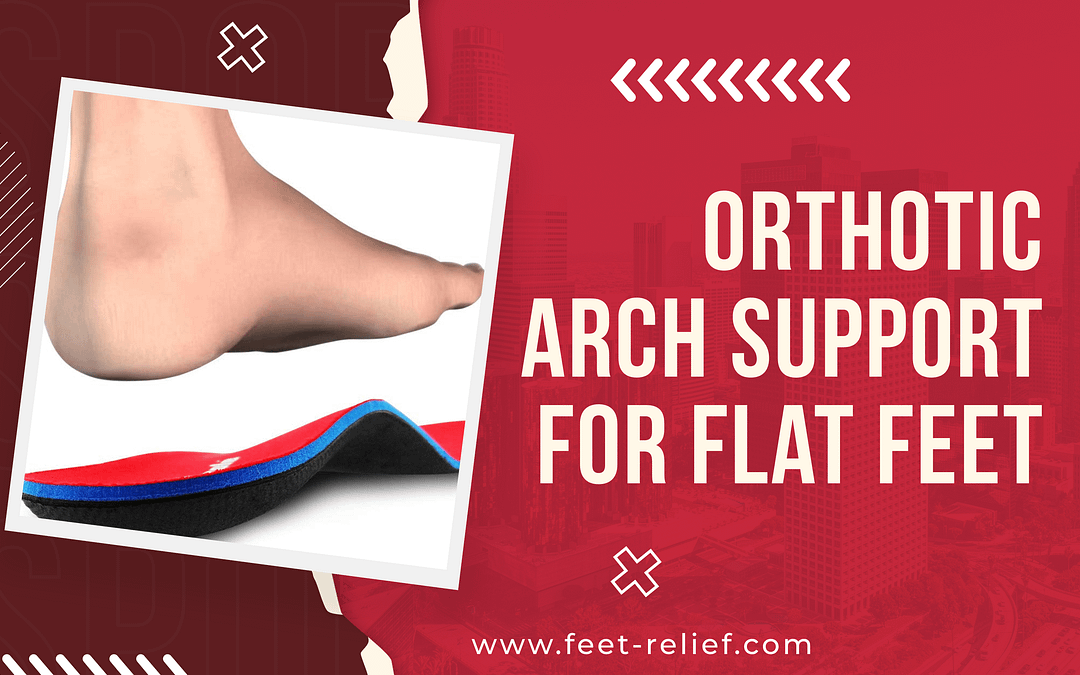
Flat feet can be a common problem that affects people of all ages. You may experience discomfort or pain in your feet, lower legs, and even your back if you have flat feet. The good news is that there are solutions to help manage the symptoms of flat feet, including the use of orthotic arch supports. In this blog post, we’ll take a deep dive into everything you need to know about orthotic arch support for flat feet.

We’ll discuss the anatomy of flat feet and their typical associated symptoms. Delving into the causes and risks of flat feet, we’ll explain how it can lead to injuries or complications. Then, we’ll explore how orthotics work and their benefits in managing flat feet.
Additionally, we’ll provide tips on selecting high-quality arch supports that fit well and are made from suitable materials. Finally, we’ll hear some personal testimonials from people who have used orthotic arch supports to manage their flat feet effectively and how they have benefited from using them. Keep reading!
Understanding Flat Feet
Flat feet, also called pes planus, occur when the foot’s arch collapses, leading to pain and fatigue in the foot, ankle, or lower leg. The arch provides shock absorption, support, and proper alignment for the body, making it crucial to understand your foot type for the right support. Physical therapy and supportive insoles help manage flat feet symptoms.
The Anatomy of Flat Feet
The arch muscles, tendons, and ligaments are critical for foot arch support, while the posterior tibial tendon can weaken in flat feet. The contours of your feet, leg alignment, and arch type all influence the foot’s arch. Genetic and developmental factors, as well as inflammation, can contribute to flat feet.
Typical Symptoms Associated with Flat Feet
Flat feet may cause pain, tenderness, or cramping in the inside of your ankle and the bottom of the foot. Individuals with this condition might experience foot fatigue, especially after extended standing or physical activity periods. Pes planus can lead to knee, hip, or back pain due to the extra strain on leg muscles.
Causes and Risks of Flat Feet
Genetic factors like tarsal coalition or rheumatoid arthritis contribute to flat feet, while lifestyle factors such as weight gain and high heels impact foot arches. Flat feet alter body alignment and can cause joint inflammation. Understanding these causes is crucial for effective treatment and support structure.
Genetic Factors
Abnormal bone fusion and tarsal coalition can contribute to flat feet due to genetic factors. Custom orthotics and supportive insoles are common management options for this condition.
Professional tests can detect the genetic predisposition for flat feet, aiding in effective management. Understanding these genetic factors is essential for comprehensive flat feet management.
Lifestyle Factors
Weight gain, hormonal changes, or pregnancy can contribute to flat feet. Prolonged use of high heels impacts arch support and may lead to flat feet. Lifestyle factors influence flexible flatfoot.
Proper support and shoe inserts alleviate discomfort. Understanding lifestyle impact guides appropriate support choices.
Flat Feet Injuries and Complications
Flat feet can lead to foot pain, arch pain, heel pain, or the development of plantar fasciitis. Long-term flat feet can cause extra strain on the legs, potentially leading to knee pain or hip pain.
Rigid flat feet may increase the risk of developing foot injuries or complications. Understanding potential injuries and complications is crucial for proper management.
The Link between Flat Feet and Back Pain
Flat feet alter body alignment, potentially causing lower back pain. The lack of arch support affects body weight distribution, leading to back pain.
Custom orthotics or supportive insoles provide relief. Addressing flat feet-related back pain often involves proper support and physical therapy. Understanding the connection is crucial for effective pain management.
The Role of Orthotics in Flat Feet Management
Orthotics, like supportive insoles or custom-made arch supports, offer optimal support for flat feet, realigning the foot and reducing strain while supporting the arch structure. They can alleviate pain, enhance foot function, and help prevent flat feet-related injuries. When combined with physical therapy, orthotics provide an effective approach to flat feet management.
How Orthotics Work
Orthotics function by providing the necessary support for arches in flat feet, ensuring proper alignment. These insoles offer shock absorption, stability, and relief from foot pain while evenly distributing body weight and reducing strain. Custom orthotics accommodate unique foot contours, maximizing effective foot pain management support.
Benefits of Orthotic Arch Supports
Orthotic arch supports offer relief for foot pain associated with flat feet, aiding in proper leg alignment and maximum arch support. These supports enhance shock absorption, reduce strain on leg muscles, and assist in weight distribution to prevent extra strain on the entire foot.
Selection Guide for Orthotic Arch Support
Consider the unique contours of your feet when choosing orthotic arch supports for maximum comfort and effectiveness. Look for options that provide proper leg alignment to support your body’s natural structure. Select arch supports that cater to your specific foot type and offer lower back, knee, and hip pain relief, effectively reducing foot fatigue and discomfort.
Material Considerations
Consider those with a deep heel cup for quality and support when choosing arch supports. For maximum comfort, look for rigid structures, counterarch supports, and supportive insoles.
Opt for flexible arch supports to relieve flat feet. Consider the material carefully to ensure proper support and relief.
Size and Fit Criteria
When selecting arch supports, ensure they fit your shoe size properly to provide effective support. Look for supports with arch muscle support for proper alignment and relief.
Check for arch support insoles and a high heel for proper alignment and pain relief. Opt for support that offers relief for joint inflammation caused by flat feet.
Where to Purchase Quality Orthotic Arch Support
When it comes to purchasing quality orthotic arch supports, online options provide convenience and a wide variety of sizes and designs. Physical stores offer the advantage of trying out supports before making a purchase and may even provide custom orthotics for proper relief. Consider options that cater to specific conditions like rheumatoid arthritis and plantar fasciitis.
Online Options
When seeking orthotic arch support online, consider customizable options for flat feet. Look for custom orthotics to provide proper support and relief, addressing foot fatigue, pes planus, tendons, and tarsal coalition.
Ensure the support structure caters to your specific needs, offering relief from common symptoms associated with flat feet. Tread Labs and Dash insoles are popular choices.
How to Use Arch Supports Effectively
Breaking in new orthotics is crucial for proper support and comfort. Maintenance tips are essential for prolonged use of orthotic arch supports for flat feet.
Proper arch supports relieve foot pain and provide support for flexible or rigid flatfoot. Consider arch supports that cater to different foot conditions and provide the necessary relief.
Breaking In Your New Orthotics
Adjusting to new orthotic arch supports for flat feet is crucial. Understand the process and follow guidelines for effective wear. Proper support is essential for foot pain relief.
Gradual wear maximizes support, promoting comfort. Breaking in your new orthotics ensures maximum benefit and relief.
Maintenance Tips for Prolonged Use
When using orthotic arch supports for flat feet, following maintenance tips for prolonged use and support is crucial. Proper care ensures long-term relief and foot health. Consider implementing best practices for cleaning and care to maintain the support structure and maximize the benefits of your arch supports.
Personal Testimonials of Orthotic Arch Support Users
Orthotic arch support has provided relief for foot and back pain, improved foot alignment, and reduced strain on leg muscles. It aids in shock absorption, offers comfort during physical activities, and relieves plantar fasciitis and heel pain. Many users have found significant benefits from the support structure offered by orthotic arch supports.
Can Orthotic Arch Support Completely Cure Flat Feet?
Orthotic arch support cannot completely cure flat feet, but it can provide pain relief and proper support for flexible flatfoot. It helps maintain leg alignment and supports the arch muscles for added stability, aiding in flat foot management. Additionally, it can help manage the common symptom of arch fatigue in flat feet.
Video Credit: @Footankle
Help with Foot Arch for Flat Feet
Orthotic arch supports can be highly beneficial for individuals with flat feet. These supports provide the necessary cushioning and support to alleviate pain and discomfort associated with this condition.
They help reduce foot fatigue and improve overall body alignment, reducing the risk of injuries and complications. When selecting orthotic arch supports, it is important to consider factors such as material, size, and fit to ensure maximum effectiveness.
Additionally, purchasing these supports from reputable sources, either online or physical stores, is advisable to ensure quality and authenticity. It is worth noting that while orthotic arch supports can greatly improve comfort and functionality, they may not completely cure flat feet. However, they can significantly enhance the quality of life for individuals with this condition.
If you are looking to find relief from flat feet and improve your foot health, consider incorporating orthotic arch supports into your daily routine. Don’t let flat feet hold you back from living an active, pain-free lifestyle.
Frequently Asked Questions
How can orthotic arch support help alleviate foot pain for those with flat feet?
Orthotic arch support is beneficial for individuals with flat feet as it helps redistribute pressure on the foot, providing relief from pain. It also adds stability to the foot and prevents overpronation.
Custom orthotics designed specifically for flat feet offer a personalized solution. Selecting comfortable and properly fitting arch supports is important for maximum benefit.
Are there different types of orthotic arch support available for flat feet?
Yes, there are many orthotic arch support options for flat feet. These include full-length insoles, 3/4 length insoles, and heel cups.
Custom-made orthotics are also available for individuals with severe flat feet or other foot conditions. It’s important to consult a podiatrist or healthcare professional to determine the best type of orthotic for your specific needs.
Can orthotic arch support be used in conjunction with other treatments for flat feet?
Orthotic arch support can definitely be used alongside other treatments for flat feet. These may include physical therapy, stretching exercises, and wearing supportive shoes.
Combining different treatments often leads to better results and increased comfort. Always consult a healthcare professional to determine the best treatment plan for your needs.
Learn What’s Best for Your Feet!
Learn what’s best for your feet with us! We offer an array of tips and tricks for foot care and relief.
FACEBOOK
WEBSITE
For a deeper dive into foot health, visit our website: feet-relief.com.
Your journey towards happy, healthy feet starts here!
Read More
cold feet, foot problems
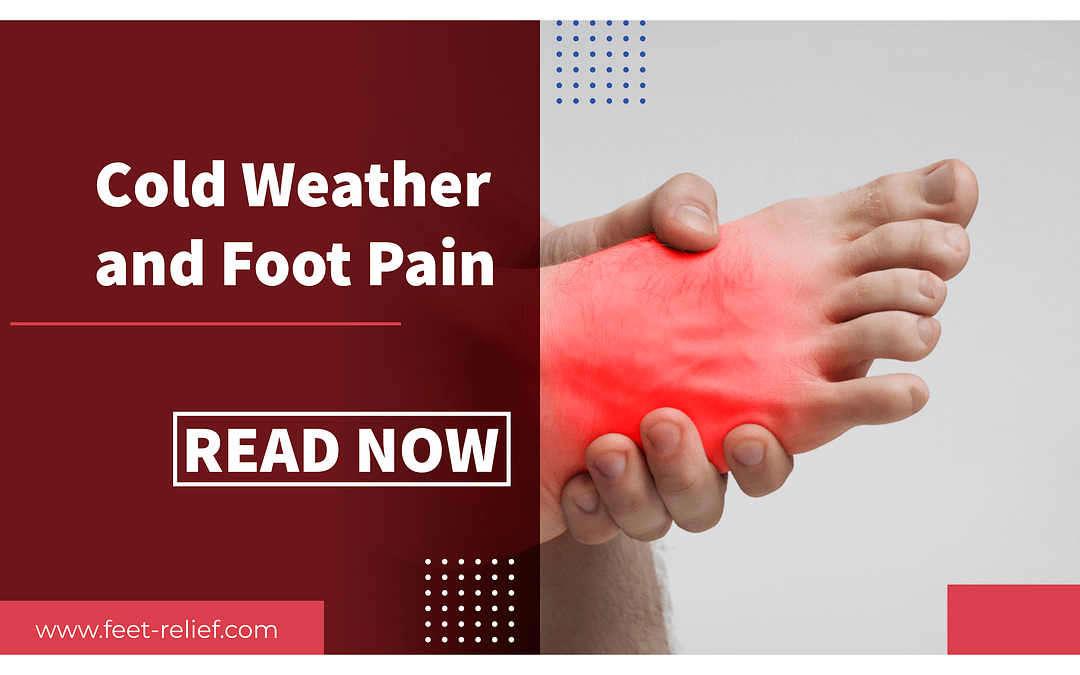
Winter is here, and with it comes the joy of the holiday season. However, along with the festivities, cold weather brings a host of problems, especially when it comes to foot pain. If you are someone who experiences foot pain in colder temperatures, you are not alone.
In this blog post, we will discuss the different causes of foot pain during winter and how to prevent and manage it. We will also shed light on the importance of proper footwear and foot care during winters and when to seek medical attention for persistent or severe foot pain. So, let’s dive in and understand why your feet hurt more in winter and how to deal with it like a pro!
Key Takeaways
- Cold weather may worsen foot pain in conditions like arthritis or Raynaud’s disease.
- Insulated, waterproof footwear helps.
- Exercise improves circulation, reducing cold-related foot pain.
- Severe cases require healthcare professional consultation for proper treatment and management.
Understanding the Causes of Foot Pain in Cold Weather
During colder months, poor circulation can lead to foot discomfort. Appropriate footwear, regular exercise, and professional consultation when pain persists are essential. Winter conditions also increase the risk of slips, falls, and subsequent foot injuries.
Tips for Preventing and Managing Foot Pain in Colder Temperatures
Wear the right shoes with good insulation, support, and grip to prevent and manage foot pain in colder temperatures. Keep your feet warm with thermal socks and use heat therapy like warm baths or heating pads for soreness. Consider stretching exercises, massages, and foot soaks for relief from pain and swelling.
The Importance of Proper Footwear and Foot Care During the Winter Months
Exacerbating existing foot conditions, cold weather highlights the importance of appropriate footwear. Insulated, waterproof shoes prevent frostbite, while regular moisturizing and stretching aid circulation. Consulting a podiatrist offers personalized solutions for winter foot pain.
When to Seek Medical Attention for Persistent or Severe Foot Pain
Persistent or severe foot pain warrants medical attention, especially if it interferes with normal daily activities or shows signs of infection. Healthcare professionals can offer treatment options like physical therapy or custom orthotics to address the underlying causes and provide relief. Preventative measures, such as wearing the right shoes, can also help.
Understanding the Connection Between Cold Weather and Foot Pain
When temperatures drop, blood vessels constrict, reducing circulation to the feet and triggering discomfort. Nerve endings contract, leading to pain, especially for those with chronic conditions like plantar fasciitis and arthritis. Cold weather can worsen existing foot problems.
How Weather Changes Impact Your Feet
Changes in weather can affect your feet in various ways. Winter weather can lead to sore feet, calluses, and blisters due to footwear discomfort. Tight calf muscles in cold weather can exacerbate painful foot conditions, requiring thicker socks and arch support for relief.
The Science Behind Cold-Induced Foot Pain
Peripheral neuropathy may lead to severe foot pain in cold weather due to inadequate circulation. Cold temperatures can trigger inflammation worsening foot pain. Additionally, winter may cause foot tissue contraction, resulting in discomfort and swelling.
Podiatrist consultation is essential for pain alleviation. Tight calf muscles and unsupportive shoes worsen cold-weather foot pain.
Common Causes of Foot Pain in Cold Weather
Raynaud’s Phenomenon leads to extreme foot pain in winter due to blood vessel spasms. Chilblains cause painful, itchy skin on feet and toes.
Frostbite can cause numbness and blisters. Cold weather worsens arthritis, bunions, and plantar fasciitis, aggravating the conditions.
Raynaud’s Phenomenon
In winter, blood vessel spasms can turn feet white or blue, causing throbbing and numbness. Raynaud’s in cold weather is due to poor blood flow, leading to painful feet from constricted blood vessels.
Chilblains
Chilblains in cold weather prompt painful, itchy, and swollen skin on feet and toes. Winter weather triggers discomfort, pain, and redness in feet due to cold temperatures. The healing process for chilblains involves managing symptoms and protecting the affected areas.
Frostbite
Experiencing numbness, pain, and blisters on feet and toes due to winter-induced frostbite can cause discomfort and sensitivity. Cold temperatures trigger this condition, resulting in tingling and cold feet, necessitating proper treatment and care.
Preventive Measures for Avoiding Foot Pain in Cold Weather
Preventive measures for avoiding foot pain in cold weather involve wearing proper footwear, keeping feet dry and warm, using thick socks for insulation, ensuring arch support, and opting for compression socks. These measures can help minimize winter foot pain and alleviate discomfort during normal daily activities.
Importance of Proper Footwear
Proper footwear in winter, with the right arch support, helps relieve foot pain and discomfort caused by cold weather. Supportive shoes prevent painful foot conditions and swelling, aiding in healing and normal daily activities.
Keeping Feet Dry and Warm
During cold weather, warm liquids and proper winter boots promote blood flow and help in keeping feet dry, warm, and comfortable. Thick socks aid in insulating feet while moisture-wicking winter shoes keep feet dry and free from discomfort.
Regular Exercise to Improve Circulation
Engaging in physical activities promotes better foot blood flow, reducing pain and enhancing circulation. Regular exercise aids in improving blood circulation to the extremities alleviates foot discomfort, and improves foot health in colder months.
Solutions to Alleviate Cold Weather Foot Pain
To alleviate cold weather foot pain, ensure proper footwear with adequate arch support and wear supportive shoes with thick, warm, moisture-wicking socks. Appropriate winter shoes and thicker socks can prevent discomfort, allowing normal daily activities.
Over-the-Counter Pain Relievers
Over-the-counter pain relievers offer relief from cold weather foot discomfort. These non-prescription solutions effectively address foot pain, aiding the healing process. OTC pain relievers help manage foot discomfort, allowing normal daily activities without known hindrances.
Topical Pain Relief Creams
When it comes to managing foot discomfort in cold weather, topical pain relief creams offer localized relief and immediate soothing. These creams effectively alleviate discomfort, making them valuable for addressing cold-weather foot pain.
Warm Compress and Massage
Alleviate cold-weather foot pain with warm compress and massage therapy, easing discomfort and promoting healing. Massaging the feet with a warm compress can provide relief from known causes of foot pain, promoting relaxation and improved circulation.
When to Seek Professional Help
If it’s persistent, it warrants a consultation with a podiatrist for proper assessment. If the foot pain does not improve despite self-care, seeking professional help is essential. Consulting a podiatrist is recommended for severe and persistent cold-weather foot pain.
Persistent or Severe Pain
Persistent or severe foot pain in colder temperatures should prompt professional evaluation for potential underlying conditions. Consulting a podiatrist is crucial if the foot pain in cold weather is persistent or severe to prevent long-term damage and ensure proper treatment.
Signs of Frostbite or Other Serious Conditions
Be vigilant for indications of frostbite or other serious foot conditions during colder months. Recognizing signs of frostbite or other foot conditions is crucial in cold weather. Watch for symptoms presenting in chilly temperatures.
Managing Painful Feet in Cold Weather
Proper footwear and warm, moisture-wicking socks are essential in cold weather. Regular exercise and foot massages can ease foot pain.
Over-the-counter pain relievers and topical creams offer relief. Seek professional help for persistent or severe foot pain, and watch for signs of frostbite or other serious conditions.
Recap of Prevention Strategies
To prevent foot pain in cold weather, it’s important to wear the right shoes, keep your feet warm and dry, and exercise regularly. Managing foot pain in winter involves summarizing preventive measures, emphasizing key strategies, and highlighting effective approaches to stay comfortable and pain-free.
Recap of Treatment Options
Keep your feet warm with insulated shoes and socks to alleviate foot pain in cold weather. Regular stretching promotes circulation, while orthotic inserts offer support.
Heat therapy, like warm compresses, relieves discomfort. Severe cases require consultation with a podiatrist to determine the underlying cause.
Why Does My Foot Hurt More in the Winter?
During winter, foot pain can increase due to cold weather. The constriction of blood vessels and reduced blood flow to the feet can cause discomfort. The lack of vitamin D from sunlight exposure may also contribute to foot pain. Wearing proper footwear with insulation and traction and regularly stretching and massaging your feet can help alleviate this pain.
Video Credit: @CKBirlaHospital
Cold Weather and Foot Pain, the Connection
Foot pain during cold weather is a common issue that can be caused by various factors such as poor circulation, nerve sensitivity, or exposure to extreme temperatures. To prevent and manage foot pain, it is important to wear proper footwear, keep your feet warm and dry, and engage in regular exercise to improve circulation.
Over-the-counter pain relievers, topical creams, warm compresses, and massages can also provide relief. However, if you experience persistent or severe pain or signs of frostbite or other serious conditions, it is important to seek professional help. By taking these preventive measures and knowing when to seek help, you can minimize foot pain and enjoy the winter season comfortably.
Frequently Asked Questions
What are some common causes of foot pain during cold weather?
Cold weather can lead to foot pain due to reduced blood flow, uncomfortable footwear, and worsened conditions like arthritis and plantar fasciitis. Wear warm and supportive shoes to prevent foot pain and stay active for better circulation.
How can I prevent foot pain during cold weather?
To prevent this, it is important to wear warm and insulated shoes or boots to keep your feet dry and warm. Additionally, using insoles or inserts can provide extra cushioning and support. Regularly stretching your feet and toes can improve blood flow, while avoiding walking on icy surfaces helps prevent slips and falls that can cause foot injuries.
Are there any home remedies or treatments for cold weather-related foot pain?
Some home remedies and treatments can help alleviate cold weather-related foot pain. Soaking your feet in warm water can provide relief while wearing warm and insulated shoes or boots can prevent discomfort.
Regularly massaging your feet with warm oil or lotion can also help reduce pain. Applying heat therapy, like a heating pad or hot water bottle, can soothe cold weather-related foot pain.
When should I see a doctor for cold weather-related foot pain?
If your foot pain persists for more than a few days, it is recommended that you seek medical attention. Additionally, if you experience severe pain or difficulty walking, it’s important to see a doctor immediately. They can diagnose the underlying cause of your foot pain and provide appropriate treatment to prevent further complications.
Learn What’s Best for Your Feet!
Learn what’s best for your feet with us! We offer an array of tips and tricks for foot care and relief.
FACEBOOK
TWITTER
WEBSITE
For a deeper dive into foot health, visit our website: feet-relief.com. Your journey towards happy, healthy feet starts here!
Read More
foot odor, foot problems, fungus
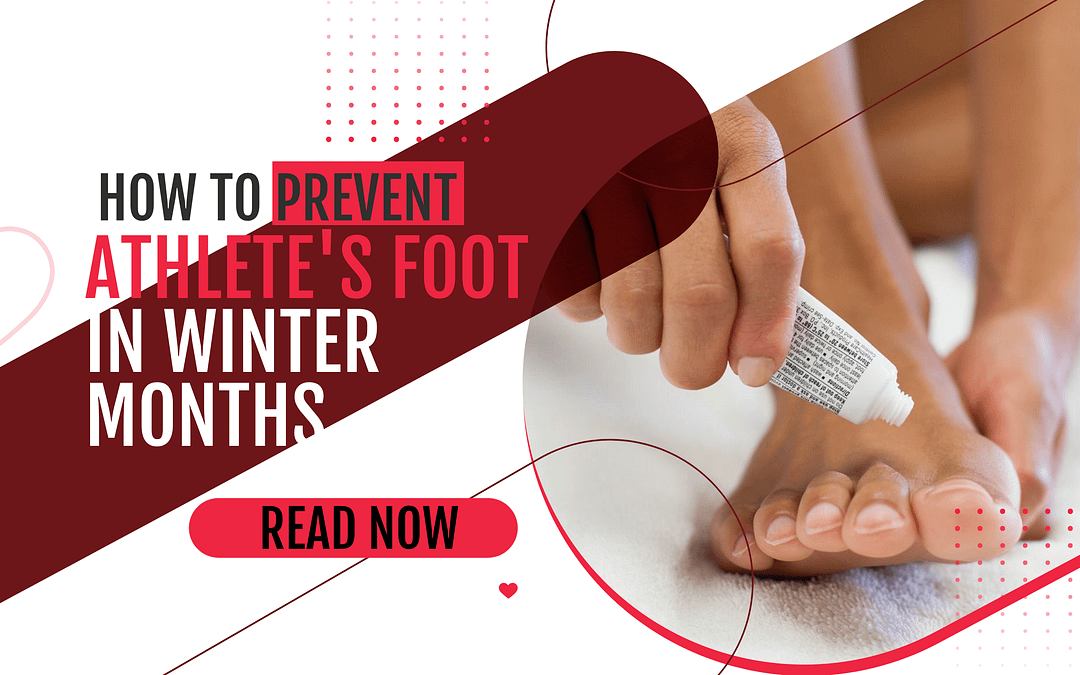
Winter months can be brutal on your feet, and if you’re not careful, it can lead to a fungal infection like athlete’s foot. This common condition is caused by a fungus that thrives in warm, moist environments like sweaty socks and shoes. In this blog post, we’ll discuss how to prevent athlete’s foot in winter.
We’ll also share prevention tips such as keeping your feet clean and dry, choosing suitable footwear for winter activities, and using antifungal products.
Additionally, we’ll provide treatment options for those already suffering from these infections. Finally, we’ll explore everyday practices that can help prevent fungal infections, such as a proper foot care routine and choosing the right socks. So, if you want to learn how to keep your feet healthy this winter season, keep reading!
Key Takeaways
Understanding the causes and symptoms of athlete’s foot
- An athlete’s foot is caused by the fungus Trichophyton.
- It thrives in warm, moist environments, leading to itching, burning, and redness, especially between the toes.
- It is crucial to prevent its spread in high school and college locker rooms, gyms, and communal showers.
- Understanding these causes and symptoms is essential for timely treatment and prevention.
- Learn to recognize the underlying causes.
- Potential risk factors include repetitive stress, overuse, and inflammation, which can lead to serious foot injuries.
- Addressing these factors is vital for keeping an athlete’s foot at bay in the winter months.
Importance of Keeping Feet Clean and Dry During Winter Months
Engaging in winter sports like ice skating and skiing can lead to moisture accumulation, increasing the risk of athlete’s foot. Keeping the feet clean and dry is essential to prevent athlete’s foot and toenail fungus in winter, especially after sports activities.
The combination of moisture from winter sports and temperature changes creates an environment conducive to an athlete’s foot. Maintaining dry and clean feet is crucial for preventing athlete’s foot during winter.
Choosing Suitable Footwear for Winter Activities
When engaging in winter sports like ice skating and skiing, selecting footwear that offers adequate ventilation and moisture-wicking properties to prevent athlete’s foot and foot-related injuries is crucial. The repetitive motion and stress on the feet during these activities make proper footwear essential for preventing foot pain and athlete’s foot. By choosing the right footwear and following foot care practices, athletes can effectively minimize the risk of athlete’s foot during winter sports.
Using Antifungal Products and Remedies to Prevent or Treat Athlete’s Foot
Consider regularly changing socks and shoes to prevent or treat athlete’s foot. Keep feet dry and clean wearing moisture-wicking socks and breathable shoes. Utilize over-the-counter antifungal sprays and powders for prevention. Properly dry the area between the toes to avoid the athlete’s foot.
Seeking Medical Attention If Symptoms Persist or Worsen
Persistent and severe itching and burning may necessitate medical attention. A medical evaluation might be necessary if redness and swelling do not improve.
Prolonged discomfort and pain in the affected area should prompt seeking medical attention. If over-the-counter treatments prove ineffective, consulting a healthcare professional is imperative.
Understanding Athlete’s Foot and Toenail Fungus
Athlete’s foot and toenail fungus are prevalent fungal infections of the foot and toenail caused by various types of fungi in the environment. Athletes’ feet typically affect the spaces between the toes, while toenail fungus affects the toenails, leading to discomfort, redness, and swelling.
Prompt treatment is crucial to prevent complications and discomfort associated with these conditions. It’s important to be aware of the causes and symptoms of these fungal infections and take appropriate measures to prevent their occurrence, especially during the winter months.
The Causes of Athlete’s Foot and Toenail Fungus
Athletes’ foot and toenail fungi are often caused by the growth of fungi in warm, moist environments. Direct contact with infected surfaces or skin can also spread these fungal infections. Wearing damp socks and shoes and walking barefoot in public places can increase the risk of infection.
Individuals with weakened immune systems or poor circulation are more susceptible to these conditions. Understanding these causes is crucial in preventing the occurrence of athlete’s foot and toenail fungus.
Why Winter Months Pose a Greater Risk
During winter, temperature fluctuations and moisture in footwear create ideal conditions for fungal growth. The cold weather leads to increased sweating on the feet, contributing to the development of these infections. Closed shoes, especially tight winter boots, can trap moisture and warmth, fostering fungal growth.
Reduced airflow and thorough winter footwear cleaning exacerbate the risk of infection. It’s vital to educate oneself on the risks associated with winter months for effective prevention.
The Connection Between Footwear and Fungal Infections
The type of footwear worn significantly impacts the development and prevention of fungal infections. Ill-fitting, damp, and poorly ventilated footwear can contribute to fungal growth, especially when worn for prolonged periods in winter.
Choosing moisture-wicking and breathable footwear is essential for prevention. Understanding the impact of footwear on fungal infections is crucial for maintaining foot health.
The Role of Sweating in Fungal Growth
Excessive perspiration during winter, triggered by temperature fluctuations and winter sports, results in moisture buildup within footwear. This trapped sweat creates a conducive environment for fungal proliferation.
Implementing proper hygiene practices and regularly changing footwear can alleviate the impact of sweating on fungal growth. Understanding the correlation between sweating and fungal proliferation is crucial for prevention. Effectively managing foot perspiration is paramount in reducing the risk of these infections.
Ill-Fitting Boots and Their Impact
Ill-fitting winter boots can lead to excessive sweating and moisture retention. They can cause friction and irritation, creating entry points for fungal infections. Selecting properly fitting and breathable winter boots is essential in preventing foot-related ailments. Recognizing the impact of ill-fitting footwear on foot health is paramount in maintaining foot hygiene and health. Addressing the impact of ill-fitting boots is crucial in ensuring overall foot comfort and well-being.
Prevention Tips for Athlete’s Foot in Winter
Maintaining proper foot hygiene, including thorough cleaning and drying, is crucial for preventing athlete’s foot. Opt for moisture-wicking and breathable socks, changing them regularly to minimize infection risk.
Choose footwear with adequate ventilation and moisture control to prevent fungal growth. Steer clear of walking barefoot in public places, especially during winter. Understanding and implementing these tips is essential for safeguarding foot health in the colder months.
Importance of Hygiene
Maintaining clean and dry feet, especially after winter sports, is crucial in preventing fungal infections. Trimming, drying, and keeping toenails clean can reduce the risk of toenail fungus and athlete’s foot. Good foot hygiene practices, such as using antifungal powders, aid in infection prevention.
Understanding the significance of foot hygiene in winter months is essential for infection prevention. Proper hygiene measures help safeguard against athlete’s foot and toenail fungus.
The Right Kind of Footwear
Choosing the right kind of footwear plays a crucial role in preventing foot fungus, especially during the winter months. Opting for shoes and boots made with moisture-wicking and breathable materials is essential to reduce the risk of infection.
Additionally, selecting footwear that provides adequate ventilation and space can help safeguard foot health. Waterproof footwear with proper insulation and moisture control is also recommended to prevent foot fungus during the cold and wet winter season. Understanding the significance of appropriate footwear choices is vital in keeping feet healthy and free from infections.
Treating Athlete’s Foot and Toenail Fungus in Winter
Seeking medical advice or using over-the-counter antifungal treatments can aid in treating these conditions. Keeping the affected areas clean, dry, and well-ventilated is essential in the treatment of athlete’s foot and toenail fungus.
Preventive measures like wearing open-toed shoes and sandals can assist in the recovery process. Understanding the importance of early and effective treatment is crucial in managing an athlete’s foot and toenail fungus. Implementing proper treatment and care is fundamental in addressing foot fungus in winter.
Over-the-Counter Solutions
Over-the-counter remedies are effective for treating athlete’s foot. Look for products with miconazole or clotrimazole. Antifungal powders help keep feet dry and prevent recurrence. It’s important to consult a pharmacist or healthcare professional before use, especially for severe cases.
When to Seek Medical Help
If over-the-counter treatments fail to improve an athlete’s foot, consulting a healthcare professional is essential. Seek medical help if severe pain, swelling, or redness occurs, indicating the need for intervention. Serious infections or complications stemming from an athlete’s foot require immediate medical assistance.
Diabetics and those with weakened immune systems should promptly seek medical help. Additionally, toenail fungus resulting from the spread of an athlete’s foot necessitates medical intervention. Recognizing when symptoms warrant medical attention is crucial, ensuring proper care and treatment.
Everyday Practices to Prevent Fungal Infections
A foot care routine is essential in preventing fungal infections such as athlete’s foot. Practice thoroughly cleaning and drying the feet, paying extra attention to the spaces between toes. Opt for moisture-wicking socks and change them after any activity causing foot sweating.
Choosing breathable footwear is crucial to maintain foot hygiene and prevent fungal growth. Regularly disinfect and air out shoes, especially after engaging in winter sports.
While keeping the feet moisturized is important, excessive wetness can contribute to fungal infections. These everyday practices are effective in preventing athlete’s foot, especially during the winter months.
Foot Care Routine
Incorporating a foot care routine into daily life is vital for preventing an athlete’s foot in winter. Thoroughly clean and dry the feet, paying close attention to the areas between the toes. Regularly inspect the feet for any signs of redness, irritation, or athlete’s foot.
This routine should extend to lower extremity winter sports, ensuring the feet are completely dry after activities like ice skating and skiing. Integrating foot care into the daily routine can effectively prevent athlete’s foot and toenail fungus, especially during the colder months.
Choosing the Right Socks
When choosing socks for winter activities, opt for moisture-wicking and breathable materials to prevent athlete’s foot. Avoid damp socks and select those made of natural, moisture-wicking fabrics. Specifically designed socks for winter sports, like skiing and ice skating, can help prevent athlete’s foot.
Consider changing socks during winter sports to keep your feet dry and comfortable. The right socks are crucial in preventing athlete’s foot during temperature changes.
Can Regular Exercise Help Prevent Athlete’s Foot?
Regular exercise can contribute to foot health and reduce the risk of an athlete’s foot. Engaging in physical activity promotes circulation, and proper foot care during exercise plays a vital role in prevention. Combined with appropriate foot care, exercise can help prevent athlete’s foot in winter.
Video Credit: @AADskin
Knowing How to Prevent Athlete’s Foot in Winter
Preventing an athlete’s foot in winter is crucial to maintaining healthy feet. By understanding the causes and symptoms of an athlete’s foot, keeping your feet clean and dry, choosing suitable footwear, using antifungal products, and seeking medical attention if needed, you can significantly reduce the risk of developing this fungal infection.
Remember to prioritize hygiene, opt for breathable and moisture-wicking footwear, and follow a foot care routine that includes regular washing and thorough drying. Additionally, choosing the right socks and seeking medical help when necessary are important steps in preventing and treating an athlete’s foot. Incorporating these tips into your daily routine will help keep your feet happy and healthy throughout winter.
Frequently Asked Questions
Is athlete’s foot more common in the winter months?
Athlete’s foot is typically associated with warm and humid conditions but can still occur in winter. The fungus thrives in moist environments like sweaty socks and shoes. Wearing breathable footwear and changing socks frequently can help prevent athlete’s foot. Using antifungal products can also be beneficial.
What are some ways to prevent an athlete’s foot during the winter?
Keeping your feet clean and dry is important to prevent athlete’s foot during the winter. After sweating or being in wet shoes/socks, make sure to dry your feet thoroughly.
Opt for breathable shoes and moisture-wicking socks to reduce sweat buildup. Avoid walking barefoot in public showers or locker rooms, and use antifungal sprays or powders on your feet and in your shoes as a preventive measure.
Are there any specific types of socks or footwear that can help prevent athlete’s foot?
Choose breathable socks made of cotton or wool to prevent athlete’s foot. Opt for shoes that fit well and have good ventilation to keep feet dry. Avoid wearing the same pair of shoes for consecutive days and consider using antifungal powder or spray on your feet and in your shoes as a preventative measure.
What are some over-the-counter treatments for athlete’s foot?
Over-the-counter treatments for athletes’ feet include antifungal creams, sprays, and powders. Look for products with active ingredients like clotrimazole or terbinafine. Follow the package instructions carefully and continue treatment as recommended. If symptoms persist or worsen, consult a healthcare professional for further options.
Learn What’s Best for Your Feet!
Learn what’s best for your feet with us! We offer an array of tips and tricks for foot care and relief.
FACEBOOK
TWITTER
YOUTUBE
For a deeper dive into foot health, visit our website: feet-relief.com. Your journey towards happy, healthy feet starts here!
Read More