Top Comfortable Orthopedic Slippers with Support

Top Comfortable Orthopedic Slippers with Support

Are you tired of aching feet after a long day? Do you struggle to find slippers that provide the support and comfort you need? Look no further! Orthopedic slippers are designed to address these issues and more, offering arch support, foot pain relief, and improved comfort compared to regular slippers. Let’s explore the world of orthopedic slippers and discover the perfect pair for you!


Key Takeaways

  • Discover the benefits of orthopedic slippers for foot pain relief, improved comfort, and arch support.
  • Check out our top picks for men’s and women’s styles with features like air holes, cushioning, and non-slip soles.
  • Keep your feet comfy by regularly cleaning & replacing insoles every 6 months to a year.

Discovering the Benefits of Orthopedic Slippers


Discovering the Benefits of Orthopedic Slippers


Orthopedic slippers are more than just a comfortable house slippers. They’re designed to provide arch support, help with foot pain, and make your feet feel at ease. No more struggling with slippers that slip off or don’t provide the support you need.

Orthopedic slippers, also known as comfortable house slippers, allow you to relish your home’s coziness while promoting foot health and comfort.

Arch Support

The significance of arch support in orthopedic slippers is immense. The arches in our feet play a crucial role in supporting our weight and distributing it across the bones in our feet. Arches act like springs, absorbing shock when we move, and ligaments and tendons hold them up.

Without proper arch support, we risk:

  • Weak foot muscles
  • Injuries
  • Flatfoot deformity
  • Circulation issues
  • Inadequate shock absorption

Orthopedic slippers, with their supportive orthotic insoles, offer several benefits:

  • Maintain foot alignment
  • Provide arch support
  • Enhance lower body alignment and stability
  • Help with pain and dysfunction
  • Improve posture and stability
  • Help prevent falls

Wear orthopedic slippers to experience these benefits and improve your overall foot health.

In the end, arch support plays a pivotal role in preserving overall foot health and comfort.

Foot Pain Relief

Orthopedic slippers are effective in addressing foot pain resulting from diverse conditions like ankle pain, flat feet, bunions, edema, and plantar fasciitis. They offer arch support, shock absorption, and contoured footbeds, plus adjustable straps or closures for a secure and custom fit. The wider toe box offers extra room for any foot deformities or conditions, like bunions or hammertoes, and helps keep your feet properly aligned and weight distributed.

Offering proper support and cushioning, orthopedic slippers can significantly alleviate foot pain and provide relief for conditions such as plantar fasciitis, arthritis, and diabetic foot issues. You can alleviate foot pain and embrace a more comfortable, pain-free lifestyle with a suitable pair of orthopedic slippers.

Improved Comfort

Due to design features like molded footbeds, deep heel cups, and arch support, orthopedic slippers provide a superior level of comfort compared to regular slippers. These features help reduce foot pain and provide better stability and a relaxed, comfortable fit, so there are no pressure points on your feet.

Another significant feature of orthopedic slippers that contributes to their enhanced comfort is cushioning. The cushioning in orthopedic slippers absorbs and spreads pressure evenly, reducing the stress on certain parts of the foot and providing a cozy environment for your feet. So, when you slip into a pair of orthopedic slippers, it feels like your feet are getting a gentle hug.


Top Styles of Orthopedic Slippers for Men and Women


Top Styles of Orthopedic Slippers for Men and Women


Orthopedic slippers are available in a wide array of styles suitable for both men and women, guaranteeing a perfect pair for all. Popular styles include clog slippers, slip-ons, and bootie styles, each offering its own unique benefits and features.

We’ll examine these top styles and identify their unique characteristics, ensuring you have the necessary access to make informed decisions.

Clog Slippers

Clog-style orthopedic slippers, appreciated for their convenience and user-friendly design, are a favored choice for many. They usually feature:

  • Air holes
  • Arch support
  • A comfortable insole
  • A sturdy build
  • A slip-on style

Made of materials like suede, felt, and fur lining, these slippers provide the right balance of comfort and support, ensuring your feet feel great and well-supported as you move around your home.

Slip-Ons

Slip-on orthopedic slippers prioritize convenience and support. Designed for easy wear, these slippers typically feature increased arch support, various shapes and styles to suit your preferences, and a lightweight, versatile design. The ease of slipping them on and off makes them an attractive option for those seeking both comfort and functionality.

The benefits of slip-on orthopedic slippers include the following:

  • Arch support
  • Deep heel cup
  • Cushioning in the ball of the foot
  • Improved overall posture

By offering these features, slip-on orthopedic slippers help maintain neutral alignment of the foot, reduce pressure on the heel and ball of the foot, and ensure your feet feel comfortable and well-supported throughout the day.

Bootie Style

Bootie-style orthopedic slippers are excellent for individuals seeking extra warmth and support. These slippers feature a high-top design that covers the entire foot and ankle, providing extra warmth and protection while also offering a snug and secure fit.

With orthopedic features like arch support and cushioning, bootie-style slippers are a go-to choice for those looking for comfort and relief.

Key Features to Look for in Orthopedic Slippers


Key Features to Look for in Orthopedic Slippers


While shopping for orthopedic slippers, consider some key features to ensure you select the right pair for your needs. Look for slippers with built-in arch support, soft cushioning, and non-slip soles. These features will provide you with the support, comfort, and safety you need to maintain optimal foot health and enjoy your time at home.

Built-in Arch Support

Built-in arch support is necessary for maintaining overall foot health and comfort. It helps:

  • Keep your feet in the right position
  • Promote better stability
  • Reduce foot pain
  • Improve blood flow

By distributing pressure more evenly, built-in arch support takes some of the pressure off the heel and ball of the feet and transfers it to the arch instead.

Orthopedic slippers with built-in arch support are designed to provide the right support and alignment for your feet. Worn-out insoles can cause discomfort, uneven wear on your shoes, and lack of adequate support. Therefore, choosing orthopedic slippers with built-in arch support ensures you get the right support and avoid foot pain or damage.

Soft Cushioning

Soft cushioning in orthopedic slippers is a key feature, providing comfort and support for your feet. It helps reduce pressure on certain areas of the foot, preventing painful pressure points and providing a comfortable environment for your feet.

The benefits of orthopedic slippers include:

  • Cushioning that absorbs and spreads pressure evenly, reducing stress on certain parts of the foot
  • Providing a cozy environment for your feet
  • Feeling like your feet are getting a gentle hug when you slip into a pair of orthopedic slippers.

Non-Slip Soles

Consider safety and stability as important factors while choosing orthopedic slippers. Non-slip soles provide extra traction and a firmer grip, ensuring you don’t slip and fall, especially on wet or slippery surfaces. This is particularly important for orthopedic patients who may have reduced stability and balance.

By choosing orthopedic slippers with non-slip soles, you can enjoy the comfort and support you need while staying safe and steady on your feet.


Finding the Right Fit: Sizing and Width Considerations

Finding the correct fit for your orthopedic slippers is necessary for optimal foot health and comfort. This includes understanding shoe widths, measuring your feet accurately, and picking out the orthotic slippers that best suit your needs.

We’ll examine these aspects in greater detail to assist you in finding the ideal pair of orthopedic slippers for your feet.


top picks

Understanding Shoe Widths

Different shoe widths play a significant role in finding the right fit for orthopedic slippers. Orthopedic slippers typically come in wider widths than regular shoes, with some brands offering more narrow sizes as well. Getting the right width ensures a great fit and comfort for people with certain foot conditions or orthopedic requirements.

For men, shoe width sizes include A (narrow), B (medium), C/D (wide), and E (extra wide). For women, shoe width sizes include A (narrow), B (medium), C/D (wide), and E (extra wide). Knowing the right width helps you find the best size and fit for ultimate comfort and support.

Measuring Your Feet

Precise measurement of your feet is necessary to find the correct fit for your orthopedic slippers. Follow these steps to measure your feet:

  1. Place a piece of paper on the floor and stand on it.
  2. Trace the outline of your foot with a pen or pencil.
  3. Measure the length from the heel to the longest toe.
  4. Measure the width at the widest part of your foot.
  5. Do the same for the other foot.
  6. Use the measurements to determine your shoe size according to the sizing chart provided by the orthopedic slipper manufacturer.

Remember to measure your feet in the evening when they’re at their largest, as feet tend to swell up during the day.

Tips for Choosing Orthotic Slippers

When choosing the best orthotic slippers, consider factors like:

  • The durability of the soles
  • Stability grip
  • The spaciousness and comfort of the slippers
  • The fit in terms of length and width
  • Slippers that follow the shape of your foot
  • Slippers that provide the right stiffness and flexibility

By considering these factors, you’ll be well on your way to finding the perfect pair of orthopedic slippers for your feet.

Why We Prefer OrthoFeet Slippers and Shoes

OrthoFeet slippers and shoes distinguish themselves from other brands with the following features:

  • Extra-depth
  • Adjustable features
  • Soft interior linings
  • Premium orthotic insoles with arch support

OrthoFeet’s biomechanical design prioritizes comfort, making their slippers and shoes a top choice for those seeking orthopedic footwear that provides support, pain relief, and a comfortable fit for their toes.

We strongly suggest trying OrthoFeet slippers and shoes for their outstanding quality and comfort.


Our Top Picks: Recommended Orthopedic Slippers for Different Needs

To assist you in finding the ideal pair of orthopedic slippers, we have compiled our top recommendations for various needs, including the best overall, the best for plantar fasciitis, and the best for flat feet. Let’s take a look at these top picks and what makes them stand out from the rest.


right fit sizing


Best Overall, Orthofeet Lorin Hands-Free

Our top pick for the best overall orthopedic slipper is the Orthofeet Lorin Hands-Free. This slipper offers a super soft and fluffy feel, indoor/outdoor soles, and the ability to be worn hands-free.

With its impressive combination of comfort, support, and versatility, the Orthofeet Lorin Hands-Free is an excellent choice for anyone seeking the perfect pair of orthopedic slippers.

Best for Plantar Fasciitis

For those suffering from plantar fasciitis, we recommend the following slippers:

  • Kuru Draft
  • Isotoner Terry Hoodback Clog Slippers
  • Vionic Relax Slipper
  • Orthofeet Charlotte Slippers
  • Vionic Carlin Slipper
  • Topo Athletic slippers

These slippers offer great arch support and cushioning to help alleviate the pain and discomfort associated with plantar fasciitis, making them the ideal choice for individuals suffering from this condition.


Best for Flat Feet

For individuals with flat feet, our top recommendations include:

  • Vionic Relax Slipper
  • Vionic Gemma Mule Slipper
  • OOFOS OOcoozie Mule
  • Ugg Cozy Slipper
  • FitFlop Chrissie II
  • Vionic Carlin Slipper
  • Birkenstock Zermatt
  • Adidas Puremotion Adapt slippers.

These slippers provide the necessary support and comfort for people with flat feet, ensuring a perfect fit and a pain-free experience.


Caring for Your Orthopedic Slippers


caring for the slippers


Appropriate care and maintenance of your orthopedic slippers are crucial to extend their longevity and ensure they continue to provide optimal support and comfort. In this section, we’ll cover cleaning and maintenance tips, replacing insoles, and knowing when to replace your slippers for optimal foot health.

Cleaning and Maintenance

Regular cleaning and maintenance can help maintain the good condition of your orthopedic slippers and extend their lifespan. Here are some steps to clean your slippers:

  1. Use a damp rag, baby wipes, or makeup remover wipes to wipe down the soles.
  2. You can use soapy water, methylated spirits, or baking soda for the insoles. Wipe them down with a damp cloth.
  3. Let your slippers air dry properly before wearing them again.

Cleaning your orthopedic slippers regularly, such as once a week or whenever they need it, can help prevent fungal and bacterial infections. Additionally, using insoles or heel liners to fill up any extra space in the shoe and provide a snug fit can help maintain the shape of your slippers.

Replacing Insoles

Insoles play a significant role in providing support and comfort in your orthopedic slippers. Worn-out insoles can cause discomfort, uneven wear on your shoes, and lack of adequate support. It’s generally recommended to replace your insoles every 6 months to a year, depending on how much you use your slippers and how well you take care of them.

By replacing worn-out insoles, you can ensure continued support and comfort for your feet.

When to Replace Your Slippers

Recognizing when to replace your orthopedic slippers is crucial for maintaining optimal foot health. Typical signs of wear and tear on orthopedic slippers include:

  • Holes or tears in the fabric
  • Flattened-out soles
  • Worn-out heels
  • Misalignment or uneven wear pattern

Orthopedic slippers should usually be replaced every 1 to 3 years, depending on your usage and care. By replacing your slippers when needed, you can ensure continued support and comfort for your feet.

Credits: Kintec: Footwear + Orthotics


Wrapping It Up

Orthopedic slippers offer an excellent solution for individuals seeking comfortable and supportive footwear to wear at home. With their built-in arch support, cushioning, and various styles, orthopedic slippers cater to different needs and preferences. By finding the perfect fit, caring for your slippers properly, and choosing the right pair for your specific needs, you can enjoy the comfort and support of orthopedic slippers and keep your feet healthy and happy.



Frequently Asked Questions


Which slippers are best for foot pain?

The Nlissope Orthopedic Slippers are a great option for foot pain, with arch support and orthotic insoles to realign the foot and provide maximum comfort. They also feature a wide-toe box and adjustable strap for a tailored fit. If you’re looking for something extra cozy, the Orthofeet Charlotte Slippers are a great choice.

What is an orthopedic slipper?

Orthopedic slippers are specially designed footwear that provide comfort, support, and relief for individuals with foot and lower limb conditions. These shoes have molded footbeds and deep heel cups that provide arch support and can help with moderate foot pain management.

What are the best orthopedic slippers?

The best orthopedic slippers include the Vionic Gemma Mule Slippers for overall comfort, Oofos Ooriginal Sandal for sweaty feet, Dearfoams Fireside Shearling Slippers for luxurious feel, Orthofeet Charlotte Slippers for plantar fasciitis and Vionic Carlin Slipper for flat feet.

What are the benefits of orthopedic slippers?

Orthopedic slippers provide arch support, help relieve foot pain, and improve comfort compared to regular slippers, making them a great choice for those with aching feet.

What are some popular styles of orthopedic slippers?

Popular orthopedic slippers include clog, slip-on, and bootie styles for easy wearing and comfort.


Learn What’s Best For Your Feet!


Learn what’s best for your feet with us! We offer an array of tips and tricks for foot care and relief.


FACEBOOK

TWITTER

YOUTUBE


For a deeper dive into foot health, visit our website: feet-relief.com.

Your journey towards happy, healthy feet starts here!


Read More
 

Best Orthopedic Shoes for Women: Ultimate Comfort and Support

Best Orthopedic Shoes for Women: Ultimate Comfort and Support

When I decided to switch to orthopedic shoes, I had no idea the many choices and differences I would find. Which were the absolute best orthopedic shoes for women? I spent many hours researching and finally found my favorite. Continue reading for the perfect mix of comfort and style that I found!

Key Takeaways


  • Discover the best orthopedic shoes available for women, carefully selected for their exceptional comfort, support, and durability.


  • Learn how to choose the right orthopedic shoe with tips on sizing, features, and materials that ensure maximum comfort.


  • Gain insights from first-hand experiences and reviews to understand how these shoes perform in daily life.

Best Orthopedic Shoes for Women:
Ultimate Comfort and Support Guide

Orthopedic shoes are designed to provide extra support and comfort for those dealing with foot problems or anyone who spends a lot of time on their feet. They often feature a blend of functionality and style, providing relief to individuals with various foot conditions, such as plantar fasciitis, diabetes, and arthritis. Unlike typical footwear, orthopedic shoes are constructed to accommodate custom orthotics, enhance stability, and alleviate pain.


When looking for the best orthopedic shoes for women, one must consider several crucial aspects. The fit is paramount. A shoe that is too tight or too loose can exacerbate foot issues rather than improve them. Additionally, the level of support and cushioning is essential as it can significantly reduce the impact on the joints and back. Therefore, features like contoured footbeds, padded collars, and rocker soles are often sought after in orthopedic shoes.


Furthermore, the material of the shoe influences not only comfort but also breathability and durability. Leather and mesh are common options, providing a balance between wear resistance and airflow. It’s also imperative to assess the shoe’s adjustability through elements like laces, straps, or removable insoles, which can tailor the fit to an individual’s unique foot shape.


We spent numerous hours assessing various women’s orthopedic shoes, considering factors such as support, durability, and design preferences. Our goal was to find top-quality options that offer comfort without sacrificing aesthetics, ensuring that each pair of shoes can support an active lifestyle and cater to diverse fashion tastes.

Top Orthopedic Shoes for Women

Comfort meets style in our selection of the best orthopedic shoes for women. Understanding the importance of foot health, we have meticulously researched and chosen footwear designed to provide excellent support, alleviate pain, and enhance stability without sacrificing aesthetic appeal. Whether you’re tackling a long day on your feet or seeking relief from foot-related conditions, our list covers a variety of styles and needs.

Orthofeet Coral Sneakers


After lacing up the Orthofeet Women’s Orthopedic Knit Coral Sneakers and taking them for a test walk, we’d confidently say they’re a worthy investment for anyone needing all-day comfort and support.

  • Offers sturdy support and plush cushioning for prolonged activities
  • Spacious toe box and stretchable fabric accommodate wider feet comfortably
  • Versatile aesthetics suitable for a variety of casual outfits
  • Arch support inserts require manual installation, which may not appeal to everyone.
  • A higher price point that may not be accessible to all budgets
  • May need a breaking-in period to achieve the perfect comfortable fit

Stepping into the Orthofeet Coral Sneakers, we felt an immediate sense of relief at the soles. It’s a testament to the shoe’s cushioning abilities. Their design is both practical and stylish, making them a solid choice for those brisk morning walks or running errands around town. The roomy interior didn’t constrict our movements, and the stretchable fabric adapted nicely to our feet’s unique contours.


We couldn’t help but notice the perfect blend of form and function in these sneakers. They strike a delicate balance, allowing us to look good while tending to our orthopedic needs. The no-tie laces spared us the inconvenience of frequent adjustments, which is a nice touch for those hectic days when we simply can’t afford to stop.


Critically speaking, while we loved the sneaker’s generous padding, we did miss the ease of pre-installed arch supports. The extra step felt a bit burdensome when we were eager to move. Additionally, the price can be a hurdle for those of us watching our expenses. But given their robust construction and the level of comfort they provide, we view it as a long-term investment in our daily well-being.

OrthoComfoot Sneakers


After slipping these on, we noticed they mix a sporty look with the sturdy support necessary for daily activities, particularly for those with plantar fasciitis.

  • Effective arch support for comfort
  • Breathable mesh upper promotes airflow
  • Easy to clean with a simple machine wash
  • It may fit too widely for those with narrow feet.
  • The heavy build could be cumbersome for long wear.
  • Support might diminish somewhat with hours of use.

These OrthoComfoot Sneakers offer substantial arch support, which we’ve found to be a boon during extensive walks and routine errands. The breathable mesh allows for good ventilation, keeping our feet cool on warmer days or during indoor fitness sessions. With the convenience of being machine-washable, maintenance is a breeze.


Despite the supportive design, we’ve noticed that the fit is quite generous. Individuals with slimmer feet may find a lack of snugness which, depending on one’s preference, could be a drawback. The style is modern and caters well to the fashion-conscious.


The sneakers do tip the scales slightly more than we expected, which might not appeal to those looking for ultra-lightweight footwear. Moreover, after several hours of wear, there’s a noticeable decrease in support, although they remain more comfortable than many alternatives we’ve tried. It’s perfect for someone who needs strong support without excessive concern for a minimalist feel.

Orthofeet Francis Rose 7.5


After slipping our feet into the Orthofeet Francis Rose shoes, we found them to be a solid choice for those needing a blend of support and style.

  • Exceptional support for various foot conditions
  • Convenient bungee closure system
  • Inclusion of extra arch support and inserts
  • Some users report quicker wear than expected.
  • Style may not appeal to everyone.
  • Potential for sizing issues; consider ordering a half-size-up

Sliding on the Orthofeet Francis Rose feels like a gentle hug for your feet, especially if you’ve been on a long quest for orthopedic shoes for women that deliver comfort without forgoing style. We immediately noticed how the bungee closure adds convenience for quick slip-on action, which is a boon for those with limited mobility.


The robust support around the arch and heel became more evident throughout the day. It’s clear these aren’t just ordinary shoes. They’re designed to alleviate discomfort associated with foot conditions like flat feet and neuropathy. Initially, we were wary of the bungee laces, but they’ve proven to be both secure and surprisingly adaptive.


Despite their strengths, they’re not without their flaws. There’s some concern over durability, as we’ve perceived noticeable wear on the sole earlier than expected. And while we appreciate their silhouette, the aesthetic might not suit everyone’s taste. Bear in mind the fit as well. You might find a slightly larger size ensures optimum comfort.

Gravity Defyer Comfy Walk


In our experience, the Gravity Defyer Women’s Shoes are a reliable choice for those in need of joint support and comfort in their daily activities.

  • Some may find the toe box tighter than expected.
  • Sizing can be somewhat inconsistent, requiring possible size adjustments.
  • The insoles may feel too firm for those who prefer soft cushioning.

We instantly felt the positive difference after slipping on the Gravity Defyer Comfy Walk shoes. The ergonomic design and the cushioned Ethylene Vinyl Acetate soles transformed our walks into a more comfortable routine. The extra support around the arches and heels reduced strain, particularly noticeable after long periods of being on our feet.


We took note of the fabric-and-synthetic outer material, appreciating its durability and how well it adapted to different weather conditions without compromising breathability. Transitioning from indoors to outdoors, our feet remained at ease, basking in comfort thanks to the ventilated mesh design.


However, it’s worth mentioning that getting the right fit might require ordering a half size up. Some of us needed to adjust our usual sizing to avoid snugness around the toes. Even with this minor hiccup, we found it manageable, and the pain relief the shoes provided made the extra effort worthwhile. While some of us found the insoles a tad too hard straight out of the box, this issue can often be resolved with a little wear-in time or with custom orthotics if preferred.

XPACS Comfort Walkers


We believe these shoes offer superior comfort and support for those with foot concerns, making them an excellent choice for daily wear.

  • Alleviates foot discomfort, ideal for plantar fasciitis
  • Suitable for extended periods of standing or walking
  • Includes extra insoles for adjustable fit
  • The aesthetic may appear bulky to some.
  • It may not fit all arch types comfortably.
  • Heavier weight compared to typical sneakers

Our experiences with the XPACS Comfort Walkers have been overwhelmingly positive, particularly when it comes to the support they offer. On days packed with activities, these shoes have been a blessing, significantly reducing discomfort in the feet. The extra insoles provided have been a boon, especially when fine-tuning the fit to suit individual needs.


We’ve also noticed the practicality of these shoes’s design. They’re easy to lace up and start your day. The shoes have shown admirable durability throughout various outings, handling everything from city pavements to gentle hiking trails without wavering in comfort or functionality.


One thing we must admit, though, is that the XPACS Comfort Walkers may not win any fashion contests. Their appearance is on the functional side, which might not appeal to those with a keen eye for style. Also, some of us found the fit a bit snug or incompatible with certain arch types, leading to discomfort. While reassuring in terms of quality, the shoe’s weight can be a tad too heavy for those used to lighter footwear.


Regardless of the few drawbacks, our collective opinion is that the pros of these shoes far outweigh the cons. They’re reliable for anyone prioritizing foot health and comfort throughout a busy day.

OrthoComfoot Comfy Sneakers


We recommend these sneakers for anyone seeking a balance between orthopedic support and modern style.

  • Exceptional arch support for pain relief
  • Versatile design, pairing well with various outfits
  • Deep and wide fit, great for high insteps
  • It may feel snug for those with wider feet.
  • Initial tightness around the toes can occur.
  • Larger sizing is needed for additional insoles.

After slipping into the OrthoComfoot Comfy Sneakers, we first noticed comfort. The arch support is prominent, which is a game-changer for extensive walks on hard surfaces like retail floors. They seemingly transform a day’s worth of foot fatigue into a walk in the park.


Style and versatility often don’t go hand-in-hand with orthopedic shoes, but that’s not the case here. Whether we were throwing on a casual dress or our favorite pair of jeans, these shoes proved to be stylish companions.


One striking feature is their accommodating depth and width. We often find it challenging to locate shoes that don’t squish our high insteps, but these sneakers offered ample room without compromising on support.


Some of us with notably wide feet did notice the shoes felt snug, especially during a long day on our feet. We suggest considering a half-size up to ensure all-day comfort.


There was also a slight tightness around our toes at first, which reminds us that patience is key; these sneakers may require a brief break-in period.


Lastly, for those of us using additional orthotics, fitting them into these already supportive sneakers means sizing up, which could change the overall fit.


In our experience, OrthoComfoot Women’s Comfy Platform Sneakers cater to the real-world needs of those with foot concerns without asking them to sacrifice style for comfort.

OrthoComfoot Canvas Walkers


These OrthoComfoot shoes are solid orthopedic shoes for women seeking relief from plantar fasciitis and heel pain while enjoying the convenience of a slip-on.

  • Exceptionally comfortable, enhancing daily wear
  • Customizable fit with adjustable Velcro straps
  • Lightweight design aids in reducing foot fatigue

We’ve found the OrthoComfoot Canvas Walkers to be quite the game-changer for daily strolls and extended standing periods. They strike us as particularly beneficial for those long days when feet generally start to ache, thanks to their supportive design that cushions each step. The canvas upper contributes to a breathable experience, keeping our feet cool even on warmer days.


Notably, the adjustable Velcro straps are a standout feature, allowing us to customize the fit to accommodate our unique feet. Whether we have high arches or wider feet, achieving that just-right snugness is easy without feeling constrained. Their lightweight construction ensures we don’t feel bogged down, making it easier to stay on the move.


While the shoes are adaptive and accommodating, we must acknowledge some nuances. If you’re accustomed to sleek footwear, the aesthetic here may feel slightly bulky. There’s a chance of heel discomfort during the initial break-in period, though it’s not been a widespread concern. Additionally, for those of us with serious foot conditions, the arch support may fall short of medical orthotic levels.

Kizik Prague Sneakers


We find the Kizik Prague Slip-On Sneakers are a smart choice for their convenience and comfort. This makes them ideal orthopedic shoes for women on the go.

  • Hands-free slip-on design
  • Durable and machine-washable materials
  • A stylish look that pairs well with casual attire
  • Inconsistencies in shoelace length
  • The narrow toe box may not suit all foot shapes
  • Durability concerns over time with frequent use

The hands-free feature really stands out when you slide your feet into the Kizik Prague Sneakers. It’s especially useful when you’re rushing out the door and don’t want to deal with laces or bending over. They’ve been a go-to for casual outings where style and comfort need to go hand in hand.


On long walks, these sneakers offer good support, and the suede accents are stylish. Machine washing them is a breeze, which is a major plus for keeping them looking fresh. However, if you’re planning on customizing the fit with your own insoles, remember they fit true to size, so you might want to consider a half size up.


While they are primarily comfortable, the toe box might feel a bit snug if you have wider feet like some of us. In our experience, they adapt to the shape of your feet over a short period, but initial fit might be a concern for some. As with any shoe, the longevity is something we’ll keep an eye on, but so far, they’ve been a worthy purchase.

Orthofeet Kita Sport Shoes


If you’re in search of a shoe that marries comfort with ease, the Kita Sport Shoe is our go-to recommendation for orthopedic shoes for women.

  • Effortless slide-in design
  • Customizable insoles for personalized support
  • Ample toe room and overall comfort
  • Some may find the fit larger than expected
  • Price may be a consideration for budget-conscious buyers
  • The soft material may lack support for some users

Stepping into the Orthofeet Kita Sport shoes feels like a breath of fresh air for your feet. The hands-free style is game-changing, particularly after long periods on our feet. It’s just slide in and go. Modern life demands both comfort and convenience, and this shoe seems to understand that.


Throughout the day, we’ve observed how the supportive design cradles the feet, a relief for those of us tackling daily commutes or managing errands. The athletic look melds seamlessly with casual wear, making the Kita a versatile player in our wardrobe. For those acquainted with foot pain, the added cushioning and roomier toe box work wonders in reducing discomfort.


While we appreciate the roomy fit, it’s important to ascertain your size carefully to avoid a loose experience. They’re not the most budget-friendly option on the shelf, but we consider them a worthy investment for our feet’s wellbeing. For indoor use, they excel. However, you might seek additional structure if you require robust outdoor support. Overall, the Kita strikes a fine balance between athletic functionality and the kind of orthopedic comfort that keeps us moving with ease.

Buying Guide


When we look for orthopedic shoes for women, it’s important to prioritize function and fit to ensure maximum comfort and orthopedic benefits. We want to consider several key features that contribute to the quality and effectiveness of the shoes.

Fit and Comfort


Proper fit is crucial for orthopedic shoes. We should measure our feet when they are the largest at the end of the day and consider any orthotic inserts we may be using.


  • Toe box – Ample room to avoid crowding
  • Insole – Supportive and possibly removable
  • Heel counter – Stable and snug to prevent slipping

Supportive Features


Orthopedic shoes should have features that provide support to the arch, heel, and ankle.


  • Arch support – Adequate to prevent overpronation
  • Heel cushioning – To absorb impact
  • Midsole – Firm yet flexible for stability

Quality Materials


The materials used should enhance the shoe’s overall comfort and support. Breathability and durability are essential for long-term use.


  • Uppers – Leather or synthetic that molds to the foot
  • Soles – Non-slip tread and shock-absorbing material
  • Linings – Soft and moisture-wicking

Adjustable Design


Since foot size can change due to various factors, adjustable features can improve the life and effectiveness of orthopedic shoes.


  • Straps or laces – For a customized fit
  • Depth – Sufficient for orthotics if needed

We compare these elements against our personal needs to choose the best orthopedic shoes. Remember always to prioritize our health and comfort in the decision-making process.

Wrapping It Up

Finding the right orthopedic shoes for women can significantly improve your daily comfort and foot health. Remember, the perfect shoe can make a world of difference for your feet. So, take the advice, consider the options discussed, and choose a pair that best suits your needs. Don’t forget to share this article with friends and family who might also benefit from better footwear choices. Comfortable steps lead to a happier, healthier life!

FAQs

Which brands offer the best arch support for women's shoes?

Many brands are well-known for their excellent arch support in women’s shoes. Brands like Vionic, Orthofeet, and Birkenstock are praised for their effective arch support technology that caters specifically to the needs of women’s feet.

What are the top-rated fashionable orthopedic shoe options for women?

For women seeking both comfort and style, brands such as Vionic and Dansko offer fashionable orthopedic shoes. Models like the Vionic Walker or the Dansko Paisley have received high ratings for their blend of orthopedic benefits and contemporary design.

Which women's orthopedic shoes are recommended by podiatrists?

Podiatrists often recommend shoes that provide sufficient support and alleviate pain. Brands such as New Balance and Brooks are frequently suggested by foot specialists, especially for active women who require extra foot care.

What distinguishes orthotic shoes from orthopedic shoes?

Orthotic shoes are designed to support or align the foot, often customizable or over-the-counter inserts. In contrast, orthopedic shoes are built specifically to accommodate foot disorders, featuring a more therapeutic design to aid in mobility and pain relief.

How do HOKA shoes perform in terms of orthopedic support for women?

HOKA shoes are known for their cushioning and supportive design, which can be beneficial for women needing orthopedic support. Their thick, curved soles provide shock absorption and stability, making them a popular choice for those with foot ailments.

What are the best options for women's orthopedic shoes with wide feet?

Brands that cater to wide feet include New Balance and Propet, which offer a variety of wider-width options without compromising orthopedic features. These brands ensure that women with wide feet can access shoes that provide proper fit and therapeutic benefits.

Learn How to Enhance Your Foot Health!


Learn what’s best for your feet with us! We offer an array of tips and tricks for foot care and relief.


FACEBOOK

TWITTER

YOUTUBE


For a deeper dive into foot health, visit our website: feet-relief.com. Your journey towards happy, healthy feet starts here!

Flat Feet Exercises: Proactive Steps Towards Optimal Foot Health

Flat Feet Exercises: Proactive Steps Towards Optimal Foot Health

When a family member began having foot pain, we noticed that she had flat feet. It was time to begin flat feet exercises to help her strengthen her arches and relieve the pain. Do you know someone that experiences pain from flat feet?

Flat Feet Exercises: Proactive Steps Towards Optimal Foot Health

Key Takeaways

Flat feet

You are likely here because you or someone you know is dealing with flat feet. You are seeking remedies, solutions, or ways to mitigate the discomfort or pain often associated with this condition. This article focuses on flat feet exercises, a natural and proactive approach to managing and improving flat feet condition.

Learn the causes and symptoms of flat feet, the importance of exercise, the specifics of flat feet exercises, and the exercises to avoid. We include how often to exercise, additional treatments, precautions, and when to consult a professional. Read the success stories and be inspired and motivated you to take charge of your foot health.

feet, children's feet, baby

Causes and Symptoms of Flat Feet

Flat feet, also known as fallen arches, is a condition where your feet have low or no arches, causing them to press flat against the ground. You might have been born with flat feet or developed them over time.

Many things can cause flat feet. They might be due to aging, injuries, obesity, rheumatoid arthritis, or diabetes. Poor fitting footwear might also cause flat feet to develop.

Cloud Massage Shiatsu Foot Massager Review: Is it Worth the Investment?

Diagnosing Flat Feet

Flat feet are easy to spot. If you stand or sit with your feet flat on the floor, look for that arch between the ball of your foot and the heel. If you see minimal or no space between the floor and your arch region, you have flat feet.

Many people are unaware of their lack of arch. They experience symptoms but assume they are just tired or have been on their feet too long.

If you experience foot pain, consider the possible causes. Symptoms of flat feet include foot pain, particularly in the heel or arch area, swelling along the inside of the ankle, feet tiring easily, and difficulty with foot movement.

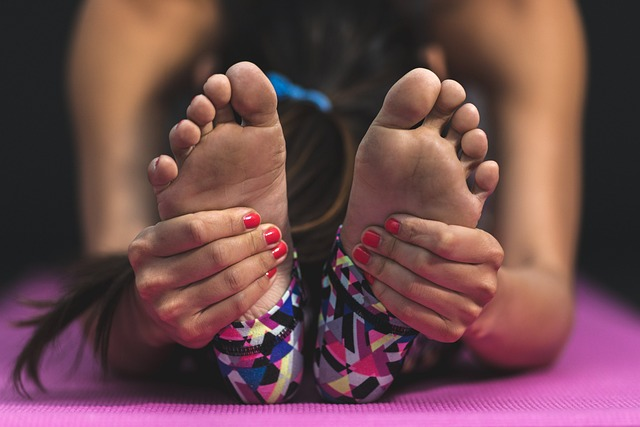
Flat feet

Why strengthening flat feet is important

Strengthening flat feet is important. Flat feet often lead to pain, stress, and imbalances in other parts of your body. They can even affect your neck, back, and hips. Flat feet affects the mechanics of your feet and changes your gait and weight distribution. This can cause problems in your foot, ankle, knee, hip, or back. By working to treat flat feet with exercises that target the muscles and tendons that support the arch, you help to bring your entire body into alignment and prevent or reduce these issues.

More Serious problems

Flat feet might lead to a number of health problems, especially if they are accompanied by pain, inflammation, or overpronation. Some of the serious health issues caused by flat feet are:

Arthritis:

Flat feet increase the risk of developing arthritis in the foot, ankle, knee, or hip joints, as the lack of arch support can cause abnormal stress and wear on the cartilage and bones.

Achilles tendinitis:

Flat feet can cause the Achilles tendon, which connects the heel bone to the calf muscle, to become inflamed and painful due to excessive stretching and strain.

Bunions:

Flat feet can contribute to the formation of bunions, which are bony bumps that develop at the base of the big toe and cause pain, swelling, and deformity.

Shin splints:

Flat feet can cause the shin bone to rotate excessively, leading to inflammation and pain along the front of the lower leg.

Plantar fasciitis:

Flat feet can cause the plantar fascia, which is a band of tissue that runs along the bottom of the foot, to become inflamed and painful due to overstretching and tearing .

Jan’s story

These health issues can affect your mobility, quality of life, and overall well-being. In fact, a friend of mine developed back problems from her flat feet. When walking caused painful symptoms, she adjusted her stance. Over time, she needed corrective help for her spine and neck region to compensate.

flat feet exercises

The Importance of Exercise for Flat Feet

If you have flat feet, exercise is your ally. It helps strengthen your foot muscles, improve your balance, and promote better alignment.

With regular flat feet exercises, you can reduce your symptoms and improve your foot health. Exercise also helps you maintain a healthy weight, reducing unnecessary strain on your feet. While it’s not a quick fix, a consistent exercise regimen helps lead to significant improvements over time.

Understanding Flat Feet Exercises

Before delving into flat feet exercises, it’s essential to understand what they entail. Flat feet exercises are a series of physical activities designed to strengthen the arches of your feet, enhance your balance and coordination, and alleviate the symptoms associated with flat feet.

These strengthening exercises target the muscles in your feet and lower legs, helping to develop and maintain the arches of your feet.


Proactive Steps: Simple and Effective Flat Feet Exercises

Ready to take proactive steps towards optimal foot health? Here’s a list of simple and effective flat feet exercises you can do at home:

Heel Raises:

Stand straight and slowly raise your heels off the ground, standing on your toes. Hold for a few seconds, then lower your heels. Repeat this exercise 10-15 times.

Arch Lifts:

Sit on a chair with your feet flat on the ground. Keep your toes on the floor and lift your arches as high as you can. Hold for a few seconds, then lower your feet. Repeat this exercise 10-15 times.

Toe Yoga:

Sit or stand and lift all your toes, spreading them wide. Then lower them back down. Repeat this exercise 10-15 times.

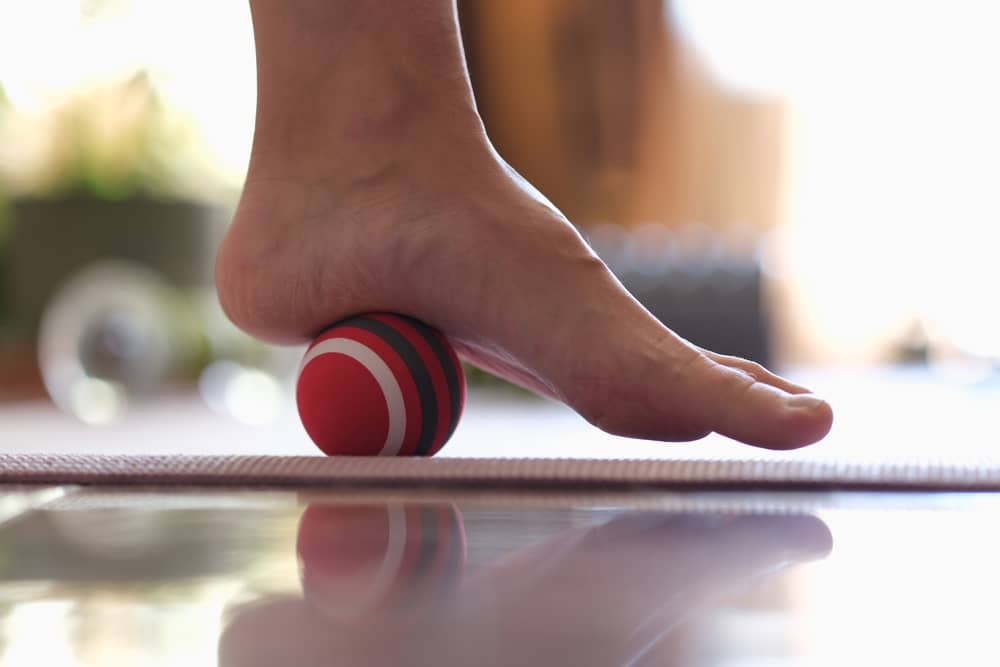
Tennis ball roll

One exercise that uses a tennis ball to help flat feet is the tennis/golf ball roll. This exercise can help to massage and stretch the arch of your foot. To do this exercise, you need to:

  • Sit on a chair with a tennis or golf ball under your right foot.
  • Roll the ball under your foot, focusing on the arch. Do this for 2–3 minutes.
  • Repeat on the opposite foot.

You can do this exercise several times a day to relieve pain and tension in your feet.


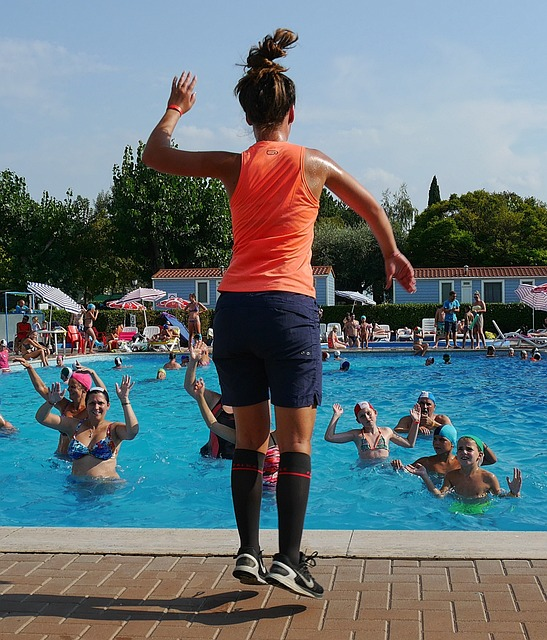
aqua aerobics, for flat feet exercises

Exercises to Avoid If You Have Flat Feet

While exercises are beneficial for flat feet, not all exercises are suitable for this condition. High-impact exercises like running, jumping, or any activities that put a lot of stress on your feet can exacerbate your symptoms and should be avoided.

Instead, focus on low-impact exercises like swimming, cycling, or walking, which are gentler on your feet. And always make sure you wear proper footwear to provide support.

How Often Should You Do Flat Feet Exercises?

Consistency is key when it comes to flat feet exercises. Aim to do these exercises at least three times a week. In fact, many podiatrists recommend doing them throughout the day, each day.

These more frequent but short sessions make a big difference over time. Remember, it’s not about how much you do in one session, but the regularity of your exercise regimen. This consistent approach will help you see improvements over time.

Additional Treatments for Flat Feet

In addition to flat feet exercises, other treatments can alleviate your symptoms. These include using orthotic devices, wearing supportive shoes, losing weight if you’re overweight, and taking over-the-counter pain relievers if necessary.

In severe cases, surgery might be required. However most people find good relief without.

Always consult with a healthcare professional before starting any new treatment.

weight loss, scales, young woman

Precautions to take

Before starting any exercise regimen, it’s important to take certain precautions.

Start slow, especially if you’re new to exercise. Don’t push yourself too hard, as this can lead to injuries.

Listen to your body—if an exercise causes pain, stop doing it.

And finally, always warm up before exercising to prepare your muscles and avoid injury.

When to consult a professional

While flat feet exercises can be done at home, it’s crucial to consult a professional if your symptoms persist or worsen over time. A podiatrist or physical therapist can provide a proper diagnosis and personalized treatment plan. They can also guide you through the correct form and technique for exercises to ensure effectiveness and prevent injury.

Flat Feet Exercise Success Stories

To inspire you, here are a few success stories from people who’ve significantly benefited from flat feet exercises. J

ohn, a 35-year-old office worker, was able to reduce his foot pain and improve his balance after consistently doing heel raises and arch lifts for several months.

Similarly, Mary, a 50-year-old teacher, found relief from her foot pain and increased her walking endurance after incorporating toe yoga into her daily routine.

These stories highlight the potential benefits of regular flat feet exercises and underscore the importance of consistency and patience.

Managing Flat Feet for Health and Happiness

Flat feet can be challenging. But with the right approach, you can manage your symptoms and improve your foot health. Flat feet exercises, along with a healthy lifestyle and the right footwear, usually make a significant difference.

Remember, consistency is key, and it’s always important to consult a professional if you have any concerns. Now that you’re equipped with the knowledge about flat feet exercises, it’s time to take proactive steps towards your optimal foot health.

Frequently Asked Questions

Is it possible to have one foot flat and one not?

Yes, it is possible to have flat feet in one foot and not the other. This condition is called unilateral flatfoot. It can occur due to various reasons, such as:

Unilateral flatfoot can cause pain, discomfort, and difficulty in walking, running, or standing. It can also affect the alignment and balance of the entire body. Therefore, it is important to seek medical attention if you have flat feet in one foot and not the other. Depending on the cause and severity of your condition, you may need orthotics, braces, physical therapy, or surgery to correct your flatfoot.


Related Reading

Problems With Flat Foot

Flat Feet Back Pain: The Connection and Solutions

Can Flat Feet Cause Back Pain?

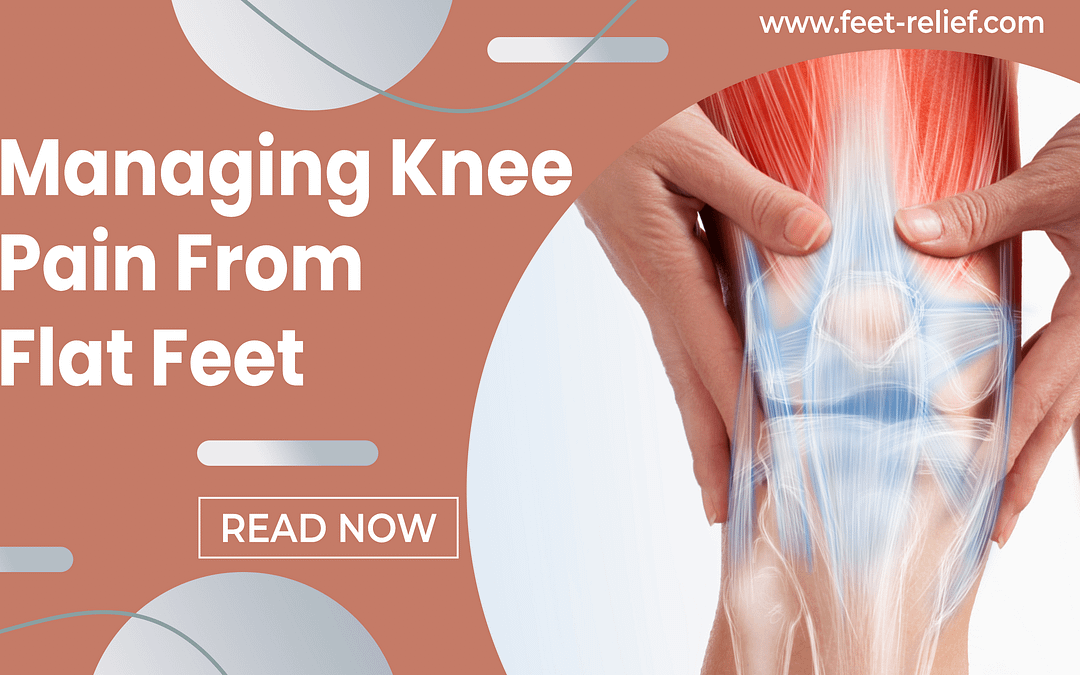
Managing Knee Pain From Flat Feet

How to Prevent Plantar Fasciitis


Managing Knee Pain From Flat Feet

Managing Knee Pain From Flat Feet

Are you struggling with knee pain due to flat feet? You’re not alone. This common issue affects many, but help is at hand. In our guide, we will delve into the causes, impacts, and, most importantly, effective management strategies for knee pain stemming from flat feet. This article is packed with expert insights and tips to alleviate your discomfort. Whether you’re seeking preventative measures or current pain solutions, we’ve got you covered. Read on to start your pain-free living today!

Flat Footedness is a Common Condition

According to the Orthopedic Associates, 60 million Americans, or 25% of the U.S. population, have flat feet. Some cite slightly lower numbers. But if you or a family member have pain associated with flat feet, numbers don’t matter. You just want relief!


Flat feet are a condition in which the foot does not have a normal arch, and so the entire foot touches the floor when you’re standing. They can be caused by heredity, aging, injury, or overuse. Flat feet can cause pain, discomfort, and alignment problems in the feet, ankles, knees, hips, and back. Flat feet can be treated with orthotics, exercises, medications, or surgery, depending on the severity and cause of the condition.

Flat feet, also known as fallen arches or pes planus, are a common condition where the arches of the feet collapse, making the entire sole of the foot come into direct contact with the ground. Surprisingly, this condition can significantly contribute to knee pain and other related issues. This comprehensive guide will delve deep into the correlation between flat feet and knee pain, the potential damage it could cause, and the available treatments to help manage the condition.

Credits: @BobandBrad

Flat Feet: A Chain Reaction


Flat feet can create a chain reaction that extends up your body, often starting with your knees and possibly continuing up to your hips and back. When you have flat feet, your weight is not supported correctly due to the misalignment of your feet. This misalignment also means that your knees aren’t properly aligned, leading to cartilage damage around the kneecap.

Misalignment and Cartilage Damage


With flat feet, the kneecap is surrounded by a v-shaped groove that allows it to move up and down naturally. When your knees are not correctly aligned due to flat feet, the kneecap doesn’t move as it should, leading to the wear and tear of the surrounding cartilage. This scenario can lead to knee pain and potential cartilage damage.

Flat Feet, Weight Gain, and Knee Pain


Interestingly, some individuals can go through their entire lives without experiencing knee pain due to flat feet. However, this usually changes with weight gain. If you have recently put on extra weight and notice increased knee pain, it may be linked to your flat feet condition. Consultation with a foot or knee specialist in such instances can help prevent lasting damage to your knees, such as meniscus tears.


Exercise and Its Impact on Pain Levels


Exercise can also impact your pain levels, especially if you have flat feet. High-impact workouts like running and climbing stairs are most likely to result in pain. If you have flat feet, you may want to consider low-impact workouts like swimming or bicycling, which can reduce the stress on your knees.


Pregnancy and Flat Feet


Women with flat feet often notice increased knee pain during pregnancy. This pain can be attributed to weight gain and physical changes that occur in the body during pregnancy. Hormonal changes increase the flexibility in your ligaments, leading to overpronation, a condition where your ankles roll inward when you stand. This condition can exacerbate during pregnancy, leading to an increased risk of pain and damage.


Silent Cartilage Damage


Understanding that you can have cartilage damage without consistent pain is crucial. One study found that over half of people with flat feet had cartilage damage in their knees, even though they did not notice daily pain. The incidences of cartilage damage seemed most pronounced in patients with the most extreme foot morphology.

Noninvasive Treatments to the Rescue


Thankfully, numerous noninvasive treatments are available if you have knee pain due to flat feet. An occupational therapist can help you create a therapeutic exercise plan for your knees. Arch supports, such as over-the-counter supports and custom orthotics, can also help. Finally, if these options don’t eliminate the pain, it is possible to have surgery that focuses on cartilage repair.


Flat Feet Symptoms


If you are experiencing problems with shin splints, back pain, or your knees or hips, it might be by flat feet. As much as five times your body weight in force is exerted on each foot when you walk. If your foot doesn’t absorb this shock properly, it often leads to other problems. Flat feet can also lead to tendinitis in your Achilles tendon because that tendon must overcompensate when you push off with your feet.


Treatments for Flat Feet

The treatment for flat feet can vary. Physicians typically recommend a conservative approach, with surgery reserved for only the most severe cases. Proper footwear can play a significant role in reducing flat foot causing knee pain. Stability sneakers provide cushioning and help control overpronation.

Orthotic Insoles


People with persistent or severe joint pain symptoms caused by flat feet often benefit from orthotic arch supports. These supports modify the structure of your foot, providing the necessary support and comfort.


Many shoes, such as those by Orthofeet.com, provide these insoles with the shoes.

Foot Stretches


You can also do many stretching exercises to increase arch flexibility and strength. These exercises can be very helpful for people suffering from the side effects of flat feet.

Here is a list of foot stretches that can help with flat feet:


  • Heel stretches

Stand with your hands resting on a wall, chair, or railing at shoulder level. Keep one leg forward and the other leg extended behind you. Press both heels firmly into the floor. Keep your spine straight. Now bend your front leg and push yourself into the wall or support, feeling a stretch in your back leg and Achilles tendon.

Hold this position for 30 seconds. Do each side 4 times. Some people build up to even more sets over time.


  • Tennis/golf ball rolls

Sit on a chair with a tennis or golf ball under your right foot. Be sure to keep your spine straight. Roll the ball under your foot, focusing on the arch. Do this for 2–3 minutes. Then, do the opposite foot.


  • Arch lifts

Stand with your feet directly underneath your hips. Make sure to keep our toes in contact with the floor the entire time. Now, roll your weight to the outer edges of your feet as you lift your arches up as far as you can. Then, release your feet back down.

Do 2–3 sets of 10–15 repetitions. Build up to more sets when you are able.


  • Calf raises

While standing, lift your heels as high as you can. You can use a chair or wall to help support your balance. Hold the upper position for 5 seconds, then lower back to the floor.

Do 2–3 sets of 15–20 repetitions. Then, hold the upper position and pulse up and down for 30 seconds.


  • Stair arch raises

Stand on steps with your left foot one step higher than your right foot. Use your left foot for balance and lower your right foot down so your heel hangs lower than the step. Slowly lift your right heel as high as you can, focusing on strengthening your arch.


  • Towel curls

Place a towel on the floor and sit on a chair with your feet on the towel. Curl the towel toward you using your toes, then push it away. Repeat 10 times with each foot.


  • Toe raises

Stand with your feet shoulder-width apart and your toes pointing forward. Lift your toes off the ground as high as you can, then lower them back down.


Repeat 10 times with both feet, then 10 times with each foot individually.

After Exercising


Using a heat or water massager after doing exercises for flat foot pain can be beneficial for your feet. A heat or water massager can provide several benefits, such as:


  • Easing pain – A heat or water massager helps relax the muscles, tendons, and ligaments in your feet and reduce inflammation and stiffness. This can help relieve pain caused by flat feet, plantar fasciitis, or other foot conditions.


  • Increasing circulation – A heat or water massager can help stimulate blood flow and oxygen delivery to your feet, which can promote healing and recovery. This can also help prevent or reduce swelling, numbness, or tingling in your feet.


  • Reducing stress and tension – A heat or water massager can help calm your nervous system and release endorphins, which are natural painkillers and mood boosters. This can help you feel more relaxed and comfortable and improve your sleep quality.


However, before using a heat or water massager, you should consult your doctor or physical therapist to make sure it is safe and suitable for your condition.


You should also follow the instructions and precautions of the massager and avoid using it if you have any wounds, infections, or allergies on your feet. You should also limit the duration and intensity of the massage and stop if you feel any discomfort or pain.

Whole Body Soak


Many people find that soaking in the bathtub helps with pain, too. In fact, heat and water often remove the pressure on joints and help soothe muscles and bones for those with a heated hot tub with jets.

Five Facts About Flat Feet and Knee Pain


  • Flat feet can be treated with various methods to reduce or prevent knee pain. Some of the common treatments are orthotics, exercises, medications, or surgery. Orthotics are devices that support the foot arch and correct leg alignment. Exercises include physical activities that strengthen the muscles and tendons around the foot and knee. Medications are drugs that relieve pain and inflammation. Surgery is a procedure that fuses or repairs the bones or cartilage in the foot or knee.

Seeking Treatment for Flat Feet


If your flat feet or fallen arches cause problems in your day-to-day life, consider seeking help from a medical professional. Your family doctor should provide a referral.

Sometimes, the pain worsens and is severe enough to interfere with your daily activities. At that point, it’s time to see a doctor for a thorough examination and treatment. If needed, flat foot surgery provides permanent relief and may even create an arch where none existed.


While flat feet are common, they lead to knee pain and other complications if not managed properly. It’s important to seek medical advice if you experience persistent pain or discomfort due to your feet’s alignment. With the right treatment and lifestyle adjustments, it’s entirely possible to lead a comfortable, pain-free life, even with flat feet.

FAQs

What causes knee pain in people with flat feet?

Flat feet can lead to improper leg alignment, increasing knee stress. This added stress can result in knee pain.

Can proper footwear really help reduce knee pain?

Yes, the right footwear provides essential support and corrects foot alignment. This can significantly alleviate stress on the knees.

Are there exercises that specifically help with this kind of knee pain?

Certain exercises strengthen the muscles in your feet and legs. This strengthening can help alleviate the strain on your knees.

Is it necessary to see a doctor for knee pain from flat feet?

If your knee pain is persistent or worsening, it’s important to consult a doctor. They can provide a tailored treatment plan and advice.

How long does it take to see improvements in knee pain?

Improvement times vary depending on individual circumstances. However, with consistent care and management, many see positive changes.

Discover Ways to Improve Your Foot Health Today!


Discover effective ways to fix flat feet and more with us! We offer an array of tips and tricks for foot care and relief. Stay connected for more insights! Follow us on our social media for tips, tricks, and community support focused on foot health.


FACEBOOK

TWITTER

YOUTUBE


For a deeper dive into foot health, visit our website: feet-relief.com. Your journey towards happy, healthy feet starts here!

Flat Foot Ball: How to Fix Flat Feet with a Ball

Flat Foot Ball: How to Fix Flat Feet with a Ball

People with flat feet often prefer not to walk long distances. They aren’t lazy. It just hurts. And flat feet often leads to more serious joint issues. Is there an easy fix? How does the Flat Foot Ball exercise routine help?


Flat Foot Ball: How to Fix Flat Feet with a Ball


Have you ever felt discomfort in your feet while walking or standing for long hours? It could be a sign of flat feet. Flat feet is a common condition where the arches of your feet have collapsed, leading to improper weight distribution across the foot.


This then causes stress on different parts of the feet, leading to pain and discomfort. But don’t worry. There are several ways to manage this condition, one of which involves using a ball as a tool. In this blog, we will discuss what flat feet are, their symptoms, causes, and how to use a ball to alleviate
pain and improve your overall foot health.


We also provide practical exercises you can do with a ball to strengthen your feet and prevent complications. Read on to learn how to fix your flat feet with a ball!

Understanding Flat Feet


Flat feet, also known as fallen arches, occur when the arches of the feet are flat or fallen. This then leads to foot pain and discomfort in the arch, heel, or ankle. Conditions like obesity, arthritis, or fallen arches can contribute to flat feet.


Additionally, flat feet may affect the alignment of the entire foot, leading to gait problems. Physical
therapy and using orthotics, such as insoles, can help manage flat feet.

Characteristics of Flat Feet


Flat feet are characterized by a visible arch that touches the ground when standing. The entire foot, including the ball of the foot, the big toe, and the inner part of the foot, may touch the ground.


Some are flexible, where the arch disappears when weight is taken off the feet. Others are rigid, where the arch remains flat even without weight on the feet.


People with flat feet may experience foot pain, ankle pain, or stiffness in the feet. Additionally, flat feet can affect the alignment of the foot, leading to posture problems.

Common Causes of Flat Feet


  • genetic factors or family history
  • medical conditions
  • structural problems with tendons or ligaments
  • improper footwear


Flat feet develop from any one of a number of causes. Genetic factors or a family history of flat feet lead to the problem for some. Flat feet is a condition in which the arches of the feet are absent or collapsed, causing the entire soles of the feet to touch the ground when standing. Flat feet can be caused by genetic or family history factors, such as:


These factors can make a person more prone to having flat feet from birth or developing them later in life. However, flat feet can also be caused by other factors, such as injury, aging, obesity, arthritis, or diabetes.

Flatfoot Caused By Medical Conditions


Flat feet can be caused by various medical conditions that affect the development, structure, or function of the foot’s arch. Some of these conditions are:


Some medical conditions, such as cerebral palsy, spina bifida, muscular dystrophy, or arthritis, often contribute to the development of flat feet.


In rare cases, problems with the tendons, ligaments, or the posterior tibial tendon, which supports the arch of the foot, can lead to flat feet. The condition sometimes develops in early childhood or adulthood, depending on the underlying cause.

Recognizing Symptoms of Flat Feet


Physical indications of flat feet include the absence of visible arches in the feet. Flat feet often causes foot pain, especially in the arch, heel, or ankle.


They also lead to difficulty walking, especially on tiptoes or for extended periods of time. People with flat feet usually experience
foot pain relief when provided with arch support, such as orthotics or motion control shoes. Additionally, ankle pain, inflammation, or discomfort in the feet can also be signs of flat feet.

Visible physical indications of flat feet include a flat or fallen arch that touches the ground.


In flat feet, the entire foot, including the ball of the foot, the big toe, and the inner part of the foot, may make contact with the ground. This
affects the body’s alignment and posture, leading to gait problems.


People with flat feet often experience difficulty walking on tiptoes due to the lack of arch support. Additionally, individuals with flat feet may experience arch pain, ankle pain, or stiffness in their feet.

Flat feet often causes foot pain, making walking, standing, or exercising uncomfortable. The lack of arch support in flat feet leads to discomfort or pain in the feet, ankles, or lower legs. Mobility may be affected, making physical activities or sports more challenging.


Finding footwear that provides proper support and comfort can be difficult for people with flat feet. Additionally, flat feet impacts body alignment, potentially causing posture problems and discomfort in the knees, hips, or back.

Elevate your well-being with our Massage Lacrosse Balls – instant muscle relief for a revitalized you. Ideal for foot massages, these compact and durable balls guarantee a 10-year lifespan. Experience the power of professional-grade self-myofascial release! 💆‍♂️💪 #MassageMagic #WellnessEssentials #ads #commissionsearned


The Role of a Ball in Treating Flat Feet


A ball plays a crucial role in treating flat feet. Rolling your feet on a ball
effectively massages the arches, tendons, and ligaments, providing much-needed relief. This simple exercise also helps improve foot alignment, mobility, and posture in flat feet.


Regular ball exercises help strengthen the foot muscles, offering better support to the arches. However, it is important to choose the right ball in terms of size, firmness, and material for optimal effectiveness.

How a Ball Can Help


Rolling a ball under your feet stimulates the arches, improving foot alignment in flexible flat feet. In addition, ball exercises can stretch tendons and ligaments, providing
relief from plantar fasciitis.


Strengthening foot muscles with a ball offers better support for the arches in rigid flat feet. Regular ball exercises improve mobility, posture, and gait, reducing discomfort in the feet, ankle, or lower legs. Incorporating ball exercises into your routine contributes to overall
foot health and pain relief.

Choosing the Right Ball


Consider the size of the ball that comfortably fits your feet when selecting a ball for flat feet exercises. The firmness of the ball should provide adequate support and pressure for your flat feet exercise routine.


Opt for a ball made of durable, non-slip material to ensure safety and stability during your exercises. Experiment with different types of balls, such as tennis ball, spiky ball, or therapy ball, to find the one that works best for you.

Practical Exercises with a Ball


Massage and stretch the tendons and ligaments in flat feet by rolling a ball under the arches of your feet. Target the arches specifically by placing the ball under the ball of your foot and gently rolling it back and forth.


Stand against a wall and apply pressure by placing the ball between your foot arches to work the foot muscles. Improve ankle mobility by rolling the ball in circular motions and flexing the foot.


Make sure to incorporate these exercises into your daily routine for better foot alignment, pain relief, and foot muscle strength.

Procedure for Effective Exercises


To improve the strength of your arches, try incorporating simple exercises into your routine. Use a tennis ball to
massage your entire foot, providing relief from any pain or discomfort.


Additionally, consider wearing motion-control shoes for better support and foot alignment during exercise. Another effective exercise is tiptoe walking, which helps improve both posture and foot mobility.


If your foot problems persist or worsen, seek clinical attention for further evaluation and treatment.

How Often Should You Practice These Exercises?


Consistency is crucial when it comes to practicing exercises for flat feet. Aim for daily sessions and gradually increase the duration and intensity. Listen to your body and adjust the frequency based on any discomfort or pain. For personalized guidance, consult a podiatrist, and remember that regular practice yields better long-term results.

Flat Foot Ball Exercises Help

Using a ball for flat feet exercises provides an effective and accessible method to alleviate pain and improve foot arch support. The ball helps strengthen the feet, ankles, and leg muscles, improving overall stability and balance.


Choose the right size and type of ball for your exercises, and perform them regularly for optimum results. Remember to start slowly and gradually increasing your exercise intensity as your strength improves.


By incorporating these exercises into your daily routine, you take proactive steps towards addressing flat feet and experiencing improved foot function and comfort.

FAQs

Can using a ball be an effective way to improve flat feet?

Using a ball can be an effective method to improve flat feet. By rolling the ball under your foot, you can stretch and strengthen the muscles in your feet. Choosing the right size and density of the ball is important for optimal results. Combining ball exercises with other treatments like orthotics may further enhance the outcomes.

What type of ball is best for fixing flat feet?

When it comes to fixing flat feet, the best type of ball to use is either a tennis ball or a lacrosse ball. These balls are commonly used to provide relief and promote proper foot alignment. It’s important to consider your own comfort level and the size of your feet when choosing the right ball. Remember to consult with a healthcare professional before starting any exercises or treatments.

Are there any specific exercises or techniques that can be used with the ball to fix flat feet?

Using a ball to fix flat feet involves various exercises and techniques. Rolling a ball under the arches of your feet can stretch and strengthen muscles, while picking up and moving the ball with your toes improves flexibility. Tennis or lacrosse balls can provide a deeper massage for releasing tension. Consulting with a doctor or physical therapist for tailored exercises is recommended.

How long does it typically take to see results from using a ball to fix flat feet?

Results from using a ball to fix flat feet may vary based on severity and consistency. It can take anywhere from a few weeks to several months. Regular use for at least 10 minutes daily is recommended, and continued use even after initial results is important.

What is the Flat Foot Walk?

The flat foot walk is a type of gait that is characterized by the entire sole of the foot coming into contact with the ground during each step. This type of walking is often observed in individuals with flat feet, as it is a natural way for their feet to distribute weight and absorb shock while walking.


However, it can also be seen in people who have undergone certain surgeries or suffer from other foot conditions that affect their gait. While the flat foot walk may not be considered “normal,” it can still be functional and pain-free for those who experience it.

Learn How to Enhance Your Foot Health!


Discover effective ways to fix flat feet using a simple ball and more with us! We offer an array of tips and tricks for foot care and relief.


FACEBOOK

TWITTER

YOUTUBE


For a deeper dive into foot health, visit our website: feet-relief.com. Your journey towards happy, healthy feet starts here!

Optimized by Optimole