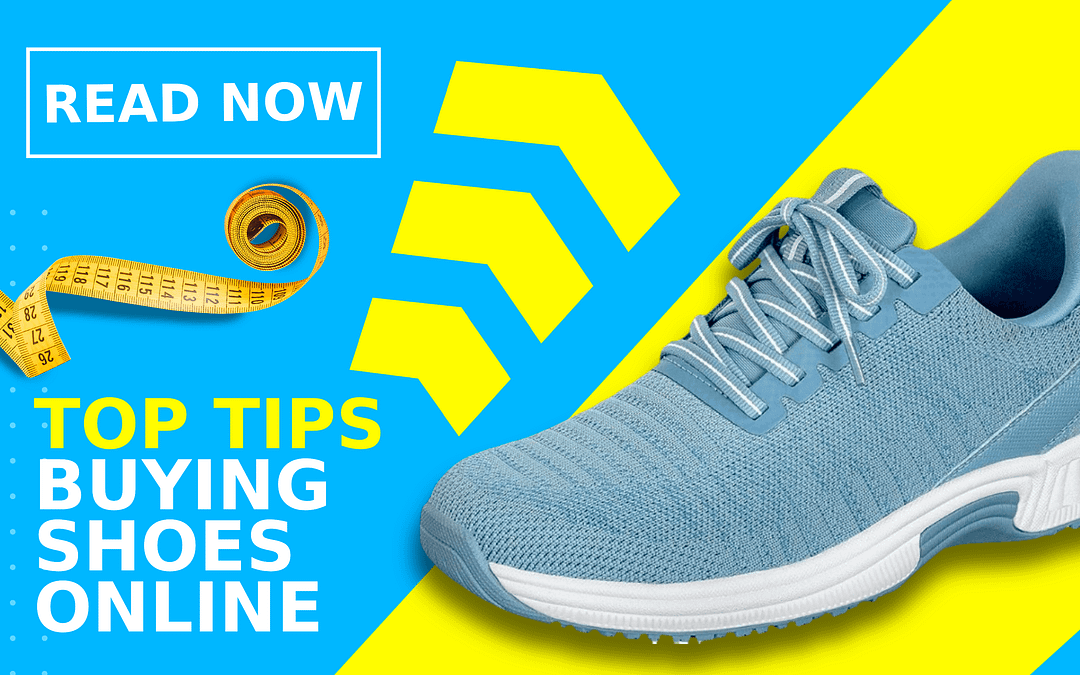
Top Tips for Buying Shoes Online

Top Tips for Buying Shoes Online

In today’s digital age, shopping for footwear has never been more convenient, thanks to the vast array of online options at your fingertips. Whether you’re a seasoned online shopper or new to the virtual storefront, this comprehensive guide is designed to equip you with the essential knowledge and insights to make your online shoe-buying experience a resounding success. From deciphering size charts to understanding return policies, we’ll explore the key factors you need to consider to ensure you find the perfect pair of shoes right from the comfort of your own home. So, lace up your curiosity, and let’s step into the world of online shoe shopping!

The Ultimate Guide: Top Tips for Buying Shoes Online


There’s no denying that the digital age has radically transformed the way we shop. More than ever, consumers are turning to the Internet to make their purchases. Shoes are no exception. But you might be wondering, “Why should I buy shoes online?” Well, online shopping offers a variety of benefits that physical stores can’t match. The advantages are numerous, from convenience and a broader selection to easier comparison shopping and better deals.


However, buying shoes online can seem daunting if you’re new to it or if you’ve had a less-than-stellar experience in the past. Shoes are a particularly tricky item to purchase over the internet. After all, fit and comfort are crucial, and it can be hard to gauge these factors without physically trying on a pair of shoes. But don’t worry. This guide is here to help. We’ll walk you through the top tips for buying shoes online so you can shop with confidence and find footwear that’s perfect for you.


The Pros and Cons of Buying Shoes Online


Like anything, buying shoes online has its pros and cons. On the positive side, online shopping offers unparalleled convenience. You can browse and purchase from the comfort of your home, without having to deal with crowded malls or pushy salespeople. The selection online is often far greater than what you’d find in a physical store, allowing you to find exactly what you’re looking for. You can also easily compare prices and read customer reviews, ensuring you get the best deal and the best quality.

Right Sized Shoes


On the downside, not being able to try on shoes before you buy them can lead to sizing issues. Different brands often have slightly different sizing, making it tricky to find the perfect fit. Additionally, it can be difficult to assess the true color and texture of a shoe through a computer screen. Lastly, dealing with returns and exchanges can be a hassle, though many online retailers have policies in place to make this process as painless as possible.


Despite these potential drawbacks, with the right tips and tricks up your sleeve, you can navigate the world of online shoe shopping with ease.


How to Determine Your Shoe Size Accurately


One of the biggest challenges when buying shoes online is getting the size right. Here’s how to determine your shoe size accurately:


First, you’ll need a piece of paper, a pencil, and a ruler. Stand on the paper wearing socks, and trace around your foot. Measure the length and width of your tracing (at the longest and widest points) and jot down these measurements.


Next, you’ll need to convert these measurements into a shoe size. Many online retailers provide sizing charts that can help with this. However, remember that sizes can vary from brand to brand. This is where customer reviews can come in handy. Often, people will note if a shoe runs large or small.


Online Reviews


When checking the customer reviews, also note other sizing issues. Is the toe box roomy? How comfortable are the shoes after wearing them for a few hours or all day? Does one part of the shoe rub on the foot? I always check the negative reviews first, then the positive reviews. I want to know the pros and cons.

Tips for Buying Shoes Online


Now that you know how to measure your shoe size, let’s delve into some more tips for buying shoes online. First and foremost, do your research. Look at multiple websites, read reviews, and compare prices. Don’t rush your purchase. Take your time to find the best deal and the best fit.


Buying Shoes Online


Also, keep in mind the purpose of the shoes you’re buying. Are you looking for running shoes? Work shoes? Something for a special occasion? Use this information to guide your search and help you find a shoe that fits your needs.


Return and Exchange Policy


Finally, always read the return and exchange policy carefully. You want to make sure you can return the shoes if they don’t fit or don’t meet your expectations. Note the timeframe that they allow for returns, too.

Understanding Shoe Brands and Sizes


As mentioned before, shoe sizes can vary from brand to brand. It’s important to familiarize yourself with different brands and their sizing. Some brands might run larger or smaller, and some might offer wider or narrower sizes. This is another area where customer reviews can be extremely helpful. You can also reach out to the customer service department of the online retailer if you have specific questions.


Excellent Shoes available online

Where Should I Buy Shoes Online – Trusted Online Shoe Retailers


When it comes to choosing where to buy shoes online, you want to choose trusted retailers. Some reliable online shoe retailers include Zappos, Amazon, Nordstrom, and Foot Locker. These retailers have a wide selection, customer reviews, and good return and exchange policies.


My personal favorite is ORTHOFEET. Their shoes feature incredible quality! While they don’t offer the multitude of style options, they offer enough for daily options.

How Can I Buy Shoes Online Safely – Tips and Tricks


Buying shoes online can be safe and secure if you take a few precautions. Always use a secure internet connection and shop on trusted websites with secure payment options. Look for websites with “https” in the URL – the “s” stands for secure. Be wary of deals that seem too good to be true and always read reviews before making a purchase.

Making the Most of Online Shoe Shopping (Discounts and Deals)


One of the great things about buying shoes online is the potential for discounts and deals. Sign up for newsletters from your favorite retailers. They often send out exclusive coupons and early sale notifications. Also, consider using price comparison websites or browser extensions that find the best deal for you.

Dealing with Returns and Exchanges


Even with all these tips and tricks, there’s a chance the shoes you buy online might not fit or meet your expectations. That’s why it’s essential to understand the return and exchange policy of the retailer you’re buying from.


Many online shoe retailers offer free returns and exchanges, but it’s always a good idea to double-check. Keep all packaging until you’re sure you’re keeping the shoes, and follow all return instructions carefully.

Best Tips for Buying Shoes Online


To summarize, here are the best tips for buying shoes online. Know your size, do your research, understand brands and sizes, shop on trusted websites, take advantage of discounts and deals, and understand return and exchange policies.


With these tips, you can enjoy the convenience and variety of online shoe shopping, and find the perfect pair of shoes for you.

Video Credit: @elliotpage_

Mastering the Art of Online Shoe Shopping

In today’s digital age, where convenience meets variety, online shoe shopping has become a game-changer. Armed with the knowledge and insights from our article, you’re now ready to embark on a journey of discovery and style, all from the comfort of your home.


As you’ve learned, the pros of online shoe shopping, from unparalleled convenience to vast selections and competitive pricing, far outweigh the cons. Armed with the right techniques, you can confidently overcome sizing challenges and ensure that your online shoe purchases fit like a glove. Remember, diligent research, understanding brand variations and trusted retailers are your allies in this endeavor.


Additionally, your wallet can benefit from the many discounts and deals the online world offers. Stay updated with newsletters, employ price comparison tools, and enjoy savings. When it comes to returns and exchanges, be well-versed in the policies of your chosen retailer to ensure a hassle-free experience.


The best tips for buying shoes online are at your fingertips. Know your size, do your research, understand brands and sizes, shop on trusted websites, take advantage of discounts and deals, and understand return and exchange policies. With this knowledge, you can fully embrace the convenience, variety, and savings of online shoe shopping.


So why wait? Step confidently into the world of online shoe shopping, and let your footwear collection flourish. Happy shopping!

Frequently Asked Questions

How can I ensure I get the right shoe size when shopping online?

To get the right shoe size when shopping online, it’s essential to measure your foot’s length and width accurately. You can do this by tracing your foot on a piece of paper while wearing socks and measuring these dimensions. Use the sizing chart provided by the online store as a reference. Keep in mind that sizing may vary between brands, so consider checking customer reviews for insights into whether a specific shoe tends to run large or small.

Can you recommend trustworthy online shoe retailers?

Certainly! There are many reputable online shoe retailers to explore. You can look for well-established online stores with a good track record and a wide range of options. Checking customer reviews and ratings for specific products can also help you make informed choices.

What are the best practices for safe online shoe shopping?

Safe online shoe shopping involves several key practices. Ensure you have a secure internet connection when making payments. Look for websites with “https” in the URL to indicate a secure connection. Always read product descriptions and customer reviews to get a better understanding of the product’s quality and fit. Be cautious of overly enticing deals and offers. Familiarize yourself with the return and exchange policies of the online store you’re using to make returns hassle-free if needed.

Explore More on Feet Care and Product Reviews at Feet-relief.com!


If you’re as passionate about taking care of your feet as we are, you’ll be delighted to know about a valuable resource – feet-relief.com. This website is your go-to hub for all things related to feet matters, and it’s a treasure trove of information for anyone looking to keep their feet happy and healthy.


At feet-relief.com, you’ll find a wealth of product reviews to help you make informed decisions about footwear and foot care products. We know how crucial it is to choose the right shoes and accessories, and their reviews are designed to steer you in the right direction. You’ll get insights into the latest trends, brands, and innovations in the world of feet comfort.


But it doesn’t stop at reviews. Feet-relief.com offers a comprehensive guide to feet care that covers everything from basic hygiene practices to dealing with common foot issues. You’ll discover tips and techniques to pamper your feet, ensuring they stay in tip-top shape.


Feet-relief.com isn’t just a website; it’s a community of foot care enthusiasts who understand the importance of happy, healthy feet. So, whether you’re looking for the perfect pair of shoes, want to know how to relieve foot pain, or simply want to explore the world of feet matters, head over to feet-relief.com and join the conversation. Your feet will thank you!
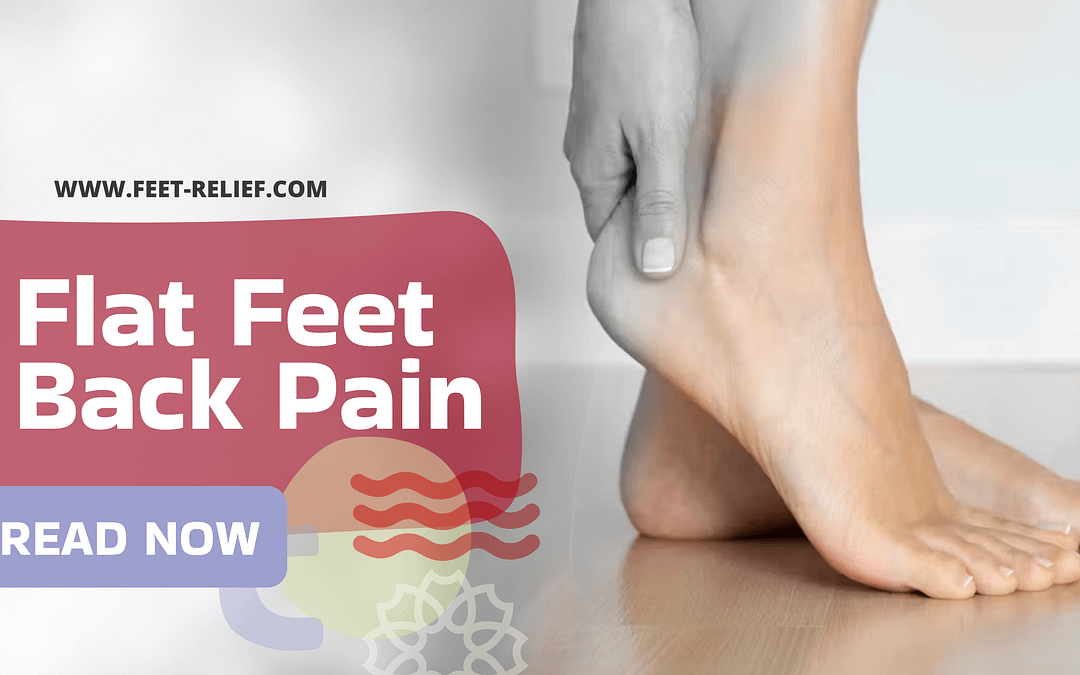
Flat Feet Back Pain: The Connection and Solutions

Flat Feet Back Pain: The Connection and Solutions

If you suffer from back pain, there might be a surprising culprit behind it: flat feet. Flat feet occur when the arch in your foot doesn’t develop properly, causing the sole of your foot to come into contact with the ground. This can cause uneven pressure distribution throughout your body and lead to pain in your lower back.


In this blog post, we will dive deep into what flat feet are, how they impact your overall health, and how you can recognize if you have them. We will also explore different treatment options for back pain caused by flat feet, such as orthotics and physical therapy. Lastly, we will discuss lifestyle considerations that people with flat feet should keep in mind to alleviate pressure on their feet and improve their overall quality of life.

Understanding Flat Feet and Its Impact


Flat feet, also known as pes planus, can significantly impact the musculoskeletal system’s alignment. The arch of the foot plays a crucial role in foot mechanics, providing support and shock absorption during movement. However, individuals with flat feet lack this arch, which can lead to various issues.


Chronic lower back pain is one of the most common problems associated with flat feet. The lack of proper arch support can cause the muscles and ligaments in the feet and legs to overcompensate for the absence, resulting in strain and discomfort.


Additionally, flat feet can contribute to joint pain and muscle strain in other major joints like the ankles, knees, and hips, as well as discomfort and inflammation throughout the body.

The Role of Arch in Foot Mechanics


The arch of the foot plays a crucial role in foot mechanics. It provides stability and shock absorption, helping to distribute weight evenly across the foot.


Acting as a natural spring, the arch facilitates movement and balance. A well-supported arch promotes proper gait and alignment, while an arch deformity can impact the ligaments and joints of the
legs.


Understanding the role of the arch in foot mechanics is essential in addressing issues related to flat feet back pain.

How Flat Feet Contribute to Back Pain


When it comes to flat feet and back pain, there is a clear connection. The alteration of the lower back’s alignment is one way in which flat feet contribute to back pain. This misalignment occurs due to the lack of arch support, which strains the ligaments and joints in the lower back.


Additionally, flat feet can lead to overpronation, resulting in further misalignment and discomfort. The impact of flat feet on the arches and ligament laxity can cause chronic lower back pain, making it a common condition seen in individuals with flat feet.

Credits: KloudStep

Recognizing the Signs of Flat Feet


Recognizing the signs of flat feet is crucial for understanding and addressing this condition. One way to identify flat feet is by observing the absence of the arch when weight-bearing. People with flat feet often experience discomfort while walking or standing.


Furthermore, flat feet can cause the feet and ankles to roll inward, a condition known as overpronation. Symptoms may include foot fatigue and pain, particularly in the arches and heels. Diagnosis typically involves a physical examination and gait analysis, allowing healthcare professionals to assess the extent of flat feet.


Physical Indications of Flat Feet


Physical indications of flat feet include the loss of the arch when standing and a wider appearance of the feet with lower arches. Flat feet can lead to foot and leg fatigue, particularly after physical activities, as well as knee pain and discomfort.


Additionally, the impact of flat feet on the feet and legs can affect posture and balance. It is important to recognize these physical signs as they may indicate the presence of flat feet and the need for appropriate management and treatment options.

Treatment Options for
Back Pain Caused By Flat Feet


Treatment options for back pain caused by flat feet include using orthotics, engaging in physical therapy exercises and stretches, wearing proper footwear with arch support, seeking chiropractic care, and considering weight loss and muscle strengthening exercises.


Flat Feet Back Pain


Orthotics, such as custom arch supports, can provide relief by improving alignment. Physical therapy exercises and stretches can help improve symptoms of flat feet and alleviate back pain. Wearing footwear with adequate arch support can also help relieve pain and improve alignment.


Chiropractic care often assists in managing back pain and addressing misalignment associated with flat feet. Additionally, weight loss and muscle strengthening exercises can reduce strain on the lower back.

Orthotics: A Potential Solution


Orthotics, such as custom arch supports, can provide the necessary support for individuals with flat feet. They help distribute weight evenly and improve alignment, relieving back pain and discomfort caused by flat feet.


Custom orthotics are tailored to the individual’s foot and arch type, ensuring optimal effectiveness. Using orthotics can significantly improve the quality of life for those with flat feet and back pain. By addressing the underlying issues of flat feet, orthotics offer a potential solution that can alleviate symptoms and promote better overall foot mechanics.

The Role of Physical Therapy in Managing Flat Feet


Physical therapy plays a crucial role in managing flat feet. Targeted exercises and stretches can improve muscle strength and alignment, addressing gait and posture issues often associated with this condition.


Additionally, therapeutic activities offered by physical therapists can alleviate the pain and discomfort caused by both flat feet and back pain. By enhancing joint and muscle flexibility, physical therapy reduces strain on the back, contributing to long-term pain management and improved function. Seeking the expertise of a physical therapist with years of experience in treating flat feet ensures effective treatment and better outcomes.

Importance of Proper Footwear to Help Flat Foot and Back Pain


Proper footwear plays a crucial role in alleviating back pain associated with flat feet. By wearing supportive and well-fitted shoes, individuals can find relief from their discomfort. Shoes with arch support and cushioning help improve posture and distribute weight evenly, reducing strain on the lower back.


Always choose footwear with stability and motion control to prevent overpronation and misalignment. Investing in quality shoes can greatly enhance the overall comfort and functionality of flat feet, ultimately improving the individual’s quality of life.


Some of the Factors to Consider When Choosing Footwear for Flat Feet Are:


  • Arch support – Shoes with good arch support can help maintain the foot’s natural shape and prevent the ankles from rolling inward. Arch support can also help to distribute the body weight evenly across the foot and reduce the pressure on the lower back.


  • Cushioning – Shoes that have adequate cushioning can help absorb the shock of walking and protect the feet and back from injury. Cushioning can also provide comfort and stability for the feet and prevent them from getting tired or sore.


  • Fit and size – Shoes that fit well and are the right size can help to prevent the feet from sliding or rubbing inside the shoes, which can cause blisters, corns, or calluses. Shoes that are too tight or too loose can also affect the balance and posture of the body and increase the risk of back pain.


  • Insoles – Insoles are inserts that can be placed inside the shoes to provide extra support and cushioning for the feet. They can help to correct the foot position and alignment and improve the gait and posture of the body. Insoles can also help to relieve the pain and discomfort caused by flat feet and other foot conditions.


By wearing proper footwear, people with flat feet can improve their quality of life and prevent or reduce the pain caused by their condition.

Lifestyle Considerations for People with Flat Feet Back Pain


Regular physical activities, such as low-impact exercises, can help strengthen the muscles and ligaments of the feet and lower back. This can provide better support for the arches and alleviate back pain. Maintaining a healthy weight is crucial for people with flat feet. Excess weight can increase strain and discomfort.


Avoiding high-impact activities and wearing appropriate footwear that provides arch support and cushioning can minimize the impact on the joints and back. Practicing good posture and alignment while standing, walking, and sitting can alleviate back pain and discomfort. Seeking professional care from a chiropractor or podiatrist with years of experience in treating flat feet can provide personalized guidance and treatment for both flat feet and back pain.

Can Weight Loss Alleviate Pressure on Flat Feet?


Weight loss can positively impact flat feet by reducing strain and discomfort. Shedding excess weight can alleviate the pressure on the arches and joints, resulting in decreased back pain. Studies have shown that losing weight improves alignment, posture, and overall symptoms of flat feet and chronic lower back pain.

Dealing With Flat Feet Causing Back Pain?


In truth, flat feet often significantly impact your overall body mechanics, leading to back pain and discomfort. Recognize the signs of flat feet and seek appropriate treatment options to alleviate the pain and improve your quality of life. Orthotics help provide support and stability to your feet, while physical therapy helps strengthen the muscles and improve your foot mechanics.


Flat Feet Back Pain


Additionally, wearing proper footwear and considering lifestyle changes such as weight loss also help alleviate the pressure on your flat feet and reduce back pain. Remember, addressing flat feet is not just about relieving pain but also about improving your overall well-being.


For more information on how flat feet and back pain are related, you can check out these sources:
Spine & Rehab Group, Active Rehab Clinics, Healthily, Medical News Today, and Brandon Orthopedics.

Frequently Asked Questions

How do flat feet contribute to back pain?

Flat feet can lead to back pain by causing misalignment of the body and increased stress on the lower back. The lack of arch support in flat feet can affect the alignment of the spine and hips, while a shorter stride length puts more pressure on the lower back muscles. Wearing proper footwear and using orthotic inserts can help alleviate this back pain.

What exercises or stretches help alleviate back pain caused by flat feet?

Exercises and stretches can help relieve back pain associated with flat feet. Try stretching your calves and hamstrings and doing strengthening exercises like toe curls and heel raises. Yoga poses such as downward dog and warrior II can also be beneficial. It’s best to consult a physical therapist for personalized exercise recommendations.

Are there any specific types of shoes that can help with flat feet and back pain?

Shoes play a crucial role in managing flat feet and back pain. Look for shoes with good arch support, a contoured footbed, or orthotic inserts. Avoid high heels and shoes with little to no arch support. Brands like New Balance, Brooks, and Asics offer shoes specifically designed for people with flat feet.

Is surgery ever necessary to correct flat feet and alleviate associated back pain?

Your doctor might recommend surgery as a last resort. Conservative treatments like orthotics, physical therapy, and stretching are often effective. Surgery options include bone realignment, tendon transfers, and joint fusions if conservative treatments fail.

Explore More on Feet Care and Product Reviews at Feet-relief.com!


Are you passionate about foot health? Feet-relief.com is your essential destination. Dive into expert product reviews to choose the best footwear and foot care items. Stay ahead with insights on the latest trends and innovations for optimal foot comfort.


FACEBOOK


Find a complete guide on foot care, from hygiene tips to solving common foot problems. Feet-relief.com is more than a website. It’s a community for foot care enthusiasts. Whether you’re seeking the perfect shoes, solutions for foot pain, or simply exploring foot care, join us at Feet-relief.com. Your feet deserve it!

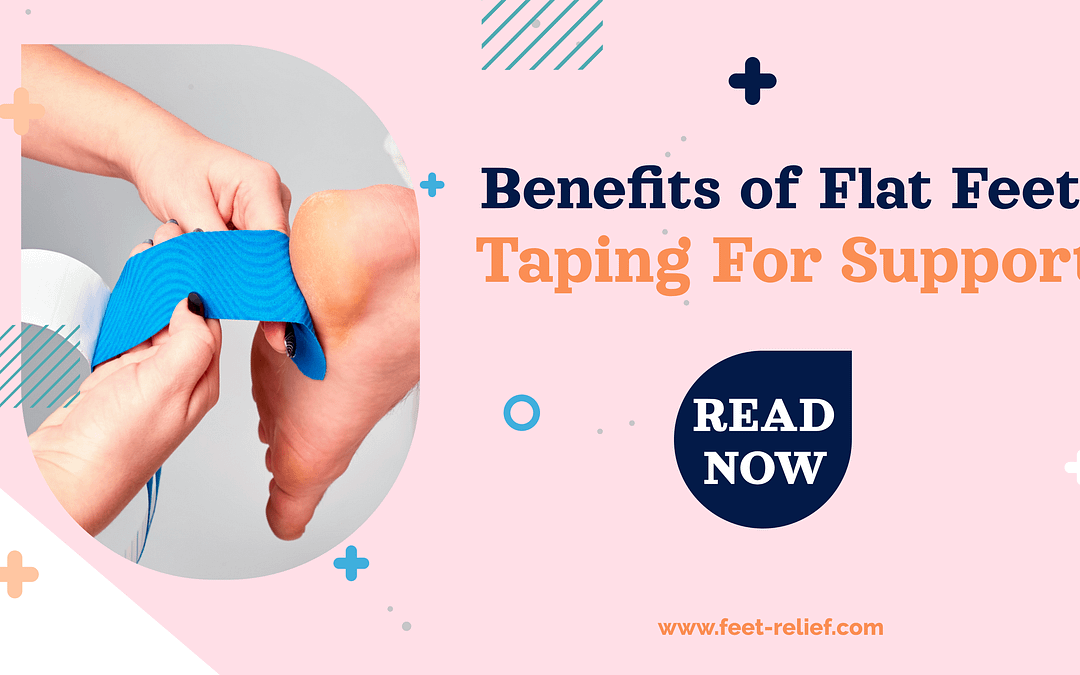
Discover the Benefits of Flat Feet Taping For Support

Discover the Benefits of Flat Feet Taping For Support

If you have flat feet, you know how painful and uncomfortable it can be to stand, walk, or run for extended periods. Flat feet are a common condition and can cause overpronation or the inward rolling of feet when walking.

However, there’s good news! Taping effectively provides support, enhances stability, and controls overpronation associated with flat feet.

In this post, we will explain what flat feet are and their causes and symptoms. We will cover different taping techniques available for providing arch support and controlling overpronation, along with the benefits of such taping techniques.

Lastly, we will discuss using these taping techniques effectively for maximum benefit.

Understanding Flat Feet

Flat feet, also known as pes planus, occur when the foot’s arch is flattened or absent. It can be hereditary or caused by injury, medical conditions, or foot overpronation. People with flat feet may experience foot pain, shin splints, or plantar fasciitis.

Seeking medical advice for proper diagnosis and treatment is essential. Taping is an effective way to provide support and alleviate symptoms of flat feet.


The Anatomy of Flat Feet


Flat feet occur when the arch of the foot, specifically the
medial longitudinal arch, collapses or becomes low. The foot’s arch plays a crucial role in supporting the foot’s biomechanics, posture, and mobility. With flat feet, there is an increased foot pronation, which can affect the foot’s stability and biomechanics. This condition can lead to foot pain, heel pain, arch cramps, shin splints, and other foot-related issues. Taping the foot arch can provide support, reduce pain, and improve foot biomechanics.


Causes and Symptoms of Flat Feet


Flat feet, also known as pes planus, can be caused by genetic factors,
foot overpronation, foot arch abnormalities, or medical conditions. Symptoms of flat feet may include foot pain, arch pain, heel pain, shin splints, or foot instability. Some medical conditions, such as tarsal coalition, can also contribute to the development of flat feet. It is essential to consult a medical professional to diagnose flat feet accurately. Taping the foot arch helps alleviate the symptoms of flat feet and provides support.

Taping as a Supportive Measure for Flat Feet


Using taping provides a non-invasive, cost-effective method of providing support and stability to the foot arch in individuals with flat feet.

Taping the foot arch supports the medial longitudinal arch, reducing overpronation and alleviating foot pain. This supportive measure can be used with other treatment methods like foot orthotics or exercises. The choice of taping technique may vary based on the severity of flat feet and the desired level of support.

Overall, taping the foot arch is an effective way to manage symptoms and enhance foot stability.

How Taping Works for Flat Feet


Taping the foot arch provides external support, lifting the arch in individuals with flat feet. This realigns the foot, improving biomechanics and reducing overpronation. The
tape’s elasticity allows for mobility while providing necessary support. It also helps distribute pressure evenly, reducing foot pain. Taping enhances foot stability, improving balance during activities. By incorporating taping into a treatment plan, individuals can experience the benefits of improved foot posture and reduced discomfort.

Different Techniques of Taping


Various techniques can be employed to support the foot arch in individuals with flat feet. The taping method selected may differ depending on factors such as foot arch structure, foot pain, and desired level of support.


Common techniques include:


Choosing a technique that suits the individual’s needs is important. Consulting a medical professional or physical therapist can offer guidance in selecting the appropriate taping technique.


Benefits of Flat Feet Taping


Taping the foot arch provides various benefits for individuals with flat feet, including pain relief and foot support. It helps in providing arch support, reducing foot pain, arch pain, plantar fasciitis, and heel pain. Tapping the foot arch can also help control overpronation, improve foot stability, and biomechanics. This non-invasive, cost-effective method of managing flat feet symptoms allows for mobility while providing the necessary support, enhancing foot stability, and improving posture.

Providing Arch Support


Taping the foot arch provides external support, lifting the arch in individuals with flat feet. It helps reduce foot pain, arch pain, plantar fasciitis, and heel pain. The taping method distributes pressure evenly across the foot, improving foot biomechanics and reducing discomfort. Taping enhances foot stability, biomechanics, and posture by supporting the medial longitudinal arch. Hence, arch support taping is effective for individuals with flat feet.

Controlling Overpronation


Controlling overpronation
is crucial for individuals with flat feet. Taping the foot arch can help in achieving this goal.

The overpronation taping technique can significantly reduce foot pain, shin splints, arch cramps, and foot instability. This method also realigns the foot, improving its biomechanics and reducing overpronation. Ultimately, it provides the necessary support to enhance foot stability and posture while effectively managing foot pain and discomfort.

Enhancing Foot Stability


Taping the foot arch enhances foot stability, reducing foot pain, arch pain, heel pain, shin splints, and instability.

The technique helps distribute pressure evenly across the foot, alleviating discomfort. It improves foot biomechanics and posture and provides necessary support. This effective method enhances foot stability, foot biomechanics, and foot pain management.

Individuals with flat feet can experience improved support and stability by using foot stability taping.

Application of Different
Taping Techniques for Flat Feet


Taping techniques offer support and stability for individuals with flat feet, helping to alleviate foot pain. By targeting specific areas of the foot, different taping methods help improve arch support and assist in managing conditions such as plantar fasciitis. This non-invasive approach utilizes elastic tape to provide the necessary support without causing numbness or restricting circulation. Taping the foot is an effective way to enhance foot biomechanics and promote overall foot health.


Low-Dye Taping and Its Benefits

Low-dye taping technique reduces foot pronation in individuals with flat feet, relieving associated pain. It supports the medial longitudinal arch of the foot and stabilizes it, reducing the risk of shin splints.

The technique improves foot posture and biomechanics, aiding in better foot stability. Low-dye taping is an effective method to alleviate discomfort and provide support for those with flat feet.


How Effective is Kinematic Taping for Flat Feet?


Kinematic taping is highly effective for flat feet management. This technique improves foot mobility, posture, and provides arch support, reducing flat feet pain. It positively influences foot biomechanics, relieving foot cramps and metatarsal pain.

Say goodbye to flat foot discomfort with Kinesiology Tape! This tape is my go-to for happy, supported arches – it’s like a little boost of magic for your feet! Step into comfort today! #ads #commissionsearned


Flat Feet Taping Provides Help


Truly, flat feet taping is an effective and non-invasive method to provide support and stability for individuals with flat feet.

Whether it’s providing arch support, controlling over-pronation, or enhancing foot stability, taping techniques like Low-Dye Taping and Kinematic Taping can significantly improve comfort and minimize discomfort associated with flat feet. By understanding the anatomy, causes, and symptoms of flat feet, you can apply the appropriate taping technique that suits your needs.

So, if you’re looking for a simple and practical way to alleviate the symptoms of flat feet, consider exploring the benefits of flat feet taping and take a step towards better foot health and overall well-being.

FAQs

Can flat feet taping be used in conjunction with other forms of foot support, such as orthotics?

It can indeed be used alongside other foot support methods like orthotics. Taping provides extra support to the foot and ankle, while orthotics correct alignment issues. It’s crucial to consult a healthcare professional to ensure proper compatibility between different forms of foot support. Using taping and orthotics together can be especially beneficial for severe flat feet or overpronation.

How often should I use flat feet taping for optimal results?

The frequency of usage may vary to maximize its benefits. It’s best to consult a healthcare professional for personalized advice. Generally, apply the tape before physical activity and remove it afterward. Avoid leaving the tape on for more than a few days to prevent skin irritation or damage.

Are there any potential risks or downsides to using flat feet taping?

Potential risks or downsides of flat feet taping include skin irritation or blisters due to improper technique. Over-reliance on taping can weaken foot muscles and lead to long-term dependence. Remember, taping is a temporary solution and should not replace proper footwear or orthotics. Consult a healthcare professional before using it.

Explore More on Feet Care and Product Reviews at Feet-relief.com!


Are you passionate about foot health? Feet-relief.com is your essential destination. Dive into expert product reviews to choose the best footwear and foot care items. Stay ahead with insights on the latest trends and innovations for optimal foot comfort.

FACEBOOK


Find a complete guide on foot care, from hygiene tips to solving common foot problems. Feet-relief.com is more than a website. It’s a community for foot care enthusiasts. Whether you’re seeking the perfect shoes, solutions for foot pain, or simply exploring foot care, join us at Feet-relief.com. Your feet deserve it!


Plantar Fasciitis Personal Stories

Plantar Fasciitis Personal Stories

Plantar Fasciitis Personal Stories

I enjoy hearing how others have experienced plantar fasciitis and found ways to manage it

A Step in the Right Direction, Sara’s story

Sara had always loved running. It was her way of staying fit, relieving stress, and enjoying nature. She had participated in several half-marathons and was always looking for new challenges and goals.

But one day, she woke up with a sharp pain in her right heel. She tried to ignore it and went for her usual morning run, hoping it would go away. But the pain only got worse as she ran, and she had to stop and limp back home.

She searched online for the possible causes of her heel pain and came across a condition called plantar fasciitis. She learned that it was an inflammation of the tissue that connects the heel bone to the toes and that it was common among runners and people who stand or walk a lot on hard surfaces.

She decided to see a doctor, who confirmed her diagnosis and suggested some treatment options. He told her that most cases of plantar fasciitis can be treated with conservative measures, such as resting, icing, stretching, and taking anti-inflammatory drugs. He also recommended that she wear night splints to keep her foot stretched while sleeping, and orthotics to support her arch and distribute the pressure on her foot more evenly.

Sara followed the doctor’s advice and took a break from running. She also started doing some physical therapy exercises to strengthen her lower leg muscles and improve her flexibility. She noticed that the pain gradually decreased over time, but it still bothered her in the morning or after long periods of standing.

She missed running so much that she decided to try it again after a few weeks. She bought new shoes with more cushioning and arch support and warmed up properly before running. She also reduced her speed and distance and avoided running on hard or uneven surfaces.

She initially felt slight discomfort in her heel, but it soon faded as she ran. She felt a surge of joy and relief as she completed her run without any major pain. She realized that she had taken a step in the right direction and that she could overcome her plantar fasciitis with patience and perseverance.

Here is a short story that describes how a friend of mine with flat feet developed plantar fasciitis and is trying to manage the problems:

A Painful Lesson, Tom’s foot problems

Tom had always been self-conscious about his flat feet. He hated the way they looked and felt, and how they made him walk awkwardly. He avoided wearing sandals or going barefoot in public, and he often wore thick socks and shoes to hide his feet.

He had heard that flat feet could cause foot problems, but he didn’t pay much attention to it. He thought he was fine as long as he didn’t have any pain or discomfort. He enjoyed playing soccer and basketball with his friends, and he never had any issues with his feet.

That changed one day when he joined a new gym and decided to try out the treadmill. He had never run on a treadmill before, and he didn’t know how to adjust the speed or incline. He just started running as fast as he could, without warming up or stretching.

He felt a sharp pain in his right heel after a few minutes, but he ignored it and kept running. He thought it was just a minor strain that would go away soon. He ran for another 10 minutes, until he couldn’t bear the pain anymore. He stopped the treadmill and limped off, feeling a throbbing sensation in his heel.

He hoped that the pain would subside by the next day, but it didn’t. It was worse in the morning, when he took his first steps out of bed. He felt like someone was stabbing him in the heel with a knife. He could barely walk, let alone run.

He searched online for the possible causes of his heel pain, and came across a condition called plantar fasciitis. He learned that it was an inflammation of a thick band of tissue that runs across the bottom of each foot and connects the heel bone to the toes, known as the plantar fascia. He also learned that flat feet could increase the risk of developing plantar fasciitis, as they put more stress on the plantar fascia.

He realized that he had made a big mistake by running on the treadmill without proper preparation or footwear. He decided to see a doctor, who confirmed his diagnosis and suggested some treatment options. He told him that most cases of plantar fasciitis could be treated with conservative measures, such as resting, icing, stretching, and taking anti-inflammatory drugs. He also recommended that he wear night splints to keep his foot in a stretched position while sleeping, and orthotics to support his arch and distribute the pressure on his foot more evenly.

Tom followed the doctor’s advice and took a break from running and other sports. He also started doing some physical therapy exercises to strengthen his lower leg muscles and improve his flexibility. He noticed that the pain gradually decreased over time, but it still bothered him in the morning or after long periods of standing.

He missed playing soccer and basketball with his friends, but he knew he had to be patient and careful with his recovery. He also realized that he had to take better care of his feet, and that he couldn’t ignore his flat feet anymore. He decided to buy new shoes with more cushioning and arch support, and to warm up properly before any physical activity.

He hoped that one day he would be able to run again without any pain, and that he would learn from his painful lesson.


Here is a short story about how your friend Linda, a middle-aged woman who was overweight and had diabetes, developed plantar fasciitis and how she is managing it now:

A New Beginning – Linda’s story

Linda had always struggled with her weight and her  type 2 diabetes. She knew she had to eat healthier and exercise more, but she found it hard to stick to a routine. She often felt tired, hungry, and depressed. She also had frequent foot problems, such as blisters, corns, and calluses. She ignored them, thinking they were not a big deal.

One day, she decided to join a walking group with some of her friends. She thought it would be a good way to socialize and get some fresh air. She bought a pair of cheap sneakers and went for her first walk.

She enjoyed the company and the scenery, but she soon felt a sharp pain in her right heel. She tried to ignore it and keep up with the others, but the pain only got worse as she walked. She had to stop and limp back to her car.

Linda  searched online for the possible causes of her heel pain, and came across a condition called plantar fasciitis. She learned that it was an inflammation of a thick band of tissue that runs across the bottom of each foot and connects the heel bone to the toes, known as the plantar fascia. She also learned that people with diabetes have a higher risk of developing plantar fasciitis, as high blood sugar levels can damage the nerves and blood vessels in the feet.

She decided to see a doctor, who confirmed her diagnosis and suggested some treatment options. He told her that most cases of plantar fasciitis can be treated with conservative measures, such as resting, icing, stretching, and taking anti-inflammatory drugs. He also recommended that she wear night splints to keep her foot in a stretched position while sleeping, and orthotics to support her arch and distribute the pressure on her foot more evenly.

Linda followed the doctor’s advice and took a break from walking. She also started doing some physical therapy exercises to strengthen her lower leg muscles and improve her flexibility. She noticed that the pain gradually decreased over time, but it still bothered her in the morning or after long periods of standing.

She realized that she had to make some changes in her lifestyle to prevent further damage to her feet. She decided to lose some weight by following a balanced diet and counting her carbs. She also decided to monitor her blood sugar levels more closely and take her medications as prescribed. She bought new shoes with more cushioning and arch support, and warmed up properly before any physical activity.

She slowly resumed walking with her friends, but at a slower pace and shorter distance. She also tried other low-impact exercises, such as swimming, cycling, and yoga. She felt more energetic, happier, and confident.

Linda now says she is proud of herself for taking charge of her health and overcoming her plantar fasciitis. She feels like she entered a new beginning.

Managing Peripheral Neuropathy Both Feet Or One

Managing Peripheral Neuropathy Both Feet Or One

Managing Peripheral Neuropathy Both Feet Or One:

Find Relief with our tips

Peripheral Neuropathy, both feet or one, affects millions of people worldwide. It occurs when the nerves that carry messages to and from the brain and spinal cord are damaged or diseased. Although it can affect any part of the body, it is most commonly seen in the feet. This leads to a variety of symptoms such as numbness, tingling, burning sensations, and even pain.

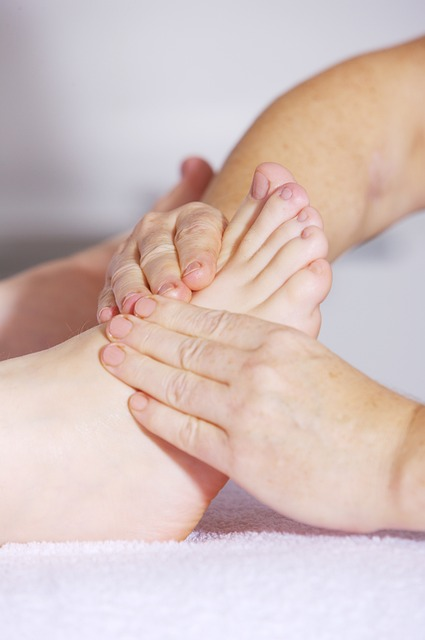
foot massage, foot reflex, foot reflex zones

In this blog post, we explore what Peripheral Neuropathy is, its causes, diagnosis, treatment options, preventive measures, and how regular exercise can help in managing it. We also discuss how to live with this condition including self-care tips and when to seek medical attention.

If you or someone you know has been diagnosed with Peripheral Neuropathy or experiences any of these symptoms in their feet, read on for some relief!

Understanding Peripheral Neuropathy both feet or one

Peripheral neuropathy affects the nerves outside the brain and spinal cord. Symptoms range from numbness to muscle weakness. Damage to the peripheral nerves causes pain, tingling, or loss of sensation. The most common causes of peripheral neuropathy include diabetes, autoimmune diseases, and traumatic injuries.

Proper diagnosis is important for effective treatment. Sensory nerves and autonomic nerves are involved, and a wide range of factors, including kidney disease and carpal tunnel syndrome, can contribute to severe cases of neuropathic pain. Neuropathy my affect other parts of your body as it progresses.

Additionally, there are different types of nerves with their own specific functions. Extensive medical history helps identify underlying causes. Prompt diagnosis allows for early intervention and management of peripheral neuropathy.

nerve cells, neurons, nervous system

An Overview of the Peripheral Nervous System

The peripheral nervous system comprises a network of nerves that connect the central nervous system to various parts of the body, including both feet. These nerves play a crucial role in controlling muscle movement, sensory function, and autonomic functions like blood pressure regulation.

When the peripheral nerves are damaged, it leads to peripheral neuropathy. This manifests as symptoms such as pain, numbness, and muscle weakness. Although the medical problems often appear in your own feet, they may affect the rest of the body, as well.

Peripheral neuropathy can have various causes, ranging from diabetes and vitamin deficiencies to autoimmune diseases. Treatment options for peripheral neuropathy focus on managing symptoms, addressing underlying causes, and promoting nerve health.

Recognizing Symptoms of Peripheral Neuropathy

Peripheral neuropathy can manifest in various symptoms, depending on the type of nerve damage and underlying cause. These can include pain, numbness, tingling, muscle weakness, and coordination problems.

For instance, diabetic neuropathy often affects the feet, leading to a loss of sensation, foot ulcers, and an increased risk of infection. Rheumatoid arthritis can also cause peripheral neuropathy, resulting in pain, swelling, and joint deformity.

If you experience any of these symptoms, seeking prompt medical attention is crucial for early diagnosis and treatment to prevent further complications.

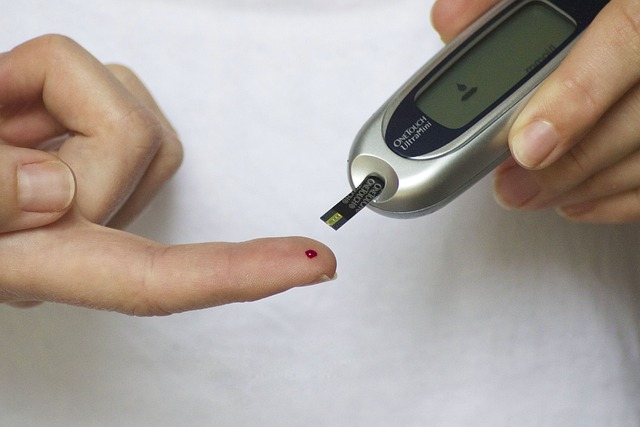
diabetes, blood, finger

Causes of Peripheral Neuropathy in Feet

Peripheral neuropathy in the feet can have various causes. Diabetes is a common culprit, particularly when it comes to sensory neuropathy. Other potential causes include autoimmune diseases, vitamin deficiencies, and traumatic injuries. Heavy metals, certain medications, and genetic conditions can also contribute to peripheral nerve damage.

Proper foot care, blood sugar management, and a healthy diet can play a crucial role in prevention and management. Identifying the underlying cause is essential for determining the most effective treatment approach.

raspberry, sugar, spoon

Diabetes as a Major Contributor

Diabetes is the leading cause of peripheral neuropathy, especially in the feet. High blood sugar levels can damage the nerves, resulting in symptoms such as numbness, pain, and muscle weakness. Effective management of diabetes, including careful blood sugar control, regular medical monitoring, and proper foot care, is crucial in preventing and managing diabetic peripheral neuropathy.

A healthy lifestyle with a balanced diet, regular exercise, and blood pressure control can also help minimize the risk of developing this condition. Early detection and treatment are essential for preventing complications like foot ulcers and amputation.

Other Potential Causes

Peripheral neuropathy in the feet can be caused by conditions other than diabetes. Autoimmune diseases like rheumatoid arthritis can lead to nerve damage and symptoms of peripheral neuropathy. Traumatic injuries, nerve compression, and certain medications can also contribute to peripheral nerve damage.

Identifying the underlying cause is crucial for determining the most effective treatment approach. Collaborating closely with a healthcare professional can help uncover the cause and develop an appropriate treatment plan.

Diagnosis of Peripheral Neuropathy

Early detection and diagnosis of peripheral neuropathy are crucial for effective treatment. A physical exam, medical history, and neurological tests are common diagnostic methods.

Nerve conduction studies and electromyography can assess nerve function, while blood tests, imaging, and nerve biopsies may help identify underlying causes. Prompt medical attention is vital to prevent complications.

The Importance of Early Detection and Diagnosis

Early detection of peripheral neuropathy allows for timely treatment, reducing the risk of complications. Delayed diagnosis can lead to more nerve damage, increased pain, and decreased quality of life. Recognizing symptoms and seeking medical attention are crucial steps in the diagnostic process.

Diagnostic tests, physical exams, and medical history reviews help healthcare professionals accurately diagnose peripheral neuropathy. Collaborating with healthcare professionals ensures a timely and accurate diagnosis, leading to more effective treatment outcomes.

Diagnostic Tests for Peripheral Neuropathy

Diagnostic tests for peripheral neuropathy include nerve conduction studies, electromyography, blood tests, imaging (such as MRI or CT scans), and nerve biopsies. Nerve conduction studies measure the speed of nerve impulses to identify damage and the type of neuropathy.

Electromyography assesses muscle function, aiding in diagnosis. Blood tests detect underlying conditions that may cause neuropathy. Imaging identifies physical causes, and nerve biopsies provide further insights into the condition.

Treatment Options for Peripheral Neuropathy

Managing peripheral neuropathy involves various treatment options that focus on symptom management, addressing underlying causes, and promoting nerve health. Medications, including pain relievers, anti-seizure drugs, and antidepressants, can help manage symptoms.

Physical therapy, exercises, and lifestyle modifications can improve muscle weakness, coordination, and pain management. Treating underlying conditions, such as diabetes or autoimmune diseases, can alleviate symptoms. Alternative therapies like acupuncture or nerve stimulation may provide additional relief.

Treating the Underlying Cause

To effectively treat peripheral neuropathy in both feet, it is crucial to identify and address the underlying cause. This may include conditions like diabetes or vitamin deficiencies. Consulting with a healthcare provider will help develop a comprehensive treatment plan that targets the root cause.

Additionally, incorporating lifestyle changes such as exercise and a healthy diet can promote overall health. Medications, such as pain relievers and topical creams, can alleviate symptoms, and alternative therapies like acupuncture or physical therapy may provide further relief.

Medications to Alleviate Symptoms

To alleviate symptoms of peripheral neuropathy in both feet, there are various medications that can be used. For mild symptoms, over-the-counter pain relievers like acetaminophen and ibuprofen can provide relief.

More severe pain can be managed with prescription medications such as gabapentin and pregabalin. Topical treatments like lidocaine patches and capsaicin cream can offer localized relief. Antidepressants like amitriptyline can help manage both pain and depression associated with peripheral neuropathy.

In rare cases of severe pain, opioids may be prescribed, but caution should be exercised due to the risk of addiction and other side effects.

Non-Medical Treatments and Therapies

Regular exercise can improve blood flow and reduce symptoms of peripheral neuropathy. Proper foot care, including regular washing, moisturizing, and checking for injuries, can prevent complications. Hot and cold therapy, such as using warm water or ice packs, can provide temporary relief. Massage and acupuncture may be beneficial in reducing symptoms.

Lifestyle changes, such as reducing alcohol consumption and quitting smoking, can improve overall health and manage symptoms.

Preventive Measures

Maintaining a healthy lifestyle by following a balanced diet and engaging in regular exercise is crucial in preventing peripheral neuropathy. It’s also important to wear properly fitting shoes with adequate support and cushioning to protect the feet.

Avoid exposing your feet to extreme temperatures and manage underlying health conditions like diabetes or vitamin deficiencies. Practicing good foot hygiene and regularly inspecting your feet for any signs of injury or infection are essential preventive measures.

feet, water, cold

Lifestyle Changes for Prevention

Incorporating regular physical activity into your daily routine can enhance blood circulation, reducing the risk of developing peripheral neuropathy. Additionally, maintaining a nutrient-rich diet can help safeguard against nerve damage while promoting overall health.

Avoiding alcohol and smoking are other beneficial measures to minimize the chances of nerve damage. Taking care of your feet, including wearing comfortable shoes and conducting regular inspections, can prevent potential complications.

Lastly, managing underlying conditions such as diabetes or autoimmune disorders can significantly contribute to the prevention of peripheral neuropathy.

Regular Check-ups and Monitoring

Regular check-ups and monitoring are essential for managing peripheral neuropathy. They help identify any changes in symptoms or the progression of the condition. It’s important to keep track of daily activities and potential triggers that may worsen symptoms.

Making lifestyle changes, such as regular exercise and a healthy diet, can improve overall health and potentially alleviate symptoms. Medications like pain relievers and nerve pain medications may be prescribed to manage symptoms. Alternative therapies like acupuncture or transcutaneous electrical nerve stimulation (TENS) may also provide relief.

How Can Regular Exercise Help in Managing Peripheral Neuropathy?

Regular exercise plays a crucial role in managing peripheral neuropathy by improving blood flow, nerve function, and muscle strength. It can reduce pain, enhance balance, and increase mobility. Low-impact exercises like swimming or cycling are recommended to minimize further nerve damage.

Working with a physical therapist can provide guidance on the right exercise program.

How common is this condition?

Peripheral neuropathy is a prevalent condition that affects millions of people worldwide. It can be caused by various factors such as diabetes, chemotherapy, and alcoholism. Some common symptoms include numbness, tingling, and burning sensations in the feet. Early diagnosis and treatment are crucial for managing symptoms and preventing further nerve damage.

Motor symptoms

When managing peripheral neuropathy in both feet, it’s important to work with a healthcare professional to develop a comprehensive treatment plan. This may include medications to alleviate symptoms, physical therapy to improve mobility, and lifestyle changes to promote overall foot health.

Good foot hygiene, such as daily washing and drying, along with wearing clean and dry socks, can help prevent infections. Choosing supportive footwear that fits well and provides cushioning is also essential. Incorporating low-impact exercises like swimming or cycling can improve circulation and reduce pain.

Additionally, alternative therapies like acupuncture or massage can complement traditional medical treatments.

Sensory symptoms

Identifying the underlying cause of peripheral neuropathy is crucial in managing sensory symptoms. Good foot care, including wearing comfortable shoes and regularly inspecting your feet, is essential.

Regular exercise improves circulation and reduces nerve pain. Alternative therapies like acupuncture or massage therapy can provide additional relief. Working with a healthcare professional to find the right medications for symptom management is important.

By addressing these sensory symptoms, you can effectively manage peripheral neuropathy in both feet.

Autonomic symptoms

Managing autonomic symptoms of peripheral neuropathy can significantly improve your quality of life. These symptoms, such as changes in blood pressure, are a common manifestation of peripheral neuropathy.

Understanding and addressing these autonomic symptoms are crucial for effective management. Treatment options may include medication, lifestyle changes, and other interventions. Consult with your healthcare provider to develop a comprehensive plan that addresses your specific autonomic symptoms.

Outlook / Prognosis

The prognosis for peripheral neuropathy can vary depending on the underlying cause and individual response to treatment. Early diagnosis and intervention can lead to better long-term outcomes. With proper management, many people experience improved symptoms and function.

Regular medical care, lifestyle modifications, and adherence to the treatment plan can positively impact the prognosis. Staying informed about advancements in peripheral neuropathy management is crucial for optimizing your outlook.

Living With

Living with peripheral neuropathy necessitates adopting strategies to manage symptoms and enhance overall well-being. Implementing healthy lifestyle choices, such as regular exercise and a balanced diet, supports nerve health and mitigates peripheral neuropathy symptoms.

Engaging in pain management techniques like physical therapy or alternative therapies alleviates peripheral neuropathy symptoms. Seeking emotional support through therapy or support groups addresses the psychological impact. Developing a comprehensive care team aids in effective management of peripheral neuropathy.

Frequently Asked Questions

How do I take care of myself?

To take care of yourself with peripheral neuropathy, focus on proper foot care, blood sugar management, and a healthy lifestyle. Regularly check your feet, wear comfortable shoes, and practice good foot hygiene.

Manage blood sugar levels to prevent further nerve damage. Follow a balanced diet and engage in physical activity under healthcare guidance for improved nerve function.

When should I see my healthcare provider, or when should I seek care?

If you’re experiencing symptoms like numbness, pain, or muscle weakness in both feet, it’s important to consult your healthcare provider. Prompt care can help identify the underlying cause and initiate appropriate treatment.

Regular follow-ups are crucial for monitoring the progression of peripheral neuropathy. Reach out to your healthcare provider with any concerns or questions about your symptoms.

Living with peripheral neuropathy

Managing peripheral neuropathy in both feet requires a comprehensive approach that includes understanding the condition, identifying its causes, seeking early diagnosis, exploring treatment options, and adopting preventive measures.

While medications can help alleviate symptoms, addressing the underlying cause is essential for long-term relief. Non-medical treatments and therapies can also provide significant benefits in managing peripheral neuropathy.

Additionally, making lifestyle changes, such as regular exercise and maintaining good foot care, can play a crucial role in managing the condition. It’s important to monitor your symptoms, seek regular check-ups, and consult with your healthcare provider for proper guidance and care.

By taking proactive steps and staying informed, individuals with peripheral neuropathy can improve their quality of life and find relief from the associated discomfort.

https://medlineplus.gov/druginfo/meds/a699001.html

Optimized by Optimole