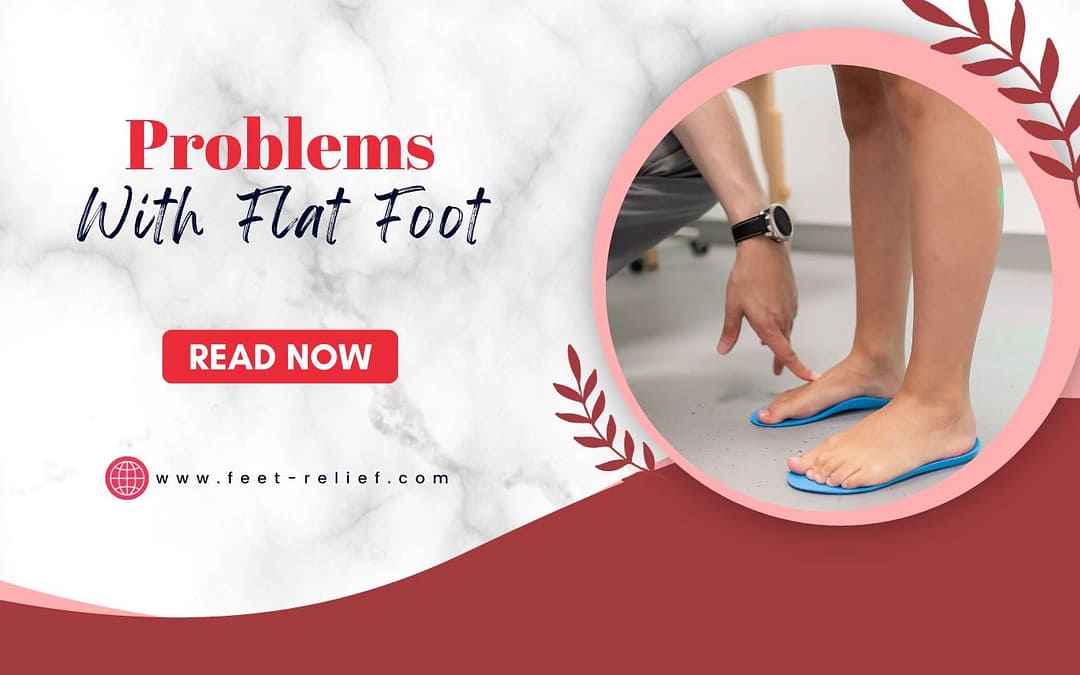
Problems With Flat Foot

Problems With Flat Foot

“My feet hurt!” My father never liked walking long distances, though he maintained a very strong and healthy body. The reason was simply his problems with flat foot. They hurt and later led to some serious complications of flat feet. Dad was a self-employed mechanic and tow truck driver. He worked long hours and never complained about heavy work. But he suffered from foot pain all of his life.

As someone who has witnessed the struggles of family members with flat feet, I understand how it can impact one’s daily life. In this article titled “Problems With Flat Foot,” we explore the complications of having flat feet. We discuss how they affect our overall well-being. From foot pain and discomfort to potential joint problems and arthritis, we delve into the wide-ranging consequences of this common condition.

Join me as we navigate the complexities of flat feet and discover ways to manage and have flexible flat feet and alleviate its associated complications.
complications of flat feet

What is Flat Feet?


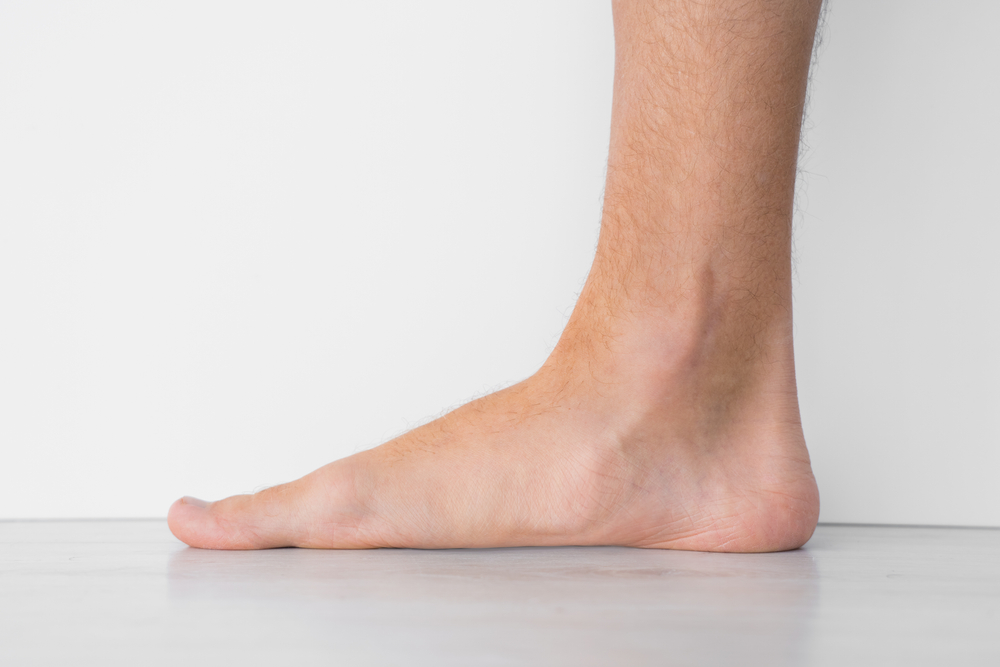
Flat feet, also known as fallen arches or pes planus, are a well-known and common condition. In plain terms, flat feet occur when the arch of the foot collapses, allowing the entire sole to come into contact with the ground.

While many individuals with flat feet experience no adverse effects, others may encounter complications such as chronic pain, muscular strain, and balance issues. This article provides an informative conversational overview of the complications associated with flat feet, their causes, treatment options, and preventive measures. 

Identifying Flat Feet

Flat feet can be identified by observing the individual’s foot when standing or walking. The absence of an upward curve in the middle of the foot or a visible arch is a clear sign of flat feet. Some people who develop flat feet may also notice that their shoes wear out faster on the inside of the shoe, indicating an inward tilt of the foot. It’s important to consult a healthcare professional or a podiatrist to diagnose flat feet accurately.
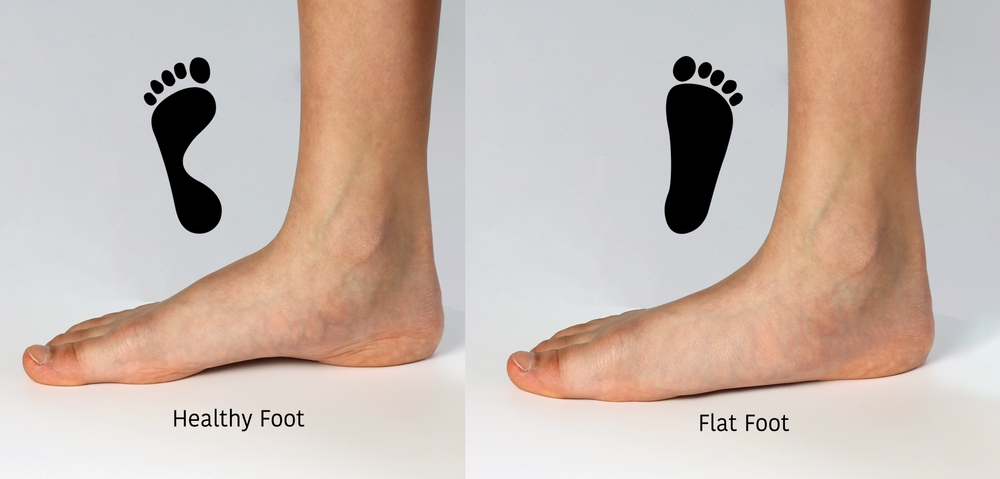
 comparing healthy foot to flat foot

Causes of Flat Feet

 Flat feet can be congenital, meaning a person with a flexible flat foot is born with it, or it can develop over time due to various factors:

 Genetics: Flat feet can be passed down from parents to children through genes.

  1. Aging: With age, the tendons and ligaments that support the foot arch can weaken, leading to flat feet.
  2. Injury: Injuries to the foot or ankle can damage the structure and function of the arch, resulting in flat feet.
  3. Obesity: Excessive body weight can put immense pressure on the foot arch, causing it to collapse.
  4. Medical Conditions: Certain conditions like rheumatoid arthritis, diabetes, and hypertension increase the risk of developing flat feet.

 Symptoms of Flat Feet

 While flat feet often don’t cause discomfort, some people may experience symptoms like:

  •   Pain in the foot, ankle, or lower leg area
  • Swelling along the inside of the ankle
  • Difficulty in standing on tiptoes
  • Foot fatigue and discomfort after walking or standing for extended periods
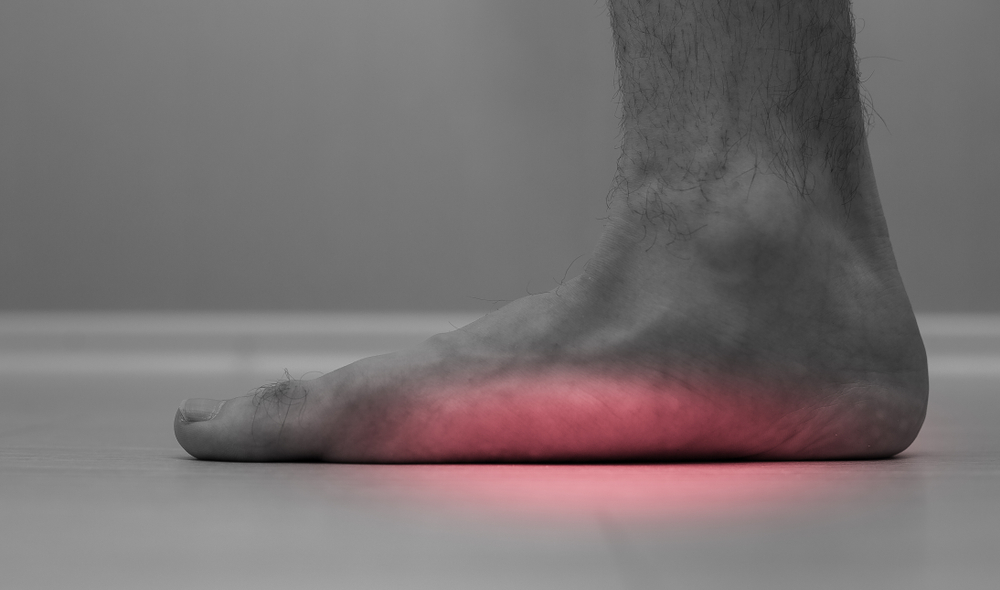
 

pain is one of the complications of flat feet

Complications of Flat Feet

 Flat feet can lead to various complications if left untreated:

 Chronic Muscle Strain

 Flat feet can cause chronic muscle strain as the body’s muscles compensate for the foot’s instability. This strain can become severe when the activity level rigid flat foot is increased, leading to significant pain and discomfort.

 Leg and Back Pain

 Flat feet can cause leg and back pain due to poor posture and unnatural gait. The inward rotation of the lower legs due to flat feet can affect the entire leg, including the hips, leading to long-term pain and discomfort.

 Musculoskeletal Problems

 The instability caused by flat feet can lead to various musculoskeletal problems. The body’s balance begins in the feet, and when the feet do not provide adequate support, it can raise the risk of joint issues and injuries.

 Foot and Ankle Injuries

 Flat feet can increase the risk of foot, heel, and ankle injuries. The foot’s arch helps distribute body weight evenly across the feet. Without this arch, the weight distribution becomes skewed, increasing the chance of injuries.

Treatment Options for Flat Feet

 The treatment approach for flat feet usually depends on the severity of the condition and the symptoms experienced by the individual. Some of the standard treatment options for flexible flatfoot include:

  1.  Orthotic Devices: Custom orthotics or shoe inserts help support the arch and alleviate discomfort.
  2. Supportive Footwear: Wearing shoes that offer good arch support helps manage the symptoms of flat feet.
  3. Physical Therapy: Specific exercises can strengthen the muscles in the feet and help improve foot mechanics.
  4. Medication: Nonsteroidal anti-inflammatory drugs (NSAIDs) can help reduce pain and inflammation.
  5. Surgery: In severe cases, surgical procedures may be recommended to correct the foot structure.

Prevention of Flat Feet

 While flat feet caused by genetic factors cannot be prevented, there are strategies to minimize the various risk factors of developing acquired flat feet:

  •  Maintain a healthy weight. This reduces the pressure on the feet.
  • Wear shoes with good arch support.
  • Avoid any activities that put excessive stress on the feet. (see suggestions below)
  • Incorporate foot and ankle strengthening exercises into your routine.

Activities That Put Excessive Stress on the Feet Include

  • Running and jogging: These activities involve repetitive high-impact forces on the feet, which can lead to injuries. These might include plantar fasciitis, Achilles tendonitis, and stress fractures.
  • Jumping and landing: These activities also put a lot of stress on the feet, especially if you land on hard surfaces.
  • Dancing: Dancing stresses the feet, ankles, and knees.
  • Hiking: Hiking, especially on uneven or rocky terrain, puts a lot of stress on the feet.
  • Standing for long periods: Standing in one place puts much stress on the feet. This is especially true if you wear shoes that do not provide good support. If you must stand, try to move around as much as possible. It also helps to shift your weight from one leg to the other occasionally.
  • Wearing high heels: High heels can put a lot of stress on the balls of the feet and the arches. Most podiatrists recommend avoiding wearing high heels.
  • Carrying heavy objects: Carrying heavy objects puts excess stress on the feet and ankles.

If you have foot problems, such as flat feet, bunions, or hammertoes, you are more likely to experience pain and discomfort from these activities. It is important to choose activities that are appropriate for your fitness level and foot condition. You should also wear supportive shoes and take breaks when needed.

running can lead to foot pain

Tips for Your Foot Joints and Reducing Stress on Your Feet

  • First, warm up before any activity that involves putting weight on your feet.
  • Wear shoes that fit well and provide good support for your feet.
  • Avoid activities that put excessive stress on your feet. These include running on hard surfaces, jumping, high-impact aerobics, or wearing high heels for long periods.
  • Also, take breaks when needed, especially if you are standing or walking for long periods.
  • Ice your feet after activities that put a lot of stress on them.
  • See a doctor if you experience any pain or discomfort in your feet.

    Flat Feet and Quality of Life

    Flat feet often significantly impact a person’s quality of life, particularly if it leads to chronic pain and mobility issues. Individuals with flat feet must seek medical advice and explore treatment options. With the right approach, it’s possible to manage the symptoms of flat feet and maintain a healthy, active lifestyle.

    Do You Have Problems With Flat Foot Pain?

     While flat feet are a common condition, it’s essential to understand its potential complications, especially if you are experiencing discomfort or pain. Regular check-ups with your healthcare professional help monitor the condition and implement preventive measures or treatments. With proper care and management, individuals with flat feet can lead active lives without pain or discomfort.

    Remember, as with any medical condition, always check with your healthcare professional for an accurate diagnosis. He will also discuss treatment options.

    Disclaimer: This article is intended for informational purposes only. It does not constitute medical advice. Your doctor is your best choice for diagnosis and treatment advice. Always seek the advice of your health provider with any questions you may have regarding this or other medical condition.

    Common Questions on Problems With Flat Foot

    Are there treatments for flat feet?

    Yes. This includes orthotic devices, physical therapy, exercises, footwear modifications, and in severe cases, surgery.

    When should I see a doctor about flat feet?

    It’s important to seek medical attention when there is persistent or severe foot pain, difficulty walking, or if flat feet are causing other health issues.

    How are flat feet diagnosed?

    Usually, this may involve physical examination, observation of foot structure, and possibly imaging like X-rays or MRI.

    Plantar Fasciitis Treatment at Home: Effective Remedies and Tips

    Plantar Fasciitis Treatment at Home: Effective Remedies and Tips

    Are you tired of the sharp pain in your heels caused by plantar fasciitis? Look no further than Plantar fasciitis treatment at home! This comprehensive guide offers effective remedies and tips for managing the discomfort associated with this common foot condition. From simple stretching exercises to innovative self-care techniques, we’ll explore a range of strategies that can be conveniently implemented in the comfort of your own home. Discover how to take control of your plantar fasciitis symptoms and regain your mobility with these practical and empowering solutions.

    Plantar Fasciitis Treatment at Home: Effective Remedies and Tips


    Plantar fasciitis is a common cause of foot pain, affecting many individuals worldwide. It is characterized by inflammation and irritation of the plantar fascia, which is a thick band of tissue that runs along the bottom of the foot connecting the heel bone to the toes. This condition can be debilitating, negatively impacting daily activities and overall quality of life. However, numerous non-surgical home treatments can help alleviate pain and promote healing, allowing those affected to resume normal routines.

    Understanding plantar fasciitis’s underlying causes and symptoms is essential for proper diagnosis and treatment. By recognizing the early warning signs and addressing the issue promptly, individuals can significantly reduce the duration and severity of their symptoms. Implementing various at-home remedies and making appropriate lifestyle changes can ease pain and help individuals regain mobility.

    Key Takeaways

    • Plantar fasciitis results in foot pain caused by the inflammation of the plantar fascia tissue.
    • Early diagnosis and understanding of the condition are essential for effective treatment.
    • Non-surgical home treatments can help alleviate pain and promote healing.

    Plantar Fasciitis Treatment at Home

    foot pain from plantar fasciitis

      Understanding Plantar Fasciitis


      Anatomy of the Foot

      The foot is a complex structure comprised of many bones, muscles, and connective tissues. One important part of the foot is the plantar fascia, a thick band of deep tissue that runs from the heel bone to the toes. This fascia plays a crucial role in supporting the arch of the foot and acting as a shock absorber during activities like walking and running.

      Causes of Plantar Fasciitis

      Plantar fasciitis is a common cause of foot pain and occurs when the plantar fascia becomes inflamed or torn, typically due to overuse. Several factors contribute to the development of this condition:

      • Running and other high-impact activities: Repetitive stress on the foot from sports or exercise can cause damage to the plantar fascia.
      • Age: The plantar fascia loses some elasticity as we age, making it more prone to injuries.
      • Overweight and obesity: Carrying excess body weight puts additional pressure on the plantar fascia.
      • Poor arch support: Insufficient support for the foot’s arch can increase strain on the plantar fascia.

      Symptoms of Plantar Fasciitis

      The most common symptom of plantar fasciitis is heel pain, which is usually described as a stabbing pain at the base of the heel. This pain is often worse in the morning or after long periods of inactivity, as the plantar fascia tightens during rest. Other symptoms of plantar fasciitis may include:

      • Discomfort or pain in the arch of the foot
      • Swelling or inflammation of the heel area
      • Increased pain during or after physical activities

      In summary, plantar fasciitis is a prevalent condition affecting the plantar fascia in the foot, often due to age, activities, and being overweight. The main symptom is heel pain, which can be accompanied by discomfort in other areas of the foot. Understanding the causes and symptoms of this condition is essential for seeking appropriate treatment and preventing further damage.

        Non-Surgical Home Treatments


        Self-Care Measures

        Taking care of your feet is crucial when dealing with plantar fasciitis. Rest is one of the most important aspects of recovery, which means reducing or avoiding activities that strain your feet. Additionally, apply ice packs on the affected heel for about 15 minutes three times a day. This helps reduce inflammation and provides pain relief source. It’s essential to wear supportive shoes that provide adequate arch support and cushioning to prevent further strain on the plantar fascia. Over-the-counter nonsteroidal anti-inflammatory drugs (NSAIDs) such as ibuprofen or naproxen can also help manage pain and inflammation.

        Exercises and Stretches

        Incorporating exercises and stretches into your daily routine can help strengthen the calf muscles, Achilles tendon, and plantar fascia, ultimately alleviating pain source. Examples of stretching exercises include:

        • Calf muscle stretches: Place your hands on a wall and step one foot backward, keeping both feet flat on the ground. Bend the front knee while keeping the back leg straight, and hold for 15-30 seconds. Repeat on the other side.
        • Toe stretches: Sit with your affected foot resting on the opposite knee. With your fingers, gently pull your toes back towards you until you feel a stretch along the bottom of your foot. Hold for 15-30 seconds.

        Low-impact exercises such as swimming and cycling can also help maintain your fitness level without causing further irritation to the plantar fascia.

        stretches help relieve pain

        Support Measures

        While self-care and exercises are essential, additional support measures are sometimes needed for complete relief. Shoe inserts, also known as orthotics, help distribute pressure evenly across the foot, reducing stress on the plantar fascia source. Arch supports and heel cups can be particularly helpful.

        A night splint can provide additional support by maintaining a mild stretch in the plantar fascia and calf muscles while you sleep. This helps reduce morning pain and stiffness source.

        When to Get Professional Help


        While many cases of plantar fasciitis can be treated at home with rest, ice, and over-the-counter medications, there are times when professional help is necessary. If your pain does not improve within a few weeks or worsens, it is important to consult a doctor to discuss further treatment options.

        Prescription Medications and Injections

        A doctor may prescribe stronger anti-inflammatory medications to help reduce pain and inflammation associated with plantar fasciitis. In some cases, corticosteroid injections may be administered into the affected area to provide more immediate relief. Remember that frequent corticosteroid injections may weaken the plantar fascia. Therefore, discussing the benefits and risks with your doctor is important.

        Physical Therapy

        A doctor may recommend physical therapy when conservative treatments are ineffective. Physical therapists guide exercises and stretches designed to strengthen the muscles surrounding the plantar fascia, providing support and reducing inflammation. They may also recommend shoe inserts or walking boot to support the foot during the healing process.

        Surgical Treatments

        Surgery is typically considered as a last resort for the treatment of plantar fasciitis. If your pain persists after trying other treatments and significantly impacts your quality of life, your doctor may discuss the possibility of surgical intervention. Surgical procedures for plantar fasciitis may involve releasing the plantar fascia, removing a bone spur, or performing a nerve decompression.

        Alternative Therapies

        Another professional treatment option for plantar fasciitis is extracorporeal shock wave therapy. In this noninvasive procedure, high-energy shock waves are directed at the affected area to promote healing and reduce pain. While this treatment may benefit some individuals, discussing its effectiveness and potential risks with your doctor is important.

        In conclusion, although many cases of plantar fasciitis can be effectively managed at home, there are situations where professional assistance is necessary. Work closely with your healthcare provider to determine the most suitable treatment options for your situation. This helps you work toward a swift recovery.

        Frequently Asked Questions

        What are effective home remedies for relieving plantar fasciitis pain?

        Ice application, over-the-counter pain medications, and rest are common home remedies for alleviating plantar fasciitis pain. Maintaining a healthy weight and wearing supportive shoes also helps reduce stress on the plantar fascia. Some people use essential oils and other home remedies to find relief.

        How can I stretch my foot to alleviate plantar fasciitis symptoms?

        Stretches that target the plantar fascia and Achilles tendon can help alleviate symptoms. A simple stretch involves sitting with one leg crossed over the other, then holding the toes of the affected foot and gently pulling them towards the shin. Another stretch is leaning against a wall with one foot forward and the other stretched behind, pressing the heel of the back foot down to the floor.

        Which medical devices can be used at home for plantar fasciitis treatment?

        Medical devices such as night splints and orthotic shoe inserts can be used at home to help correct biomechanical imbalances and provide support to the foot. In some cases, a walking boot, cane, or crutches may be recommended for a brief period to reduce foot movement or weight-bearing.

        What should I avoid doing to promote plantar fasciitis healing?

        To promote healing, avoid activities that cause excessive strain on the plantar fascia, such as running, jumping, or standing for long periods. It is essential to listen to your body and rest when needed. Also, avoid wearing worn-out or unsupportive footwear, which may exacerbate symptoms.

        Does massaging the foot help in reducing plantar fasciitis pain?

        Massaging the foot can help to relieve tension in the plantar fascia and promote healing. A simple at-home massage technique involves rolling a frozen water bottle or tennis ball under the foot while applying gentle pressure. This can increase blood flow to the area and assist in reducing pain.

        How can I identify if my plantar fasciitis is improving?

        Improvement in plantar fasciitis is typically marked by reduced pain, increased mobility, and the ability to engage in daily activities without discomfort. Monitoring symptoms and keeping track of daily pain levels can help identify improvements over time. However, consulting with a healthcare professional for proper evaluation and guidance on managing the condition is essential.

        Ready to take action?


        Plantar Fasciitis Treatment at Home: Effective Remedies and Tips provides a comprehensive guide to managing the discomfort associated with plantar fasciitis. By implementing the remedies and tips outlined in this article, you can take control of your symptoms and regain your mobility. Remember, consistency is key in-home treatments, so incorporate these strategies into your daily routine. Don’t let plantar fasciitis hold you back any longer—try these effective remedies and tips today and take the first step towards a pain-free life!

        Diabetic Foot Pain Symptoms

        Diabetic Foot Pain Symptoms

        Diabetic neuropathy is a severe health issue affecting many people with diabetes. It is nerve damage due to high blood sugar levels, affecting various body parts, especially the feet. For people living with this condition, understanding the symptoms of diabetic foot pain and diabetic neuropathy is crucial to managing the situation effectively and preventing further complications.

        Understanding diabetic neuropathy begins with knowing that our body’s nerves are like electric cables that transmit signals from one area to another. In diabetic neuropathy, these cables are damaged, disrupting the normal flow of movements. The feet and legs are often the first to be affected, resulting in foot problems caused by diabetes, such as numbing, tingling, or burning sensations.

        Living with diabetic neuropathy can be a constant struggle, but with the proper knowledge, you can take control of your health. Monitoring your symptoms, maintaining a healthy lifestyle, and working closely with your healthcare provider is essential. The journey may be challenging, but remember that you are not alone.

        Health Issues and Diabetic Neuropathy


        diabetic foot ulcer

        ‍Image Source: FreeImages

        Understanding the Signs and Symptoms of Diabetic Foot Problems

        The symptoms of diabetic foot pain can vary from person to person, depending on the severity of the nerve damage. Some people experience mild symptoms, while others have severe, debilitating pain. Knowing these symptoms can help in early detection and management regardless of the intensity.

        One of the most common symptoms is a burning or sharp pain in the feet. This pain is often worse at night and may disrupt sleep. Other signs include extreme sensitivity to touch, where even the weight of a bedsheet can cause discomfort, and a loss of balance or coordination, mainly when walking.

        Furthermore, some people may experience muscle weakness in their feet. This can result in difficulty walking or performing routine activities like climbing stairs. It’s common to have numbness or insensitivity to pain or temperature changes, which can increase the risk of injury. It is crucial to monitor these symptoms closely and seek medical help if they worsen over time.

        Diabetic Foot Pain: Causes and Relief

        The primary cause of diabetic foot pain is high blood sugar levels over a prolonged period, leading to nerve damage. The elevated and uncontrolled blood sugar levels damage the small blood vessels that supply oxygen and nutrients to the nerves, leading to poor blood flow. This, in turn, leads to diabetic neuropathy.

        Other contributing factors include nerve inflammation, genetic factors, and smoking. Each of these affects the blood flow, which leads to more foot complications.

        To find relief from diabetic foot pain, managing your blood sugar levels effectively is essential. This can be achieved through a healthy diet, regular exercise, and medication if prescribed by your doctor. Additionally, pain relievers, anti-seizure drugs, and antidepressants can also be used to up blood glucose and manage the pain.

        Another crucial aspect of managing diabetic foot pain is caring for your feet. This includes wearing comfortable shoes, keeping your feet clean and dry, and regularly inspecting your feet for any signs of injury or infection. Regular foot massages can also help in alleviating the pain and improving circulation.

        How Diabetes Affects Your Foot Temperature

        Apart from causing pain, diabetes can also affect your foot temperature. This is because the nerve damage caused by diabetes can disrupt the normal functioning of the sweat glands in your feet, leading to dry and cracked skin. This dryness can further increase the risk of infection.

        Moreover, diabetes can also impact the blood circulation in your feet, leading to a condition known as peripheral arterial disease (PAD). PAD can cause your feet to feel colder than the rest of your body due to insufficient blood flow. Therefore, monitoring your foot temperature regularly and consulting your healthcare provider if you notice any significant changes is essential.

        foot pain

        Foot Problems Caused by Diabetes

        Diabetes can cause a variety of foot problems. These include peripheral neuropathy, the most common and causes loss of feeling in the feet, and autonomic neuropathy, which affects the nerves that control the sweat glands, leading to dry and cracked skin.

        Another common problem is peripheral arterial disease, which reduces blood flow to the feet, making them vulnerable to infections and slow-healing wounds. Diabetes can also lead to structural changes in the feet, such as bunions, hammertoes, and Charcot foot, a serious diabetes complication.

        diabetic foot pain, neuropathy,

        How to Spot Diabetic Foot Infections Causing Foot Pain

        Diabetic foot infections can be severe if not detected and treated promptly. Therefore, it’s crucial to know how to spot them. Some common signs of a foot infection may include redness, swelling, warmth, pain, and pus or drainage from a wound. You may also notice a foul smell or discoloration of the skin.

        If you have numbness in your feet due to diabetic neuropathy, you may not feel pain or discomfort associated with an infection. Therefore, it’s important to visually inspect your feet daily for any signs of injury or infection. If you notice any of these symptoms, please feel free to seek medical help immediately.

        Diabetic Neuropathy: Numbness and Tingling in Feet

        One of the critical symptoms of diabetic neuropathy is numbness and tingling in the feet. This is due to the nerve damage that transmits sensations from the feet to the brain. The numbness can make it difficult to feel pain or temperature changes, increasing the risk of unnoticed injuries.

        The tingling sensation, often described as pins and needles, can be uncomfortable and disruptive. It can also lead to losing balance and coordination, making walking or performing routine activities difficult. It’s essential to consult your healthcare provider if you experience persistent numbness or tingling in your feet.

        Diabetic Foot Ulcers: Prevention and Treatment

        Diabetic foot ulcers are a common complication of diabetes and can lead to severe outcomes if not treated promptly. They often occur on the bottom of the foot and are caused by poor circulation, nerve damage, and pressure or friction from ill-fitting shoes and tight socks.

        Preventing diabetic foot ulcers involves regular foot care, including daily inspection of the feet, keeping them clean and moisturized, and wearing comfortable shoes. If you notice any sores, blisters, or cuts on your feet, treat them immediately and consult your healthcare provider.

        Treating diabetic foot ulcers involves cleaning and dressing the wound, controlling blood sugar levels, and sometimes, antibiotics or other medications. In severe cases, surgical intervention may be necessary to remove dead tissue or to relieve pressure on the ulcer.

        Charcot Foot: A Serious Diabetes Complication

        Charcot foot is a severe complication of diabetes, characterized by the weakening of the bones in the foot. Over time, this can lead to fractures and dislocations, causing the foot to become deformed. The condition often occurs in people with severe neuropathy who can’t feel pain or discomfort in their feet.

        Recognizing the signs of Charcot’s foot is crucial for early intervention. These signs include redness, warmth, swelling, and changes in the foot’s shape. If you notice any of these symptoms, please feel free to seek medical help immediately. Treatment usually involves immobilizing the foot to allow the bones to heal and custom footwear to prevent further damage.

        Diabetic Blisters: What to Do and Avoid

        Diabetic blisters, also known as bullosis diabeticorum, are a rare complication of diabetes. They are similar to burn blisters and usually occur on the hands, feet, legs, and forearms. The exact cause of diabetic blisters is unknown, but they are more common in people with diabetic neuropathy.

        If you have diabetic blisters, it’s important to avoid popping or puncturing them, as this can lead to infection. Instead, consult your healthcare provider, who may drain the blisters sterilely. Avoid tight shoes, use moisturizing creams to prevent blisters, and closely monitor your blood glucose levels.

        Dry Skin and Cracks in Diabetic Feet

        Dry skin and cracks are common in diabetic feet due to nerve damage affecting the sweat glands. These cracks can be painful and may bleed, increasing the risk of infection. Therefore, keeping your feet moisturized is essential to prevent dryness and cracking.

        You can use a moisturizing cream or lotion to hydrate your skin, but avoid applying it between your toes, which can lead to fungal infections. Also, avoid soaking your feet for long periods, as this can strip the natural oils from your skin, causing further dryness. If you notice any severe cracks or bleeding, check your feet, and you can consult your healthcare provider.

        Fungal Nail Infections in Diabetic Feet

        Fungal nail infections, or onychomycosis, are common in people with diabetes. This is because the elevated blood sugar levels create an ideal fungus environment. These infections can cause the nails to become discolored, thick, and brittle and may lead to pain or discomfort.

        To prevent fungal nail infections, keep your feet clean and dry, change your socks regularly, wear shoes, and avoid walking barefoot in public places like swimming pools or showers. If you notice any nail changes, consult your healthcare provider, who can prescribe antifungal medication.

        Diabetic Foot Care: Tips and Best Practices for Foot Pain

        Proper foot care is crucial for people with diabetes to prevent complications and maintain healthy feet. This involves daily inspection of the feet, washing them with warm water and mild soap, drying them thoroughly, especially between the toes, and moisturizing them to prevent dryness and cracking.

        It’s also essential to wear comfortable shoes that fit well and provide good support. Avoid tight shoes or socks that can cause pressure or rubbing. Regularly trim your toenails to prevent ingrown nails or cuts. If you have difficulty caring for your feet due to neuropathy or other complications, seek the help of a podiatrist or healthcare professional.

        Living With Diabetic Neuropathy and Diabetic Foot Pain

        Living with diabetic neuropathy can be challenging, but with the proper knowledge and care, you can manage your symptoms and prevent further complications. Remember to monitor your symptoms closely, maintain a healthy lifestyle, and work closely with your healthcare provider.

        Understanding the symptoms of diabetic foot pain and diabetic neuropathy is crucial to managing your condition effectively. Taking proactive steps towards foot care can significantly reduce your risk of complications and improve your quality of life. Remember, you are not alone in this journey; many resources and support are available to help you navigate it.

        Video Credits: Doctor O’Donovan


        Frequently Asked Questions on Diabetic Foot Pain in Relation to Diabetic Neuropathy

        What is diabetic foot pain, and how does it relate to neuropathy?

        Diabetic foot pain is a specific type of pain experienced by individuals with diabetes, often as a result of diabetic neuropathy. It can involve various sensations, including burning, stabbing, or aching pain in the feet.

        When should I seek medical attention for diabetic foot pain or neuropathy?

        To avoid serious complications, you should seek medical attention if you experience any new or worsening symptoms, such as foot ulcers, signs of infection, or severe pain. Regular check-ups with your doctors are also crucial for monitoring your condition.

        What are some self-care tips for individuals with diabetic foot pain?

        Self-care tips include inspecting your feet daily for cuts, sores, or signs of infection. Wear comfortable shoes and also wear warm socks. Also, keep your feet clean and dry, and avoid smoking and excessive alcohol consumption.

        Discover Total Foot Comfort at Feet-Relief.com!

        Are you tired of aching, tired feet? Seeking the ultimate relief for your hardworking soles? Look no further than Feet-Relief.com – your haven for all things foot comfort and wellness!

        🦶 Step into Comfort: At Feet-Relief.com, we understand the importance of happy, pain-free feet. Our website is a treasure trove of solutions designed to pamper and rejuvenate your tired tootsies.

        🌟 The Footwear Revolution: Explore our handpicked selection of innovative and orthopedically designed footwear. From cozy slippers to supportive insoles, our range is meticulously curated to provide the utmost comfort for every step you take.

        🩺 Expert Advice: Worried about finding the perfect fit? Our team of foot experts is here to guide you. Get personalized recommendations and tips to keep your feet healthy and pain-free.

        📚 Foot Care Knowledge Hub: Knowledge is power, and we empower you with a comprehensive resource hub. Dive into articles, guides, and tips on foot health, ensuring you make informed choices for your precious feet.

        🛒 Easy Shopping: With a user-friendly interface and secure checkout, shopping for foot comfort has never been easier. We offer convenient shipping options to your doorstep, ensuring your comfort is just a click away.

        🤝 Customer-Centric Experience: We take pride in our commitment to customer satisfaction. If you ever have questions, concerns, or need assistance, our friendly support team is just a message away.

        🔐 Trust and Quality: At Feet-Relief.com, we prioritize quality and safety. All our products are sourced from reputable brands and undergo rigorous quality checks.

        Say goodbye to foot discomfort and hello to blissful relief. Visit Feet-Relief.com today and take that first step towards healthier, happier feet. Your feet deserve the best, and we’re here to provide it.

        Fungal Nail Infections in Diabetic Feet: An In-depth Analysis

        Fungal Nail Infections in Diabetic Feet: An In-depth Analysis

        Living with diabetes is akin to navigating a daily labyrinth of health challenges, where vigilance and discipline are your guiding stars. Among the many hurdles, one often-overlooked concern that silently plagues those with diabetes is the issue of fungal nail infections in diabetic feet. This seemingly innocuous condition holds the potential to unleash a cascade of complications, all stemming from the intricate interplay between high blood sugar levels and your body’s ability to heal itself. In this exploration, we delve into the world of fungal nail infections, or onychomycosis, in diabetic individuals. Discover the profound connection between diabetes and toenail fungus, the lurking risk factors, the subtle symptoms, and the importance of timely diagnosis and care. Join us on this journey to ensure that you’re well-equipped to safeguard your feet – the unsung heroes of your daily life – against this often underestimated threat.

        baby feet, nail infections

        Photo by Engin_Akyurt on Pixabay‍

        Fungal Nail Infections in Diabetic Feet

        Living with diabetes is a constant challenge, and managing it requires diligence and discipline. One of the most common complications associated with diabetes is foot problems specifically fungal nail infections. A diabetic foot is susceptible to various infections and other complications due to the high blood sugar levels that compromise the body’s natural healing process. The condition reduces blood flow to the feet, with poor circulation and making it harder for wounds, sores, and infections to heal.

        Furthermore, nerve damage, also known as diabetic neuropathy, is another common complication of diabetes. It can cause numbness in the feet, making a person unaware of any sores, blisters, or injuries that may have occurred. It is crucial to understand the various types of diabetic foot problems, including fungal nail infections in diabetic feet, to manage them effectively.

        Among the numerous foot-related issues that diabetics face, fungal nail infections are quite prevalent. These infections are not only unsightly but can also lead to severe complications if left untreated. Therefore, understanding these infections is paramount to ensure proper foot care in diabetics.

        fungal nail infection, fungal nails on diabetics,

        Understanding Fungal Nail Infections

        Fungal nail infections, medically known as onychomycosis, are common infections of the toenails or fingernails that result from the overgrowth of fungi in, under, or on the nail. Fungi thrive in warm, moist environments, making shoes a perfect breeding ground. The infection begins as a white or yellow spot under the nail polish and can cause the nail to discolor, thicken, and crumble at the edge as it progresses. It can affect several nails but usually not all of them.

        While anyone can develop a fungal nail infection, certain factors increase the risk. These include aging, having a weakened immune system, and living with conditions such as diabetes. A nail injury or skin condition, like psoriasis, can also make someone more susceptible to getting a fungal nail infection.

        Moreover, fungal nail infections are notoriously difficult to treat, and they can recur even after successful treatment. Also, they can lead to more serious complications, such as cellulitis (a skin infection) or other secondary infections, especially in people with weakened immune systems or diabetes.

        The Connection: Diabetes and Toenail Fungus

        There is a strong correlation between diabetes and nail fungus. Diabetics are more susceptible to fungal nail infections due to the impairment of their immune system. High blood glucose levels can weaken the immune system, making it less able to fight off infections. This susceptibility to secondary bacterial infections is the reason why diabetics often struggle with recurrent infections.

        Moreover, the nerve damage caused by diabetes can lead to a loss of sensation in the feet, a condition known as diabetic neuropathy. It means a diabetic person may not notice a fungal infection in its early stages, allowing it to progress and become more challenging to treat.

        As such, fungal nail infections in diabetic feet are not merely cosmetic problems. They can have serious implications, leading to painful sores and even contributing to the risk of foot ulcers. Therefore, understanding the connection between diabetes and toenail fungus is essential for managing and preventing these infections.

        What Causes Toenail Fungus in Diabetics?

        Several factors contribute to the development of toenail fungus in diabetics. High blood sugar levels, which are a hallmark of diabetes, create an environment conducive to fungal growth. Moreover, the reduced blood flow to the feet, another common complication of diabetes, denies the feet the nutrients and oxygen necessary to fight off infections.

        In addition, the nerve damage caused by diabetes often leads to dry skin on the feet. This dryness can cause small cracks in the skin, providing an entry point for fungi. Footwear that is too tight or doesn’t allow the feet to breathe can also promote fungal growth.

        Furthermore, a history of athlete’s foot or nail injuries, or the use of communal showers or swimming pools, can increase the risk of developing a fungal nail infection. It is important to understand these risk factors to effectively prevent and manage toenail fungus in diabetes.

        Video Credit: @AADskin

        How Does Diabetes Cause Toenail Fungus?

        Diabetes does not directly cause toenail fungus; however, it creates conditions conducive for fungal growth, leading to infections. High blood glucose levels can suppress the immune system and lower the body’s resistance to infections, including fungal infections.

        Moreover, poor blood circulation in the feet, a common problem in diabetics, means that the body’s natural defense mechanisms can’t reach the site of the infection effectively. This problem allows the infection to take hold and thrive.

        In addition, nerve damage caused by diabetes can lead to numbness in the feet. As a result, a person with diabetes may not notice the early signs of a fungal infection, such as a discolored toenail, until the infection has progressed.

        Symptoms of Fungal Nail Infections in Diabetic Feet

        Symptoms of fungal nail infections in diabetic feet can be subtle in the early stages. They often start with a small white or yellow spot under the nail. As the infection progresses, the nail may become discolored, thickened, and brittle, often crumbling at the edges.

        In some cases, the infected nail can separate from the nail bed, a condition known as onycholysis. This separation can cause discomfort and pain. Sometimes, a foul odor may be present, and the nail plate surrounding skin may also become inflamed or scaly.

        In severe cases, a fungal nail infection can cause significant pain and discomfort, making it difficult to walk or wear shoes. If the infection spreads to the skin, it can lead to cellulitis, a serious skin infection that requires immediate medical attention.

        Diagnosing Fungal Nail Infections in Diabetics

        Diagnosing fungal nail infections in diabetics involves a thorough examination of the affected nails and a review of the diabetic patient’s medical history. The doctor may take a small sample of the nail or the debris under it to examine under a microscope or to culture in a lab. This examination can help identify the type of fungus causing the infection and guide the appropriate treatment.

        It’s important to note that other conditions, such as psoriasis, dermatitis, and certain nail injuries, can mimic the symptoms of a fungal nail infection. Therefore, a correct diagnosis is crucial to ensure effective treatment.

        Moreover, regular check-ups are essential for people with diabetes. These check-ups can help detect fungal nail infections in their early stages, making treatment more successful and preventing potential complications.

        Treatment Options for Diabetic Toenail Fungus

        There are several treatment options available for diabetic toenail fungus. The choice of treatment largely depends on the severity of the infection and the diabetic patient population’s overall health.

        Topical antifungal medications, such as creams, ointments, and nail lacquers, are commonly used to treat mild to moderate infections. These medications are applied directly to the infected nail and surrounding skin.

        For more severe infections, oral antifungal medications may be prescribed. These medications are more effective than topical treatments as they attack the infection from within. However, they can have side effects and may interact with other medications, so they should be used under the supervision of a healthcare provider.

        In some cases, surgical treatment may be necessary. The infected nail may need to be removed to allow a new, healthy nail to grow back. Laser therapy is another option, which uses light to kill the fungus.

        It’s important to note that treatment of fungal nail infections can be a slow process as nails grow slowly. It can take several months to a year for the nail to clear up completely.

        Prevention Tips: Avoiding Toenail Fungus with Diabetes

        Preventing toenail fungus with diabetes involves maintaining good foot hygiene and controlling blood sugar levels. Here are some steps you can take to prevent fungal nail infections:

        • Wash your feet daily with soap and water and dry them thoroughly, especially between the toes.
        • Wear breathable shoes and socks that wick away moisture.
        • Avoid walking barefoot in communal areas such as swimming pools and showers.
        • Regularly inspect your feet for any signs of infection, such as discolored nails or skin cracks.
        • Keep your toenails trimmed straight across and file down thickened areas.
        • Regularly disinfect your nail clippers and files.
        • Control your blood sugar levels to boost your immune system and make your body less hospitable to fungi.

        Remember, prevention is better than cure. A little care can go a long way in preventing fungal nail infections in your diabetic patients’ feet.

        The Role of Regular Foot Care in Diabetes

        Regular foot care plays a crucial role in managing diabetes. Given the complications associated with diabetes, including fungal nail infections, it’s essential to take good care of your feet.

        Regular foot inspections can help detect any problems early before they become serious. Look for any cuts, sores, or changes in the nails, such as discoloration or thickening. If you notice any changes, seek medical attention promptly.

        Foot hygiene is equally important. Washing your feet daily and keeping them dry can prevent fungal infections. Additionally, moisturizing your feet can prevent dry skin and cracks that can become entry points for fungi.

        Finally, wearing the right footwear can prevent foot injuries and keep your feet dry, reducing the risk of fungal infections. Choose shoes that fit well and allow your feet to breathe. Also, change your socks regularly to keep your feet dry.

        Fungal Nail Infection: Summary

        In conclusion, fungal nail infections in diabetic feet are a common complication that can lead to serious problems if left untreated. Understanding the connection between diabetes and toenail fungus, knowing what causes toenail fungus in diabetics, and recognizing the symptoms can help in managing these infections effectively.

        Treatment options for diabetic toenail fungus are available, but prevention through good foot care and blood sugar control is the best approach. Remember, your feet carry you through life. Taking good care of them is an essential part of managing diabetes.

        And finally, if you suspect you have a fungal nail infection, seek medical advice promptly. Early detection and treatment can prevent complications and improve your overall quality of life.

        FAQs Fungal Nail Infections

        When should a diabetic person see a healthcare provider for a fungal nail infection?

        Diabetic individuals should consult their healthcare provider as soon as they suspect a fungal nail infection. Early treatment and monitoring are crucial to prevent complications.

        How is a fungal nail infection diagnosed in diabetics?

        A healthcare provider can diagnose a fungal nail infection by checking the affected nails and may perform a nail scraping or culture to confirm the presence of fungi.

        How can diabetic individuals prevent fungal nail infections?

        To prevent fungal nail infections, diabetics should:

        • Keep their feet clean and dry.
        • Trim nails straight across and not too short.
        • Wear thin shoes and socks.
        • Avoid walking barefoot in public places like locker rooms.
        • Be cautious when getting pedicures and ensure the salon maintains good hygiene practices.

        Step into a World of Foot Care Excellence: Discover Feet-Relief.com!

        For more in-depth guidance and resources on managing diabetes-related foot issues, we invite you to explore the wealth of information available at Feet-Relief.com.

        At Feet-Relief.com, we understand that your feet are your daily companions on life’s journey, and their well-being is paramount. Our comprehensive website is a dedicated hub for all things related to foot care, particularly in the context of diabetes.

        Why Feet-Relief.com?

        1. Expert Insights: Our platform is curated by a team of experienced researchers who link with professionals specializing in diabetic foot care. You’ll find articles, guides, and resources that are grounded in medical expertise and the latest research.
        2. Comprehensive Information: Whether you’re seeking advice on managing toenail fungus, preventing foot ulcers, or understanding the nuances of diabetic neuropathy, Feet-Relief.com offers comprehensive information to empower you with knowledge.
        3. Lifestyle Tips: We recognize that managing diabetes isn’t just about medical treatment—it’s a lifestyle. Discover practical tips on choosing the right footwear, maintaining proper hygiene, and controlling blood sugar levels.
        4. Community Support: Connect with others who share similar experiences and challenges through our online community. Share stories, exchange advice, and find the support you need.
        5. Regular Updates: Our team is dedicated to keeping you informed with the latest developments in diabetic foot care. Subscribe to our newsletter to receive regular updates and insights delivered directly to your inbox.

        At Feet-Relief.com, we believe that well-informed individuals are better equipped to navigate the complexities of diabetes and its associated foot issues. Our mission is to empower you with the knowledge and resources you need to ensure your feet remain healthy, allowing you to lead a fulfilling life with diabetes.

        Visit Feet-Relief.com today and embark on a journey towards better foot health. Your feet deserve nothing less.

        Neuropathy Management by Harnessing the Power of Reflexology

        Neuropathy Management by Harnessing the Power of Reflexology

        You wake up one morning and feel a strange sensation, or perhaps a lack of sensation, in your feet or hands. It’s like pins and needles, but more intense, and it doesn’t go away. You consult a doctor and after a series of tests, you’re diagnosed with neuropathy. You’re given medication, but it’s not enough. You want to explore other options, and that’s when you come across reflexology.

        Understanding neuropathy is the first step toward managing it effectively. Neuropathy refers to a wide range of conditions that affect the peripheral nerves, leading to symptoms such as numbness, pain, and tingling in your hands and feet. It can be caused by a myriad of factors, including diabetes, nerve injury, and certain medications.

        Neuropathy,

        Understanding Neuropathy

        Neuropathy is a complex disorder with diverse causes and manifestations. It may be genetic, or acquired through injury, infection, or exposure to toxins. It can also be a secondary symptom of other illnesses like diabetes, vitamin deficiencies, or autoimmune diseases. The common denominator amongst all types of neuropathy is damage to the peripheral nerves, which function to send signals from your brain and spinal cord to the rest of your body.

        Managing neuropathy can be challenging because it often involves addressing the underlying cause while treating the symptoms. That’s where alternative therapies like reflexology come in. Reflexology, a type of massage that involves applying pressure to specific points on the feet, hands, or ears, has been suggested to help alleviate neuropathy symptoms. But what exactly is reflexology, and how can it help with neuropathy?

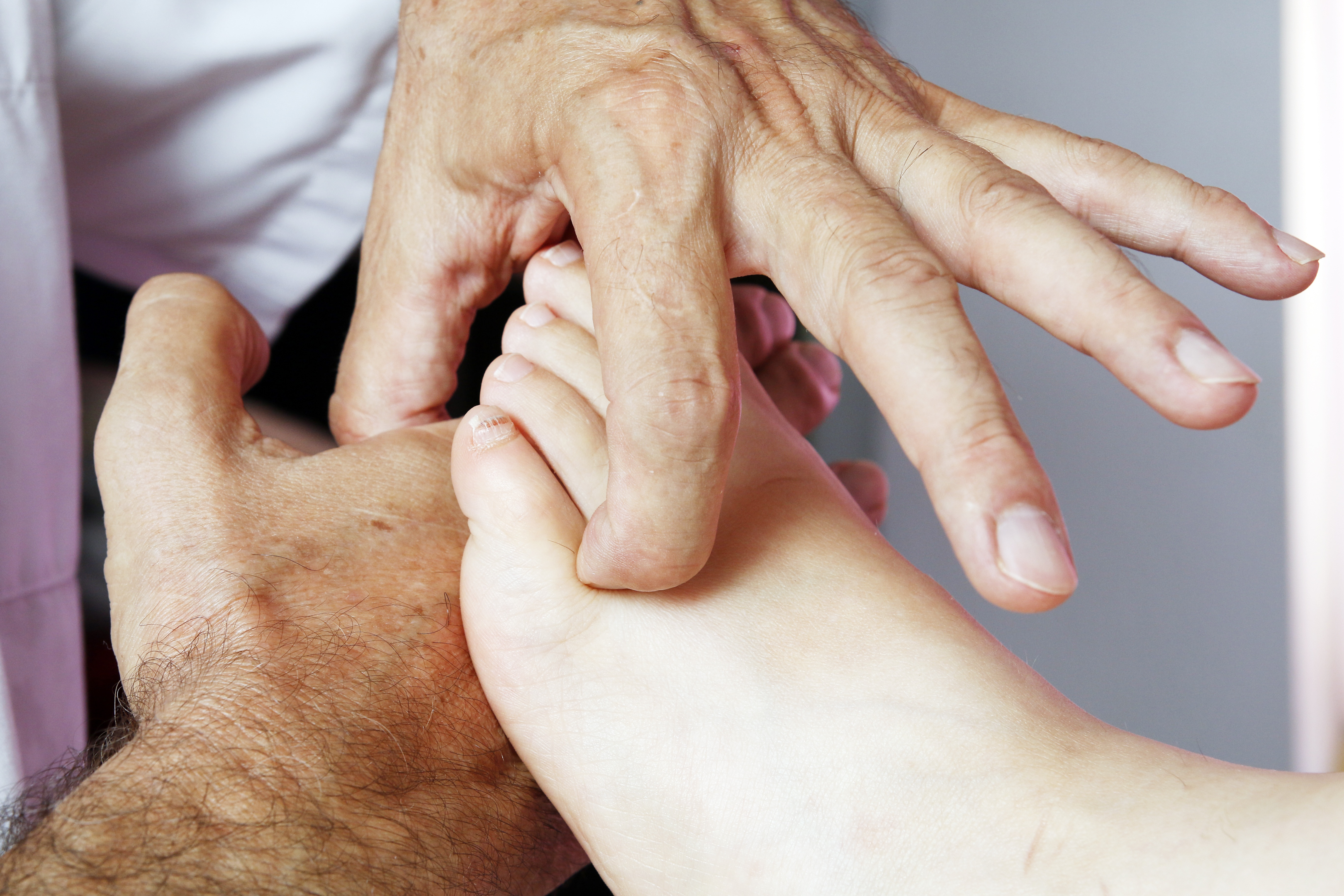
        Reflexology, Neuropathy, Reflexology for Neuropathy

        What is Reflexology?

        Reflexology is a holistic healing technique based on the principle that there are reflex points on the feet, hands, and ears that correspond to different organs, glands, and parts of the body. By applying pressure to these reflex points, reflexologists believe they can promote health in the corresponding body parts.

        Reflexology is not just about foot massages. It’s a comprehensive system of health care that seeks to treat the whole person, not just isolated symptoms. Reflexologists use their fingers and thumbs to apply pressure to specific points, stimulating the body’s natural healing processes. This can help to alleviate pain, improve circulation, and restore balance in the body.

        Reflexology is a form of complementary therapy that focuses on stimulating sensory nerves in the feet and hands, aiming to achieve pain reduction and enhanced nerve response; by applying pressure to specific reflex points, it can potentially contribute to increased blood flow, lowered blood pressure, and the alleviation of muscle tension, making it valuable in clinical practice for managing patients with various conditions such as neuropathic pain, muscle weakness, and even damaged nerve fibers. However, it’s essential to note that reflexology should not be considered a substitute for medical treatment, especially in cases involving blood clots or serious medical concerns.

        Reflexology, Neuropathy,

        Can Reflexology Help Neuropathy?

        Reflexology for neuropathy is a concept that has been gaining attention in recent years. There is a growing body of evidence suggesting that reflexology can help manage the symptoms of neuropathy. One study found that reflexology treatment significantly reduced the intensity of pain and the severity of numbness in patients with peripheral neuropathy.

        How does this work, you might ask? Reflexologists believe that stimulating the reflex points can open up neural pathways, improving the flow of energy and communication between the nervous system and the affected body part. This can help to reduce inflammation, promote healing, and alleviate neuropathy symptoms.

        The Science Behind Reflexology for Neuropathy

        The effectiveness of reflexology for neuropathy is still under scientific investigation, but preliminary studies show promise. One study found that reflexology helped improve nerve conduction velocity, a measure of nerve function, in patients with diabetic peripheral neuropathy.

        Reflexology may also help manage the psychological aspects of neuropathy. Chronic pain can lead to feelings of stress, anxiety, and depression. Moreover, reflexology has been shown to reduce stress levels, improve mood, and promote a sense of well-being, which can be beneficial for those living with neuropathy.

        Reflexology for Neuropathy in Feet

        According to research, reflexology for neuropathy in feet is a particularly popular application of this therapy. The feet are rich in nerve endings, making them particularly responsive to reflexology treatment. By stimulating the reflex points on the feet, reflexologists can help alleviate the symptoms of foot neuropathy, such as pain, numbness, and tingling.

        If you’re considering reflexology for foot neuropathy, it’s important to find a qualified reflexologist who is experienced in treating neuropathy patients. They will know how to apply the right amount of pressure to the reflex points, avoiding further nerve damage and ensuring that you get the most benefit from your treatment.

        Video Credit: @muschollings

        Reflexology and Peripheral Neuropathy

        Peripheral neuropathy is a type of neuropathy that affects the nerves in your extremities, usually your hands and feet. It can cause a variety of symptoms, including pain, numbness, weakness, and difficulty with movement. Reflexology can help manage these symptoms by stimulating the reflex points related to the affected nerves and body parts.

        Reflexology for peripheral neuropathy can be a powerful tool in your neuropathy management toolkit. Integrating it with conventional medical treatments helps enhance your body’s ability to heal, manage your symptoms more effectively, and improve your quality of life.

        Reflexology for Nerve Damage

        Neuropathy is essentially nerve damage, and reflexology has been suggested to help with nerve regeneration. While it’s not a magic cure, reflexology can stimulate the body’s natural healing processes, promoting nerve health and function.

        Reflexology for nerve damage involves stimulating the reflex points corresponding to the damaged nerves and the body parts they serve. This can help to improve nerve conduction, reduce inflammation, and alleviate pain and other neuropathy symptoms.

        The Benefits of Reflexology for Foot Neuropathy

        Reflexology for foot neuropathy has numerous benefits. It can help to relieve pain, reduce inflammation, improve circulation, and promote nerve health. It can also help you to relax and reduce stress, which can play a significant role in managing neuropathy symptoms.

        The benefits of reflexology for foot neuropathy extend beyond symptom management. By promoting overall health and well-being, reflexology can help you to live a more active and fulfilling life, despite your neuropathy diagnosis.

        How to Use Reflexology for Neuropathy Management

        To use reflexology for neuropathy management, you’ll need to find a qualified reflexologist who is experienced in treating neuropathy. They can provide personalized treatment, targeting the reflex points that correspond to your specific neuropathy symptoms.

        Before starting reflexology treatment, it’s important to discuss your neuropathy symptoms, medical history, and treatment goals with your reflexologist. Tailoring the treatment to your needs and ensuring its safety and effectiveness ensures the best results.

        Case Studies: Success Stories of Reflexology and Neuropathy

        There are many success stories of people who have used reflexology for neuropathy management. These case studies provide hope and inspiration for others living with neuropathy.

        One case study involves a woman with diabetic neuropathy who experienced significant pain relief after just a few sessions of reflexology. Another case study describes a man with peripheral neuropathy who was able to regain feeling in his feet after regular reflexology treatments.

        These case studies demonstrate the potential of reflexology for neuropathy management. While it’s not a cure-all, reflexology can be an effective complementary therapy for managing neuropathy symptoms and improving quality of life.

        Neuropathy Management Through Reflexology

        In conclusion, reflexology for neuropathy is a promising area of study and practice. Preliminary evidence and anecdotal reports suggest that it can help manage neuropathy symptoms, promote nerve health, and enhance the quality of life, although more research is necessary to fully comprehend its effectiveness and mechanisms of action

        If you’re living with neuropathy, consider adding reflexology to your treatment plan. It’s a holistic, non-invasive therapy that can complement conventional medical treatments and provide relief from neuropathy symptoms. Always consult with a healthcare professional before starting any new treatment. With the right approach, you can harness the power of reflexology for neuropathy management and lead a healthier, happier life.

        Keep Your Feet Healthy with Feet Relief

        If you want to know all the best tips on how to keep your feet healthy, then you better subscribe to our website, Feet Relief. If you’re looking to maintain optimal foot health and find effective relief from discomfort, look no further. This website is your ultimate place for the best foot care guidance and solutions.

        Frequently Asked Questions Regarding Reflexology for Neuropathy Management

        What is Reflexology?

        Reflexology is a holistic healing technique based on the principle that there are reflex points on the feet, hands, and ears that correspond to different organs, glands, and parts of the body. By applying pressure to these reflex points, reflexologists believe they can promote health in the corresponding body parts.

        Is Reflexology Advisable for Everyone With This Sickness?

        No. Reflexology’s suitability for individuals with neuropathy depends on their overall health and individual circumstances. Consulting a healthcare professional before starting reflexology is a must.

        Can I Cure Neuropathy With Reflexology Alone?

        Reflexology is a complementary therapy and should not replace medical treatments for neuropathy. You can use it alongside normal medical approaches to potentially enhance overall well-being.

        Should You Wear Shoes Inside the House? Decoding the Debate.

        Should You Wear Shoes Inside the House? Decoding the Debate.

        In today’s fast-paced world, the question of whether to wear shoes inside the house has become a subject of considerable debate. As we navigate our daily lives, we often find ourselves at the crossroads of tradition and modernity, comfort and hygiene, and convenience and cleanliness. This perennial dilemma has sparked conversations in households across the globe, with passionate advocates on both sides of the divide. In this thought-provoking article, we delve deep into the age-old question of whether one should or shouldn’t wear shoes indoors, exploring the multifaceted factors that underpin this contentious issue.

        From cultural practices and personal preferences to the scientific underpinnings of cleanliness, we aim to provide you with a comprehensive perspective to help you make an informed decision about this everyday habit. So, should you wear shoes inside the house? Let’s embark on a journey to decode the debate and shed light on the nuances surrounding this intriguing household matter.

        ‍‍Should You Wear Shoes Inside the House?

        Should you wear shoes inside the house? It’s an age-old debate that has been a point of contention in many households. Some argue that it helps keep feet warm and protected, while others insist it’s unhygienic and damages the flooring. This debate goes beyond cultural norms and personal habits, as it also involves health and comfort considerations for kids.

        As someone who is perpetually on the fence, I’ve decided to delve deeper into this discussion. After all, making an informed choice about issues that affect our daily lives is crucial. This article explores the pros and cons of wearing shoes inside the house, the concept of house shoes and slippers, their benefits, and some of the best options available.

        So, if you, like me, are in a constant dilemma about whether to wear shoes or socks inside the house, let’s journey together to find some answers.

        vintage, slippers, elegance, Shoes Inside the House

        Should You Wear Shoes Inside the House: Pros of Wearing Shoes Inside the House

        Contrary to popular belief, there are a few benefits of wearing shoes inside the house. Firstly, shoes can offer additional support to those who have foot problems or require extra comfort due to age or health conditions. They can also protect from potential injuries caused by stepping on small, sharp objects that might be lying around.

        Secondly, for those with cold feet, literally, shoes can provide much-needed warmth. This might be particularly helpful in winter or in homes with marble or tile flooring, which can get quite chilly. Lastly, people with certain types of allergies might find relief in wearing shoes indoors. This is because shoes can prevent direct contact with carpets or rugs and hard surfaces, which often harbor allergens.

        dad, daughter, holding hands

        Cons of Wearing Shoes Inside the House

        Despite some advantages, there are compelling reasons why many people, including myself, are hesitant to wear shoes inside the house. The biggest concern is hygiene. Shoes can carry dirt, bacteria, germs, and even harmful toxins from the outside, which we certainly don’t want on our living room floor.

        Shoes can also cause damage to the flooring. Frequent walking with outdoor shoes can lead to scuffs and scratches, especially on wooden floors. Not to mention, the noise of clattering shoes can be quite disturbing, particularly in apartments with people and children living below.

        adult, blur, fall, Shoes Inside the House

        What Are House Shoes and Slippers?

        While the debate continues, a compromise emerges in the form of house shoes and indoor slippers only. These are specifically designed for indoor use, providing the comfort and support of shoes without the cons associated with wearing outdoor footwear inside. A variety of types are available, from cozy slippers to more structured house shoes.

        House shoes can be a great alternative for those who require the support of shoes even when indoors. They are designed with comfort in mind but also provide the necessary structure and support, especially needed by individuals with foot conditions. On the other hand, slippers wear socks are typically more lightweight and breathable, providing comfort and warmth.

        slippers, home sweet home, slack, Shoes Inside the House

        Benefits of Wearing House Shoes and Slippers

        House shoes and slippers offer numerous benefits. They keep your feet warm and cozy, especially during the colder months. They also protect your feet from potential injuries inside the home. Additionally, they can offer relief to those with foot conditions that require additional support.

        For those concerned about hygiene, house shoes, and slippers help maintain cleanliness take their shoes. Since they’re exclusively used indoors, they don’t bring in the dirt and toxins associated with outdoor shoes. Plus, they’re usually machine washable, ensuring they can be kept clean and fresh.

        legs, shoes, walking

        Best House Shoes and Slippers for Men

        Regarding the best house shoes and slippers for men, comfort, style, and practicality are key. Some top-notch options include the UGG Ascot Slipper, known for its luxurious comfort and style, and the Acorn Men’s Moc, which offers great arch support and a weatherproof sole for quick outdoor trips.

        For the eco-conscious, the Allbirds Wool Loungers are a great choice. They’re made from environmentally friendly materials and offer excellent comfort and breathability. The RockDove Two-Tone Memory Foam Slipper is a popular choice if you’re looking for something more budget-friendly.

        wing chair, chair, easy

        Best House Shoes and Slippers for Women

        shoes, wedding, slippers, Shoes Inside the House

        Best House Shoes and Slippers With Arch Support

        For those needing extra support, arch-support slippers are a godsend. The Vionic Adilyn Women’s Orthotic Support Slippers are an excellent choice for women, offering a round-toe design with a plush fabric lining for maximum comfort. For men, the Orthofeet Asheville Comfort Arch Support Diabetic Men’s Orthopedic Slippers are hard to beat.

        Moreover, the Spenco Women’s Supreme Slide Mule offers excellent orthotic-grade arch support, while the Orthaheel Men’s Whistler Moccasins are podiatrist-designed for optimal comfort and support.

        clogs, old, vintage, wear shoes inside

        Best Slippers for Plantar Fasciitis

        Plantar fasciitis is a common foot condition, and having the right slippers can provide much-needed relief. The Orthofeet Proven Heel and Foot Pain Relief slippers are a top pick. They come with anatomical arch support and a cushioning heel pad, perfect for those walking barefoot and suffering from plantar fasciitis.

        Similarly, the Vionic Women’s Gemma Mule Slipper is an excellent shoe choice for women. It features an adjustable strap for a customized fit and a received APMA (American Podiatric Medical Association) Seal of Acceptance.

        Video Credit: @RachaelRayShow

        Cozy and Comfortable House Shoes: Top Picks

        When it comes to cozy slippers, you can’t go wrong with the UGG Women’s Coquette Slipper. Made from sheepskin and lined with fur, these slippers are the epitome of comfort and warmth. Another great option is the Acorn Women’s Faux Chinchilla Collar Slipper, which features a plush faux fur lining and memory foam insole for maximum comfort.

        On the house shoes front, the TOMS Women’s 100% Leather Slip-on offers a snug fit and excellent comfort, while the Sorel Men’s Manawan Slipper offers a cozy, comfortable fit with its faux fur lining and removable EVA footbed.

        Most Supportive House Shoes and Slippers

        Supportive house shoes and slippers can be a blessing for those with foot issues or those who simply want more structure in their indoor footwear. The Isotoner Women’s Terry Slip-In Clog, with memory foam comfort and an even indoor shoe/outdoor sole, is a standout option. For men, the Orthofeet Proven Pain Relief Plantar Fasciitis Sprint Comfortable Orthopedic Diabetic Men’s Sneakers are an excellent choice, offering superior comfort and support.

        Best Indoor Shoes: A Buyer’s Guide

        Choosing the best indoor shoes involves considering several factors. Firstly, consider the level of comfort and support you need. If you have certain foot conditions, look for options with arch support or certified by podiatrists. Secondly, consider the material. Breathable materials like cotton or wool are great for maintaining comfort, while leather or synthetic materials might offer more structure and support.

        Think about the type of sole. A non-slip sole can provide safety, especially on slippery floors. If you intend to use them for quick outdoor trips, consider weatherproof options. Lastly, consider the style and design. After all, the best indoor shoes should not only feel good but look good too!

        Tips for Choosing the Best Indoor Shoes and Slippers

        Whether you wear shoes inside the house or not ultimately depends on your personal preference and needs. However, if you do choose to wear them, opting for house shoes or slippers can be a great compromise. They provide the comfort and support of your shoes in the house without bringing the dirt and toxins from outside.

        Remember, the best house shoes or slippers are those that meet your specific needs, whether it’s arch support, warmth, or just pure comfort. So, take the time to consider your needs, research options, take off their shoes, and try a few before settling on your perfect pair. After all, our feet carry us through life, and they deserve the best care and comfort we can provide.

        Thank you for joining me on this journey to explore the debate about wearing shoes inside the house. I hope this article has provided some clarity and useful insights. Happy shopping for your perfect pair of house shoes or slippers!

        FAQs: Should You Wear Shoes Inside the House?

        What Are Indoor Shoes and Slippers?

        Indoor shoes and slippers are footwear that we wear inside our homes to keep our feet comfortable and clean. They’re like cozy socks with soles. Aside from this, wearing shoes inside the house also helps keep our feet safe from stepping on anything sharp. I suggest buying children indoor shoes because they have more sensitive skin.

        Why Do We Need Indoor Shoes or Slippers?

        We wear them to protect our feet from cold floors, and sharp objects, and to keep the house clean. They also make our feet feel warm and comfy. I love wearing indoor shoes because it’s a great way to make my feet look cute whenever I’m walking around the house.

        What's the Difference Between Indoor Shoes and Slippers?

        Indoor shoes are like soft sneakers you can wear indoors. Slippers are usually simpler and don’t cover your whole foot. Aside from that, they don’t have much of a difference.

        Discover Foot Wellness: Explore Feet-Relief.com for Expert Guidance and Foot Enthusiast Community

        If you’re one of those individuals passionate about foot and feet concerns, you’ll be delighted to know that there’s a thriving online community dedicated to all things related to foot health and comfort. Feet-Relief.com is a fantastic resource that offers a wealth of information, tips, and advice to help you take care of your feet and make informed decisions about your footwear choices.

        Whether you’re seeking guidance on the best shoe options for indoor use, looking for remedies to common foot issues, or simply want to connect with like-minded individuals who share your passion for foot wellness, Feet-Relief.com has you covered.

        Their team of experts is dedicated to providing valuable insights into maintaining healthy and happy feet, and their user-friendly platform makes it easy to explore a wide range of topics, from foot care routines to product reviews.

        So, if you’re interested in furthering your knowledge about foot health and finding a community of people who are equally passionate about feet, don’t miss out on the opportunity to visit Feet-Relief.com. It’s a valuable resource that can complement your journey to making well-informed choices about whether to wear shoes inside your house and beyond.

        Optimized by Optimole